An ancient Shingon temple in Suma steeped in the tragic tale of the young Heike warrior Atsumori.
Sumadera, formally Fukushoji, is one of the oldest and most storied temples in Kobe, a Shingon Buddhist sanctuary in the seaside Suma district that has stood for over eleven centuries and is inseparable from one of the most poignant stories in all of Japanese literature. Founded in the ninth century, the temple is a tranquil complex of halls, gates, gardens and monuments set against the hills of western Kobe, and it offers a rare combination of deep antiquity, literary romance and genuine beauty.
The temple's fame rests above all on its connection to the Genpei War, the epic twelfth-century conflict between the Taira (Heike) and Minamoto (Genji) clans that reshaped Japan and inspired the great war epic The Tale of the Heike. Nearby Suma was the scene of the Battle of Ichi-no-Tani in 1184, and it was here that the sixteen-year-old Taira no Atsumori, a beautiful and cultured young nobleman-warrior, was killed by the Minamoto general Kumagai Naozane. The story - in which the older warrior, about to take the boy's head, is stricken with grief at his youth and later renounces the world to become a monk - became one of the most beloved and heartbreaking tales in Japanese culture, retold endlessly in Noh drama, poetry and art. Sumadera preserves relics and monuments associated with Atsumori, including items said to relate to his famous flute, and the temple grounds carry an atmosphere of gentle melancholy that has drawn poets and pilgrims for centuries. The great haiku master Matsuo Basho visited and wrote of Suma, adding to its literary aura.
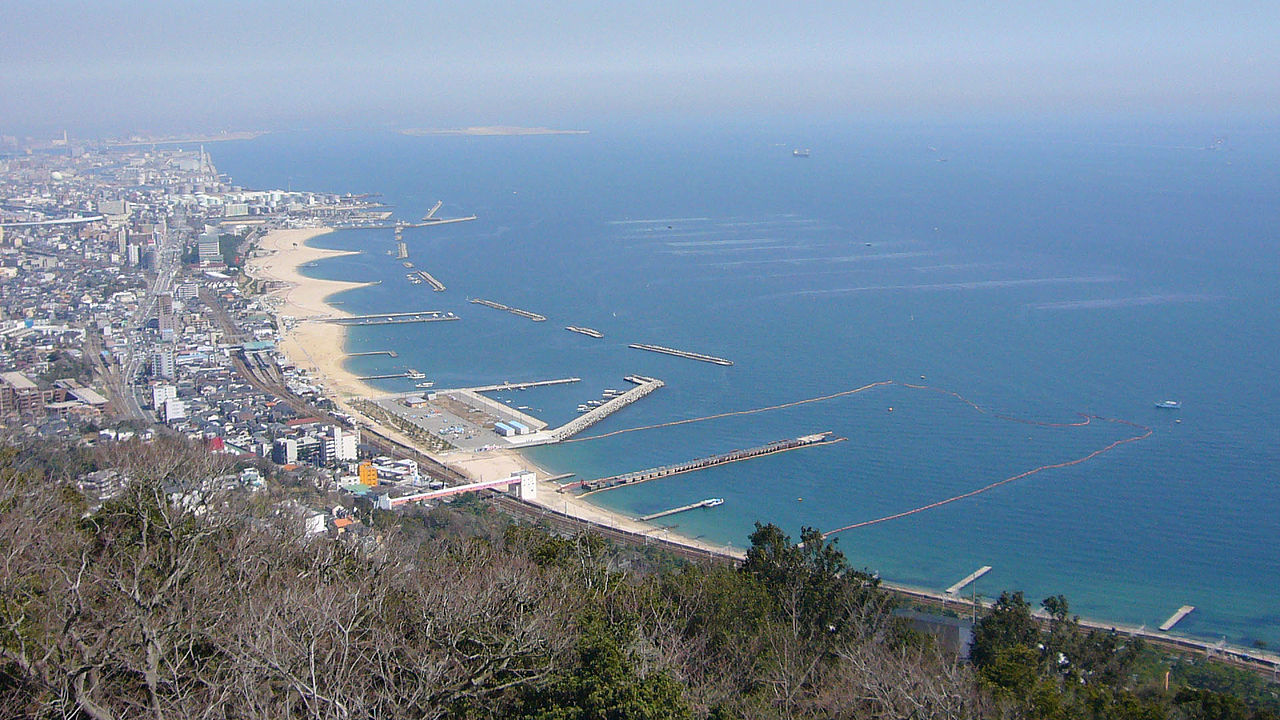
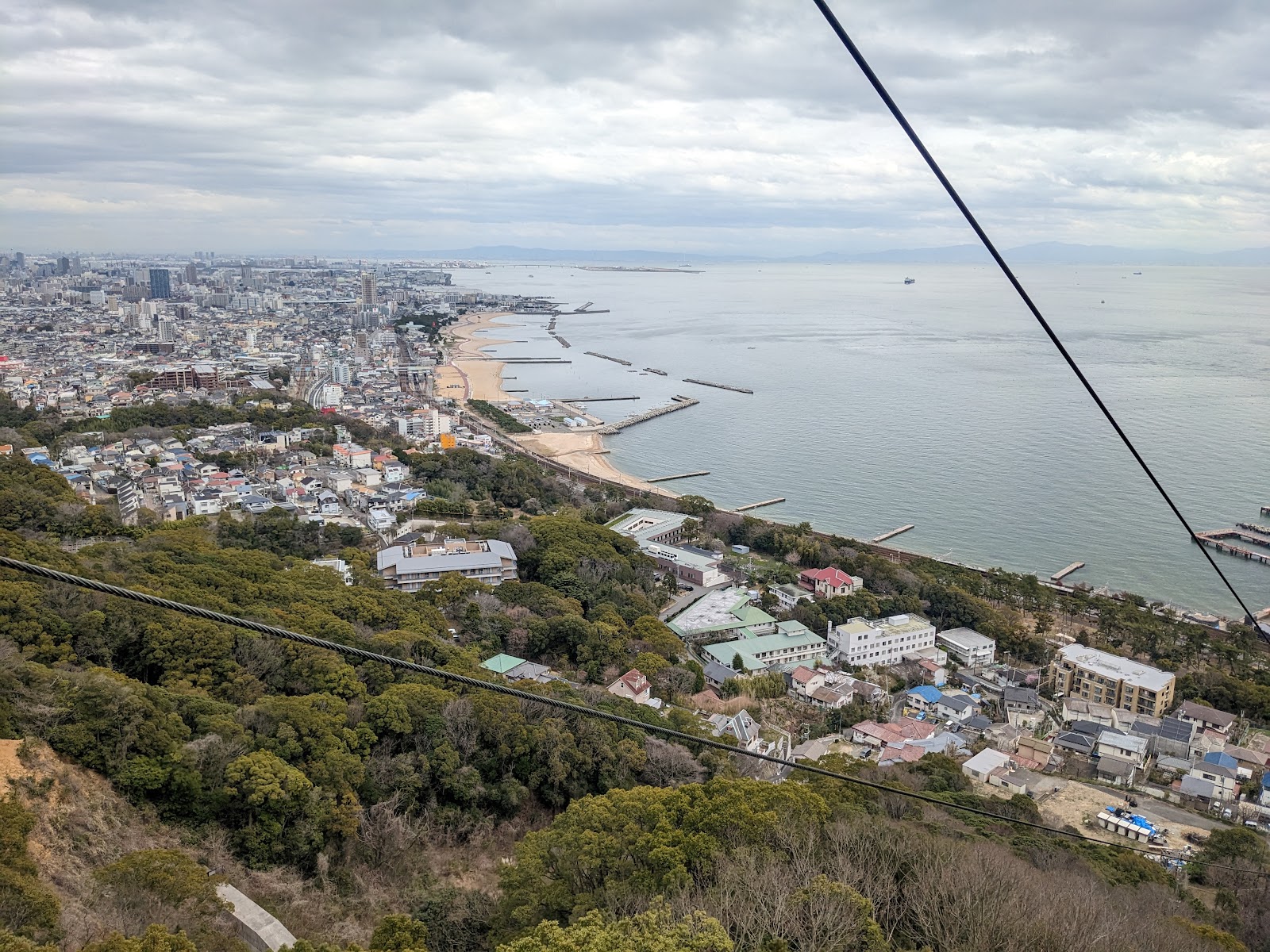
Beyond the Atsumori legend, Sumadera rewards visitors with much to see. The temple grounds contain a variety of halls and structures, statues and small gardens, along with a treasure hall displaying Buddhist art and historical artifacts. There are whimsical and photogenic touches too, and the whole complex is beautifully framed by nature - the grounds are especially lovely in spring, when cherry blossoms bloom across the temple, and again in autumn, when the maples color. Because the temple sits close to the coast and the mountains of Suma, it combines easily with a wider exploration of this scenic corner of Kobe, including Suma Beach and Suma Rikyu Park.
The visiting experience is peaceful and unhurried, well suited to forty-five minutes of quiet wandering - passing through the temple gate, exploring the halls, pausing at the monuments to Atsumori, and letting the layered history settle. Knowing the story of the doomed young warrior transforms the visit from sightseeing into something closer to pilgrimage.
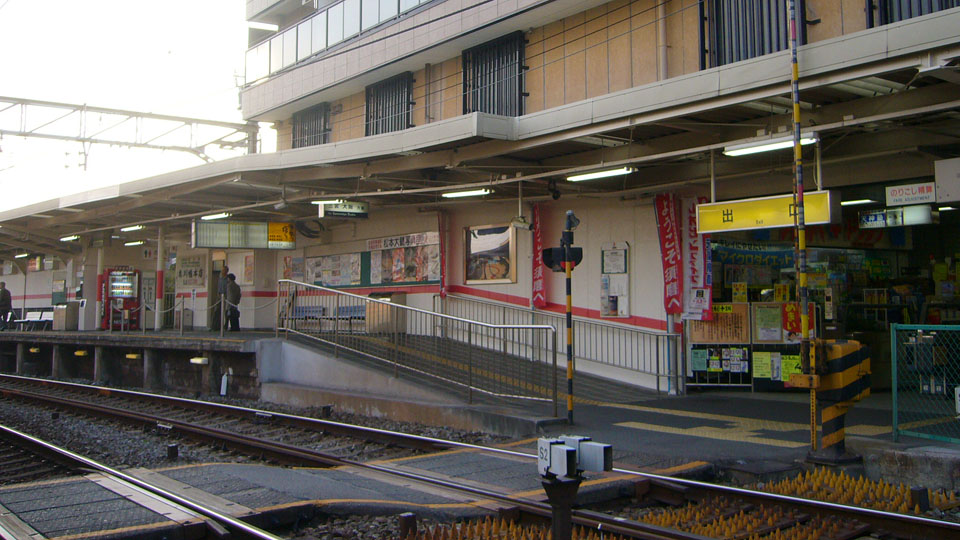
Accessibility is easy: Sumadera is about a five-minute walk uphill from Sumadera Station on the Sanyo Electric Railway, a short ride west from central Kobe. The grounds are free to enter, with a small charge for the treasure hall. For travelers drawn to the deeper currents of Japanese history and literature - to the beauty and sorrow of the samurai world as the Heike knew it - Sumadera is one of Kobe's most moving and rewarding temples.
A local's tip
Look for the spot tied to the boy warrior Atsumori, whose tragic death in the Genpei War is one of Japan's most famous stories.
Best time to visit
Spring for cherry blossoms across the temple grounds
Getting there
A 5-minute walk uphill from Sumadera Station on the Sanyo line in the Suma district of western Kobe.
Good to know
- Garden
- Restrooms
- Treasure hall
Plan the whole trip offline
Sumadera is one of many places in the Real Japan app — with turn-by-turn directions, nearby spots and full offline maps you can use with no signal.