The hillside grounds of a former imperial detached villa in western Kobe, now a terraced garden with sea views.
Suma Rikyu Park occupies the grounds of a former imperial detached palace on a hillside above the sea in the western Kobe district of Suma, and it combines a genuine sense of history with one of the most graceful garden landscapes in the city. Terraced up the slope with fountains, formal flower beds and sweeping views over the Seto Inland Sea, it is a serene and cultivated escape that reflects the tastes of Japan's early 20th-century elite.
The word rikyu means a detached palace or imperial villa, and this is precisely what once stood here. The site was developed as an imperial retreat, a place for the imperial family to enjoy the mild climate, sea breezes and fine outlook of the Suma coast, an area celebrated in classical literature and long favoured for its scenery. After its imperial use ended, the grounds were opened to the public as a park, preserving the elegant layout and the atmosphere of a place designed for refined leisure. That aristocratic pedigree still shapes the character of the gardens today.
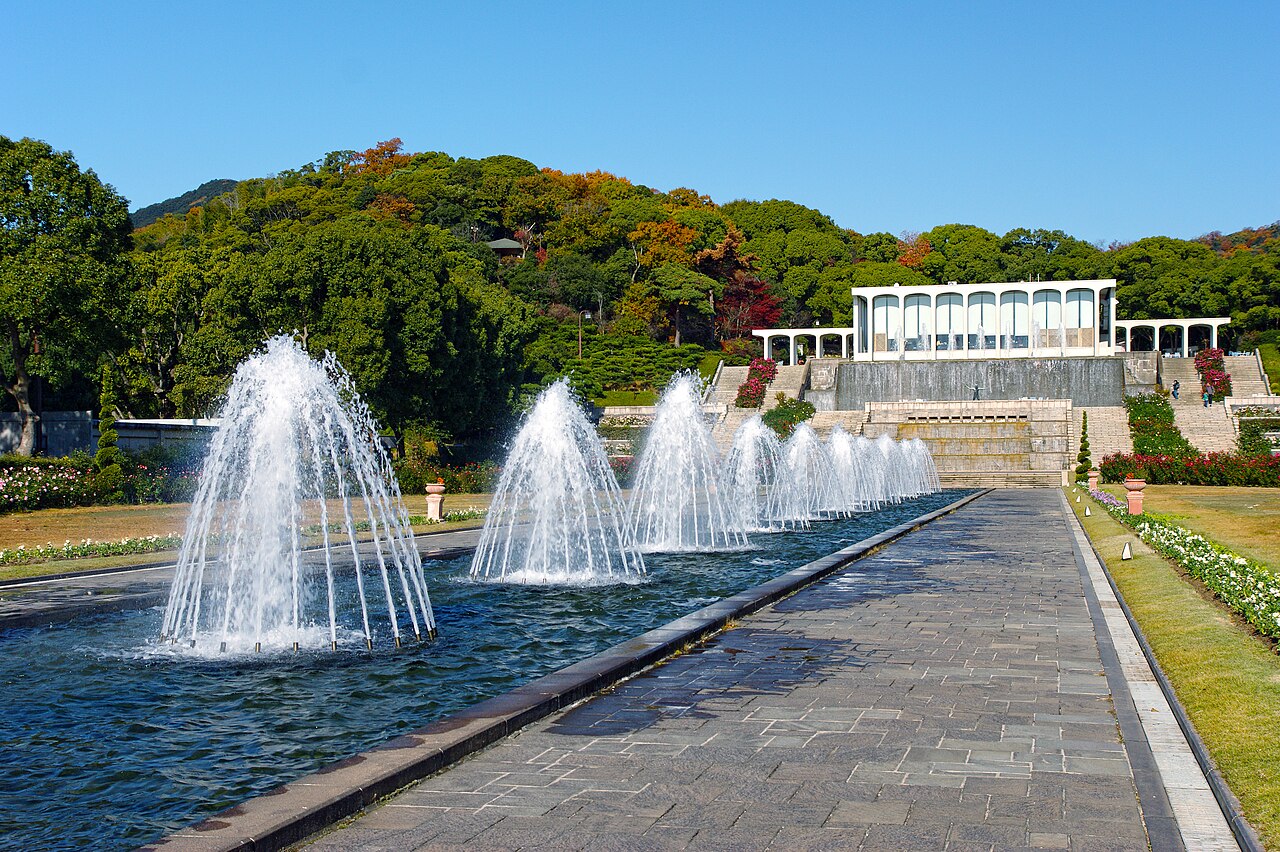
The park's centrepiece is its European-influenced formal garden, in particular a rose garden that blooms magnificently in late spring and again in autumn, arranged around fountains and geometric beds with the sea as a backdrop. This Western-style design reflects the cosmopolitan spirit of the age in which the villa flourished, when the Japanese elite embraced European fashions in architecture and landscape. Beyond the formal areas, paths wind up the hillside through wooded slopes and past terraces and lawns, and the whole ascent is rewarded with expansive views out over the Inland Sea, its islands and passing ships. In spring cherry blossom brightens the grounds, and in autumn the maples turn, so the park offers something in every season.
As a place to visit, Suma Rikyu Park suits an unhurried afternoon: a gentle climb through the gardens, time to sit among the roses or on a terrace watching the sea, and the pleasure of a landscape consciously composed for beauty and repose. Because it lies a little away from the main tourist circuits of central Kobe, it tends to be peaceful, frequented as much by local families and garden lovers as by sightseers.
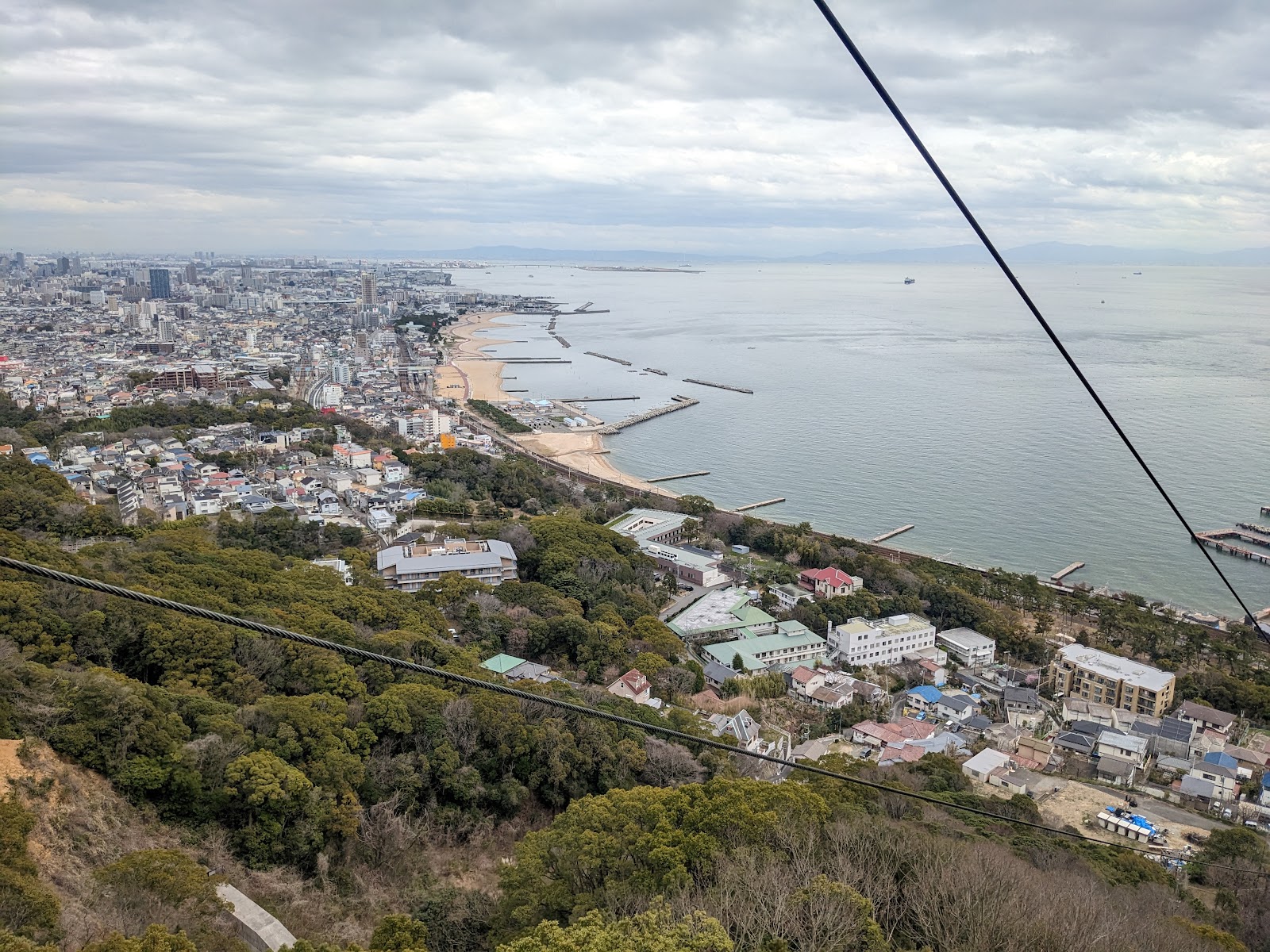
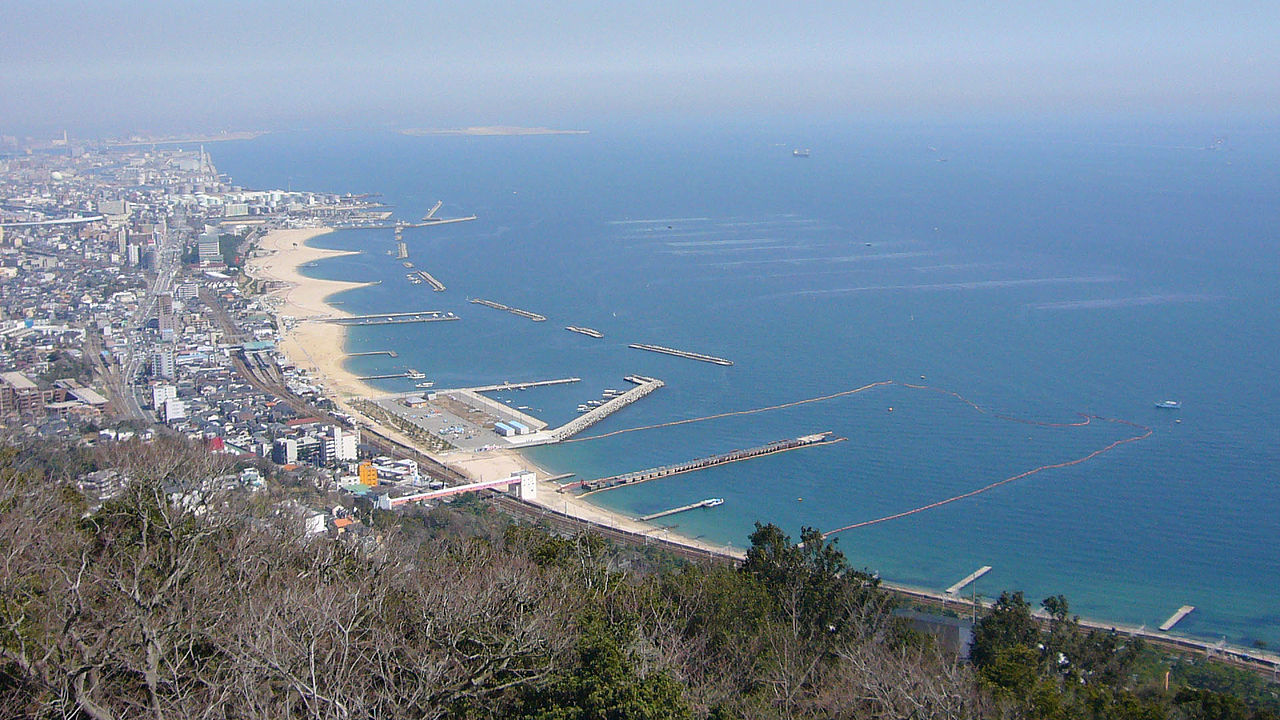
The surrounding Suma area has its own attractions that combine well with the park, including the long sandy sweep of Suma Beach, popular in summer, and the nearby aquarium, making this a pleasant corner of Kobe for a half-day away from the city centre. The coast here has been admired since ancient times, appearing in the classical Tale of Genji, which lends the whole district a literary resonance that the imperial villa's presence only deepened.
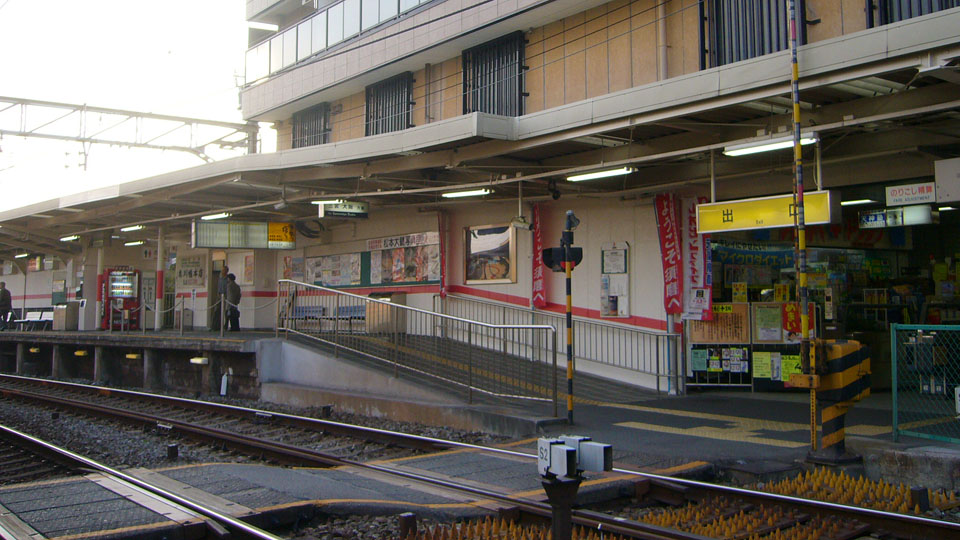
Getting there: Suma Rikyu Park is about a ten-minute uphill walk from Tsukimiyama Station on the Sanyo Electric Railway, or a longer walk from JR Suma Station on the Kobe Line, in western Kobe. It keeps daytime hours and is closed on Thursdays, with a modest admission. Come in rose season or autumn colour, climb the terraces for the sea views, and enjoy a garden shaped for the leisure of emperors.
A local's tip
The park occupies the grounds of a former imperial detached villa, with a European-style rose garden, fountains and terraces climbing the hillside. The upper levels give sweeping views over the Seto Inland Sea.
Best time to visit
Late spring for roses; autumn for foliage
Getting there
About 10 minutes uphill from Tsukimiyama Station on the Sanyo line, or a longer walk from JR Suma; the hillside park overlooks the sea in western Kobe.
Good to know
- Cafe
- Restrooms
- Sea views
- Rose garden
Plan the whole trip offline
Suma Rikyu Park is one of many places in the Real Japan app — with turn-by-turn directions, nearby spots and full offline maps you can use with no signal.