Zen temple above Hakone-Yumoto founded by the Hojo warlord clan, whose family graves still rest in its quiet wooded grounds.
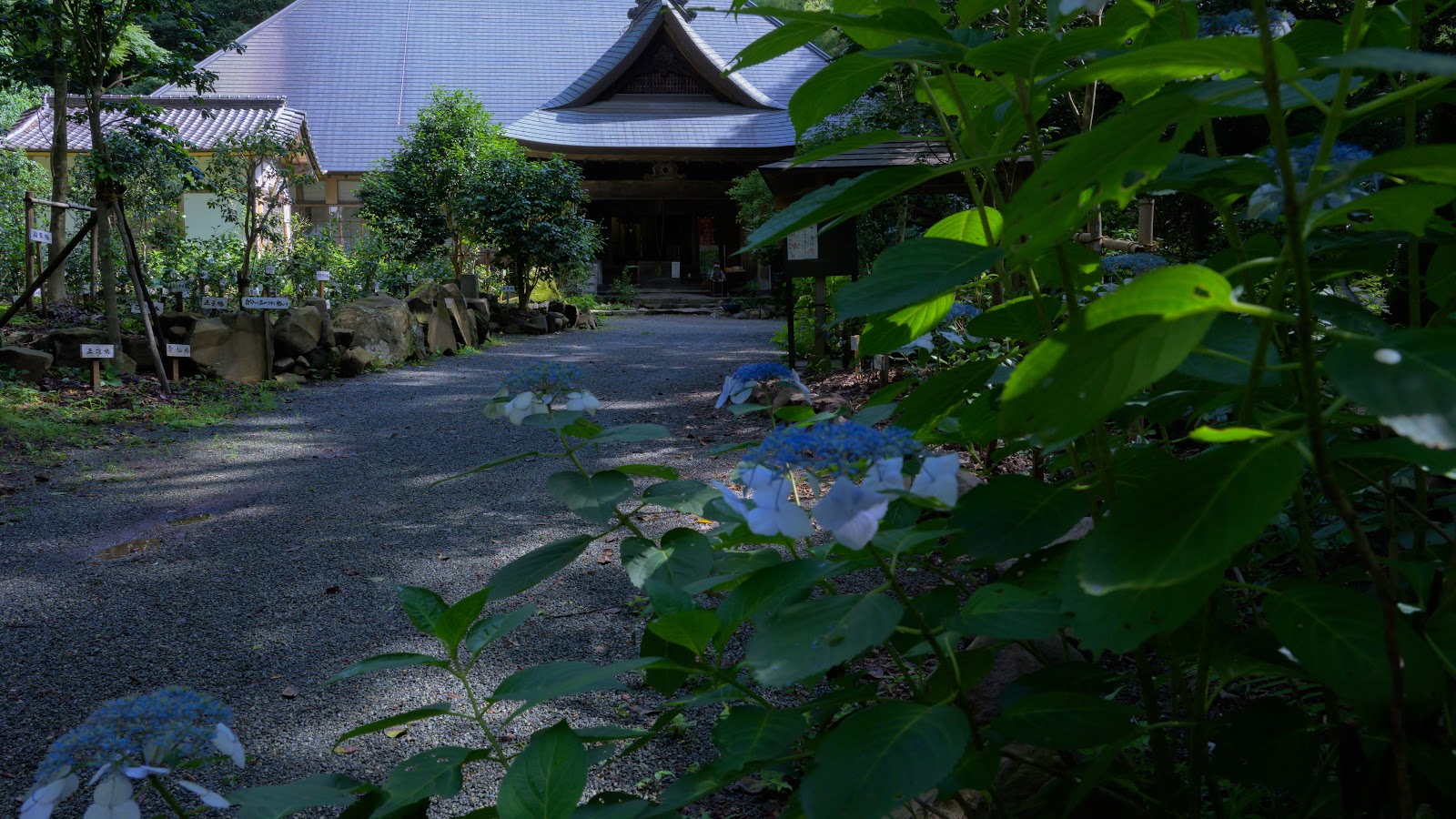
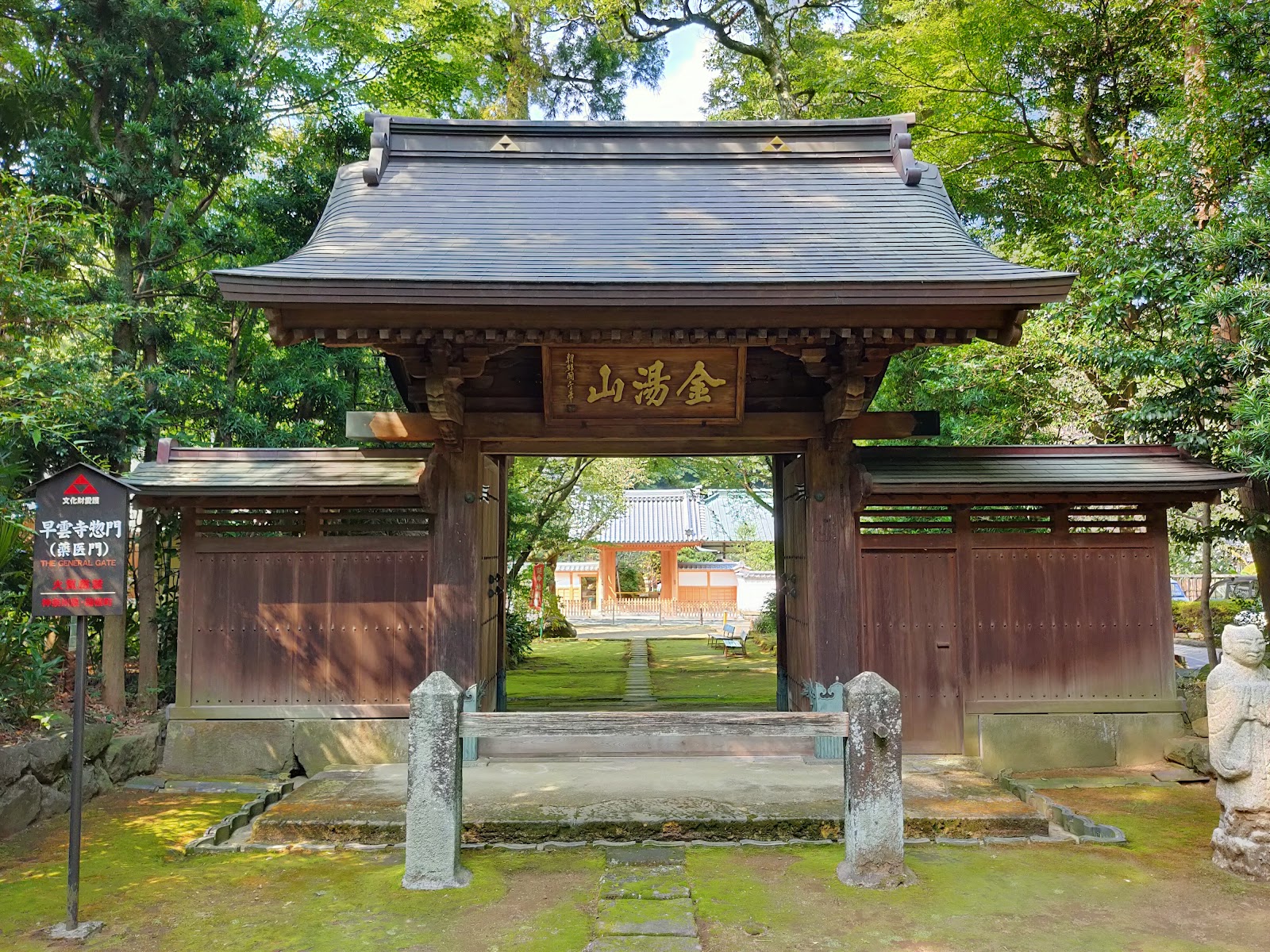
Soun-ji is a Rinzai Zen temple set on the forested hillside just above the hot-spring town of Hakone-Yumoto, carrying a historical weight far greater than its modest present-day size suggests. It was established in 1521 on the deathbed instruction of Hojo Soun, one of the most consequential warlords of Japan's Sengoku era, and it served for generations as the family temple of the Later Hojo clan who dominated the Kanto region from their great castle at nearby Odawara.
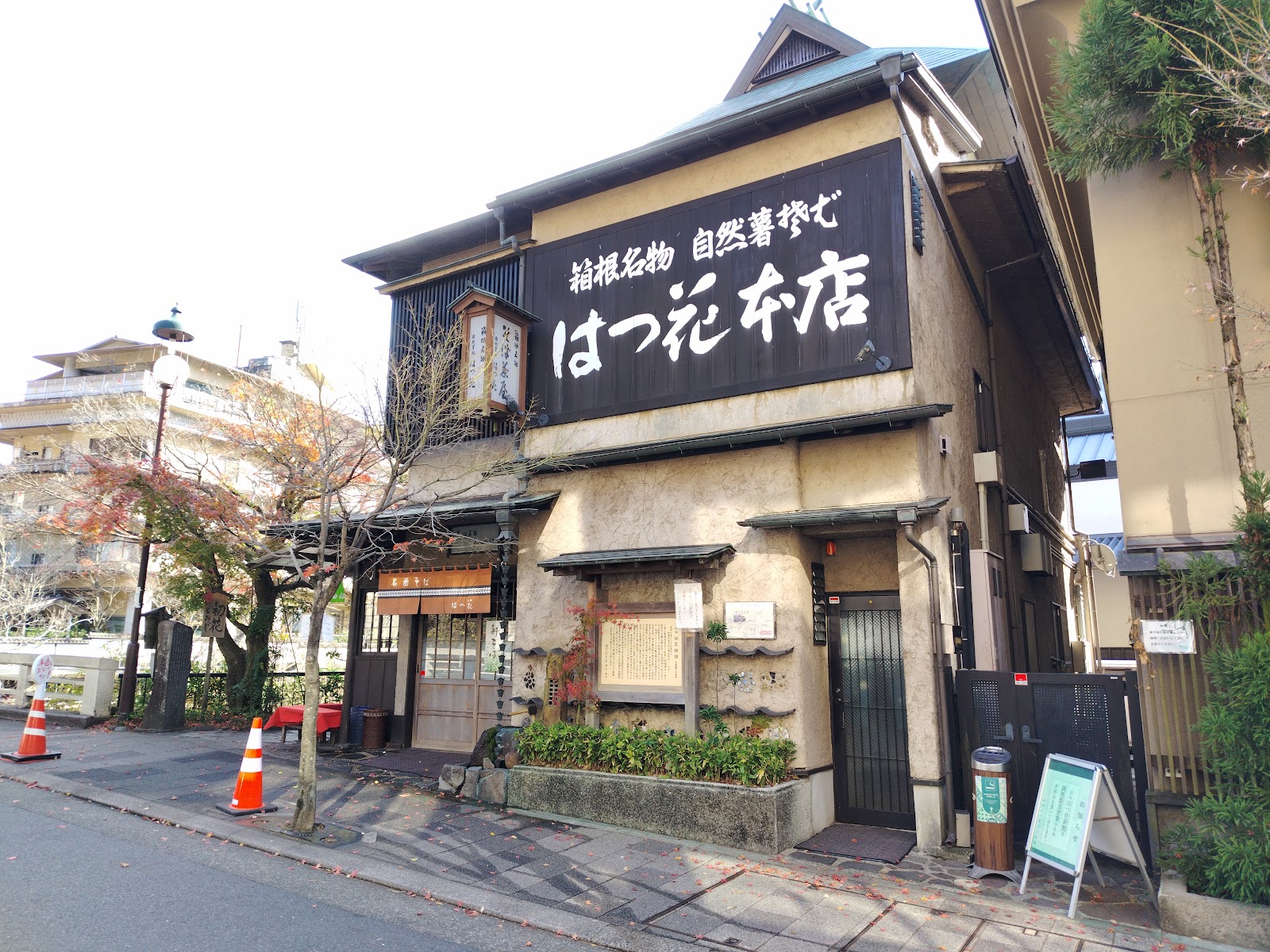
Hojo Soun rose from obscure origins to seize control of the lands around Hakone and Izu, and his descendants took the prestigious Hojo name and expanded their power across eastern Japan. At the height of the clan's fortunes Soun-ji flourished with them: contemporary accounts describe a sprawling temple whose precincts once reached all the way down to the site of present-day Hakone-Yumoto Station. The temple's rise and the town's growth were intertwined, and Yumoto itself is said to have developed as the settlement in front of Soun-ji's gate.
That golden age ended violently. In 1590 the warlord Toyotomi Hideyoshi laid siege to Odawara Castle in his campaign to unify Japan, and in the fighting the great temple was largely destroyed and burned. The Hojo were defeated and their eastern domains passed to Tokugawa Ieyasu. Soun-ji was later rebuilt in 1672, on a far more modest scale than its medieval predecessor, and it is this restrained Edo-period temple that visitors see today.
The grounds are quiet and contemplative, shaded by tall trees and reached by a short climb from the main road. Behind the main hall stand the mossy gravestones of successive generations of the Hojo family, a row of weathered stone memorials to the warlords who once controlled this whole stretch of country. Standing among them offers a tangible connection to the turbulent age of warring states, and the setting, hushed and green, encourages the kind of reflection the Zen tradition prizes. The temple also preserves cultural treasures associated with the clan, and its historical significance is recognised well beyond Hakone.
The visiting experience is calm and uncrowded, a welcome counterpoint to the busy shops and bathhouses of Yumoto just downhill. The walk up takes around fifteen minutes on foot, or a short bus ride, and the grounds are easily explored in half an hour. There are only limited facilities, in keeping with the temple's working, unhurried character, but a small parking area serves those arriving by car.
Seasons suit the temple well. Cherry blossom softens the grounds in spring, while autumn brings fiery maple colour to the wooded slope, making late November a particularly rewarding time to climb the hill. For travellers who want more than hot springs from a stop in Hakone-Yumoto, Soun-ji rewards a short detour with genuine history: a modest temple that was once the spiritual home of one of Sengoku Japan's great samurai dynasties, still keeping watch over their graves five centuries on.
A local's tip
This is the ancestral temple of the Hojo warlords who ruled the region; look for the row of Hojo-family gravestones behind the main hall, a quiet spot most day-trippers to Yumoto never find.
Best time to visit
Autumn for maple colour in the temple grounds
Getting there
From Hakone-Yumoto Station walk about 15 minutes uphill through the hot-spring town, or take a short local bus toward Moto-Hakone and alight near the Soun-ji stop. The temple sits slightly above the main road on the wooded slope behind Yumoto.
Good to know
- Parking
- Restrooms
Plan the whole trip offline
Soun-ji Temple is one of many places in the Real Japan app — with turn-by-turn directions, nearby spots and full offline maps you can use with no signal.