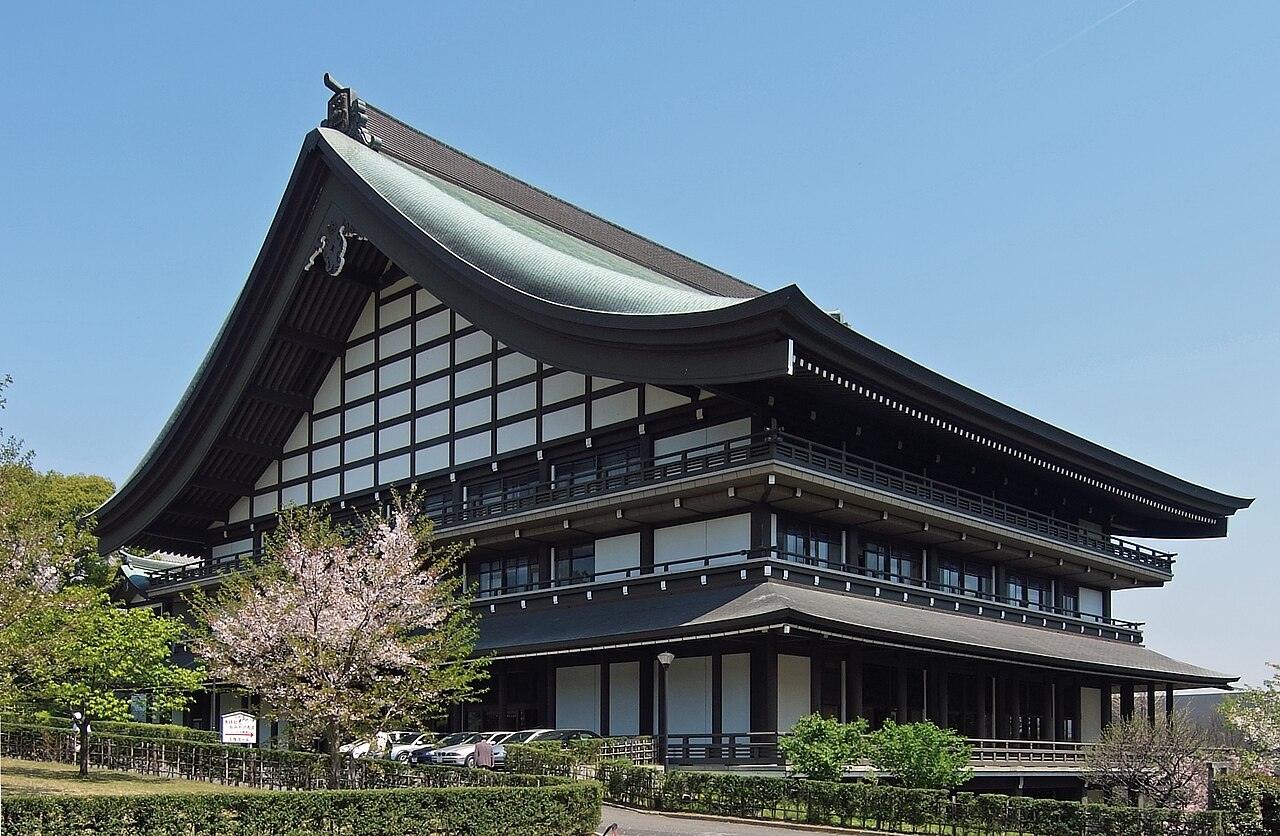
One of the two head temples of Sōtō Zen Buddhism, a vast tranquil monastery complex in Tsurumi, Yokohama.
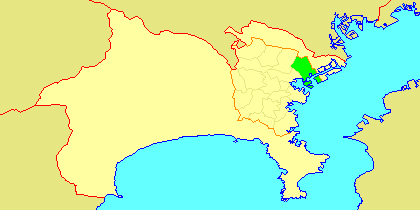
Sōji-ji (總持寺) is one of the two supreme head temples of the Sōtō school of Zen Buddhism — the other being Eihei-ji in Fukui — making this quiet complex in Yokohama's Tsurumi ward one of the most important centres of Zen practice in Japan. Despite its national stature, it sees a fraction of the crowds that flood Kyoto's famous temples, so a visit here feels like stepping into a working monastery rather than a tourist site.
The temple's roots reach back to 740, when it began life far away in Noto (modern Ishikawa Prefecture) as a Shingon temple. In 1321 the great Sōtō patriarch Keizan Jōkin converted and refounded it as a Zen monastery under the name Sōji-ji, and it grew into one of the movement's twin pillars. After a devastating fire in 1898, the head temple was relocated to its present spacious hillside site in Tsurumi in 1911, deliberately chosen for its proximity to Yokohama's port and to modern life — a very Meiji-era decision to keep Zen connected to the changing world.
What strikes visitors first is the sheer scale. The Sanmon main gate is among the largest temple gates in the Kantō region, and beyond it stretch immense wooden and concrete halls linked by long polished corridors. The Daisodo (Great Main Hall) can seat a thousand people; nearby, the Hyakkan-rō corridor runs for over 160 metres. Because Sōji-ji is a live training monastery, you will often see young unsui (trainee monks) sweeping the grounds, chanting, or moving in silent formation — a reminder that everything here serves practice, not display. Notably, the film director and the temple's early modern buildings include work by respected 20th-century architects, giving the complex an unusual blend of ancient form and modern engineering.
For visitors, the appeal is atmosphere and access. The grounds are free to enter and open through the day; guided tours and, on set mornings, public zazen meditation sessions let curious travellers experience seated Zen under a monk's guidance. The cemetery behind the halls holds the graves of notable figures, including the celebrated silent-film star Ishihara — a quietly poignant corner. In spring the approach blooms with cherry blossom, and in autumn the maples flush red against the grey temple roofs.
The best time to come is a weekday morning, when the light is soft, the corridors are cool underfoot, and the sound of chanting drifts from the halls. Reach it easily from JR Tsurumi Station on the Keihin-Tohoku Line (fully Japan Rail Pass covered) or Keikyu Tsurumi, a level seven-minute walk away. Allow at least an hour to wander the halls, sit a while in the main hall, and follow the cedar-lined paths — this is a place that rewards slowness, offering a rare glimpse of living Zen just twenty minutes from central Yokohama.
A local's tip
Ask at the reception hall about the free morning zazen (seated meditation) sessions — visitors are genuinely welcome, and the vast tatami halls are at their most serene before the training monks' schedule fills them.
Best time to visit
Early morning weekdays
Getting there
From JR Tsurumi Station (Keihin-Tohoku Line) or Keikyu Tsurumi, walk about 7 minutes toward the wooded hill; the main gate is well signposted.
Good to know
- Parking
- Restrooms
- Guided tours
Plan the whole trip offline
Sōji-ji is one of many places in the Real Japan app — with turn-by-turn directions, nearby spots and full offline maps you can use with no signal.