A UNESCO-listed museum in Japan's first Western-style factory, telling the story of Satsuma's early industrial revolution.
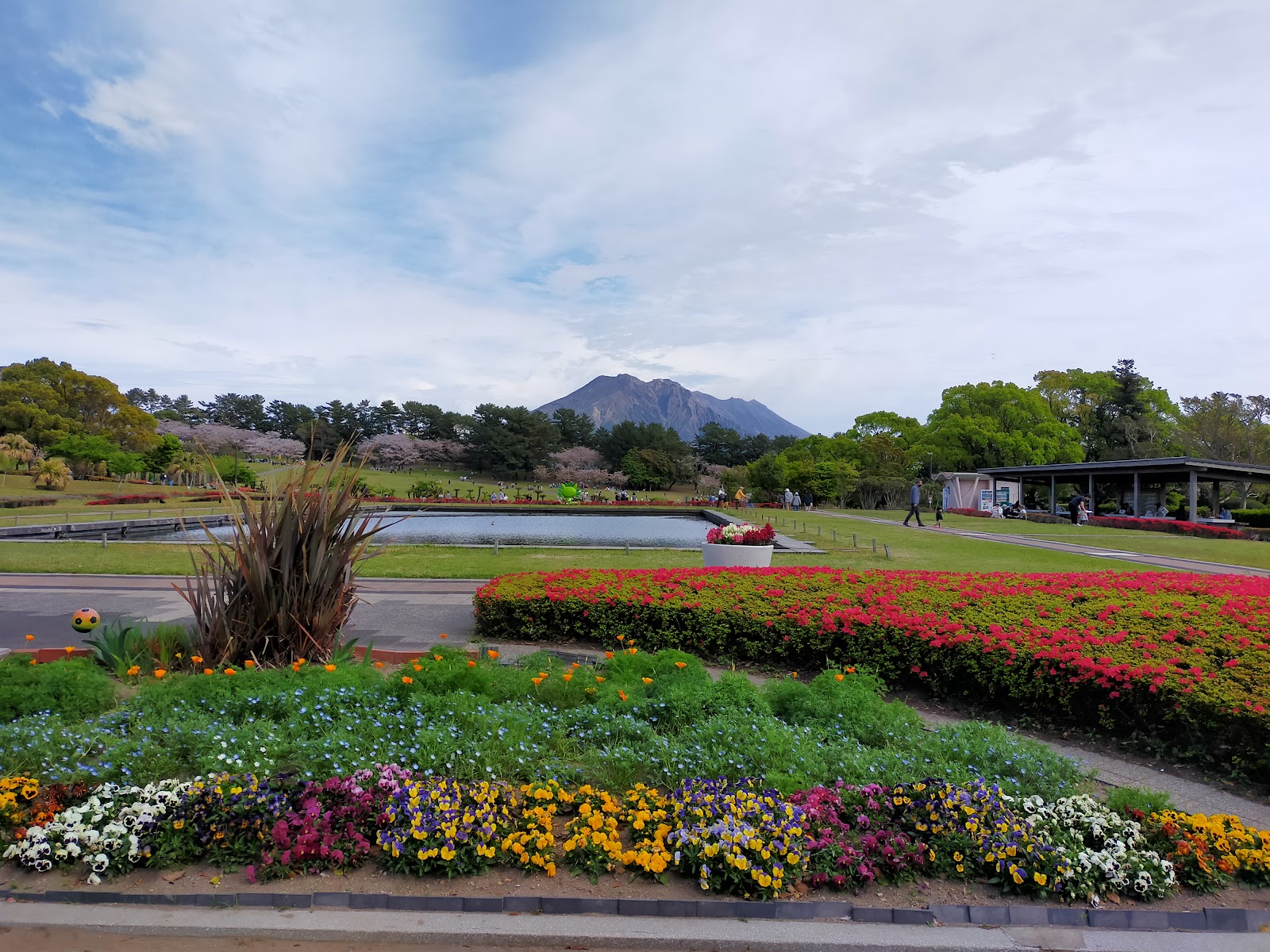
The Shoko Shuseikan is both a museum and a monument, occupying the site where the Satsuma domain launched one of Japan's earliest attempts at Western-style industrialisation. Set beside the celebrated Sengan-en garden on the coast north of central Kagoshima, with the volcanic cone of Sakurajima looming across the bay, it forms part of the Sites of Japan's Meiji Industrial Revolution inscribed on the UNESCO World Heritage List, and it offers a fascinating window onto how a forward-thinking southern domain helped drag Japan into the modern industrial age.
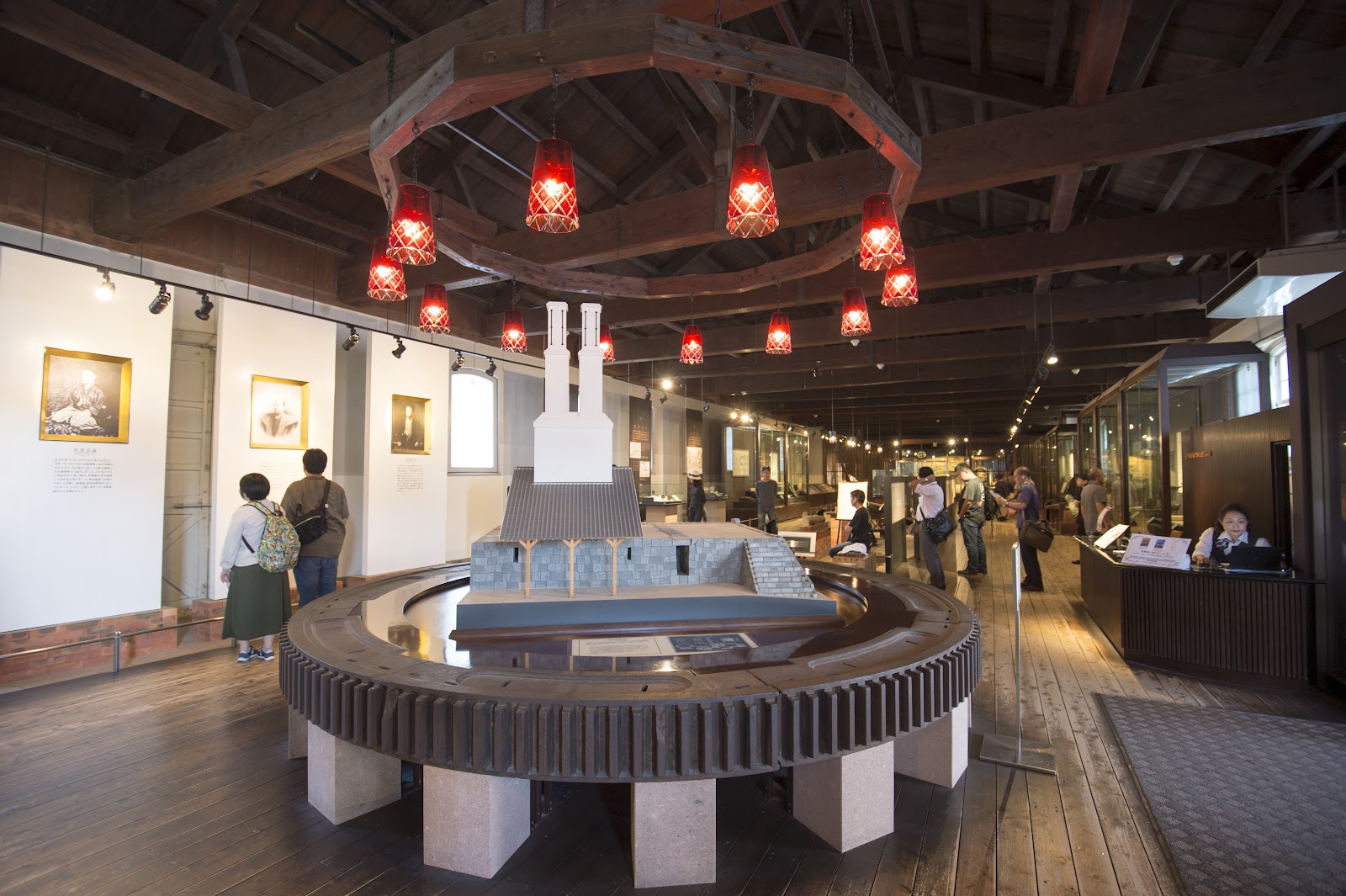
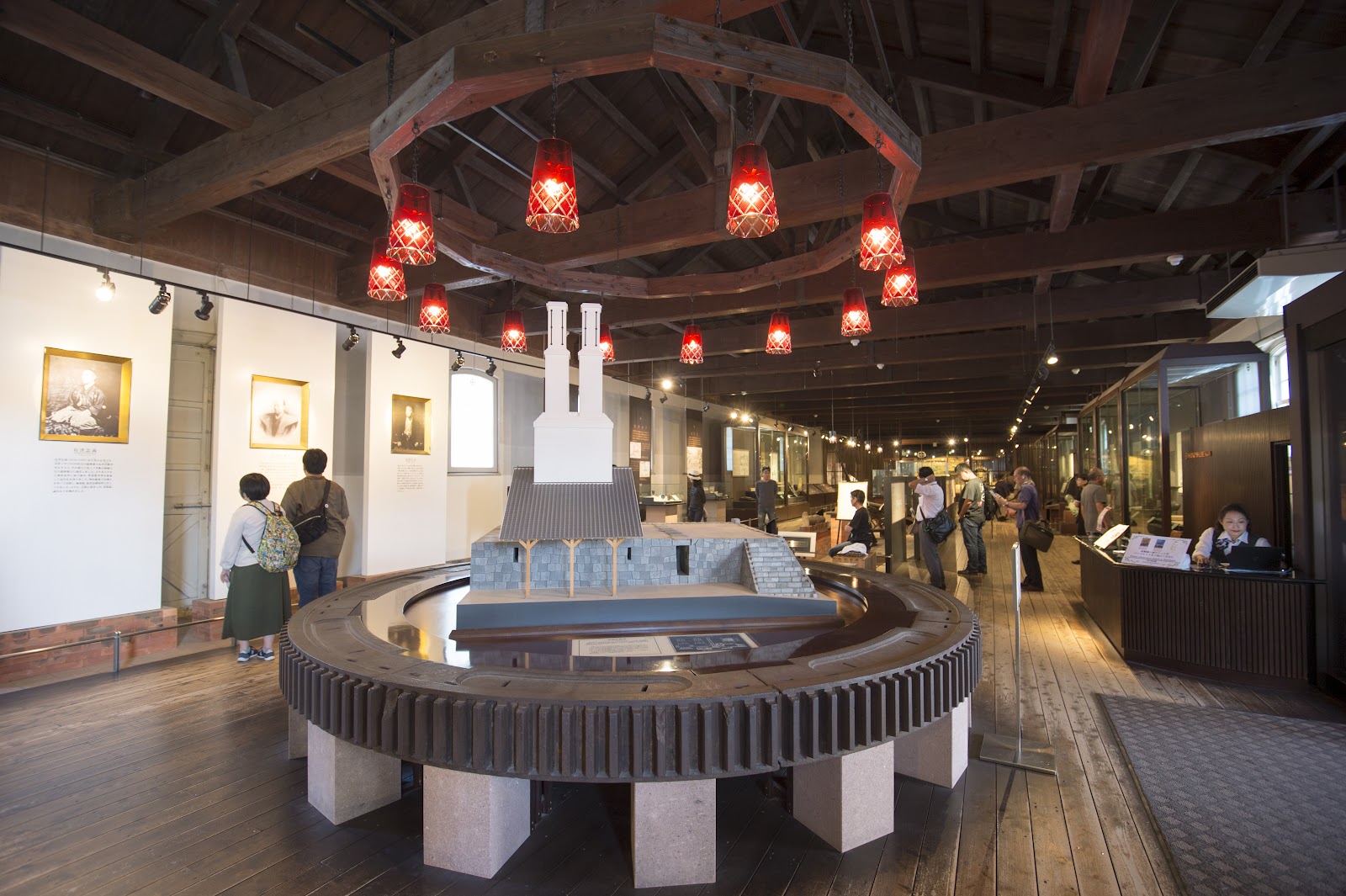
The story begins in the 1850s with Shimazu Nariakira, the visionary lord of Satsuma, who established a complex of workshops and factories here — the Shuseikan — to produce iron, glass, ceramics, weapons and more using Western methods, at a time when Japan was still largely closed to the outside world. The stout stone machinery hall that houses much of the museum is itself one of these original factory buildings, Japan's oldest surviving Western-style stone factory, giving the exhibits a rare authenticity: you are walking through the very industrial heritage the museum describes.
Inside, the displays trace the ambitions and achievements of the Shimazu clan and the Satsuma domain, from early experiments in reverberatory furnaces and shipbuilding to the famous Satsuma Kiriko cut glass, whose delicate coloured craftsmanship is showcased in the collection. The museum sets Satsuma's industrial drive within the wider currents of the late Edo period and the Meiji Restoration, showing how technological ambition and political change went hand in hand. It also tells of the domain's early exchanges with the West, including the students it secretly sent abroad in defiance of national policy.
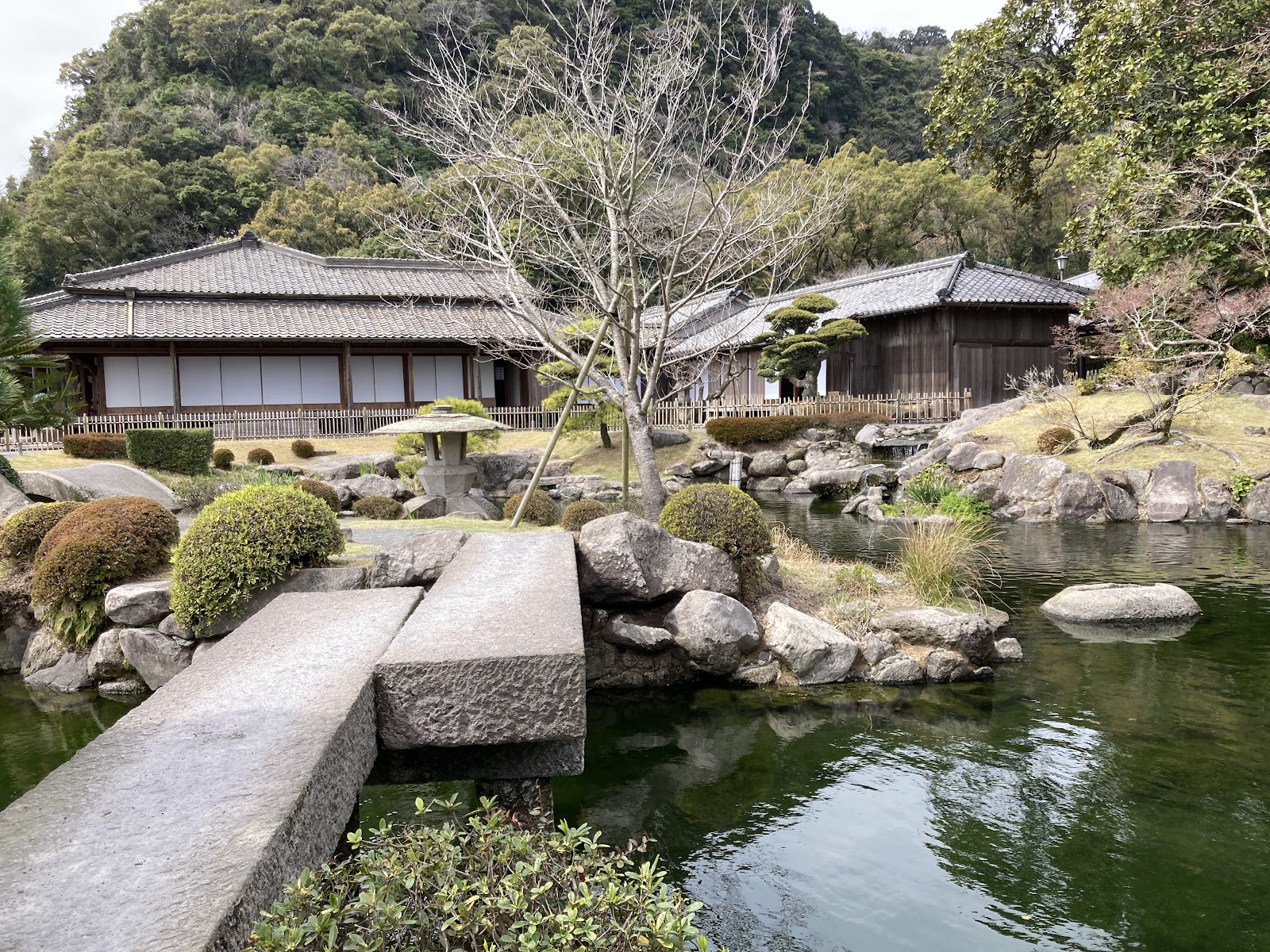
The setting greatly enriches the visit. The museum sits within the grounds of Sengan-en, the magnificent former villa and garden of the Shimazu family, which uses Sakurajima and Kinko Bay as borrowed scenery in one of the most dramatic garden compositions in Japan. A combined ticket covers both, and most visitors pair the museum's industrial history with a stroll through the garden's ponds, streams and historic residence. There is a cafe and shop on site, and demonstrations of Satsuma crafts can sometimes be seen.
Access is easy from central Kagoshima. The City View sightseeing bus loops to the Sengan-en stop directly outside, and regular buses run along the coast road; drivers will find parking on site. Because there is a great deal to see between the museum, the garden and the historic buildings, it is worth allowing a couple of hours to do the whole complex justice.
For travellers interested in how Japan modernised, the Shoko Shuseikan is one of the most rewarding stops in Kyushu, combining genuine World Heritage industrial architecture, a beautifully told story of ambition and craftsmanship, and one of the country's great garden landscapes, all beneath the ever-present silhouette of Sakurajima. It is a place where the history of modern Japan and the beauty of old Japan sit side by side, and it deserves an unhurried visit.
A local's tip
The stone machinery hall is the original Shuseikan factory building — a UNESCO World Heritage industrial site, not just a display about one.
Best time to visit
Any time; combine with the adjoining garden
Getting there
From central Kagoshima take the City View sightseeing bus to the Sengan-en stop, or a regular bus along the coast road toward Iso; the museum stands beside the Sengan-en garden with Sakurajima across the bay.
Good to know
- Cafe
- Gift shop
- Restrooms
Plan the whole trip offline
Shoko Shuseikan Museum (Sengan-en) is one of many places in the Real Japan app — with turn-by-turn directions, nearby spots and full offline maps you can use with no signal.