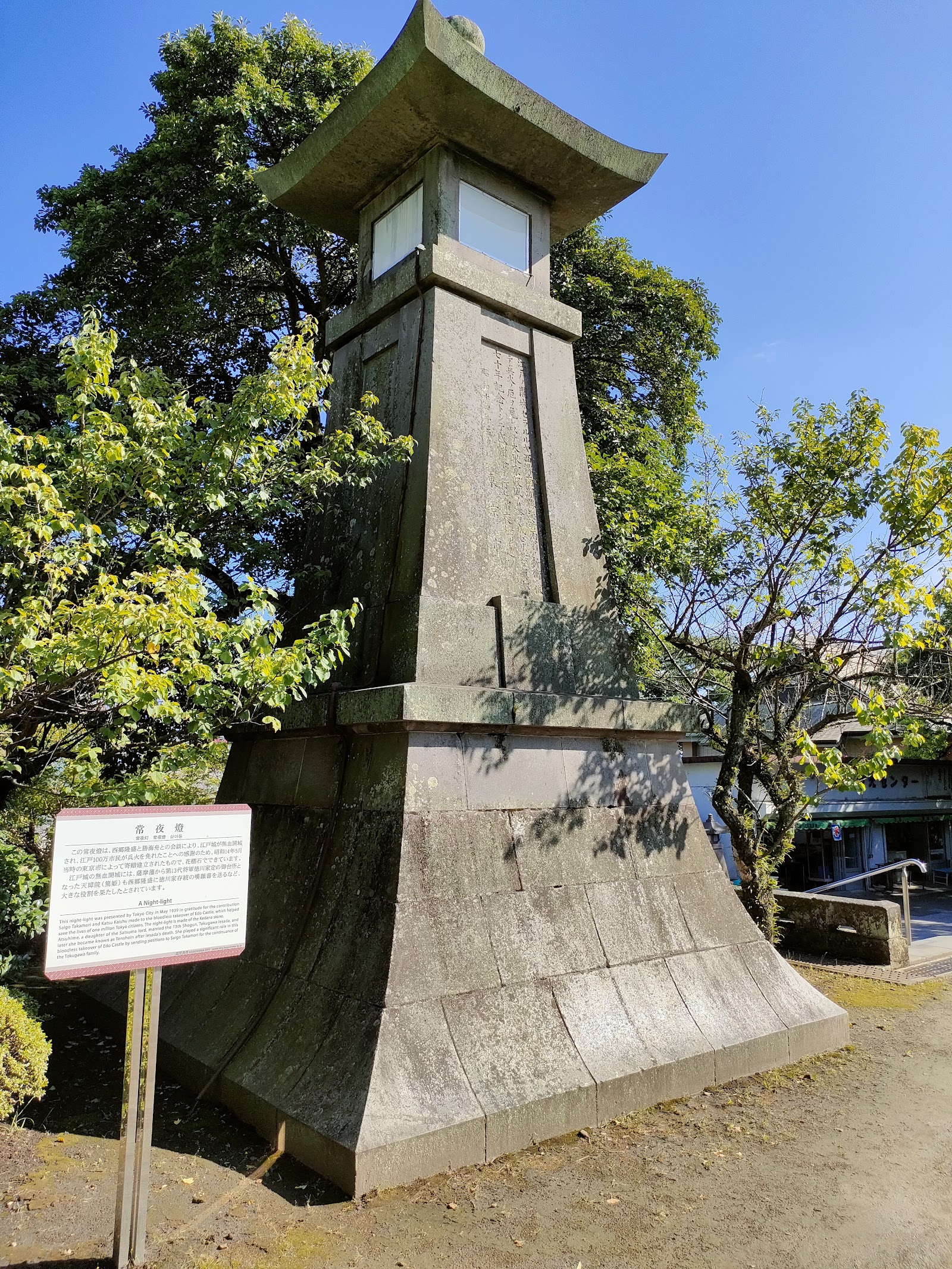
The resting place of Saigo Takamori and over 2,000 samurai who died in the Satsuma Rebellion.
On a quiet hillside north of central Kagoshima lies Nanshu Cemetery, the final resting place of Saigo Takamori and more than two thousand of the samurai who fought and died alongside him in the Satsuma Rebellion of 1877. "Nanshu" was Saigo's poetic pen name, and the cemetery, the shrine beside it, and the surrounding park all carry it in his honor. For anyone drawn to the drama of Japan's transition from feudal to modern nation, this is hallowed ground.
The rows of matching gravestones stretch across the slope in solemn order. At the center stands Saigo's own grave, larger than the rest, often marked with fresh flowers and incense left by visitors who still revere him nearly 150 years after his death. Around him lie his officers and foot soldiers, many of them teenagers, their names and ages recorded on the stones — a sobering reminder of how many young men followed him into a hopeless cause. The graves were gathered here in the years after the rebellion, as the fallen were reburied together and Saigo was rehabilitated from rebel to national hero.
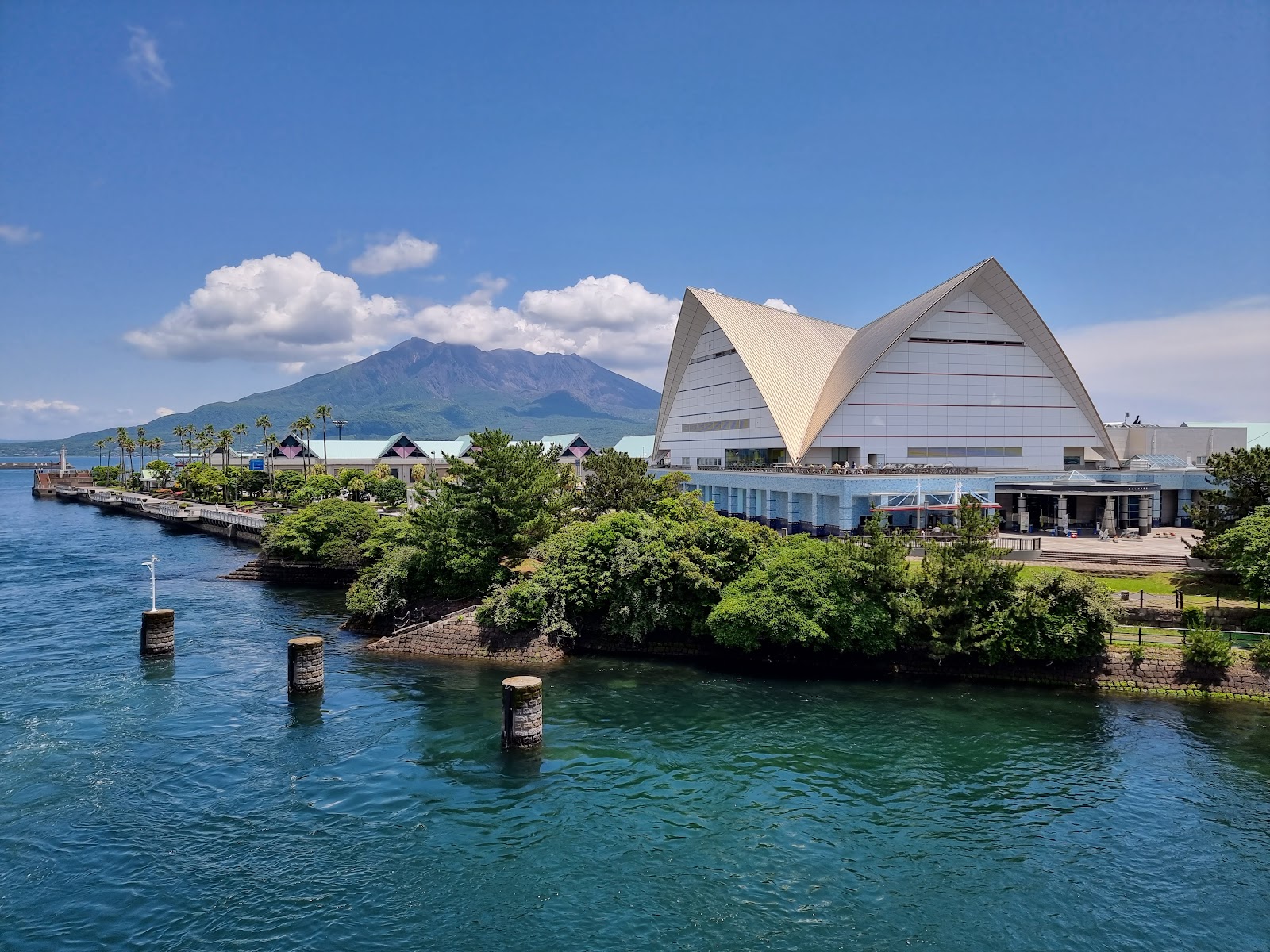
The rebellion itself was the last armed resistance of the samurai class against the Meiji government that Saigo had helped bring to power. Disillusioned by reforms that stripped samurai of their status, stipends, and right to bear swords, the warriors of Satsuma rose in early 1877 and were slowly ground down over months of brutal fighting across Kyushu, ending at Shiroyama, the hill that rises just beyond the cemetery. Standing among the graves, you can look up toward that hill and down toward the bay where Sakurajima smokes on the horizon — the whole geography of the tragedy laid out around you.
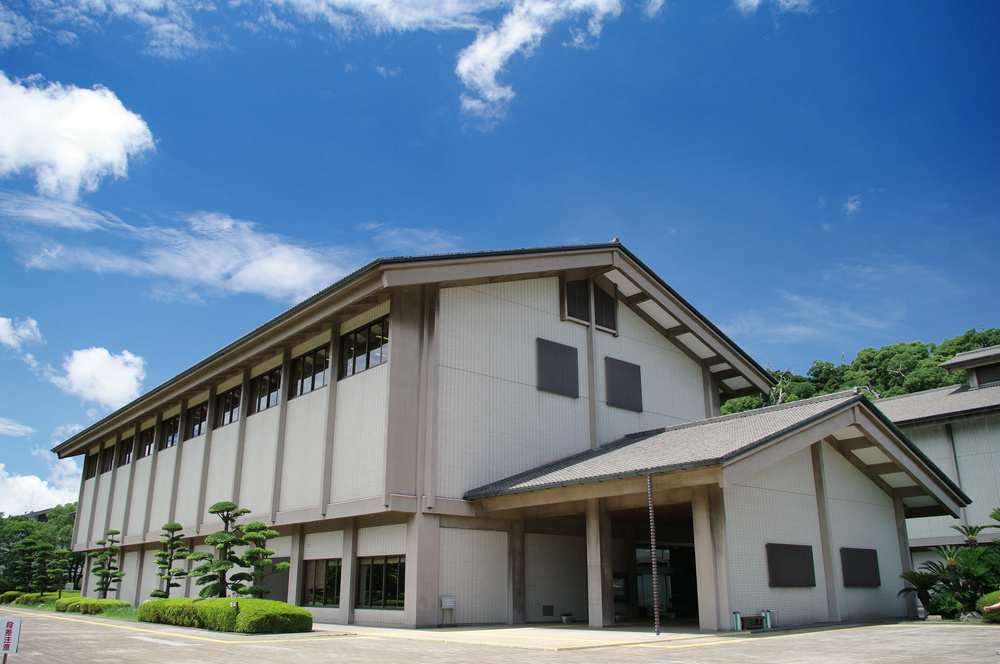
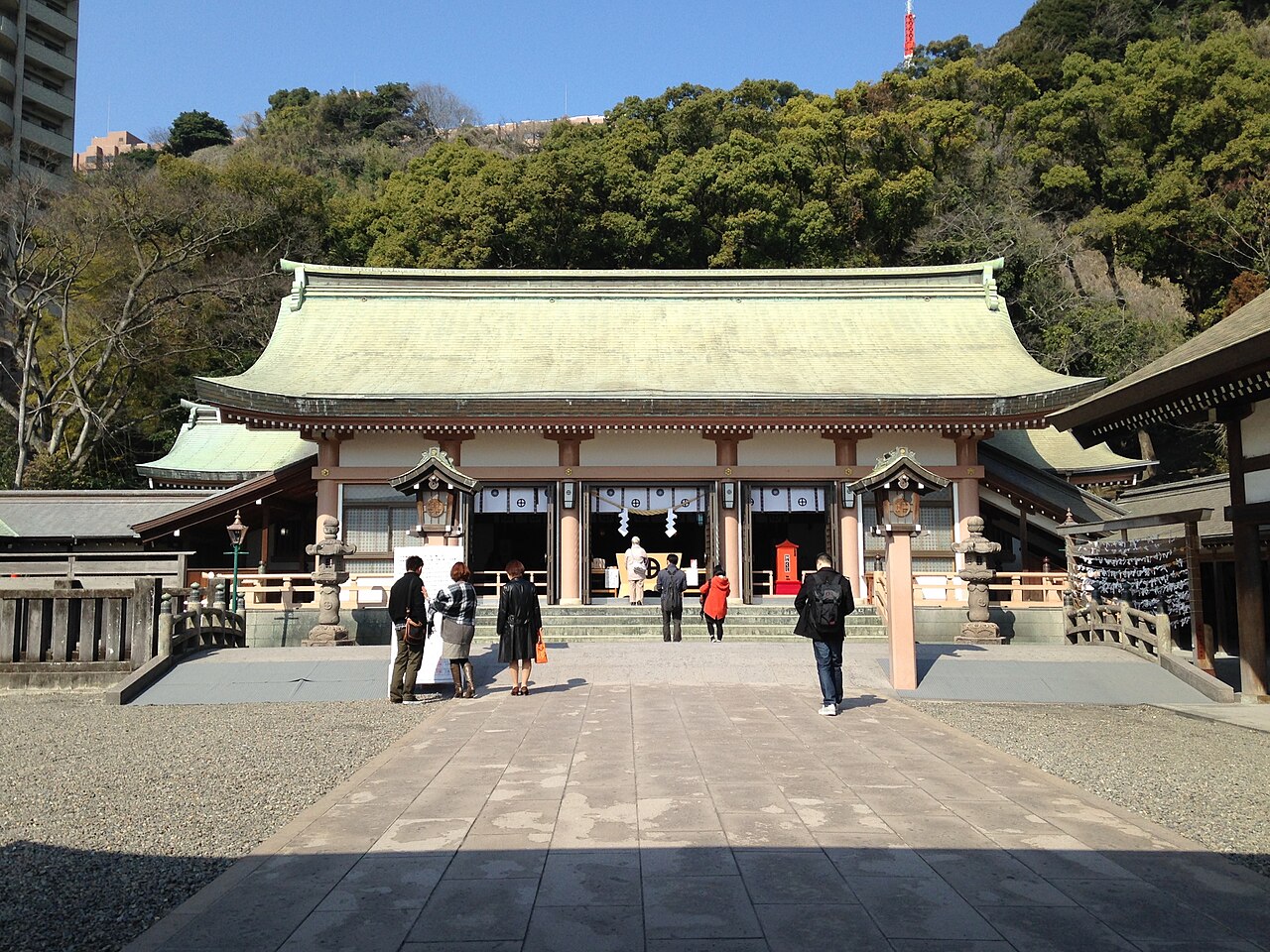
Beside the cemetery sits Nanshu Shrine, dedicated to Saigo and his men, and a small memorial hall that explains the events and displays related artifacts and portraits. Together they turn a visit into a coherent lesson in how Japan remembers this painful, formative episode — not with shame, but with a complicated reverence for the loyalty and idealism of those who lost.
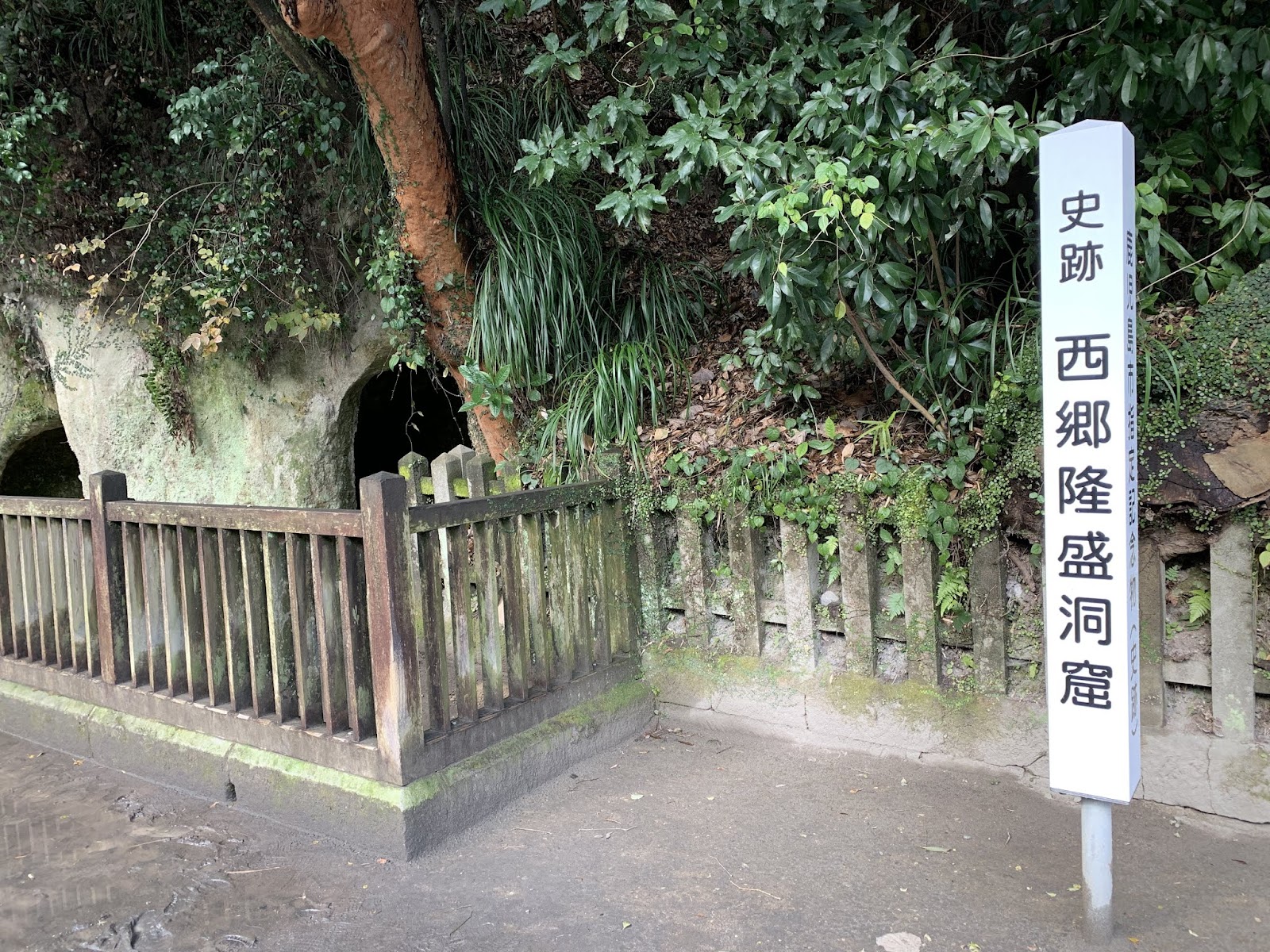
The cemetery is peaceful and unhurried, planted with cherry trees that soften the hillside in spring. It is free to enter and never crowded, drawing mostly Japanese visitors paying quiet respects. Give yourself half an hour to walk the rows, read a few of the ages on the stones, and take in the view. Combined with the Cave of Saigo Takamori and the bullet-scarred castle walls, it completes the story of Satsuma's last stand. Reach it by city bus toward the Nanshu-koen area, followed by a short uphill walk.
A local's tip
The adjacent Nanshu Shrine and the small memorial museum give context; from the hillside there is a fine view over the bay to Sakurajima.
Best time to visit
Morning
Getting there
North of the city center below Shiroyama; reach it by city bus to the Jissoin-mae or Nanshu-koen area, then a short walk uphill.
Good to know
- Shrine
- Parking
- Restrooms
Plan the whole trip offline
Nanshu Cemetery is one of many places in the Real Japan app — with turn-by-turn directions, nearby spots and full offline maps you can use with no signal.