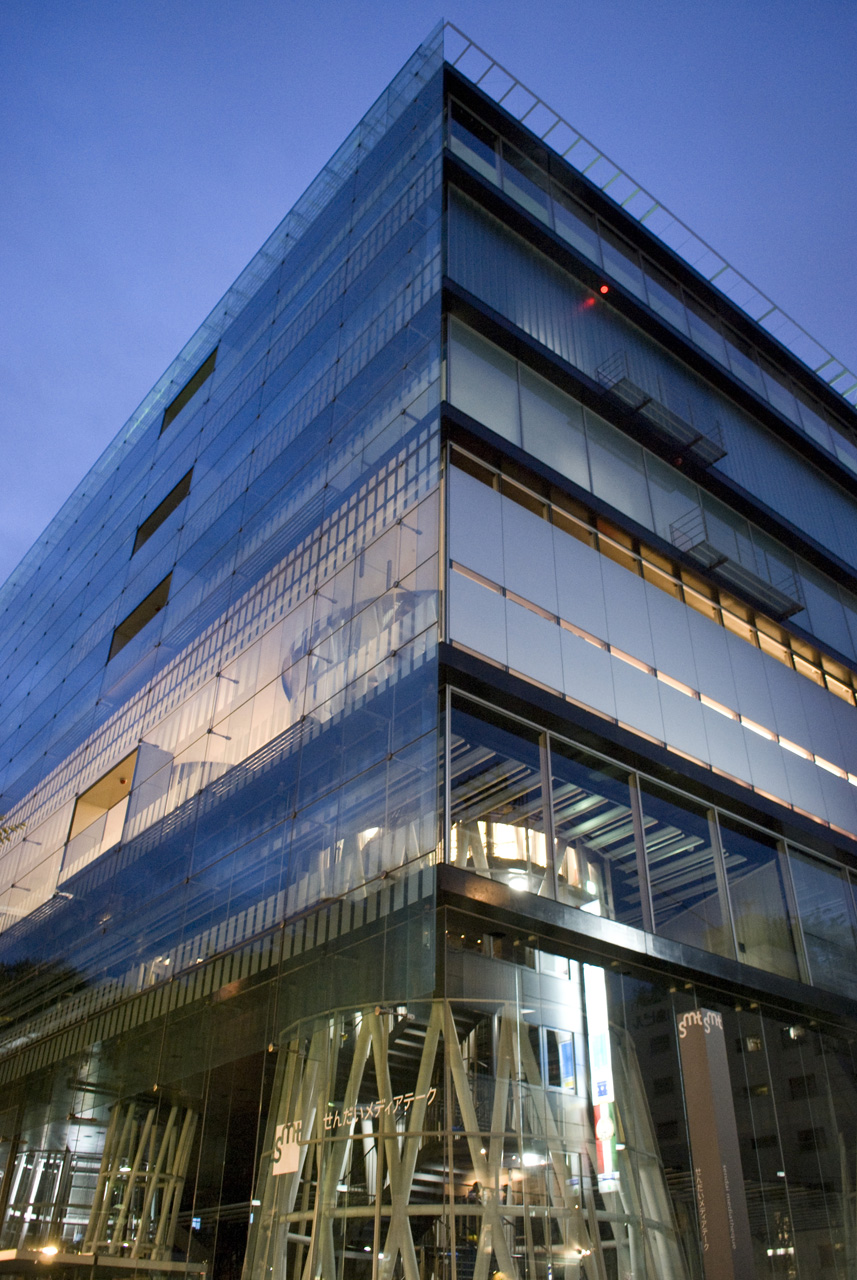
Toyo Ito's landmark glass-and-steel cultural centre, a masterpiece of modern Japanese architecture.
The Sendai Mediatheque is one of the most celebrated works of modern Japanese architecture and a vibrant cultural hub in the heart of the city, standing on the leafy Jozenji-dori avenue. Designed by the Pritzker Prize-winning architect Toyo Ito and completed in 2001, this luminous glass building houses a library, galleries, a cinema and event spaces, and is a place of pilgrimage for anyone interested in architecture and contemporary design, while also serving as a genuinely useful and welcoming public facility.
What makes the Mediatheque extraordinary is its radical structure. Rather than conventional walls and columns, Ito supported the building on thirteen distinctive lattice 'tubes' of steel, hollow, seaweed-like columns that twist gently upward through the floors and carry light, air, elevators and cables. Wrapped in a transparent glass skin, the building appears almost to dissolve, and inside the tubes filter daylight and frame views, creating flexible, open floor plates unencumbered by ordinary structure. The design was groundbreaking, blurring the line between architecture and landscape and influencing buildings around the world, and it remains a benchmark of early twenty-first-century design.
The Mediatheque famously demonstrated its resilience during the great earthquake of March 2011, when it suffered damage but its innovative structure performed remarkably; footage from inside the building during the quake became widely known, and its subsequent repair and reopening turned it into a symbol of Sendai's recovery and of thoughtful engineering. This story adds a moving dimension to a visit.
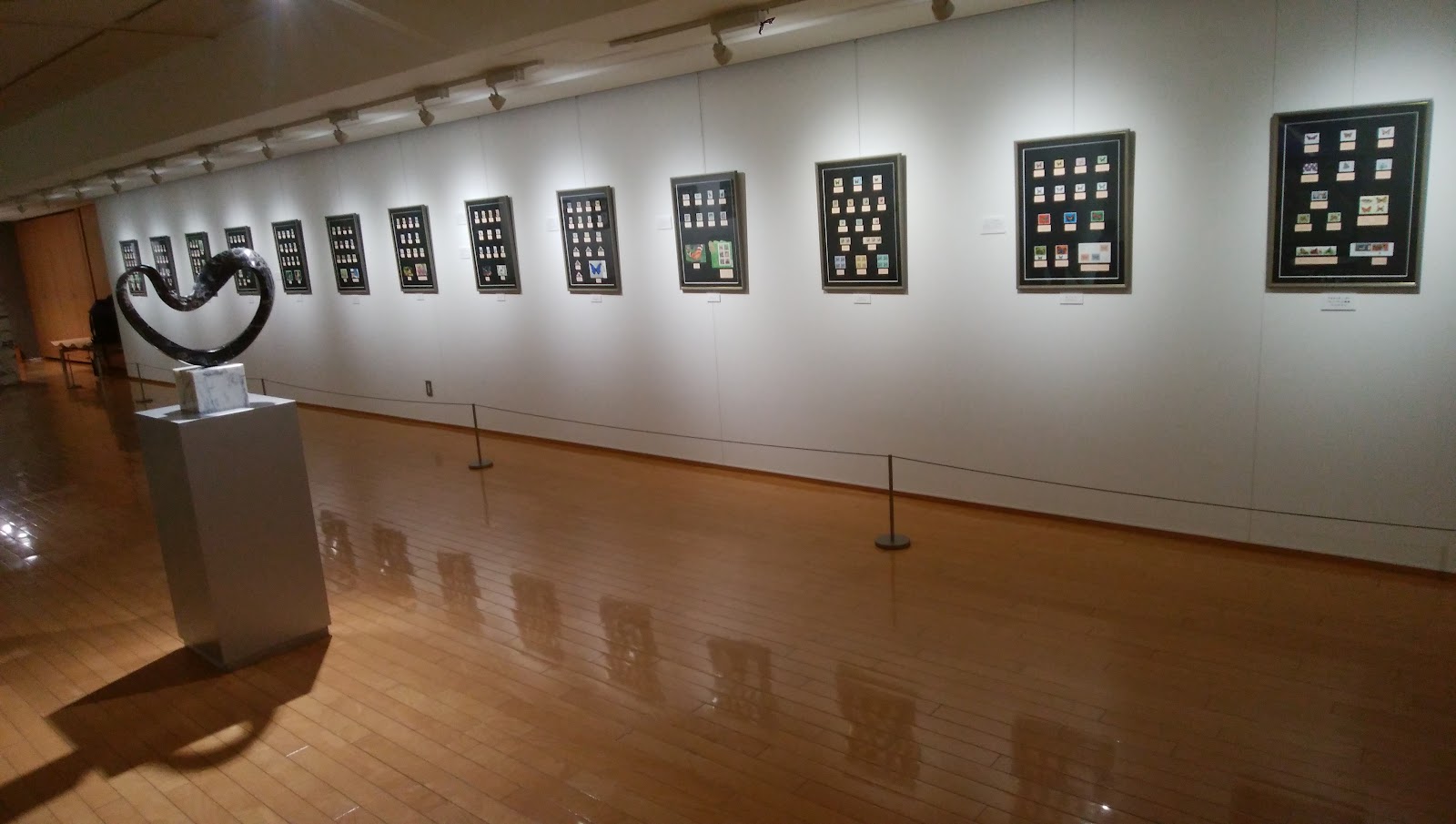
Inside, the building lives up to its role as a cultural centre. It contains a well-used public library, galleries hosting rotating exhibitions of contemporary art, design and photography, a small cinema screening independent and classic films, studios and workshop spaces, and a cafe. Much of the building is free to enter and explore, with only certain exhibitions and events ticketed, so visitors can simply walk in, ride the glass-walled elevators, admire the structure and browse whatever is on show. The transparent facade means the building glows from within at night, a striking presence on the avenue.
The visit is easy, comfortable and free. The building is fully accessible with elevators and level floors, and its cafe, restrooms and Wi-Fi make it a pleasant place to pause. An hour is enough to appreciate the architecture and take in an exhibition, though film buffs and design enthusiasts may linger longer. Because programming changes constantly, it is worth checking the current schedule.
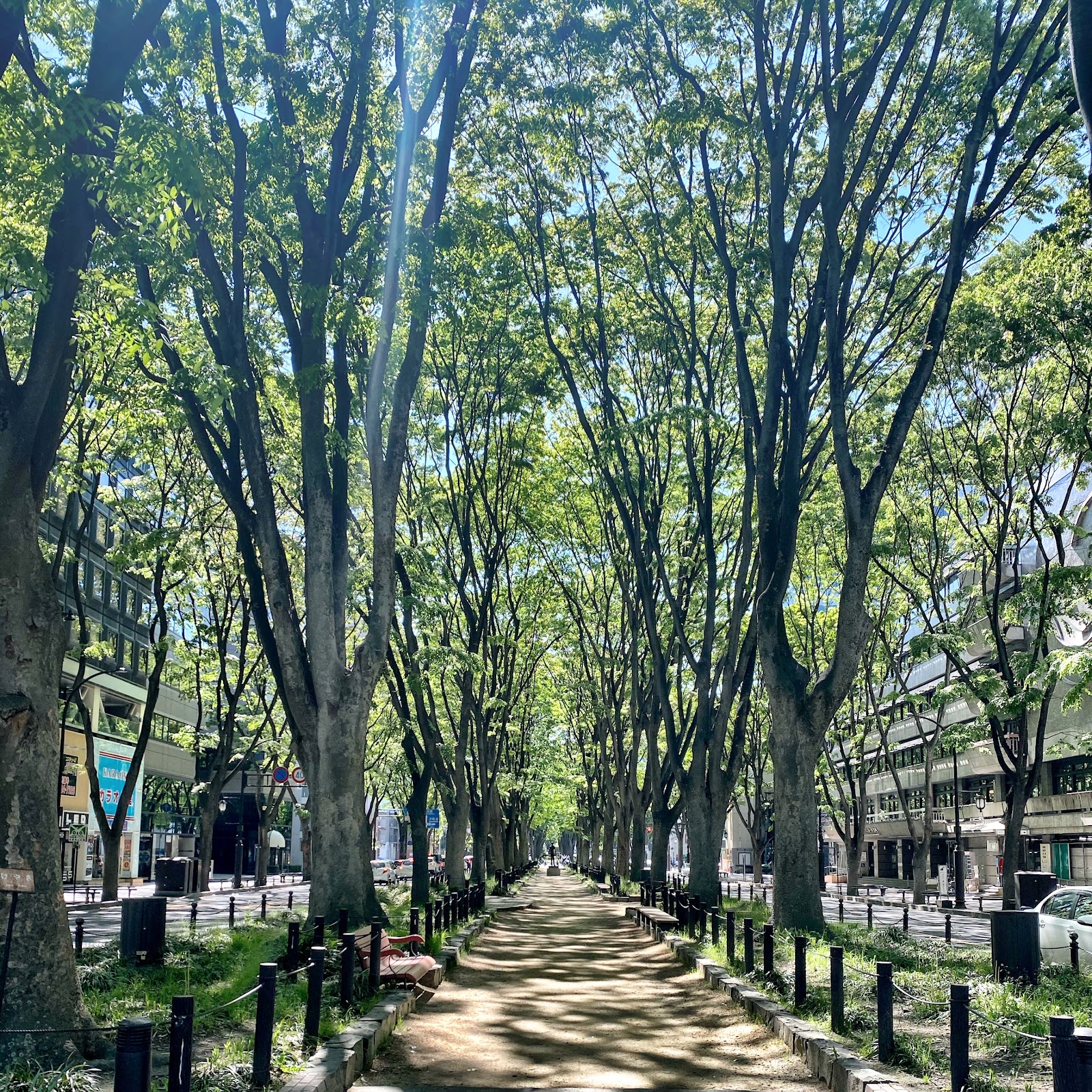
Getting here is simple: the Mediatheque sits on Jozenji-dori, a few minutes' walk from Kotodai-koen Station on the Namboku subway line and an easy stroll from central Sendai. It combines naturally with a walk along the tree-lined avenue and the downtown area. As a masterpiece of modern architecture, a lively cultural venue and a symbol of the city's resilience, the Sendai Mediatheque offers a refreshing contemporary counterpoint to the samurai history that dominates the rest of the city, and even a brief look inside is worthwhile.
A local's tip
Even without an exhibition on, step inside to see Toyo Ito's famous 'tubes' — the swaying lattice columns of steel that thread light through the glass building are an architecture-lover's pilgrimage.
Best time to visit
Daytime; check the exhibition and event schedule
Getting there
Take the Namboku subway line to Kotodai-koen Station and walk a few minutes along Jozenji-dori; the glass building stands prominently on the tree-lined avenue.
Good to know
- Cafe
- Wi-Fi
- Library
- Elevator
- Restrooms
Plan the whole trip offline
Sendai Mediatheque is one of many places in the Real Japan app — with turn-by-turn directions, nearby spots and full offline maps you can use with no signal.