The holiest sacred grove of the Ryukyu religion, a UNESCO-listed forest sanctuary of rock formations facing a sacred island.
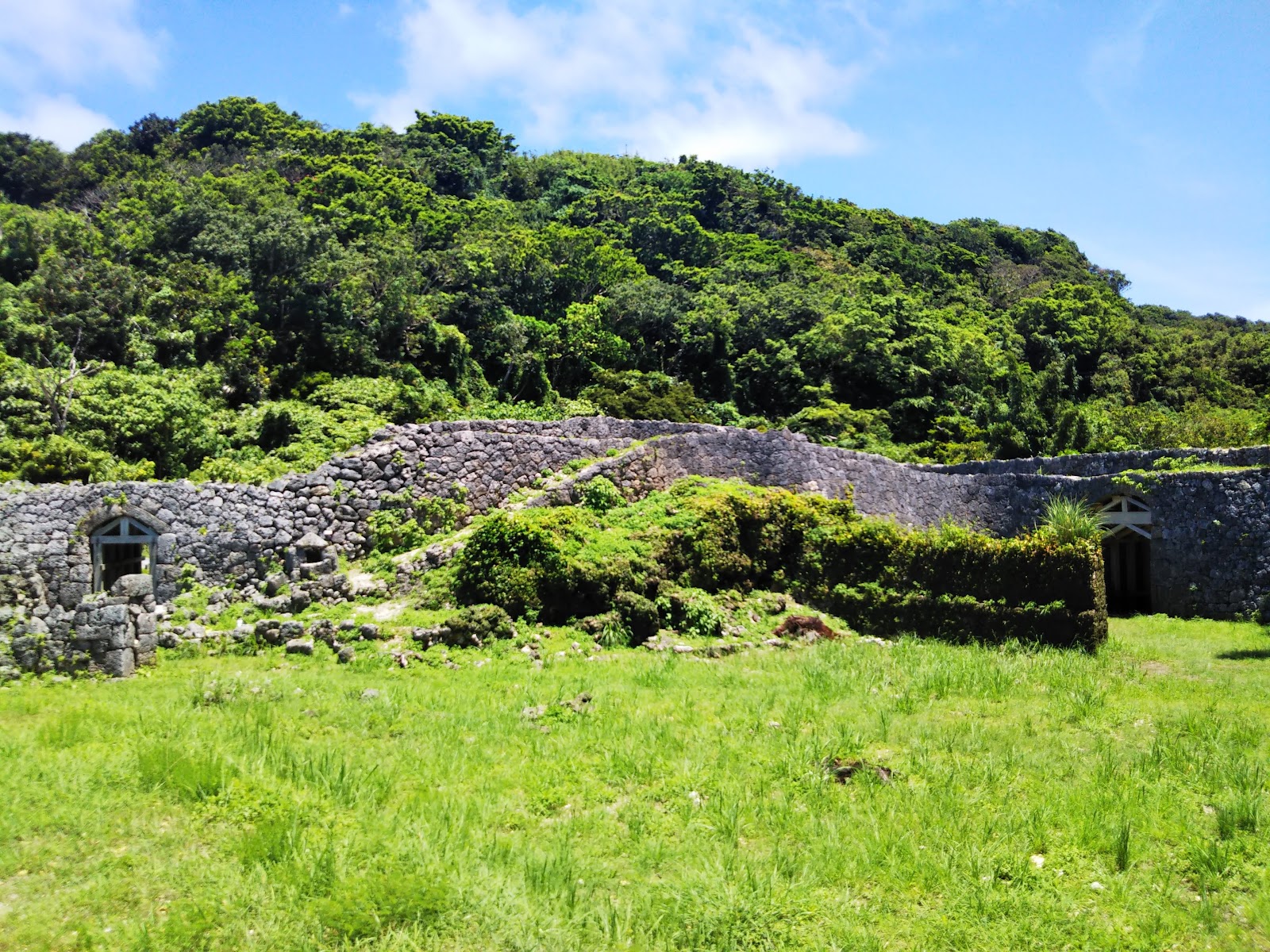
Sefa-utaki is the most sacred site in the indigenous religion of the Ryukyu Islands and one of Okinawa's most spiritually charged places. Hidden within a lush coastal forest southeast of Naha, it is not a built temple but a natural sanctuary, a collection of towering rock formations, caves and clearings where for centuries the highest priestesses of the Ryukyu Kingdom performed the rites at the heart of the islands' native faith. As part of the Ryukyuan royal and religious heritage, it is inscribed on the UNESCO World Heritage List.
In the Ryukyuan belief system, spiritual authority was held by women, and the supreme priestess, the kikoe-ogimi, was traditionally a royal sister or close female relative of the king. Sefa-utaki was where she was consecrated and where the kingdom's most important prayers for prosperity, good harvests and safe passage were offered. Men, including the king, were largely barred from the innermost areas, and the site remains deeply revered by Okinawans today. Visitors are asked to treat it with respect, keeping to the paths and quiet, as it is a living place of worship, not merely a monument.
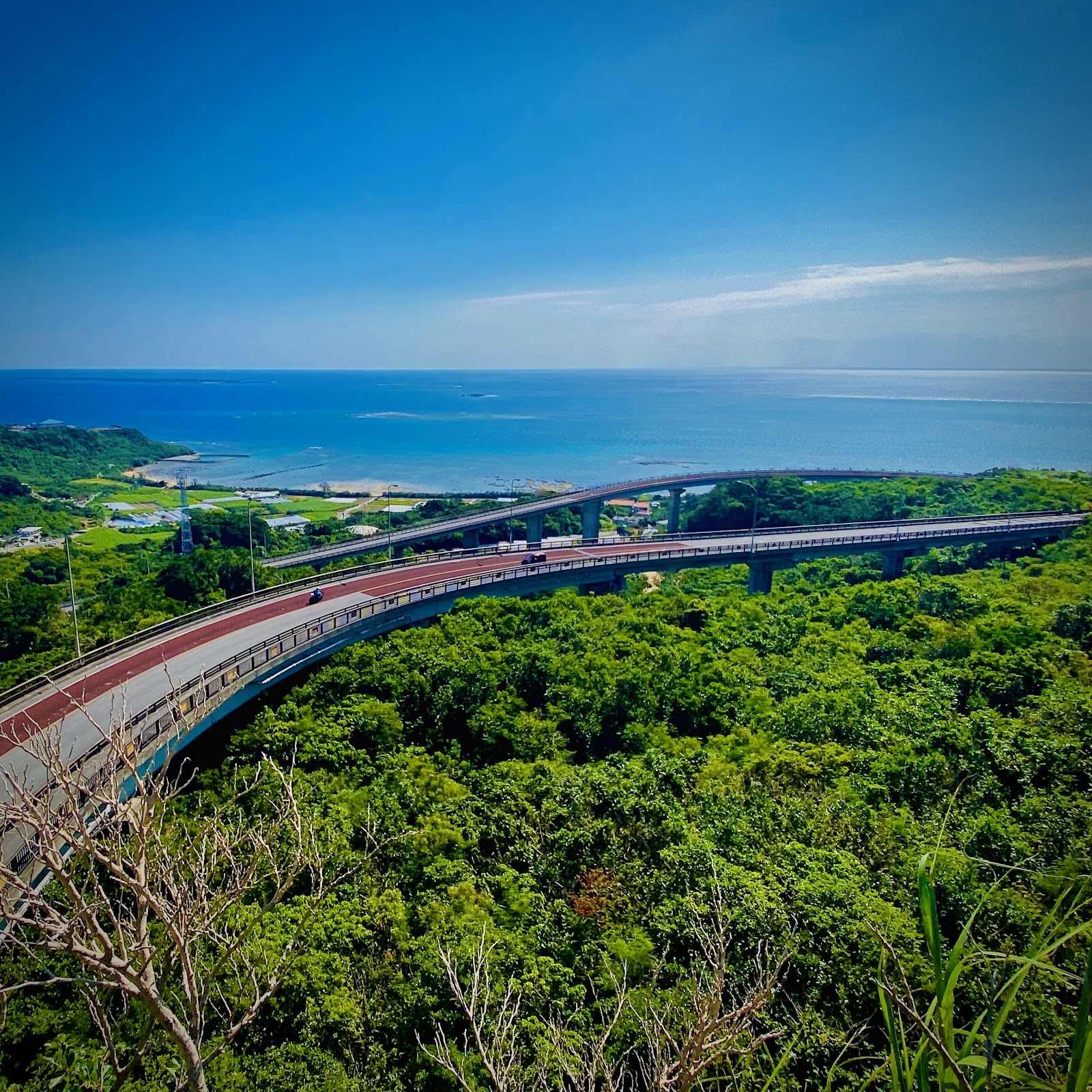
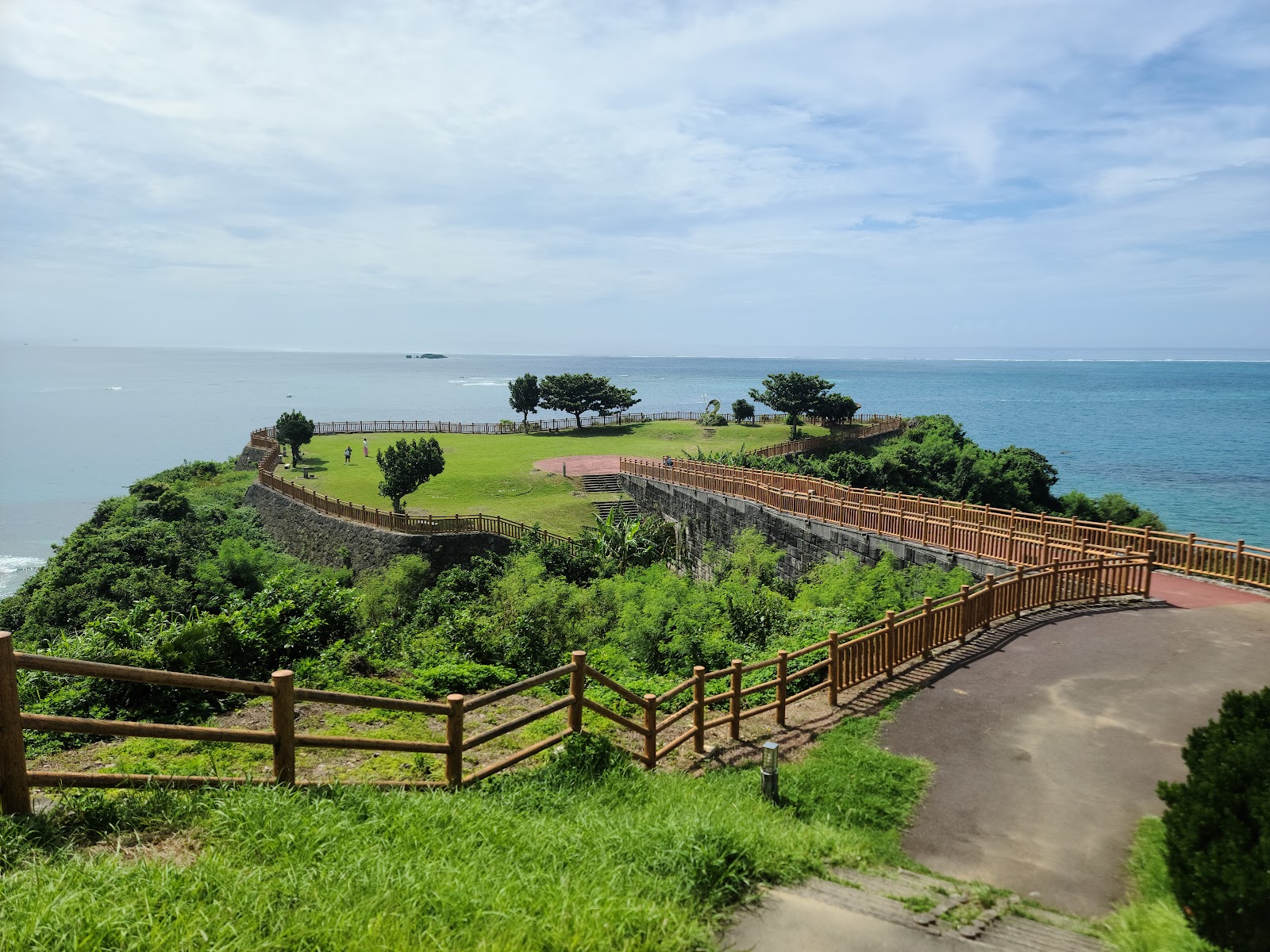
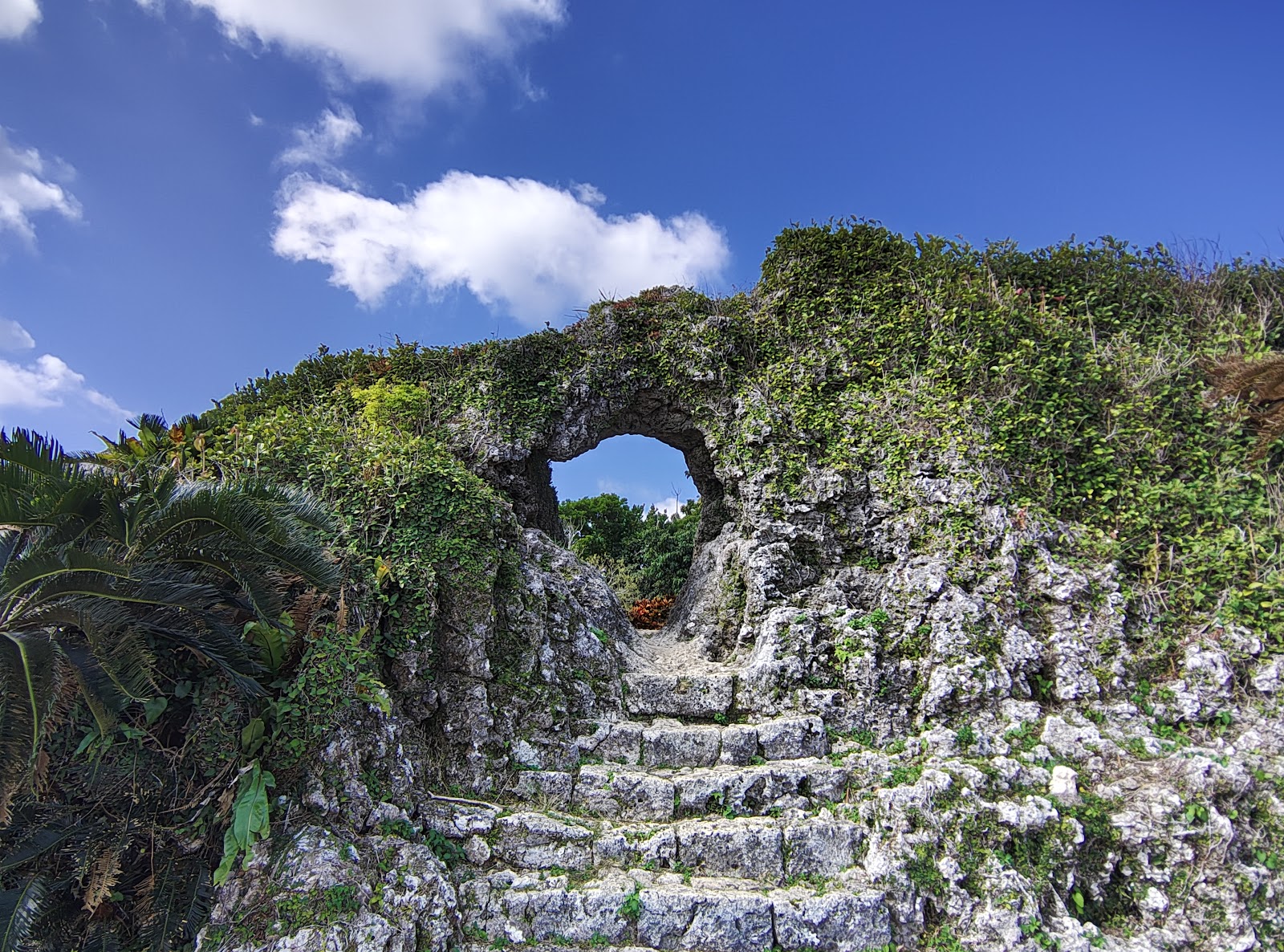
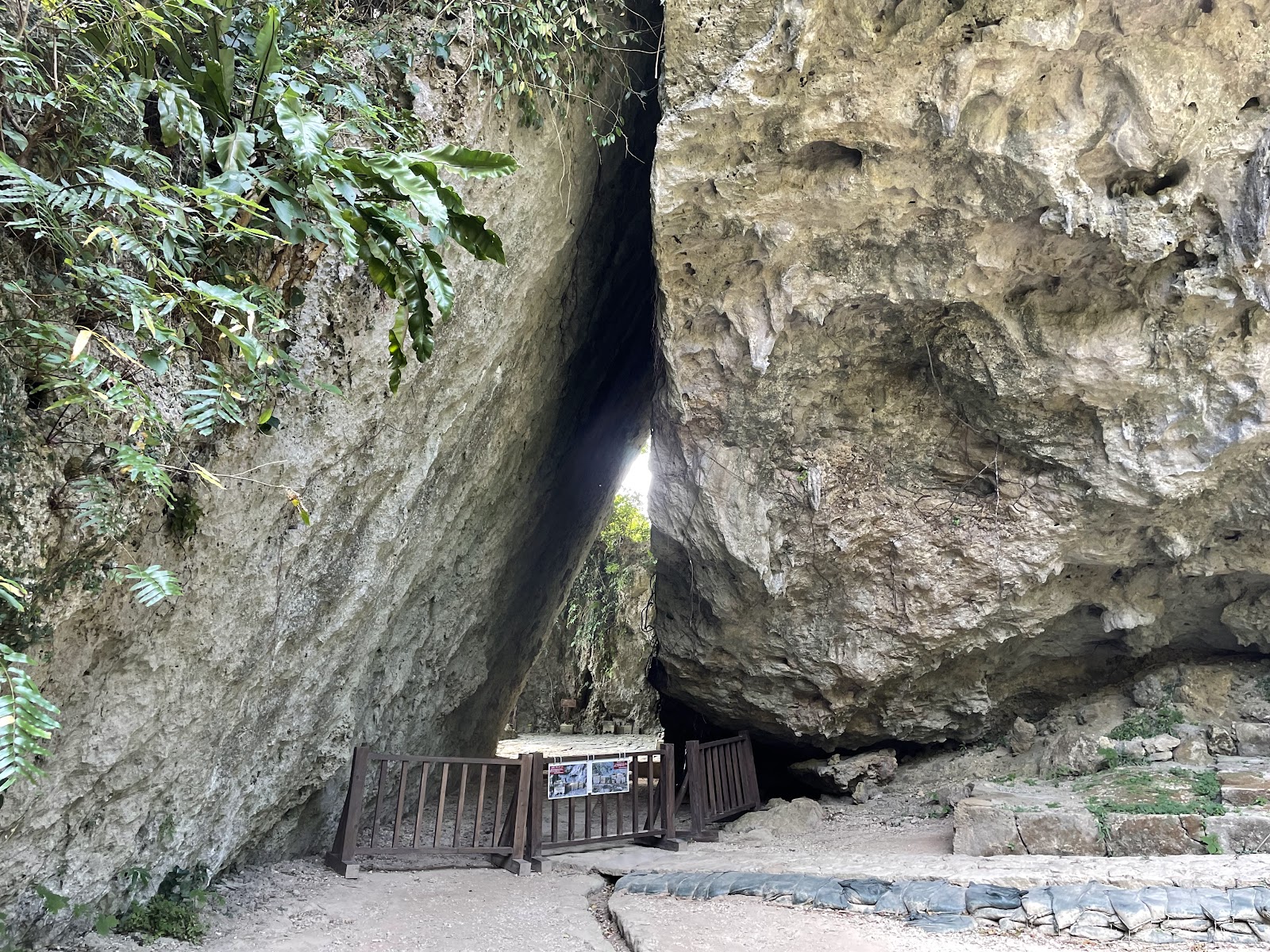
The walk through Sefa-utaki leads past several sacred spots among the trees and stones. The most famous is the Sangui, a natural triangular tunnel formed where two enormous slabs of rock lean together, creating a dramatic cleft. Passing through it, the path opens toward a view of Kudaka Island on the horizon, the island revered in Ryukyuan mythology as the place where the gods first descended and creation began. This alignment between the sacred grove and the sacred island lies at the spiritual core of the site, and standing in the rock cleft with Kudaka framed beyond is a quietly powerful moment.
The experience is contemplative and immersive, set amid dense subtropical forest alive with birdsong and the drip of moisture on stone. The paths are uneven, with steps, roots and stones that can be slippery when wet, so sturdy footwear is advisable and the site is best explored in dry weather; this also means accessibility is limited. Tickets are purchased at a nearby visitor hall, which provides context on the meaning and rules of the site, and from there it is a short walk to the entrance. Most visitors spend around an hour walking the circuit.
A notable point is how Sefa-utaki reveals a religious tradition quite distinct from mainland Japanese Shinto and Buddhism. The Ryukyu faith centred on female spiritual leaders, ancestor veneration and the worship of nature, and Sefa-utaki is its holiest expression, offering a rare window into a belief system that flourished in these islands for centuries and still echoes in Okinawan life. Because it periodically closes for rituals and to protect the environment, it is worth checking access before a long journey.
The best time to visit is a dry morning, when the stone paths are safest and the forest is fresh. Reach it by car in about forty-five minutes from Naha, or by local bus toward Nanjo followed by a short walk. Approached with respect and a little curiosity, Sefa-utaki offers one of the most profound and memorable encounters with Okinawa's ancient spiritual heart.
A local's tip
Look for the natural triangular rock cleft, the Sangui, whose gap perfectly frames the sacred island of Kudaka on the horizon, the spiritual purpose behind the site's layout.
Best time to visit
Morning on a dry day, before the stone paths become slippery in rain
Getting there
By car about forty-five minutes southeast of Naha, or by local bus toward Nanjo and a short walk; tickets are bought at a nearby visitor hall.
Good to know
- Parking
- Restrooms
- Visitor centre
Plan the whole trip offline
Sefa-utaki is one of many places in the Real Japan app — with turn-by-turn directions, nearby spots and full offline maps you can use with no signal.