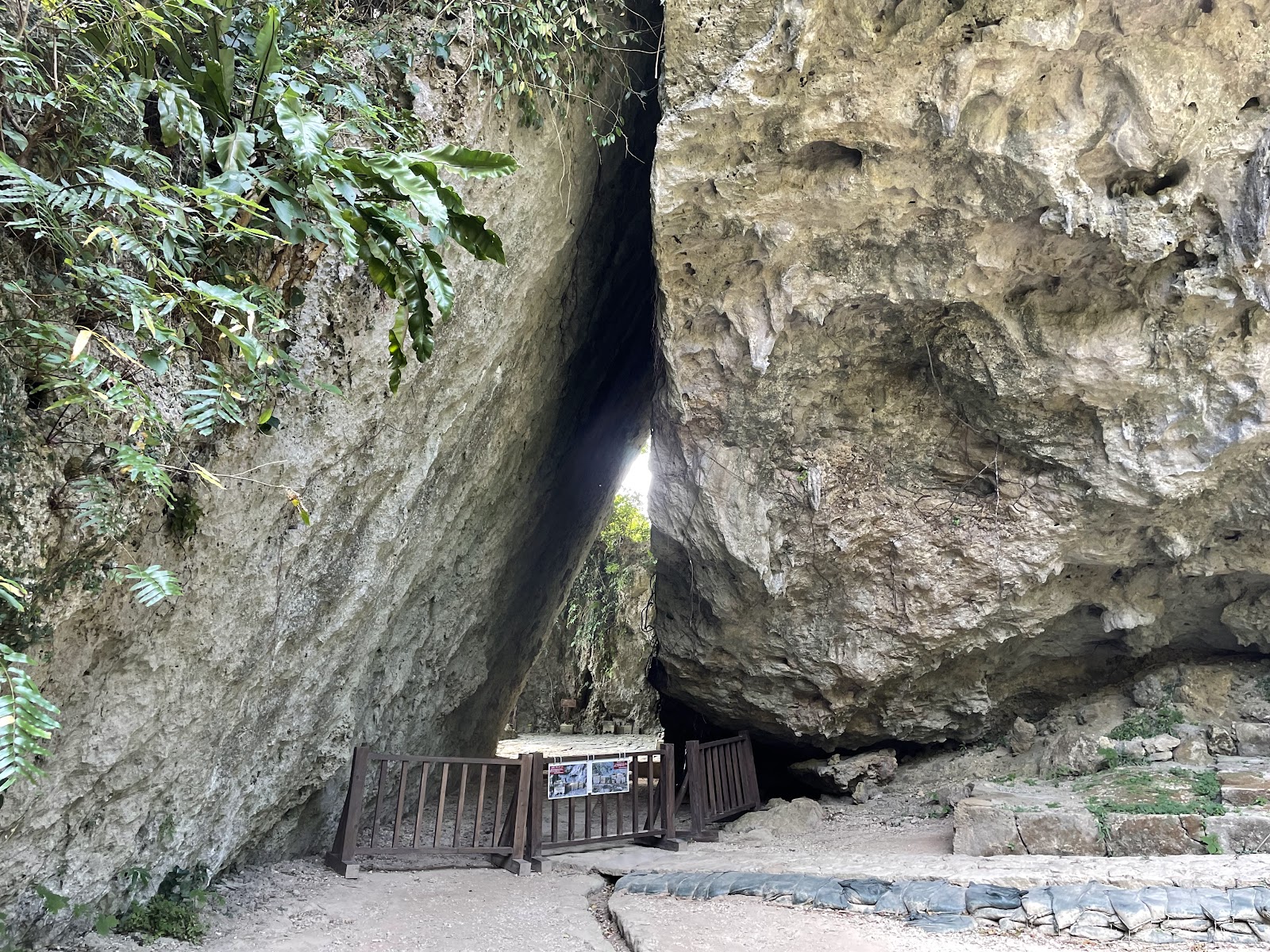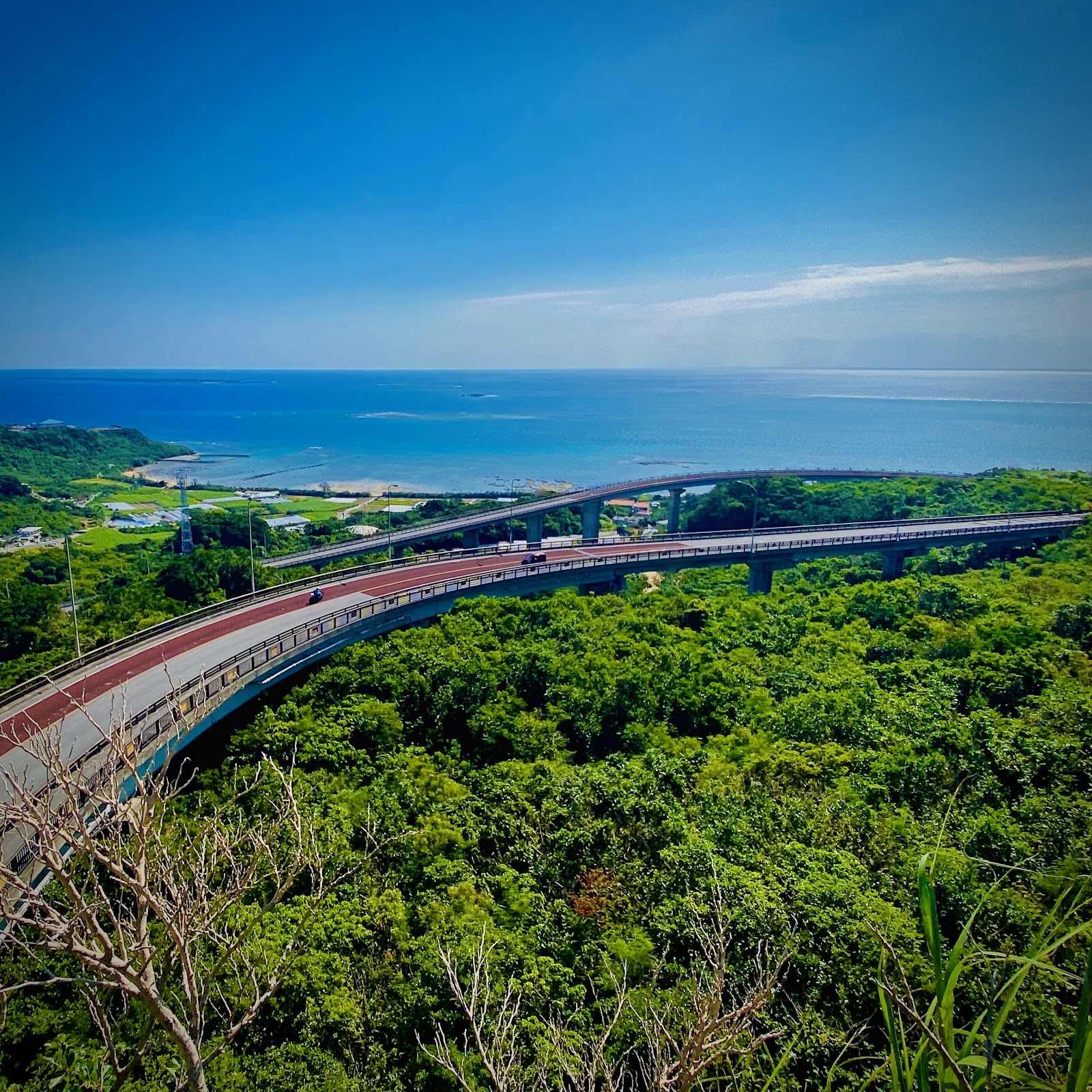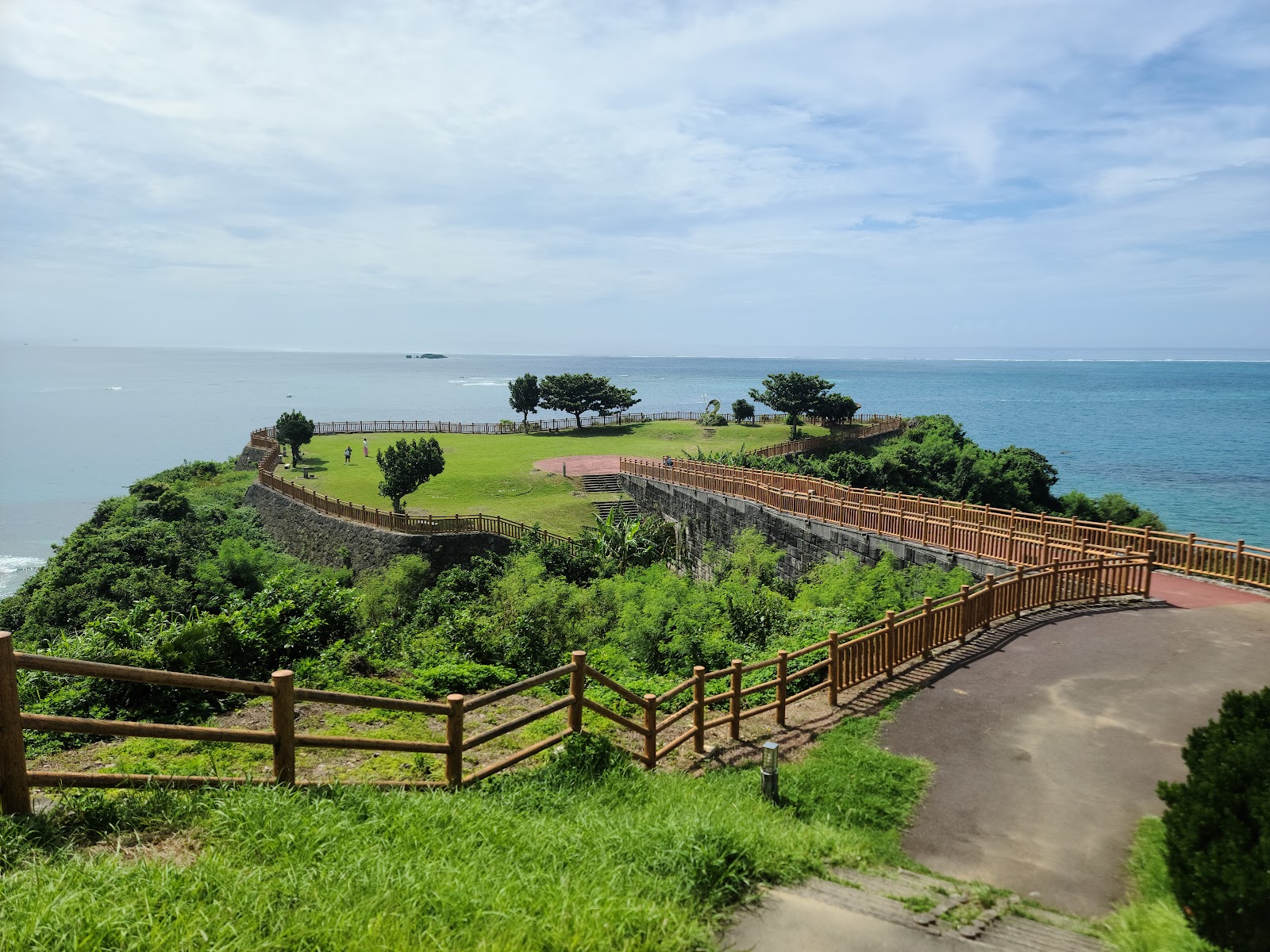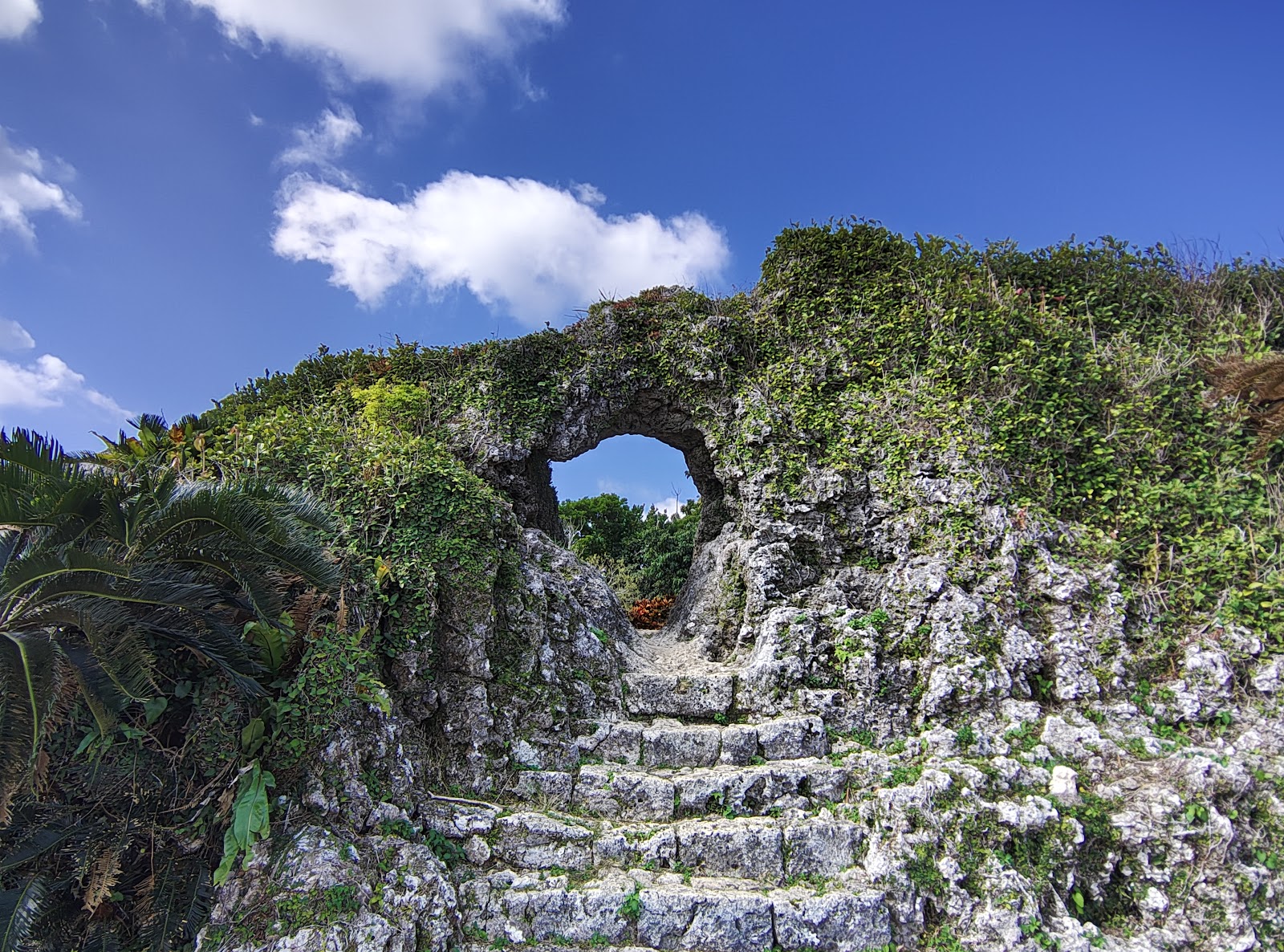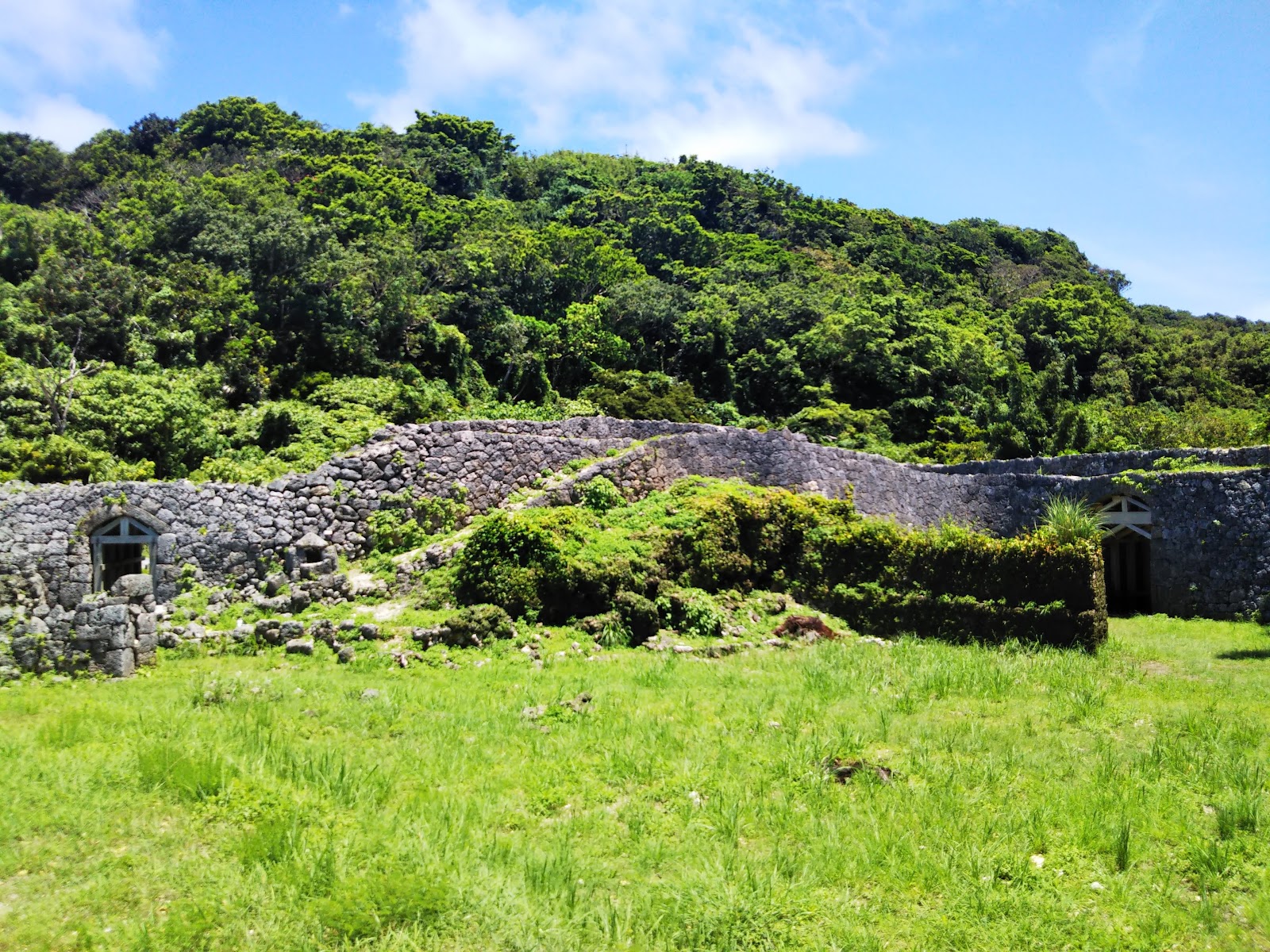
Hilltop castle ruins on Okinawa's sacred south-east coast, with views to the holy island of Kudaka.
The Chinen Castle Ruins crown a coastal hill on the sacred south-eastern edge of Okinawa, in an area steeped in the origin myths of the Ryukyu people. Combining the remains of a medieval gusuku with a location of profound religious meaning, Chinen offers a quieter, more contemplative castle experience than the busy sites nearer Naha, along with sweeping views over the East China Sea.
Chinen Gusuku was one of the many fortified strongholds built by regional lords, known as aji, during the Gusuku period when Okinawa was divided among competing chieftains before its unification into the Ryukyu Kingdom. The castle consists of two enclosures, an older section built of natural, roughly stacked stone and a newer section using more refined masonry, illustrating the development of Ryukyuan castle-building techniques over time. Today its curving walls, gateways and terraces survive as evocative ruins wrapped in subtropical vegetation.
What sets Chinen apart is its spiritual setting. This corner of Okinawa is regarded as the cradle of Ryukyuan creation mythology, the place where the gods were said to have first descended and where agriculture and life on the islands began. From the castle's heights, visitors look out toward Kudaka Island, the small offshore isle revered as the holiest place in the Ryukyu religion and the destination of important royal pilgrimages. This sightline was no accident; the site's position linked the earthly power of the local lord to the sacred geography of the region.
Because of this, Chinen is closely associated with the nearby Sefa-utaki, the most important sacred grove in all of Okinawa and itself a UNESCO World Heritage site, where the kingdom's high priestesses conducted the most solemn ceremonies. Visiting the castle and Sefa-utaki together, along with the coastal shrines of the area, gives a rich sense of how power, faith and myth intertwined in southern Okinawa.
The ruins are free to enter and set in a peaceful, rural landscape far removed from the resorts and city bustle. Reaching the hilltop involves a short uphill walk and some uneven ground, so sturdy shoes help, and the exposed position means sun protection is wise. Allow around 45 minutes to explore the walls and enclosures and to take in the panorama, which on clear days stretches across the water to Kudaka and the scattered islets of the coast.
For travellers touring the historic and spiritual south of the island, the Chinen Castle Ruins reward the effort of getting there with a genuine sense of discovery. Standing on the old walls, with the sacred island shimmering offshore and the wind coming in from the sea, it is easy to feel why the Ryukyu people believed this beautiful coast to be the birthplace of their world.
A local's tip
From the ruined walls you can see Kudaka Island, the sacred 'island of the gods'; the location was chosen partly for this spiritual sightline, not just for defence.
Best time to visit
Clear mornings for sea views toward Kudaka Island
Getting there
Chinen sits on the south-eastern coast of Okinawa in Nanjo City. A car is by far the easiest way, around 40 minutes from Naha; by public transport, take a bus toward Nanjo or Chinen and walk up to the hilltop ruins. Combine it with nearby Sefa-utaki.
Good to know
- Parking
- Restrooms
Plan the whole trip offline
Chinen Castle Ruins is one of many places in the Real Japan app — with turn-by-turn directions, nearby spots and full offline maps you can use with no signal.