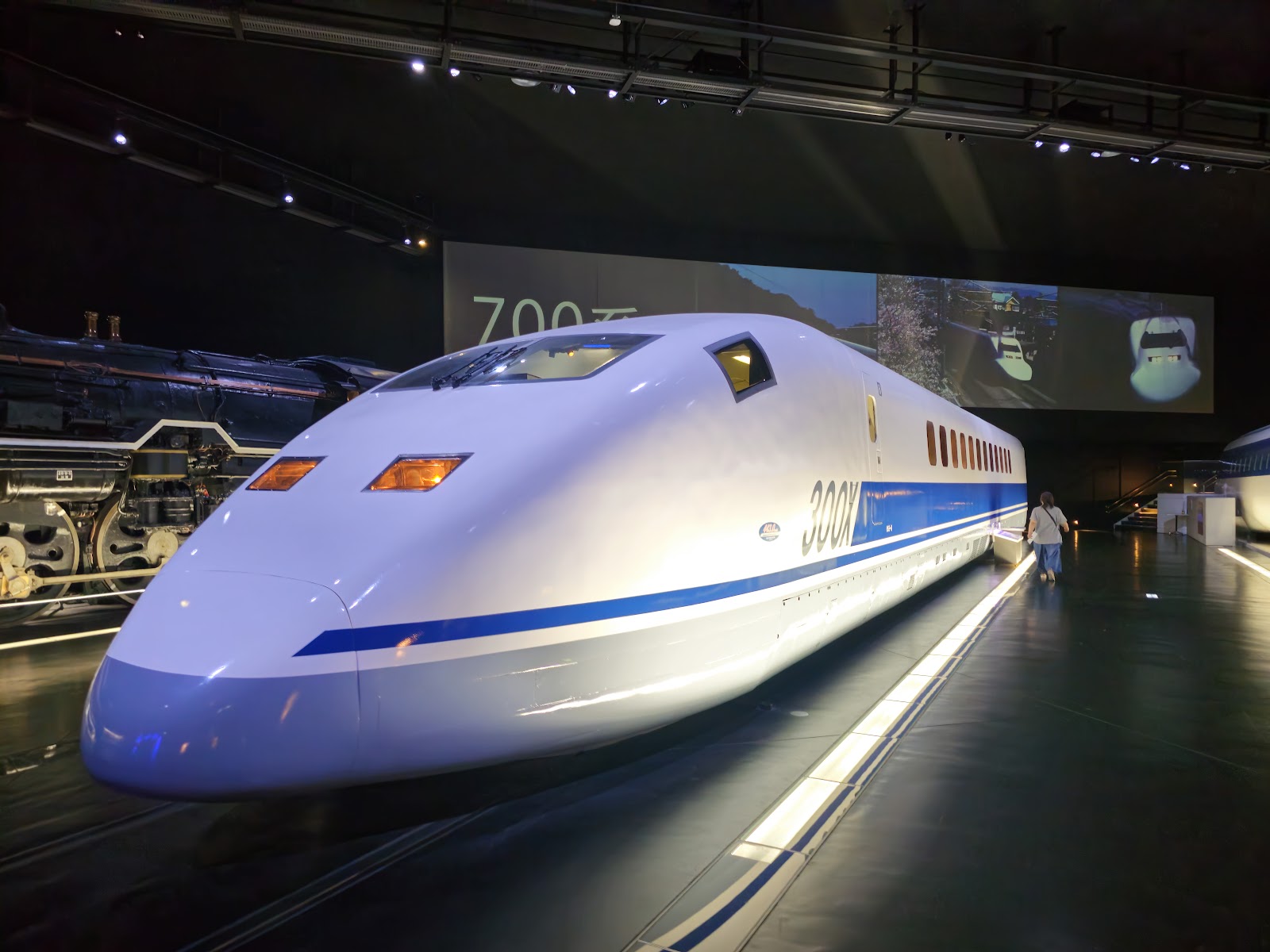
JR Central's railway museum on the Nagoya waterfront, showcasing record-breaking maglev and bullet trains.
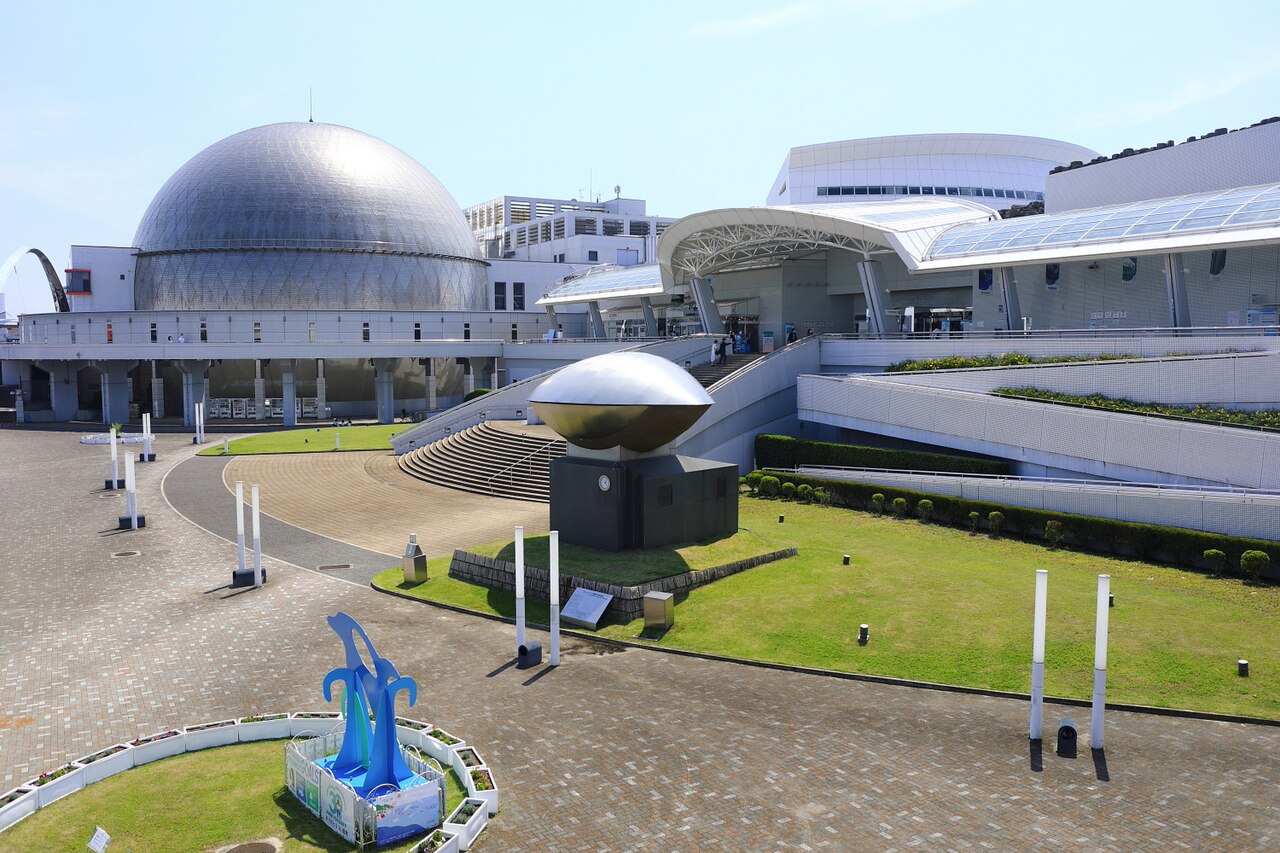
The SCMaglev and Railway Park, known in Japanese as the Linear Tetsudokan, is the railway museum of the Central Japan Railway Company, and it is a paradise for anyone with even a passing love of trains. Opened in 2011 on the reclaimed waterfront at the edge of Nagoya port, it tells the story of high-speed rail in Japan through an unrivalled collection of real rolling stock, from early steam locomotives to the superconducting maglev trains that represent the future of the network.
The museum's emotional centrepiece greets you the moment you enter: three record-holding vehicles displayed side by side. There is a C62 steam locomotive that once set a national speed record, a 955 series experimental Shinkansen nicknamed the 300X, and the MLX01-1 maglev car that in 2003 reached 581 kilometres per hour, at the time the fastest speed ever recorded by a manned rail vehicle. Standing between these three machines, each a champion of its era, is a genuinely stirring introduction to Japan's obsession with speed.
Beyond them stretches a vast hall filled with roughly forty preserved trains, including a beautiful lineup of Tokaido Shinkansen bullet trains spanning the decades since the line opened in 1964. Visitors can climb aboard many of the carriages, sit in the seats, and inspect the drivers' cabs, appreciating how design and comfort evolved. Displays explain the engineering behind the Shinkansen's safety and punctuality, and a section devoted to the Chuo Shinkansen maglev project under construction reveals how trains will soon float between Tokyo and Nagoya at over 500 kilometres per hour.
The interactive elements make the museum especially memorable. A large, detailed model railway diorama depicts a full day on the Tokaido corridor from Tokyo to Osaka, complete with day-and-night lighting. Driving simulators let visitors take the controls of a Shinkansen or a conventional train, though the most popular are allocated by lottery, so entering early is wise. Children have dedicated play areas, and railway fans can lose themselves in the technical detail.
The visiting experience is comfortable and family-friendly, with English signage throughout, a cafe, and a shop selling railway souvenirs and the boxed station lunches, or ekiben, that are part of the joy of Japanese train travel. Two hours is a sensible minimum; enthusiasts happily stay longer. Because the museum closes on Tuesdays, plan accordingly.
Getting there is part of the fun. The driverless Aonami Line runs from Nagoya Station straight to its terminus at Kinjofuto, right beside the museum, in about twenty-five minutes across the industrial harbour landscape. The building is modern, level and fully accessible.
For families, for anyone who has thrilled to the sight of a Shinkansen gliding into a platform, or simply for travellers curious about the technology that reshaped Japanese life, the SCMaglev and Railway Park is one of Nagoya's most enjoyable and rewarding museums.
A local's tip
The N700 Shinkansen driving simulator is hugely popular and allocated by lottery on arrival, so enter your name as soon as you get in; do not miss the world-speed-record maglev car displayed alongside classic bullet trains.
Best time to visit
Weekday to book the driving simulators
Getting there
Take the Aonami Line from Nagoya Station to its terminus at Kinjofuto; the museum is a two-minute walk from the station on the reclaimed waterfront.
Good to know
- Cafe
- Bento
- Wi-Fi
- Gift shop
- Restrooms
Plan the whole trip offline
SCMaglev and Railway Park is one of many places in the Real Japan app — with turn-by-turn directions, nearby spots and full offline maps you can use with no signal.