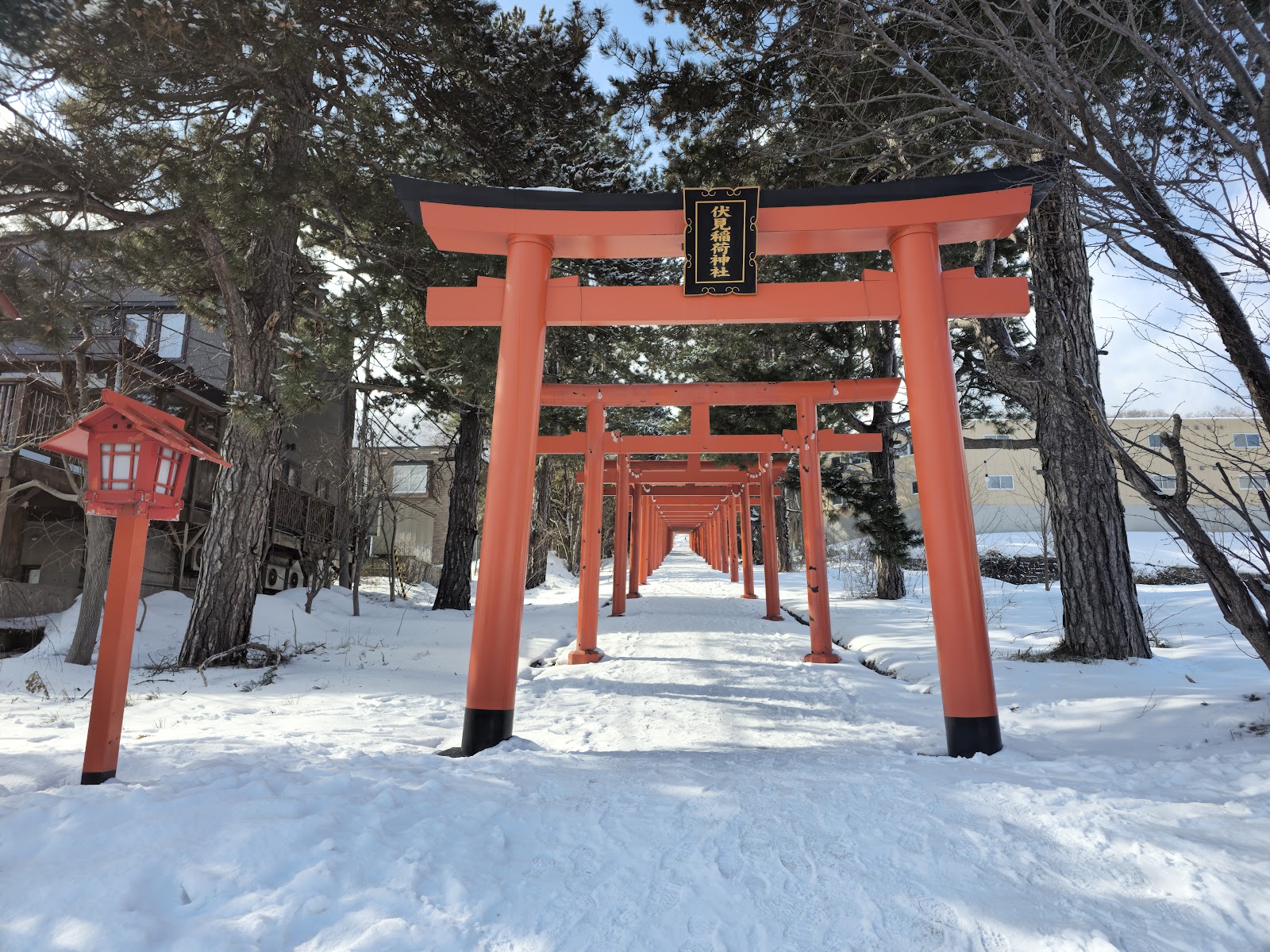
A vermilion tunnel of 27 torii gates climbing the wooded lower slope of Mount Moiwa in western Sapporo.
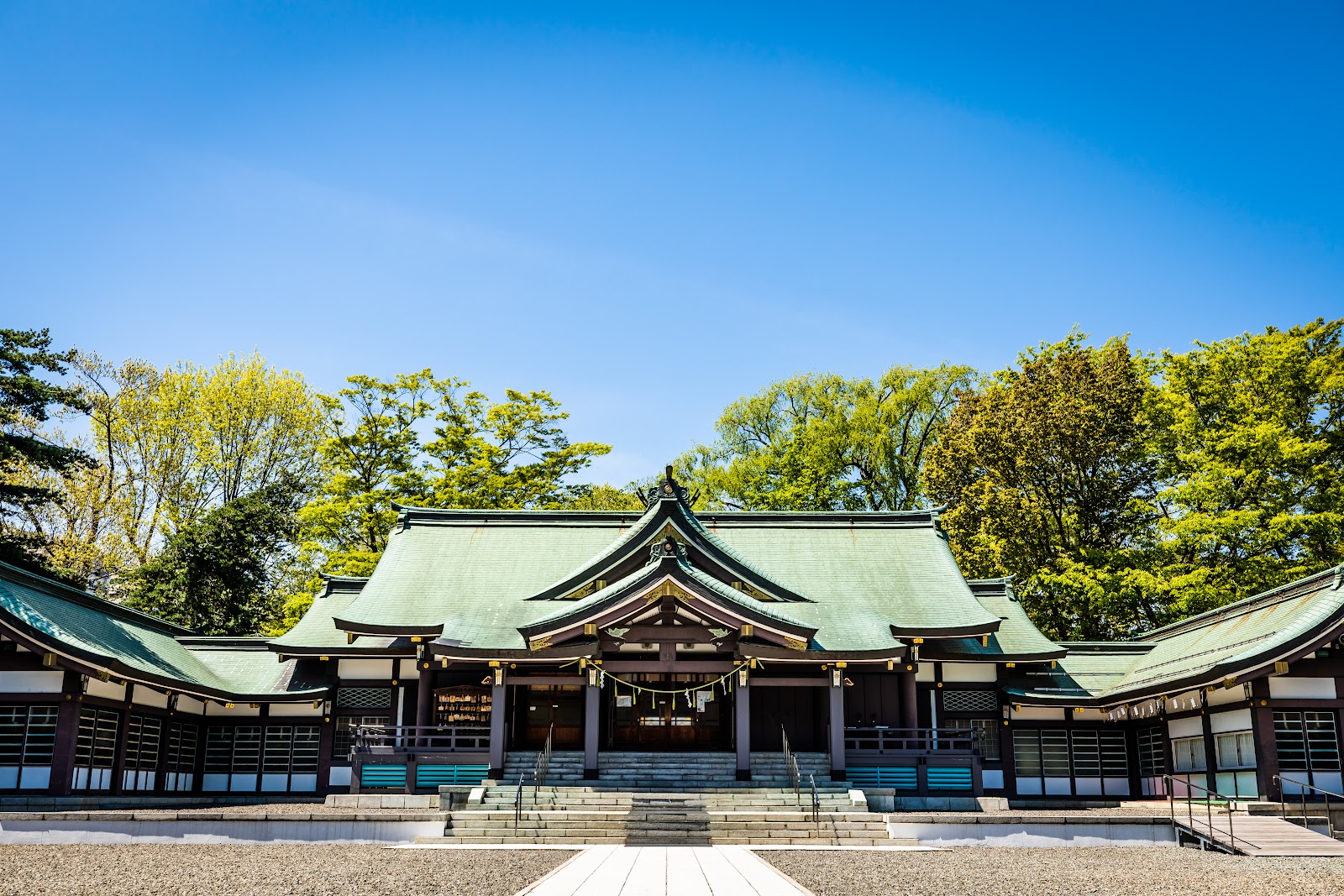
Sapporo Fushimi Inari Shrine sits on the leafy lower flank of Mount Moiwa in the Fushimi district of Chuo Ward, a short but scenic climb from the city centre. Founded in 1907 as a local branch of the great Fushimi Inari Taisha in Kyoto, it enshrines Inari Okami, the Shinto deity of rice, prosperity, and business success. For a shrine of modest size, it makes a strong first impression: a corridor of twenty-seven vermilion torii gates marches up the hillside, framing worshippers as they ascend toward the main hall. It is the closest thing Hokkaido has to Kyoto's world-famous gate tunnels, and on a quiet morning the effect is genuinely photogenic.
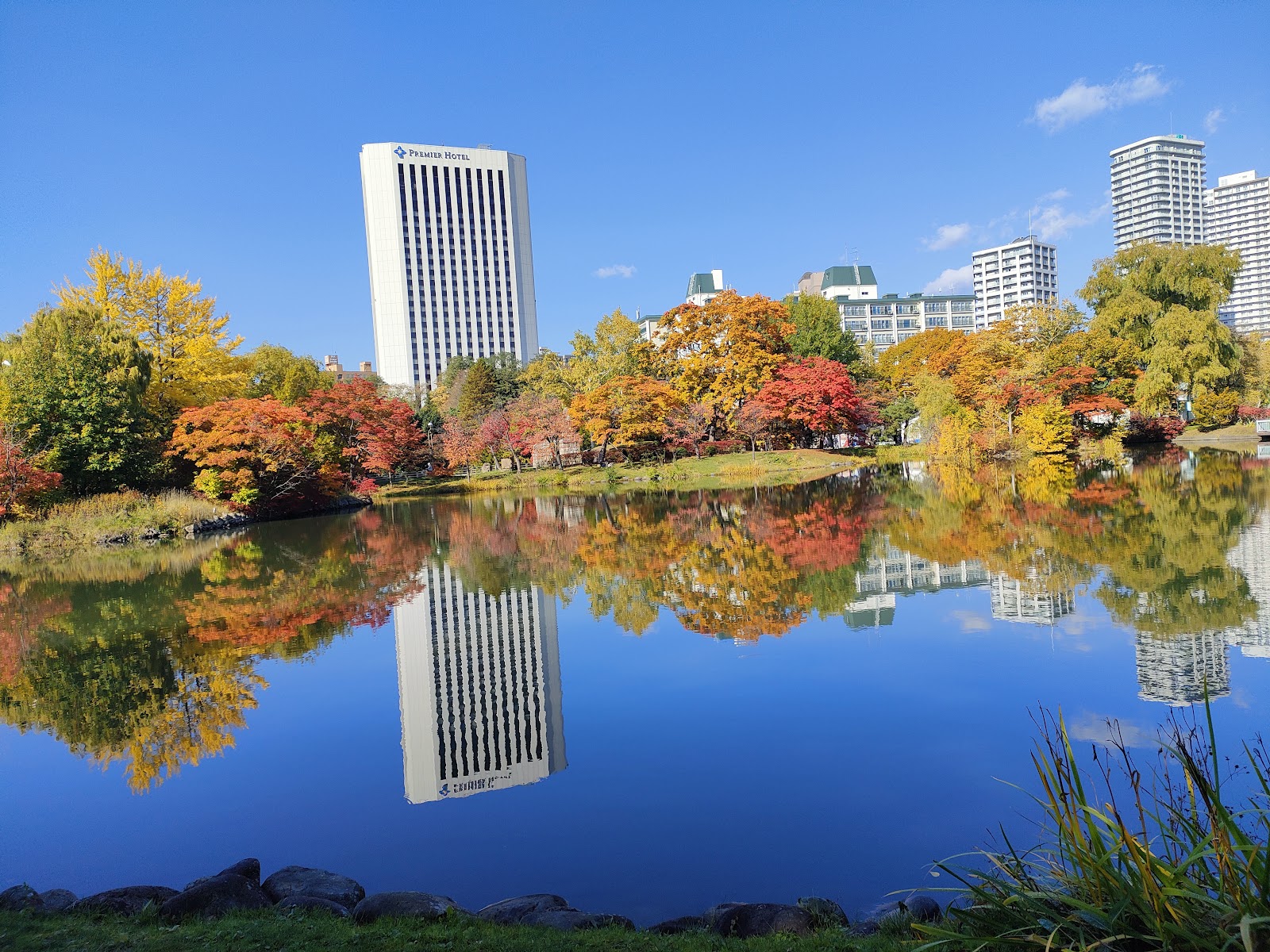
The shrine's history is tied to Sapporo's rapid growth in the Meiji era, when settlers pouring into the young frontier city sought the blessings of Inari for their farms and shops. Over the decades it grew into a beloved neighbourhood sanctuary, its grounds shaded by tall trees that turn gold and crimson each October. Foxes, the messengers of Inari, appear throughout the precinct as carved stone statues, some clutching keys to the rice granary in their mouths, others a jewel symbolising the spirit of the harvest.
What to see begins with the torii approach itself, best photographed from the bottom looking up so the gates compress into a ribbon of red. At the top the modest wooden honden invites a quiet prayer; buy an ema wooden plaque or one of the fox-shaped omamori charms sold at the small office. A stream and mossy stone lanterns lend the grounds a contemplative, almost mountain-temple atmosphere despite the city humming below. In winter the red gates against fresh snow are a favourite subject for local photographers.
The visiting experience is peaceful and unhurried. Because the shrine is off the main tourist trail, you will often share it only with neighbourhood residents on their morning walk. The climb is gentle but continuous, so wear comfortable shoes; the paths are unpaved in places and can be slippery after rain or snow. There are basic restrooms near the entrance but few other facilities, so treat this as a short focused stop rather than a half-day outing.
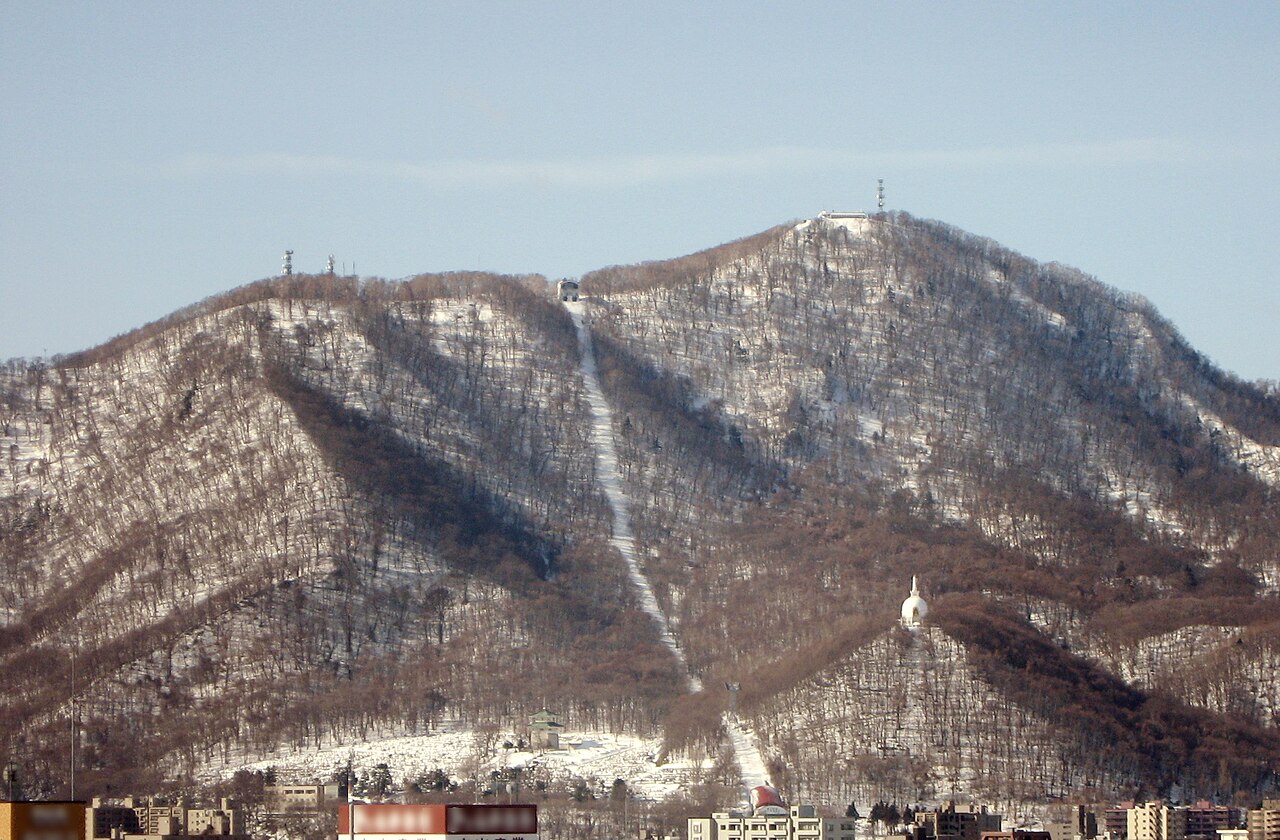
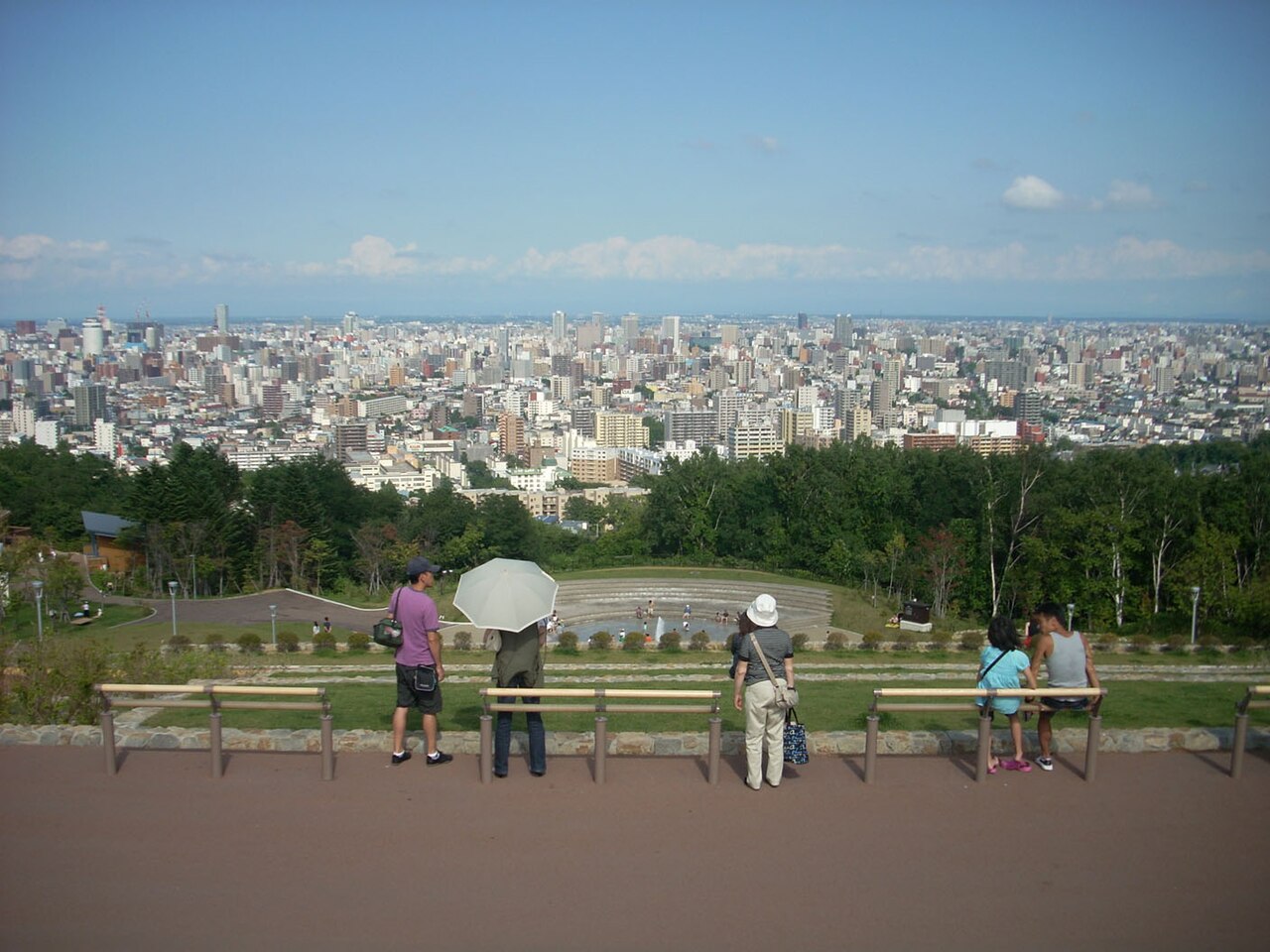
The best time to visit is early morning for soft light and solitude, or mid-to-late October when the surrounding maples blaze. Cherry blossoms are sparse here, but the autumn koyo is excellent. Getting there is easiest by taxi from Susukino or Odori, roughly fifteen minutes; alternatively ride the Tozai subway line to Maruyama-koen and either catch a local bus toward Fushimi or walk about twenty-five minutes uphill. Many visitors pair the shrine with the nearby Mount Moiwa ropeway, whose lower station is a short distance further up the slope, making a natural morning circuit that combines a serene shrine with one of Sapporo's finest panoramas.
A local's tip
Come at first light to have the torii tunnel to yourself, then continue up the hill toward the Moiwa ropeway for a two-in-one morning.
Best time to visit
Early morning or autumn foliage season
Getting there
From central Sapporo take the Tozai subway to Maruyama-koen, then a bus toward Fushimi or a 25-minute walk uphill; a taxi from Susukino takes about 15 minutes.
Good to know
- Parking
- Restrooms
Plan the whole trip offline
Sapporo Fushimi Inari Shrine is one of many places in the Real Japan app — with turn-by-turn directions, nearby spots and full offline maps you can use with no signal.