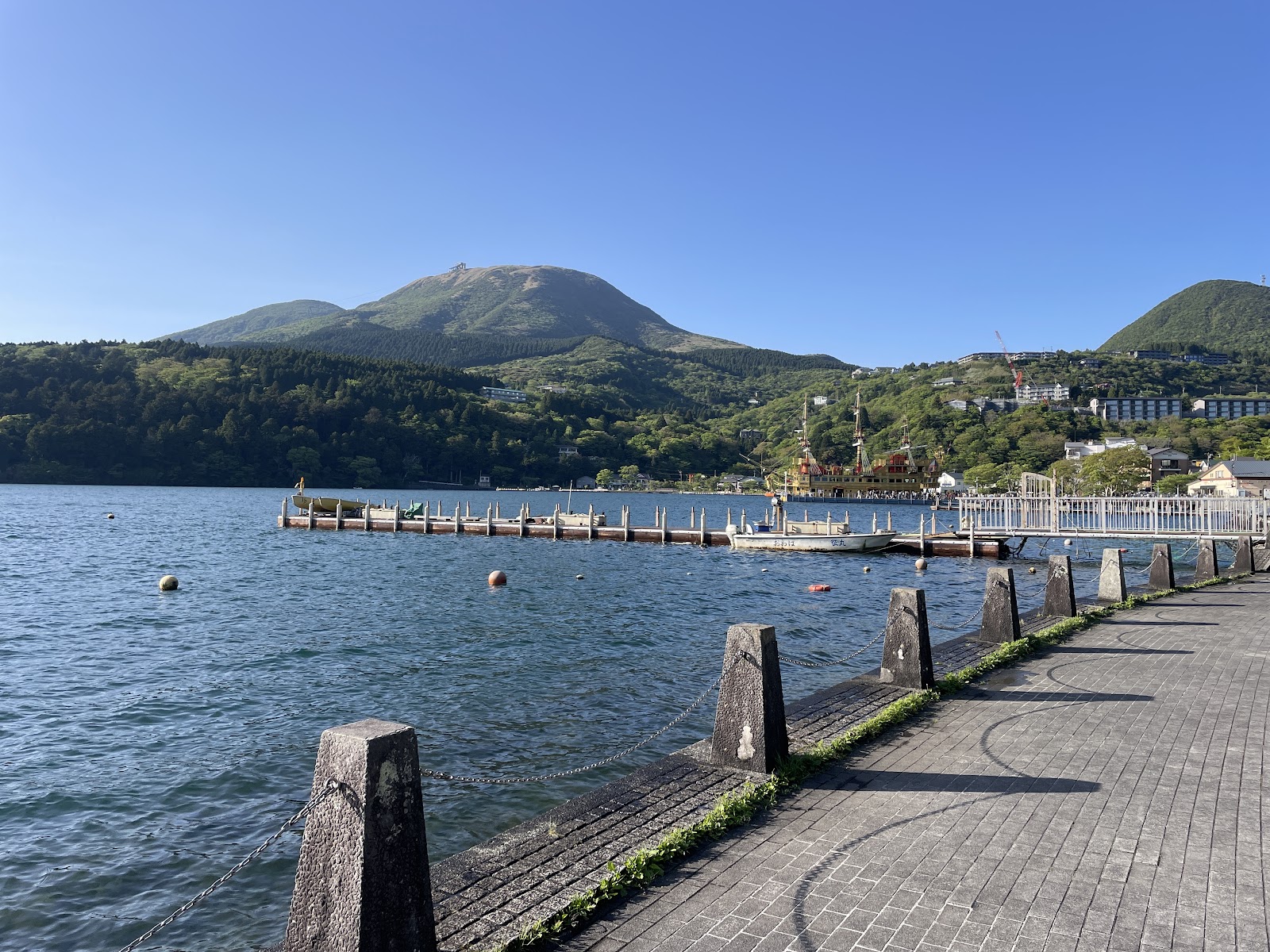
A quiet lakeside cluster of centuries-old Jizo statues and memorial stones near Hakone Shrine, remnant of a once-vast field of stone Buddhas.
Sai-no-Kawara is a modest but historically resonant site on the shore of Lake Ashi at Moto-Hakone, a gathering of weathered stone Jizo statues and memorial stones that most visitors hurrying between the boat pier and Hakone Shrine walk straight past. Yet it preserves a poignant chapter of the region's religious past and offers a moment of quiet reflection amid Hakone's busier attractions.
The name Sai-no-Kawara refers in Japanese Buddhist belief to a mythical riverbank in the afterlife, a limbo where the souls of children who died young are said to pile stones into small towers as an act of penance, only for demons to knock them down. The Bodhisattva Jizo, protector of children and travellers, watches over these souls, and across Japan places associated with death, mountain passes and dangerous crossings were often given this name and lined with Jizo statues to comfort the departed and reassure the living.
Hakone, as a high and difficult mountain barrier on the Tokaido, was exactly such a liminal place. In earlier centuries the shore here held a far larger field of stone Buddhas and Jizo images, an expression of the area's deep association with mountain worship, pilgrimage and the passage between worlds that the Hakone crossing symbolised. Travellers facing the hard and sometimes deadly journey over the pass, and mourners remembering those who did not survive it, left and venerated these stone figures. Over the centuries, road-building, land changes and the reshaping of the lakeshore scattered and reduced the collection, but a cluster of the old statues and memorial stones survives near the water, gathered and preserved as a reminder of what once stood here.
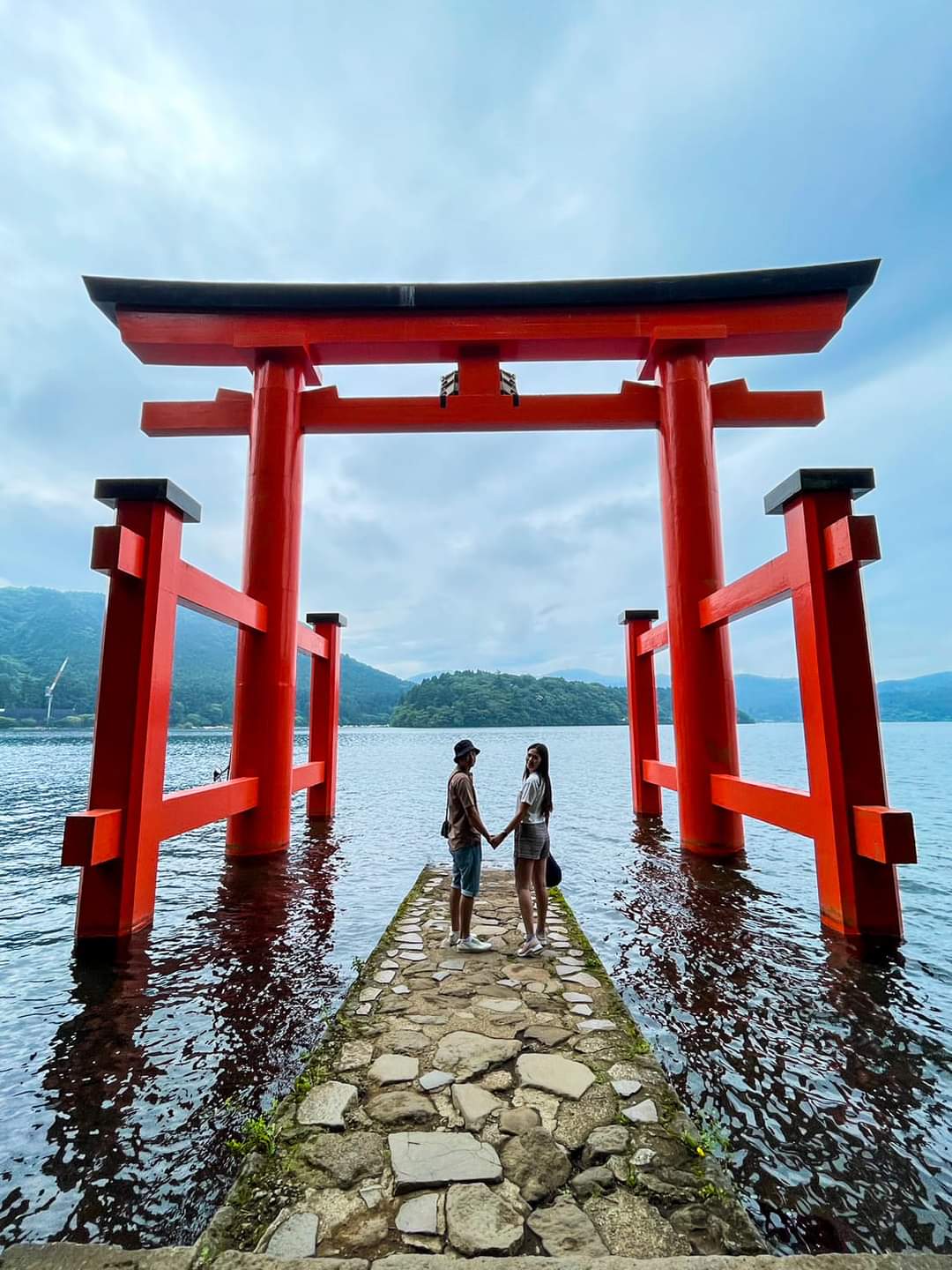
Today the site is small and easily overlooked, which is part of its quiet appeal. Set among trees close to the lake, the mossy, time-worn figures gaze out over the water with the serene, slightly melancholy expressions typical of Jizo carvings. Some wear the small red bibs and caps that devotees still place on such statues in memory of lost children, a living tradition that continues to this day. Standing among them, with the lake lapping nearby and the great red torii of Hakone Shrine visible along the shore, gives a sense of the older, more spiritual Hakone that underlies the modern resort.
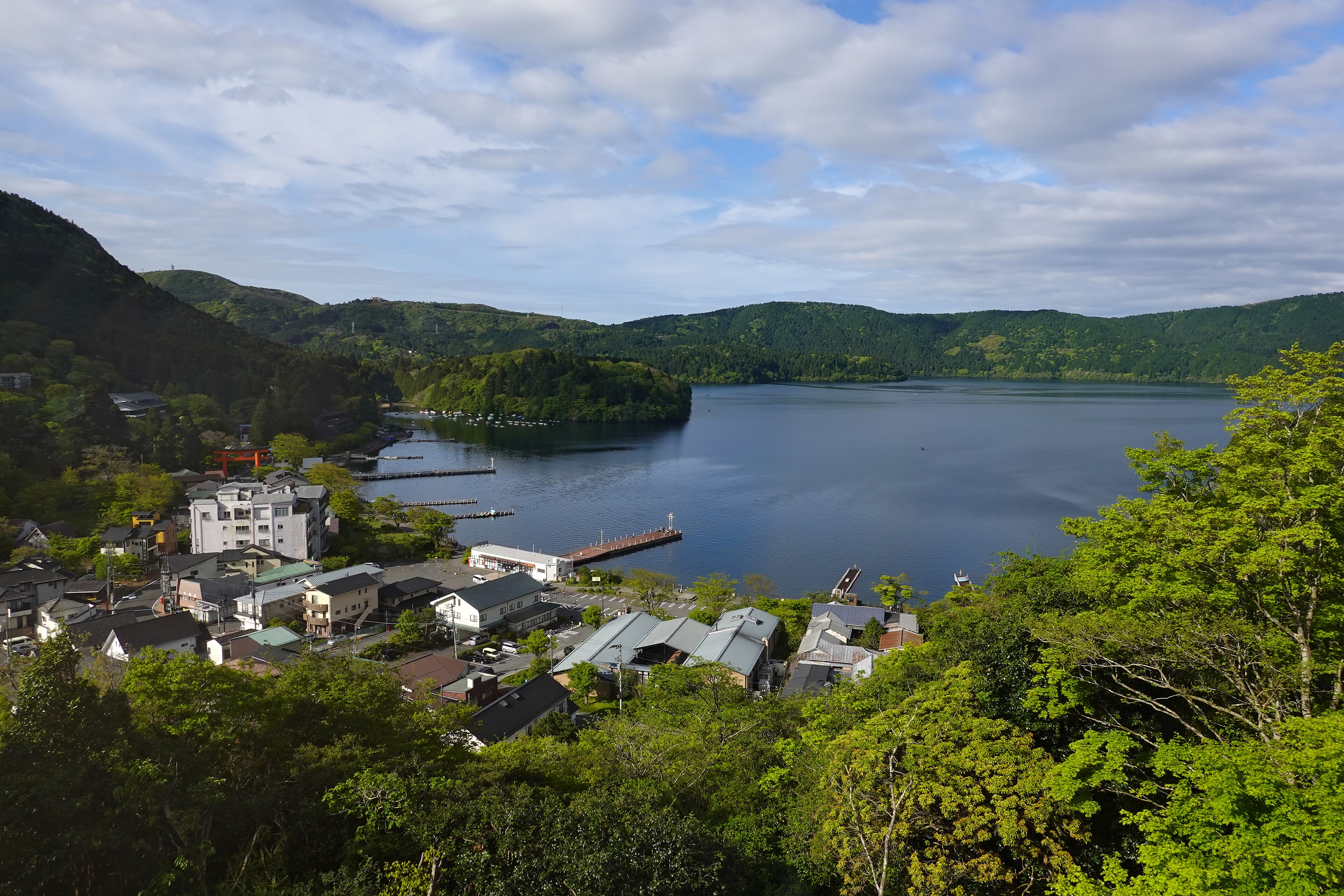
The visiting experience is brief and contemplative rather than a headline attraction. It takes only a few minutes to walk among the stones, and the site is best appreciated as a thoughtful pause on the short lakeside stroll between Moto-Hakone port and the Hakone Shrine approach, both just minutes away. There is no admission charge and no formal facilities beyond the nearby amenities of the port area, but the mostly level lakeside path makes it easy to reach for most visitors.
Any season suits a visit, the statues taking on different moods under spring greenery, summer haze, autumn colour or winter snow. For travellers interested in the deeper religious history of Hakone, or simply seeking a quiet, reflective corner away from the crowds and cameras of the lakefront, Sai-no-Kawara rewards a short detour with a genuine and moving glimpse of the region's spiritual past.
A local's tip
Easy to walk past without noticing; look for the weathered stone Jizo statues and memorial stones gathered near the lakeside, a quiet relic of Hakone's role as a mountain crossroads of the dead and living.
Best time to visit
On a walk between Moto-Hakone port and Hakone Shrine
Getting there
On the lakeshore at Moto-Hakone, between the boat pier and the approach to Hakone Shrine. Arrive by Hakone Tozan Bus or the Lake Ashi sightseeing cruise to Moto-Hakone-ko and walk a few minutes along the shore.
Good to know
- Restrooms
- Lakeside path
Plan the whole trip offline
Sai-no-Kawara (Moto-Hakone) is one of many places in the Real Japan app — with turn-by-turn directions, nearby spots and full offline maps you can use with no signal.