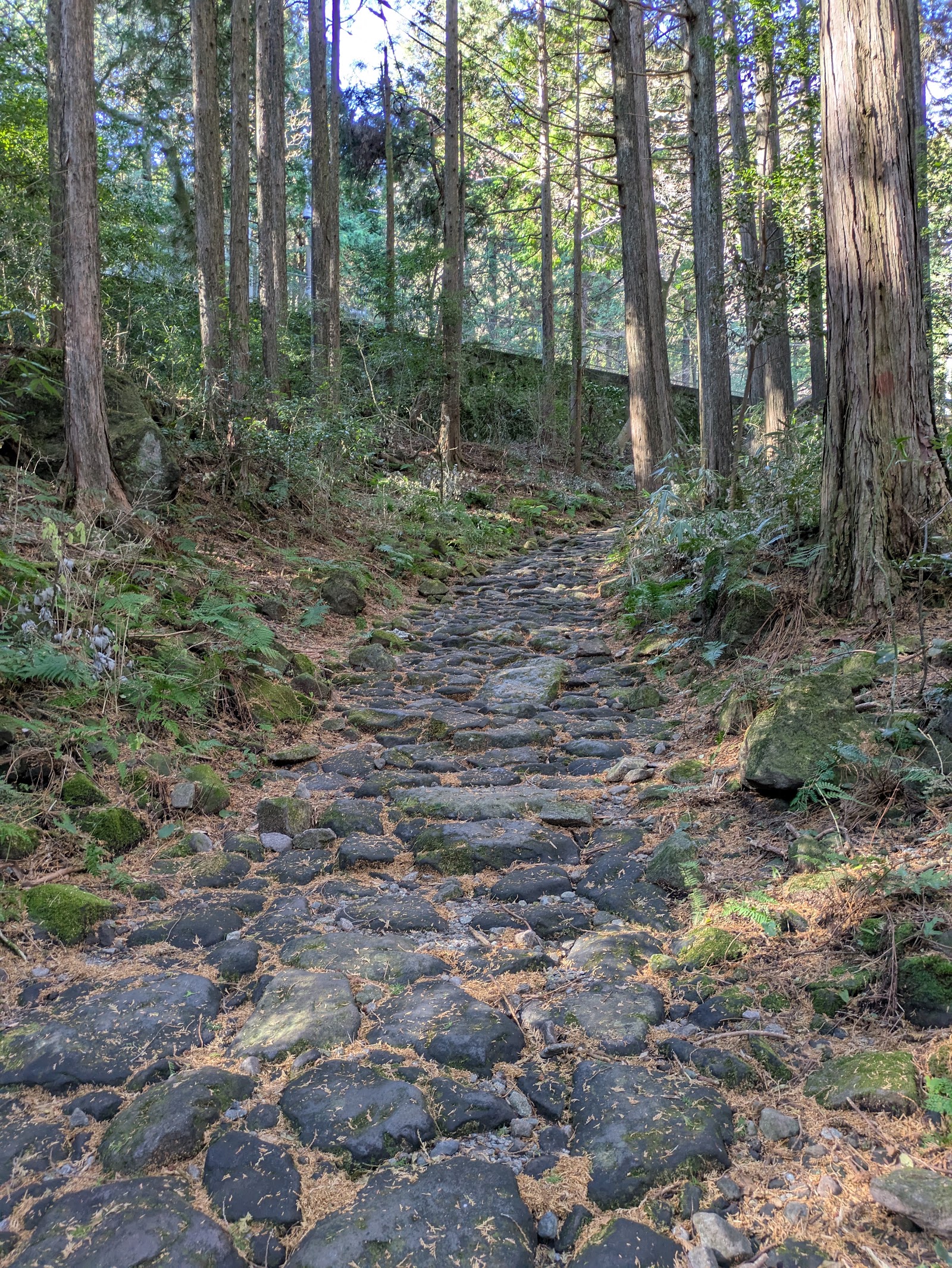
Preserved cobblestone stretch of the Edo-period Tokaido highway, walked by feudal processions and pilgrims crossing the Hakone mountains.
The Old Tokaido Stone-Paved Road is a preserved stretch of the historic Tokaido highway that once carried all traffic between Edo and Kyoto over the formidable Hakone mountains. Walking its worn cobbles today is to follow, step for step, the route taken for centuries by feudal lords' processions, merchants, pilgrims and post-runners as they tackled one of the toughest passages on the entire road, immortalised in the saying that 'the Hakone pass is the greatest barrier on the Tokaido'.
The Hakone section was notoriously difficult. The path climbs steeply through dense forest and over a high pass, and in the early Edo period it was a muddy, exhausting slog that bogged down travellers and pack animals alike. To make the crossing passable in all weather, the shogunate had the route paved with stone. The first surfaces were laid with bamboo, which rotted quickly and had to be constantly replaced, and eventually the road was cobbled with stone in the mid-seventeenth century, creating the durable paved way whose remnants survive today. These stones drained better and gave firmer footing on the punishing gradients.
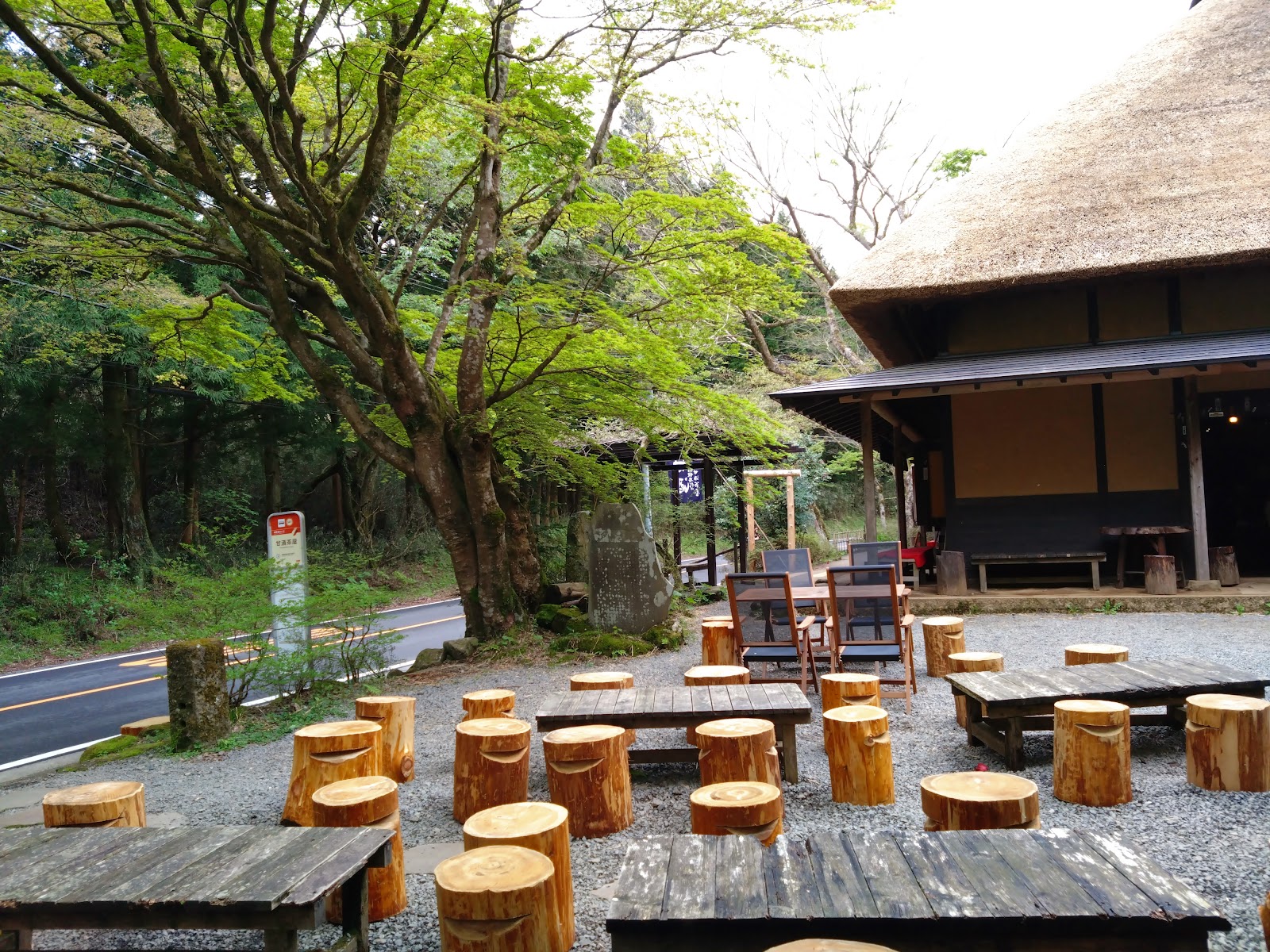
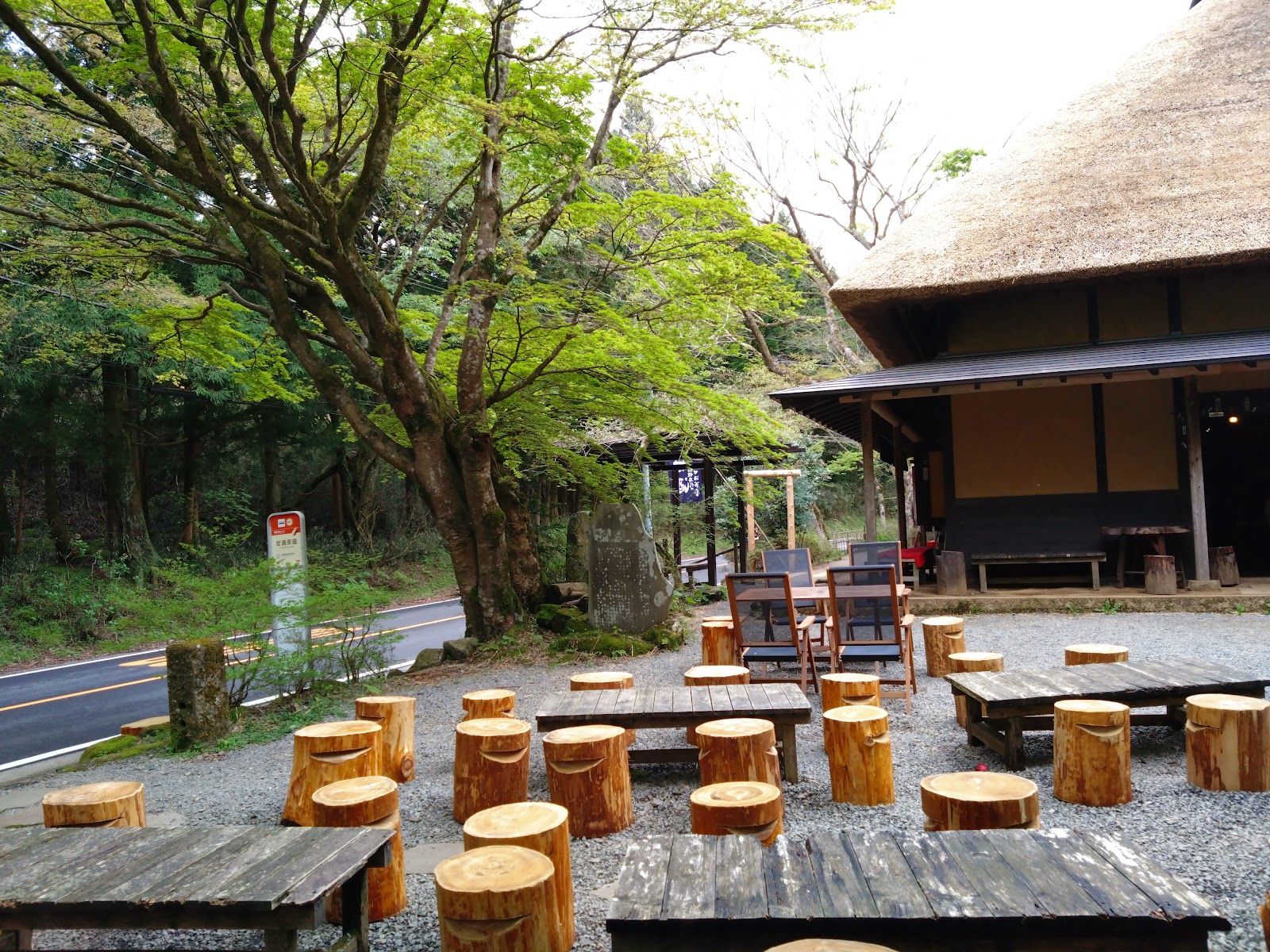
Several well-preserved sections remain, shaded by towering cryptomeria cedars, many of them planted in the same era to shelter travellers from sun, rain and snow. The combination of mossy stone underfoot and ancient trees overhead gives the surviving stretches a powerful sense of stepping back in time. Interpretive signs along the way explain the history of the road, the hardships of the crossing and the network of post towns and teahouses that grew up to serve those making it. Near the route lie the historic hamlet of Hatajuku and the centuries-old Amazake-chaya teahouse, where walkers can still pause for refreshment exactly as travellers did generations ago.
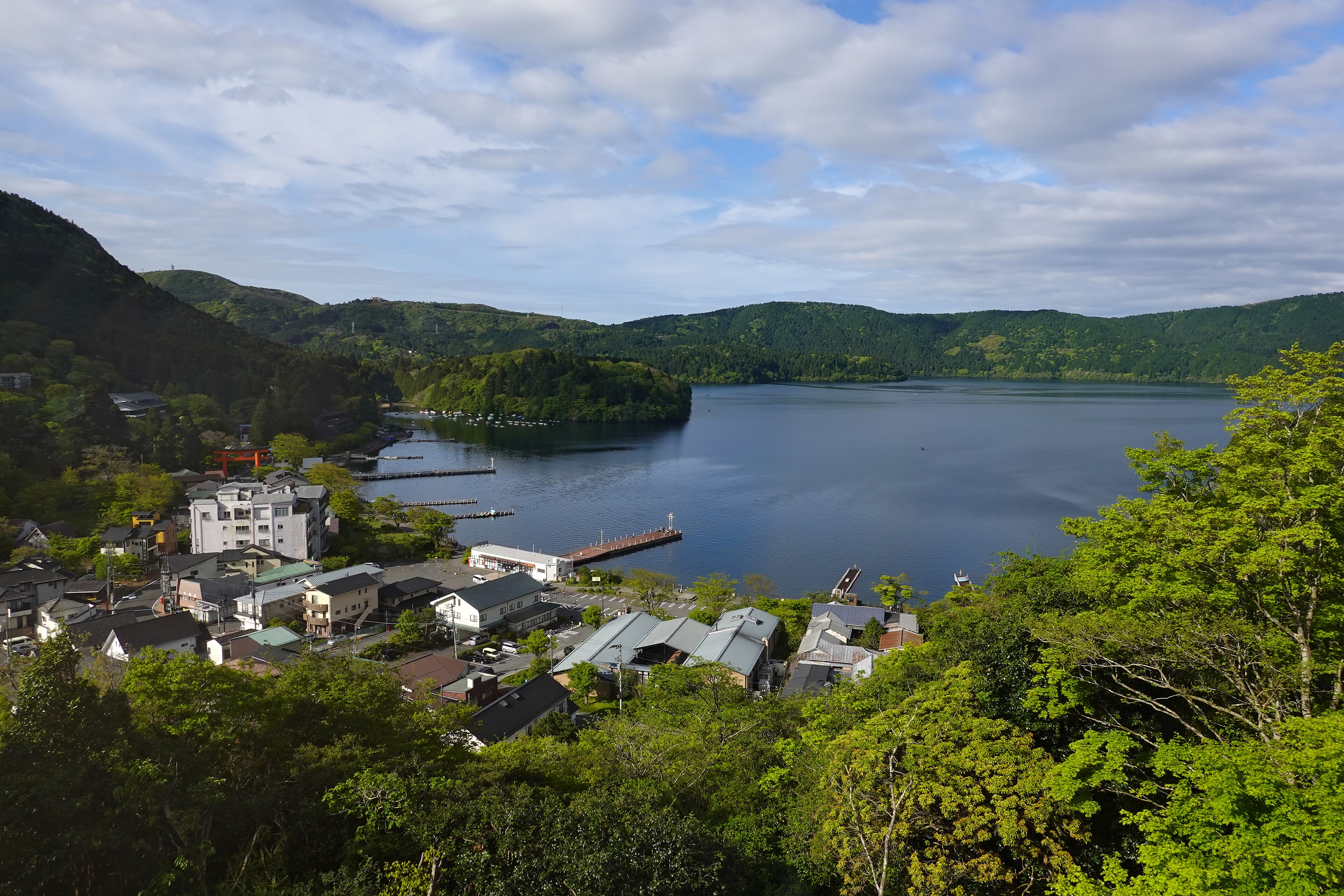
The visiting experience is that of a gentle historical hike rather than a passive sightseeing stop. Popular walking segments run between Hakone-Yumoto, Hatajuku, the pass and Moto-Hakone, and can be tackled in short pieces or as a longer half-day traverse. The going is uneven: the cobbles are deliberately rough and become slippery in rain, and there are meaningful ascents and descents, so proper footwear and a moderate level of fitness are recommended. Buses along the modern road parallel the trail, allowing walkers to join or leave at convenient points rather than committing to the whole route.
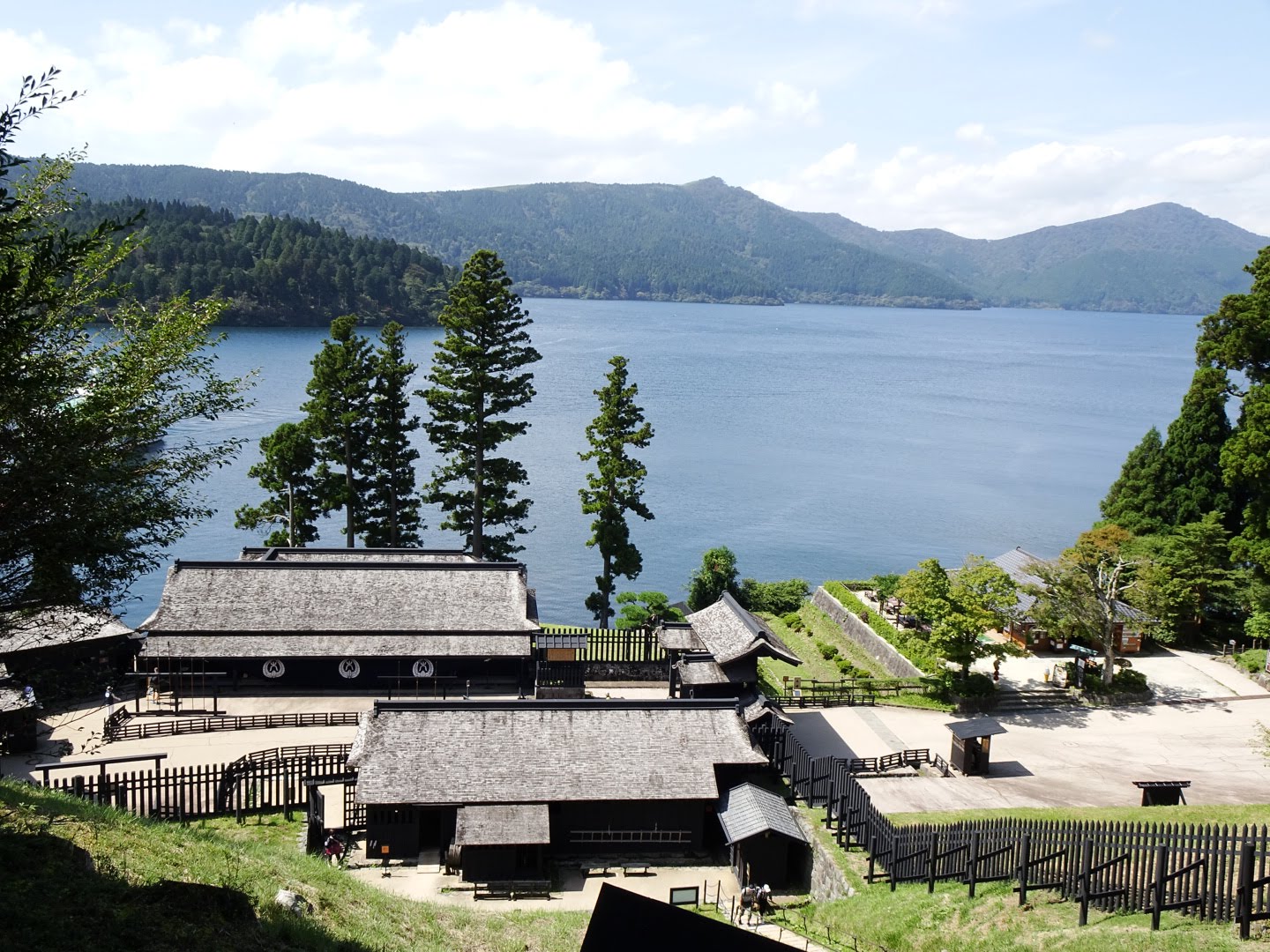
History here is not confined to the stones themselves. The road links a string of tangible relics, the cedar avenue, the old teahouse, the post-town remnants and the Hakone Checkpoint on the lakeshore, into a coherent picture of Edo-period travel, making a walk along it one of the most immersive history experiences in the region.
Spring and autumn are the most comfortable seasons, with mild temperatures for walking and, in November, warm colour among the maples that mingle with the cedars. Summer is humid but the forest offers deep shade, while winter can bring snow that lends the old road a hushed, timeless beauty. For travellers who prefer to feel history underfoot rather than behind glass, this ancient paved way delivers Hakone's past in the most direct way possible: one worn stone at a time.
A local's tip
Wear grippy shoes: the cobbles are genuinely uneven and slick when wet. Walking the downhill stretch from the pass toward Hatajuku is the easier and more atmospheric direction.
Best time to visit
Autumn for cool walking weather and coloured leaves
Getting there
Sections of the preserved stone road run alongside the modern route between Hakone-Yumoto and Moto-Hakone. Take a Hakone Tozan Bus toward Moto-Hakone and alight near Hatajuku or the Amazake-chaya stop to join a walkable, well-preserved stretch of the old highway.
Good to know
- Restrooms
- Teahouse nearby
Plan the whole trip offline
Old Tokaido Stone-Paved Road (Hakone Kyukaido) is one of many places in the Real Japan app — with turn-by-turn directions, nearby spots and full offline maps you can use with no signal.