A refined chestnut town where the aging ukiyo-e master Hokusai created some of his final masterpieces.
Obuse is a small, elegant town in the apple-and-chestnut country northeast of Nagano city, and it punches far above its size thanks to two things: the finest chestnuts in Japan and a late, remarkable chapter in the life of the artist Katsushika Hokusai. The great ukiyo-e master, already in his eighties and famous for The Great Wave, was invited to Obuse by a wealthy local patron, Takai Kozan, and made several extended stays here in the 1840s. In this quiet town he produced some of his most ambitious late works, including two spectacular painted festival-float ceilings and a dramatic phoenix on the ceiling of a local temple.
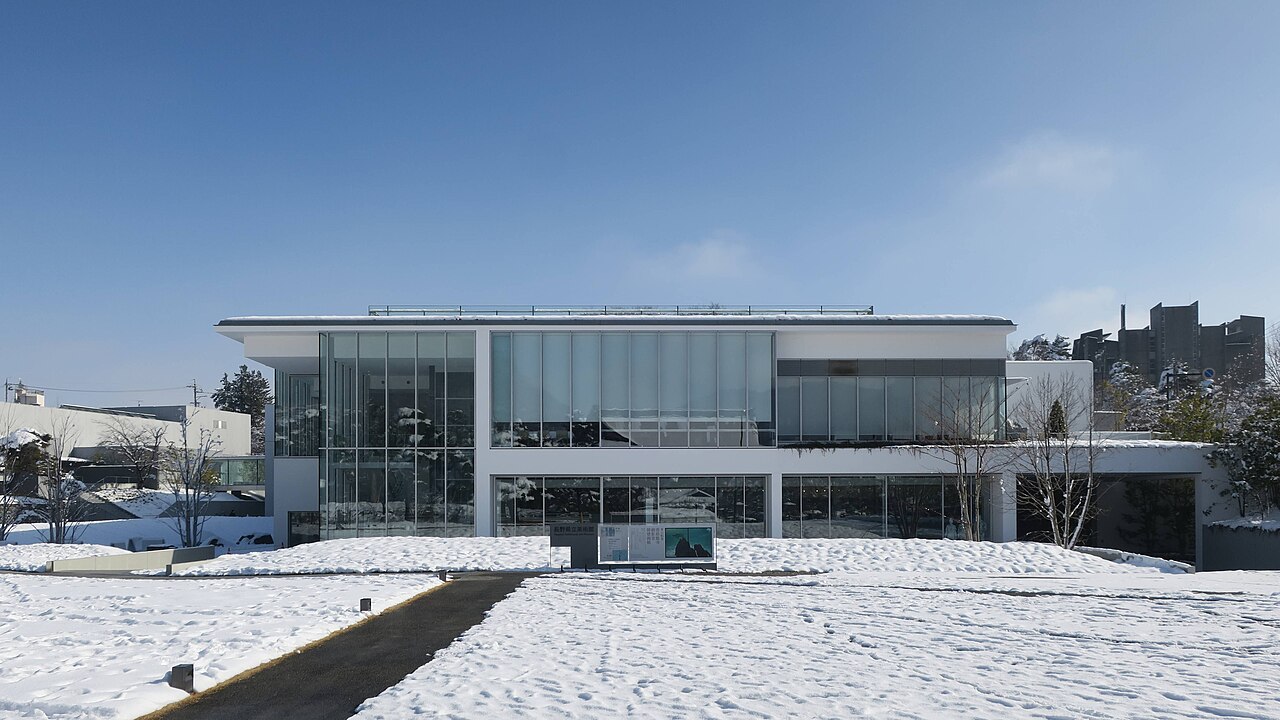
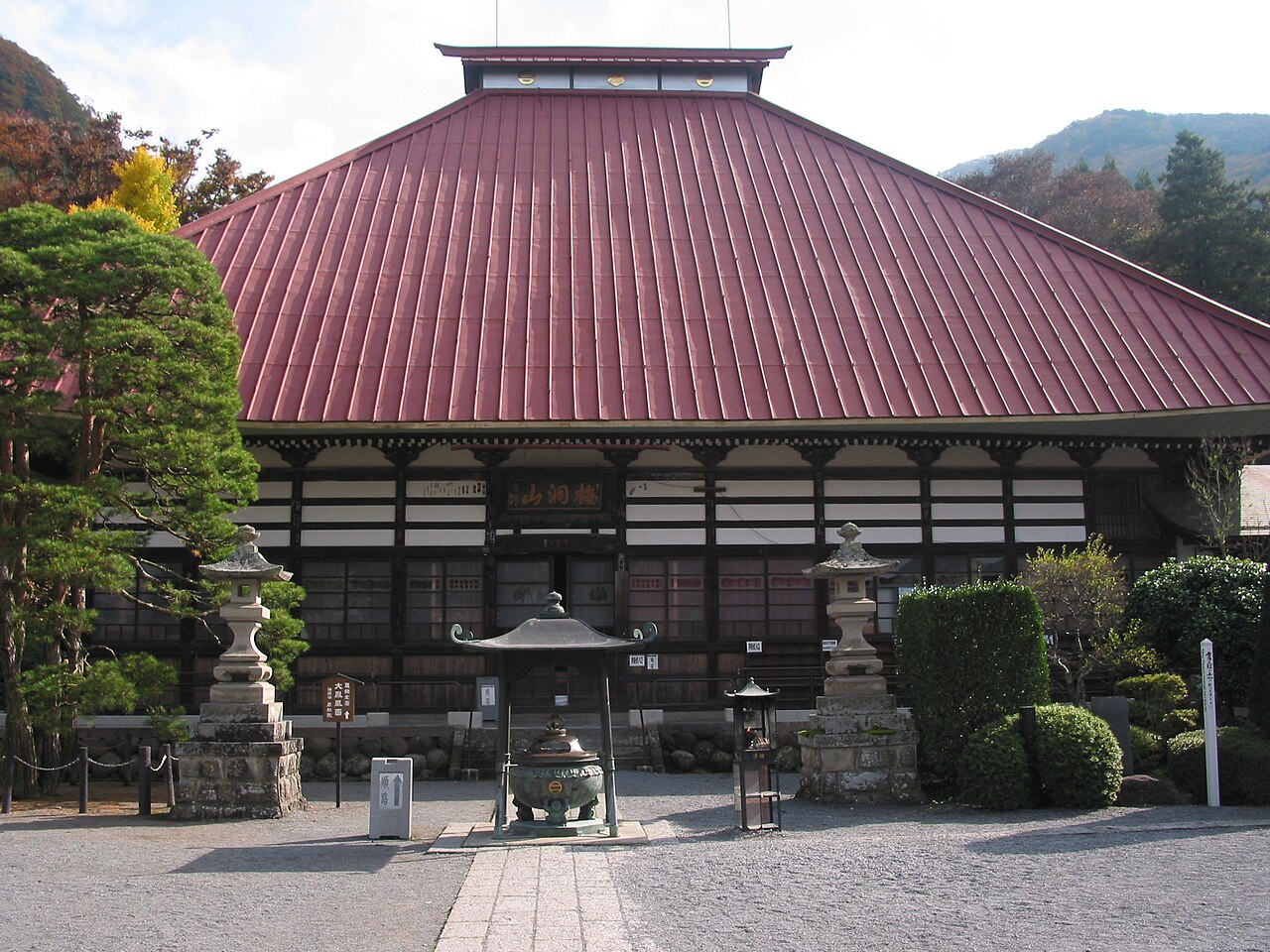
Those masterpieces are the reason to come. The Hokusai-kan museum, at the heart of the town, displays the original festival floats with their Hokusai ceiling panels along with paintings and prints from his Obuse period, offering an intimate look at the artist far from the Edo prints most travelers know. Nearby, the Ganshoin temple preserves his fierce, staring phoenix gazing down from the ceiling of the main hall, its eyes seeming to follow visitors around the room.
Beyond art, Obuse is synonymous with chestnuts. The town has cultivated them since the Edo period, when its harvest was reserved for the shogunate, and today its confectioners are legendary. Long-established shops sell kuri-kanoko and other chestnut sweets, and the signature dish is kuri-okowa, glutinous rice steamed with chestnuts — simple, seasonal, and unforgettable in autumn when the fresh harvest comes in. Sampling chestnut confections while wandering is a core part of the experience.
The town itself has been thoughtfully preserved and gently modernized. In the 1980s Obuse undertook a celebrated town-planning project, restoring its tile-roofed merchant houses, laying chestnut-wood pathways, and opening private gardens to the public, creating one of the most tasteful and walkable historic townscapes in the region. The result is a compact grid of galleries, sake breweries, cafes, and courtyards that reward slow, aimless strolling. A well-regarded sake brewery offers tastings, and small museums and craft shops fill the lanes.
Obuse is easy to reach as a half-day trip from Nagano: the Nagano Electric Railway runs directly to Obuse Station in about 35 minutes, and the whole town center is a flat, pleasant 10-minute walk away and entirely explorable on foot. Autumn, chestnut season, is the classic time to visit, with crisp mountain air and golden light, but the town is charming year-round, with cherry blossoms in spring and a calm, cultured atmosphere that pairs beautifully with the nearby Zenko-ji temple and the snow monkeys of Jigokudani. Bicycle rentals and walking maps near the station make it simple to loop the sights at your own pace, and the town's cafes and sake tasting rooms invite an unhurried afternoon among the galleries and courtyards. For travelers who appreciate art, craft, and food in a refined small-town setting, Obuse is a quiet highlight of Nagano.
A local's tip
Order a kuri-okowa chestnut rice set at a long-established confectioner — Obuse chestnuts are among Japan's most prized.
Best time to visit
Autumn for chestnut season and clear mountain air
Getting there
Take the Nagano Electric Railway from Nagano Station to Obuse Station (about 35 minutes); the town center is a 10-minute walk.
Good to know
- Cafes
- Wi-Fi
- Restrooms
Plan the whole trip offline
Obuse is one of many places in the Real Japan app — with turn-by-turn directions, nearby spots and full offline maps you can use with no signal.