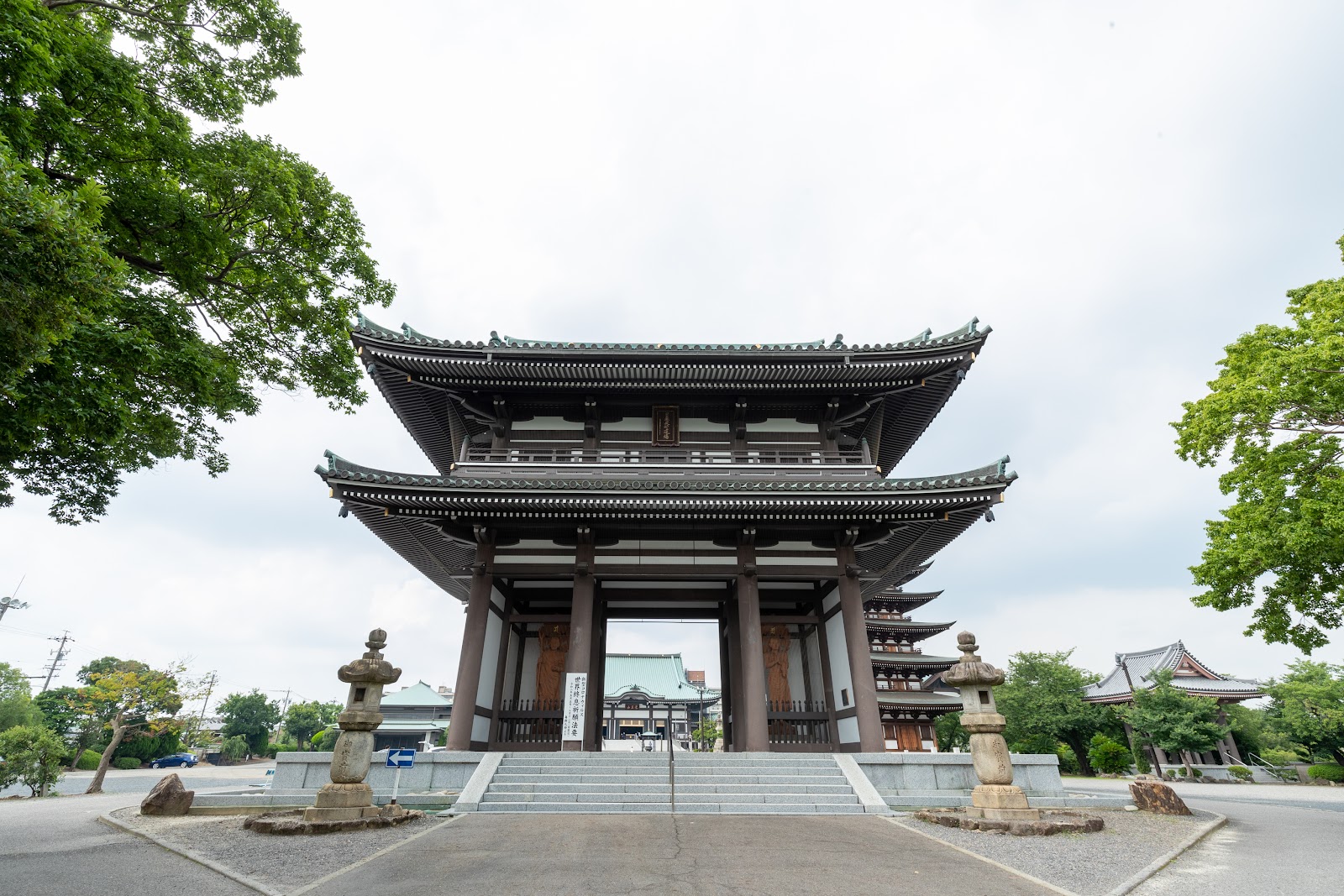
A rare non-sectarian temple built to house genuine relics of the Buddha, gifted to Japan by the King of Siam.
Kakuozan Nittaiji is one of Nagoya's most historically significant temples and among the very few in Japan that belong to no single Buddhist sect. It was founded in 1904 for a singular purpose: to enshrine relics of the historical Buddha, Shakyamuni, presented to the Japanese people by King Rama V of Siam, present-day Thailand. The temple's name, Nittaiji, literally means Japan-Thailand Temple, commemorating that gift of friendship between the two nations.
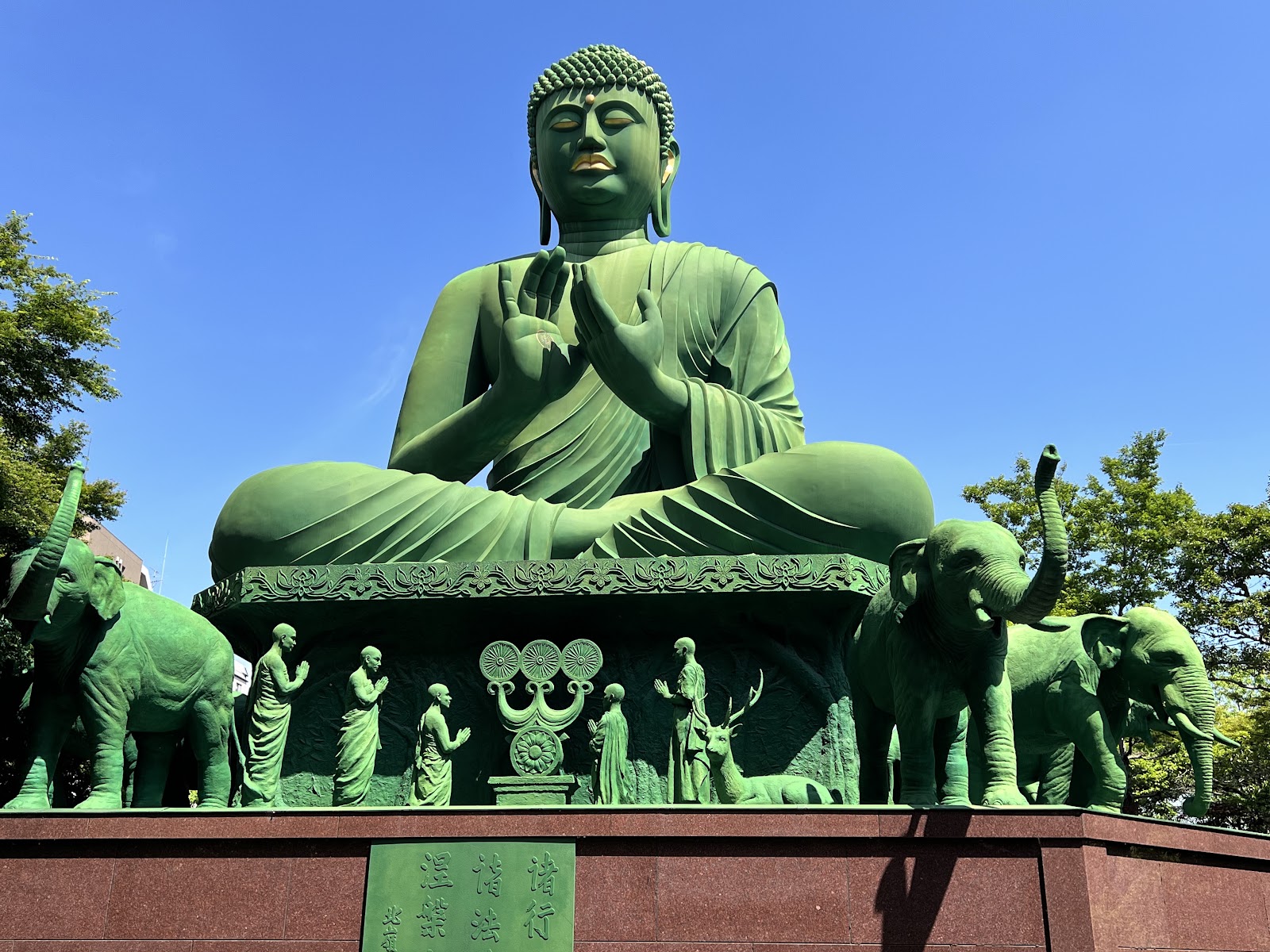
Because the relics were a national treasure meant for all Japanese Buddhists rather than one denomination, the leading sects agreed to administer the temple jointly, rotating its head priest among them. This ecumenical arrangement, unusual in a country where temples are almost always tied to a specific school, gives Nittaiji a distinctive open character. A gilded Thai-style Buddha image, also gifted by the Siamese court, presides over the main hall, its style visibly different from the Japanese statuary found elsewhere in the city.
The temple sits on a hillside in the affluent Kakuozan district in eastern Nagoya. Its grounds include a striking five-storey pagoda built in the 1980s, a grand main hall, a bell tower and a hillside cemetery where several notable figures are buried. The architecture blends conventional Japanese temple forms with subtle nods to the Thai origins of its central relics, and the elevated setting means cooling breezes and glimpses of the city below.
The most rewarding time to visit is the 21st of any month, the day associated with Kobo Daishi, when a large and beloved en-nichi market takes over the approach and surrounding lanes. Stalls sell street food, seasonal plants, antiques, clothing and handmade goods, and the normally quiet neighbourhood fills with a cheerful crowd of locals. It is one of the best traditional markets in Nagoya and worth planning a visit around.
On ordinary days the temple is calm and contemplative. Worshippers light incense and candles, pilgrims completing the eighty-eight-temple Kobo Daishi circuit stop to pray, and cherry trees bloom across the grounds each spring while maples turn the hillside red in autumn. Behind the main precinct, a path leads up to the small Yamada Tenmangu shrine and to the cemetery, from where you can look back across the tiled roofs and the pagoda.
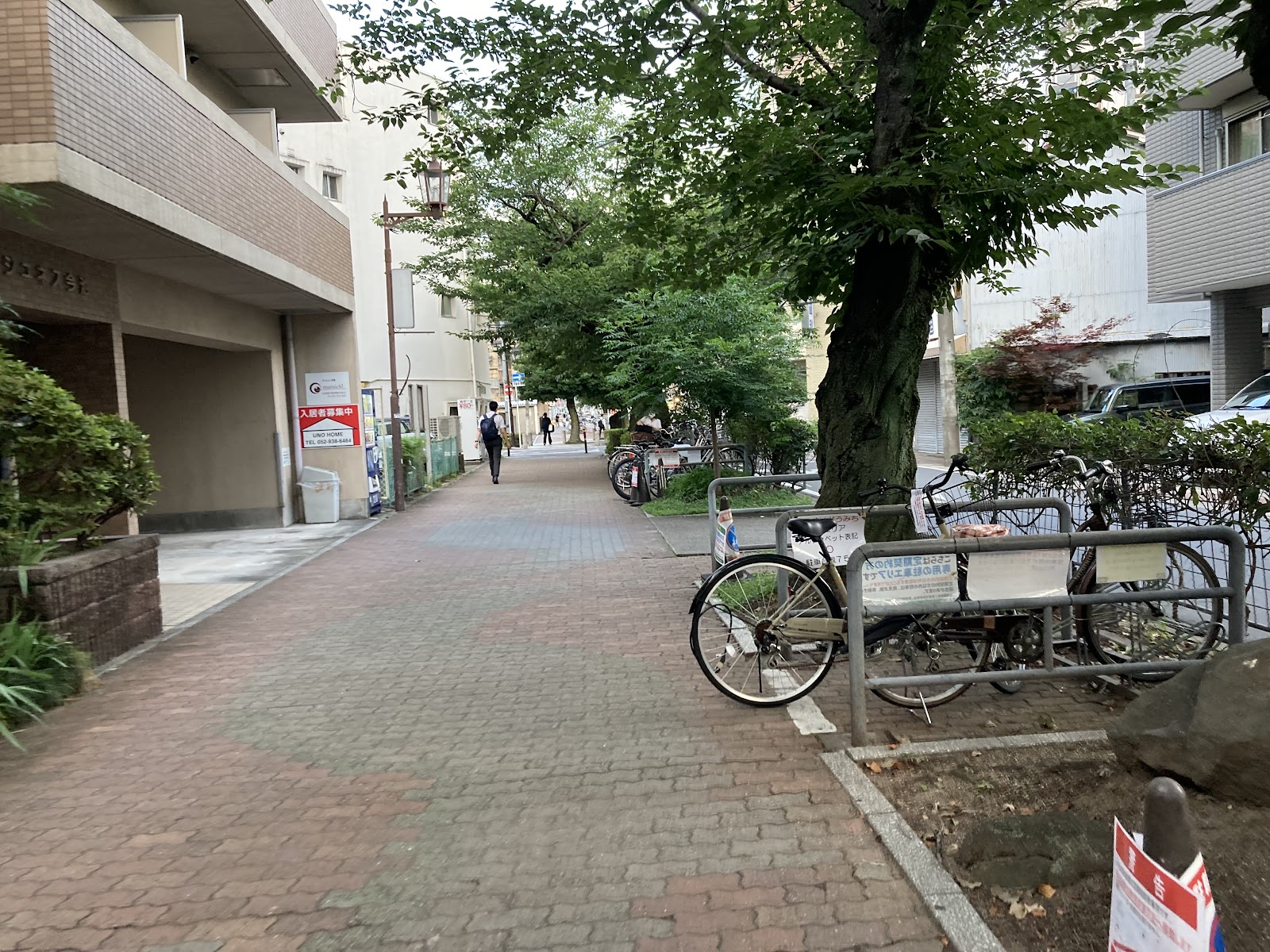
The Kakuozan district itself repays exploration. The gently sloping shopping street between the station and the temple gate is lined with stylish cafes, patisseries, galleries and boutiques, reflecting the neighbourhood's reputation as one of Nagoya's most fashionable areas. Combining the temple with a leisurely stroll and a coffee makes for a very pleasant half-day.
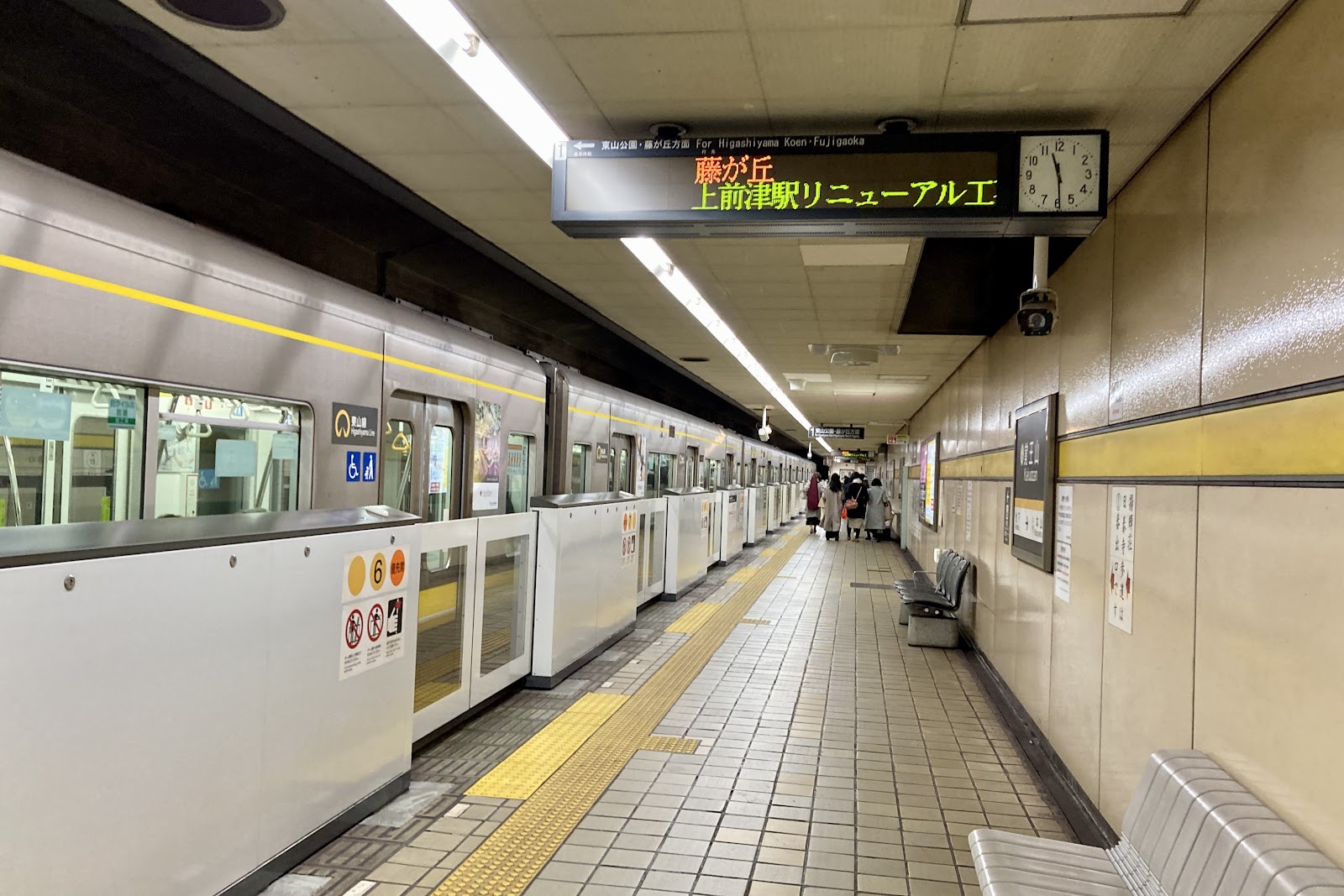
Getting there is straightforward: Kakuozan Station on the Higashiyama subway line is only a few stops east of the Sakae city centre, and the walk uphill takes under ten minutes. The grounds involve some gentle slopes and steps around the pagoda, but the main hall is reachable on mostly level paths. For visitors curious about the religious and diplomatic history behind Japan's temples, Nittaiji offers a story found nowhere else in Nagoya.
A local's tip
On the 21st of every month a large festival market lines the approach with food, plants and crafts; climb the hill behind the main hall to the Yamada Tenmangu and the peaceful Nittai-ji cemetery for a view over the temple roofs.
Best time to visit
The 21st of the month for the temple market
Getting there
Take the Higashiyama subway line to Kakuozan Station and walk uphill along the shopping street for about eight minutes; the temple gate stands at the top of the slope.
Good to know
- Shopping
- Restrooms
Plan the whole trip offline
Nittaiji Temple is one of many places in the Real Japan app — with turn-by-turn directions, nearby spots and full offline maps you can use with no signal.