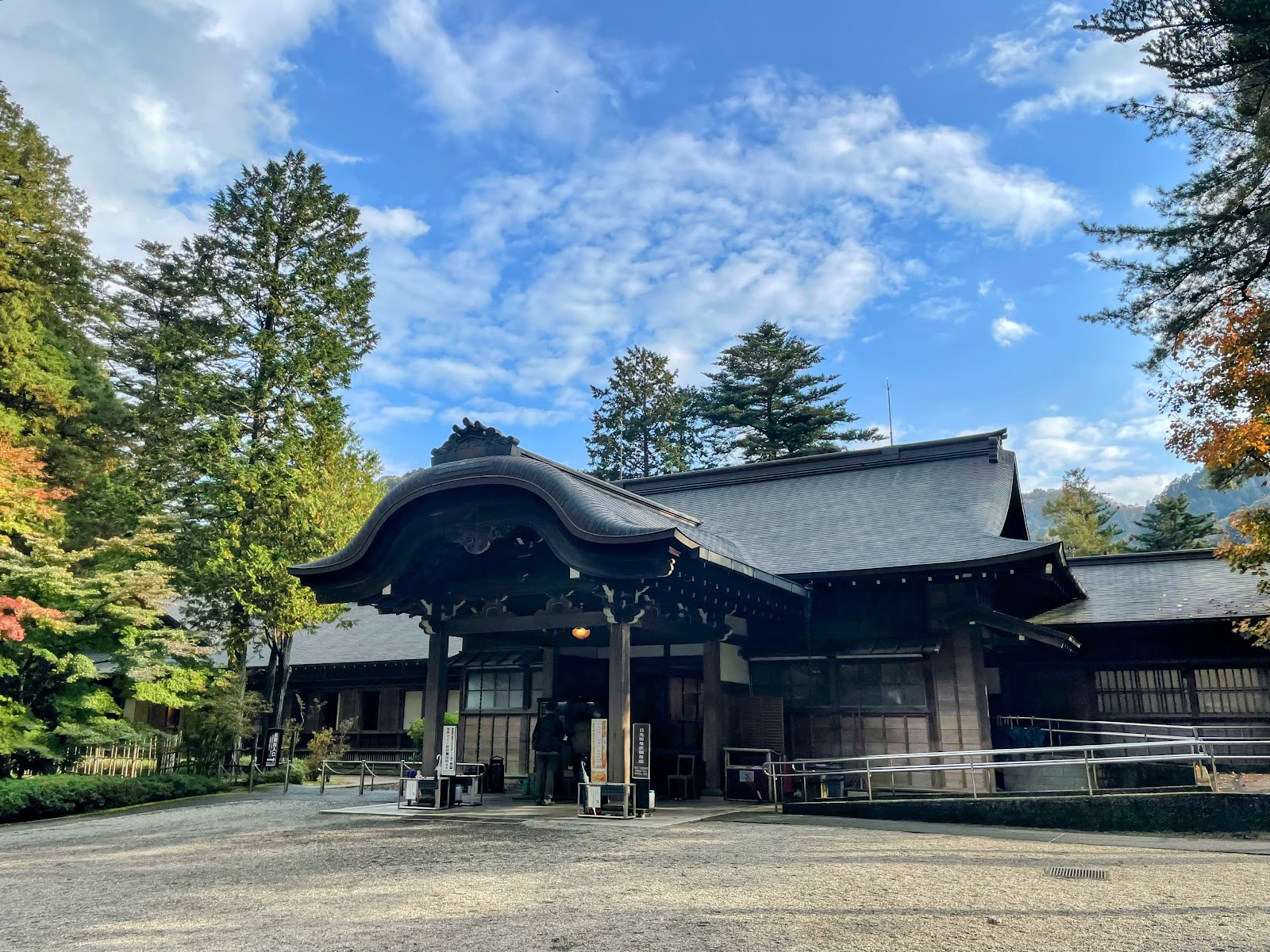
A sprawling former imperial summer residence of 106 rooms blending Edo and Meiji architecture, set in a tranquil garden in Nikko.
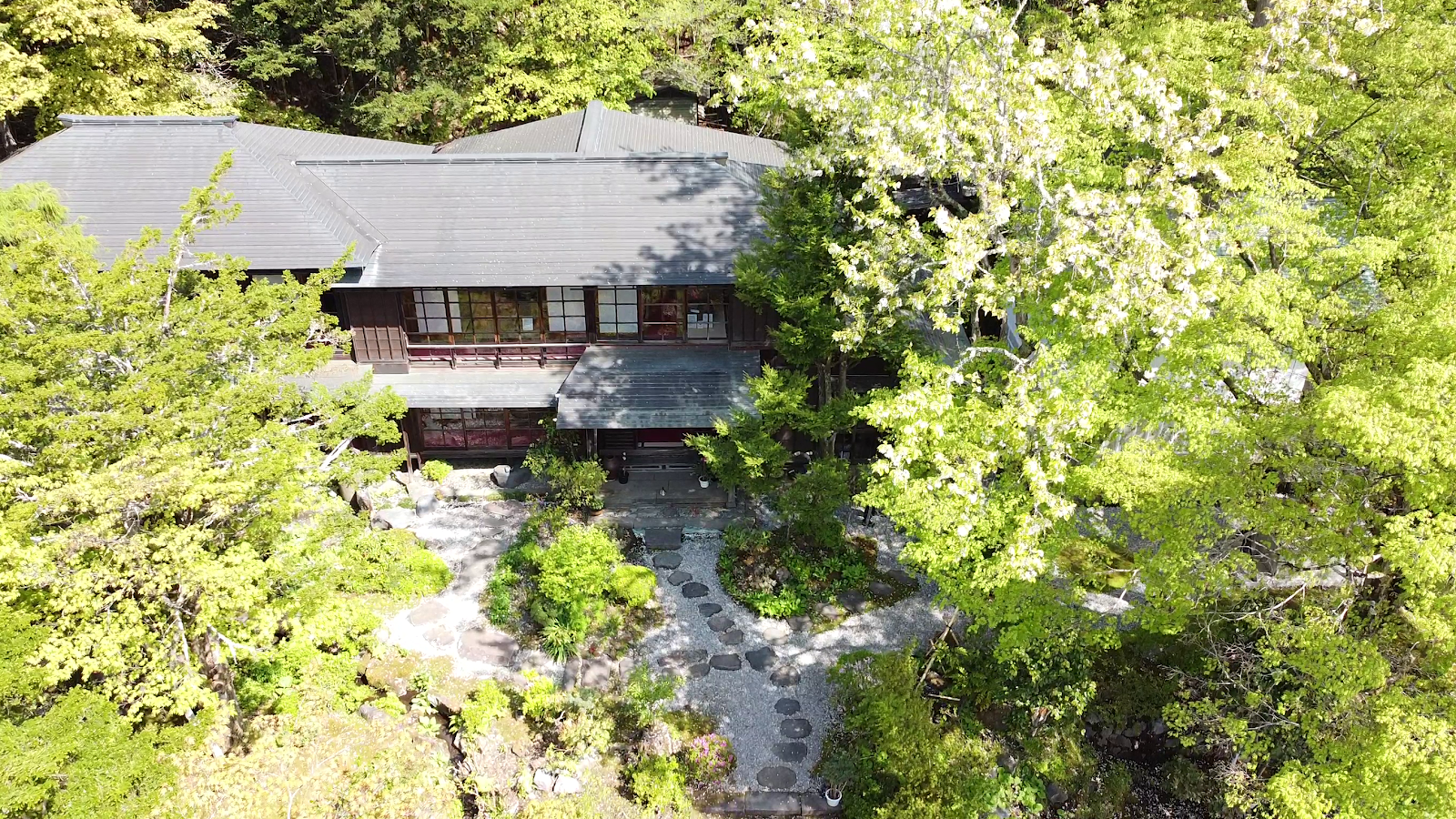
Nikko Tamozawa Imperial Villa is a magnificent former imperial summer residence at the foot of the mountains in Nikko, and one of the largest surviving wooden residential buildings in Japan. With 106 rooms spread across interlinked wings, it blends the refined architecture of the Edo period with the emerging tastes of the Meiji era, offering a rare and intimate look at how the imperial family lived, rested and escaped the summer heat of Tokyo.
The villa was erected in Nikko in 1899 as a summer retreat for the imperial household, but its story is far older and more complex than that single date suggests. Rather than being built entirely new, it incorporated parts of an existing aristocratic residence that had originally stood in the Akasaka area of Tokyo, a structure with roots reaching back to the Edo period. Over successive phases of construction and expansion, buildings from different eras were joined together, so the complex today is effectively a patchwork of Japanese domestic architecture spanning some two and a half centuries. This layering is precisely what makes it so fascinating: walking through its rooms, one passes from restrained Edo-period aesthetics into the lighter, more open spaces favoured in Meiji times.
The villa served three generations of the imperial family and was used notably by Crown Prince Yoshihito, later the Taisho Emperor, who spent extended periods here for his health. After falling out of imperial use it was carefully restored and opened to the public as a memorial park, and today it is designated an Important Cultural Property. The restoration has preserved the delicate details that give the residence its character: fine joinery, elegant sliding screens, tatami rooms of varying formality, and a rare three-storey wing that stands out in a tradition dominated by single-storey homes.
Equally central to the experience is the relationship between the building and its garden. The residence was designed so that its many rooms open onto carefully composed views of the surrounding grounds, where a great weeping cherry, moss, ponds and mature maples create a scene that shifts with the seasons. Sliding open a screen reveals the garden framed like a living painting, and the interplay of interior and landscape is one of the villa's chief delights.
The visiting experience is calm, spacious and refreshingly uncrowded compared with Nikko's famous shrines. Visitors remove their shoes and pad through the long wooden corridors and successive rooms in provided slippers, free to linger over architectural details and garden vistas at their own pace. The site is largely accessible and easy to explore, and information panels help explain the history and the different phases of construction. Restrooms and a garden to stroll round the exterior complete the visit, which comfortably fills an hour or more.
Seasons transform the grounds. Spring brings cherry blossom, including the celebrated weeping cherry, while autumn sets the garden maples ablaze in reds and golds that glow against the dark timber of the residence, making November a particularly rewarding time to come. For travellers who want more from Nikko than its ornate shrines, the Tamozawa Imperial Villa offers a serene and deeply atmospheric counterpoint: a quiet, human-scaled glimpse into the private world of the imperial family, housed in one of the finest wooden buildings in the country.
A local's tip
Slip on the provided slippers and walk the creaking wooden corridors slowly; the sightlines are designed so that each sliding screen frames the garden differently, and the three-storey wing is a rarity in Japanese residential architecture.
Best time to visit
Autumn for the garden maples; weekday mornings to avoid crowds
Getting there
From Tobu Nikko or JR Nikko Station take a Tobu Bus toward Chuzenji Onsen and alight at the Tamozawa Goyotei Kinen Koen stop (about 10 minutes), a short walk from the villa entrance. It sits on the road toward the Shinkyo Bridge and the shrine district.
Good to know
- Garden
- Restrooms
- Guided info
Plan the whole trip offline
Nikko Tamozawa Imperial Villa is one of many places in the Real Japan app — with turn-by-turn directions, nearby spots and full offline maps you can use with no signal.