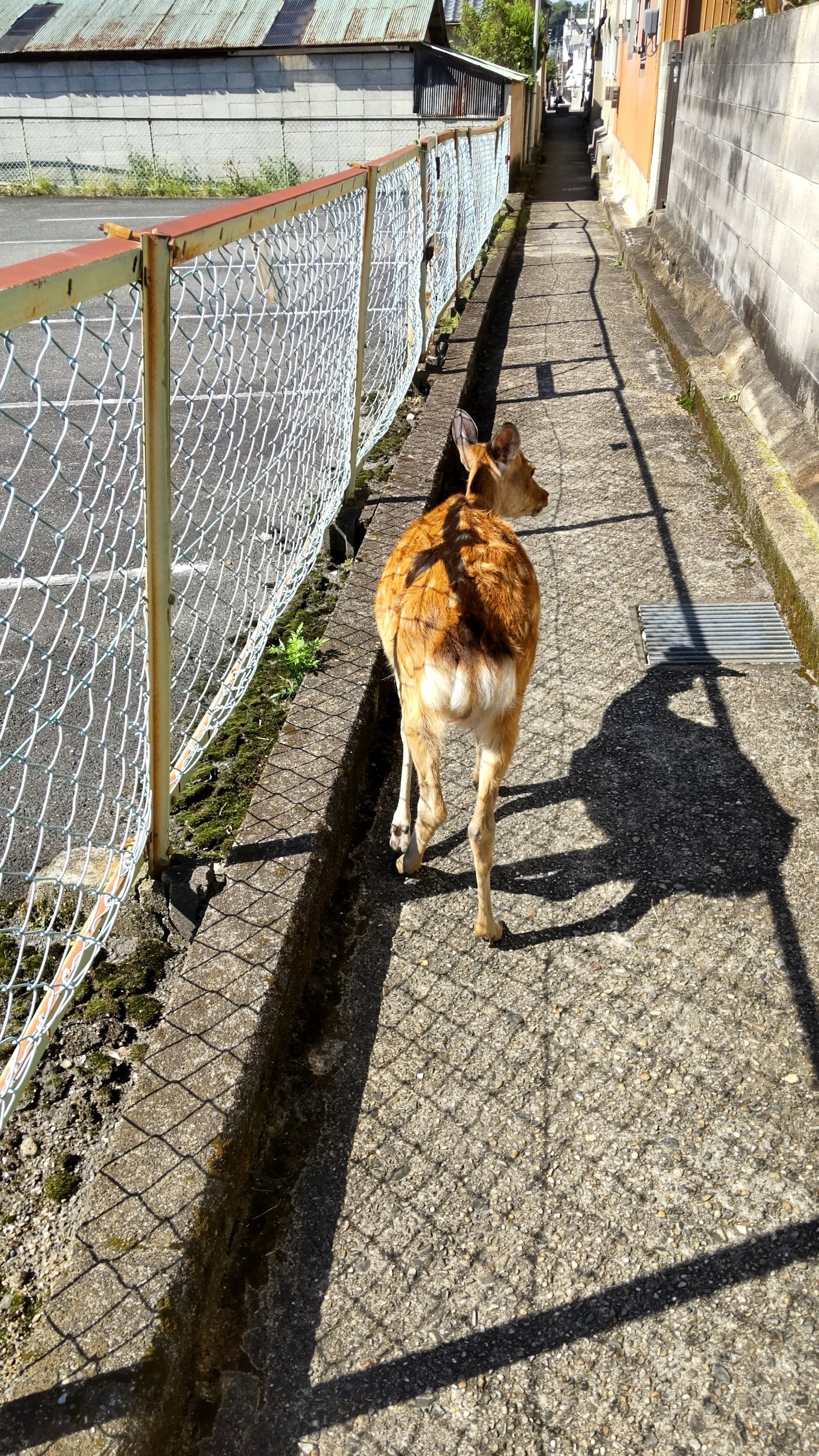
The quiet historic quarter north of Nara Park, an old highway town of machiya and temple gates far less crowded than Naramachi.
Nara Kitamachi, usually written simply Kitamachi ('north town'), is the historic district that spreads across the area north of Kofuku-ji and Nara Park, along the old Kyoto highway that once carried travellers between the ancient capitals. Where Naramachi to the south has become well known and popular, Kitamachi remains distinctly off the beaten path - a neighbourhood of old townhouses, temple gates and quiet lanes where the pace is slow and the crowds are thin. For visitors who have enjoyed Naramachi and want more of the same atmosphere without the foot traffic, it is a rewarding discovery.
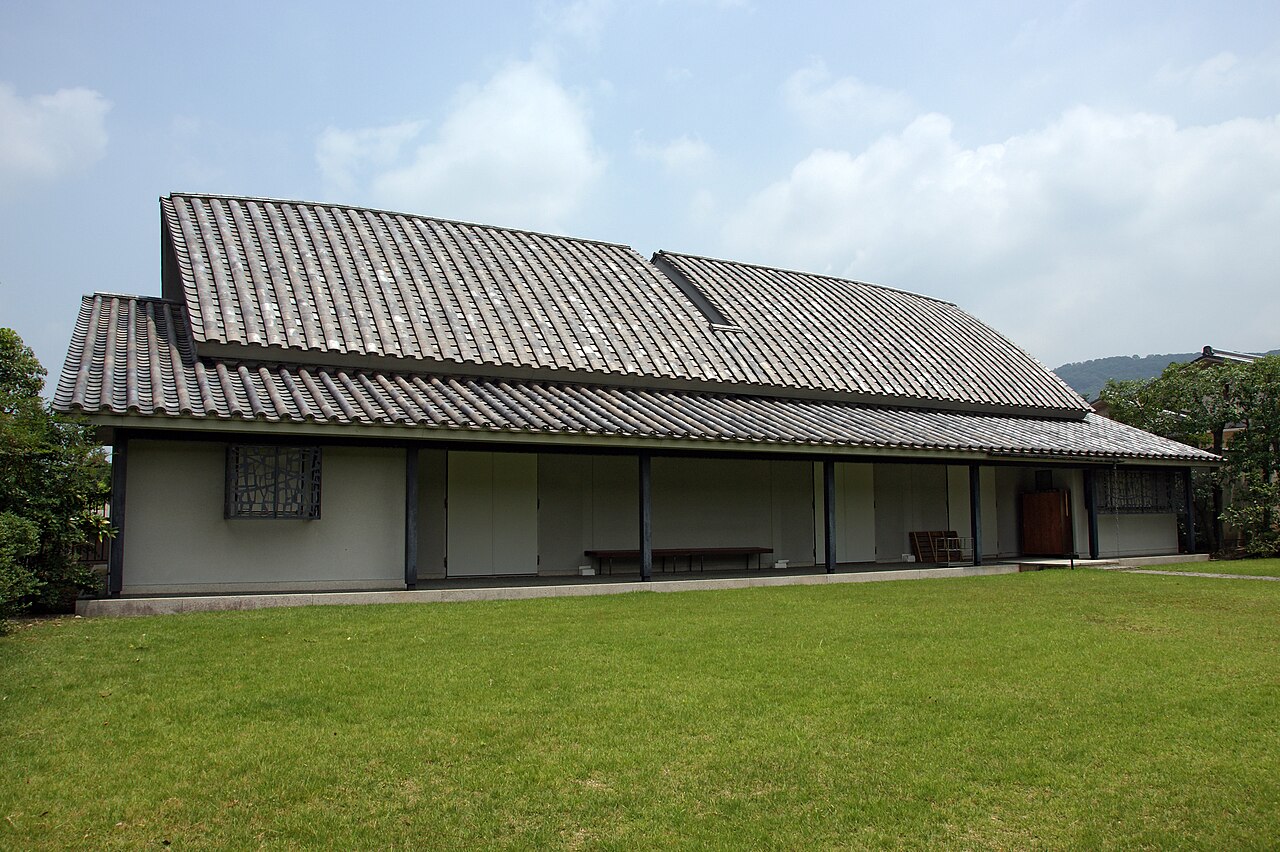
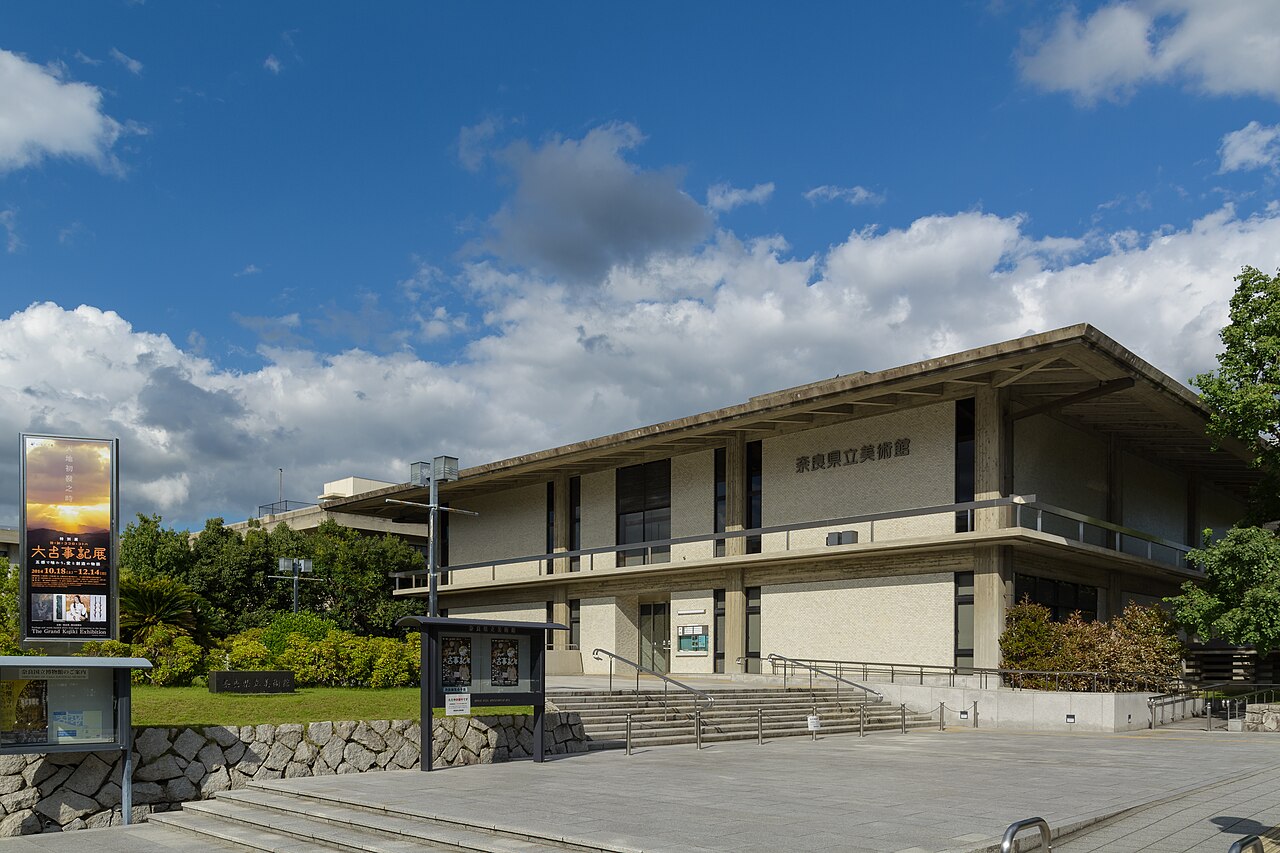
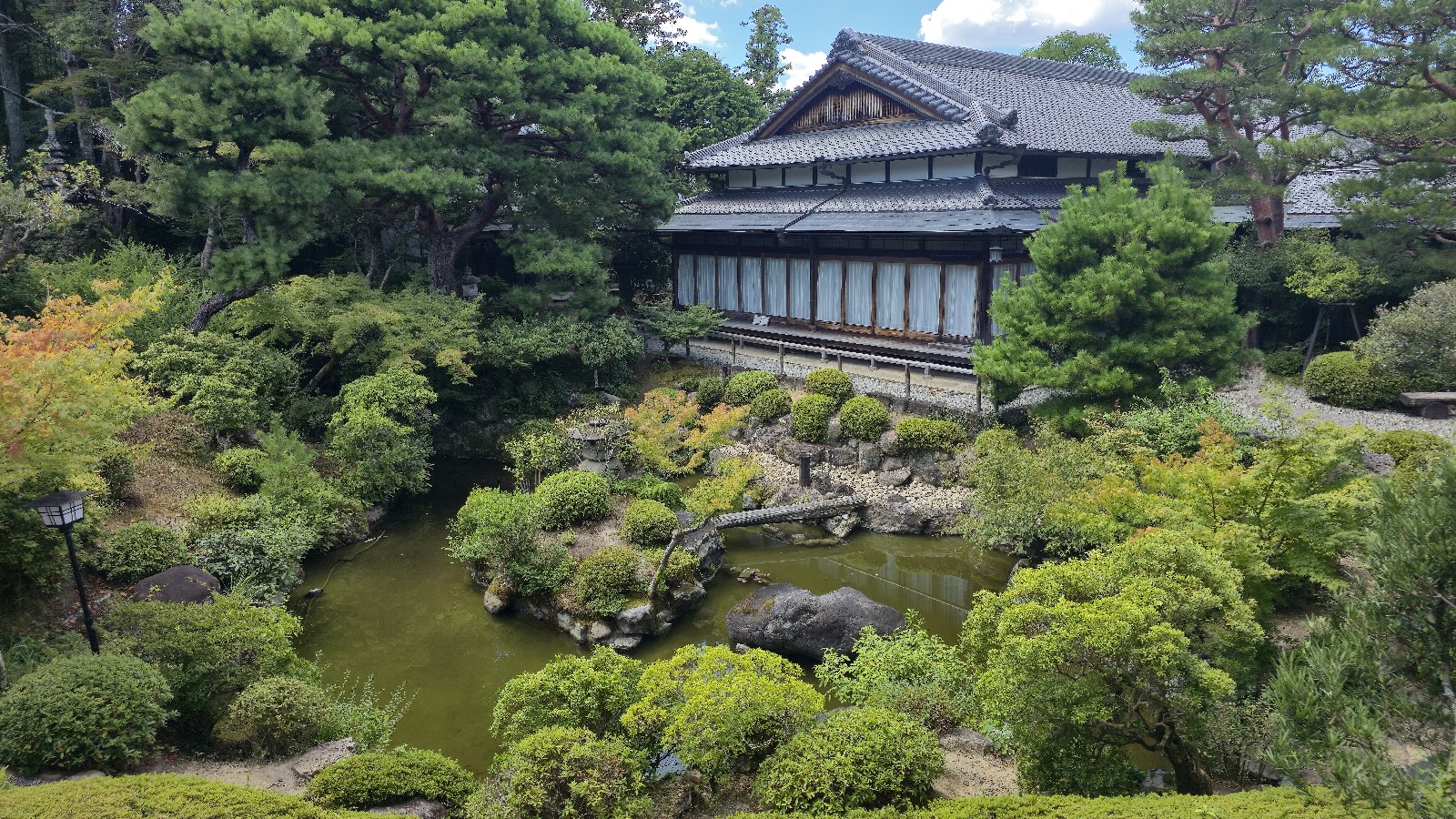
The district grew up around the northern approaches to Todai-ji and along the highway to Kyoto, and its history is written into its layout. The great Tegai-mon gate of Todai-ji, one of the temple's few structures to survive the fires and wars of the medieval period, stands at the edge of the area, a weathered wooden monument dating in its origins to the 8th century. Around it, the streets are lined with machiya merchant houses, old shops and temple sub-precincts, some now sensitively converted into cafes, galleries and guesthouses while retaining their historic frames. A former prison building, its handsome brick architecture a landmark of the modern era, adds an unexpected note to the townscape.
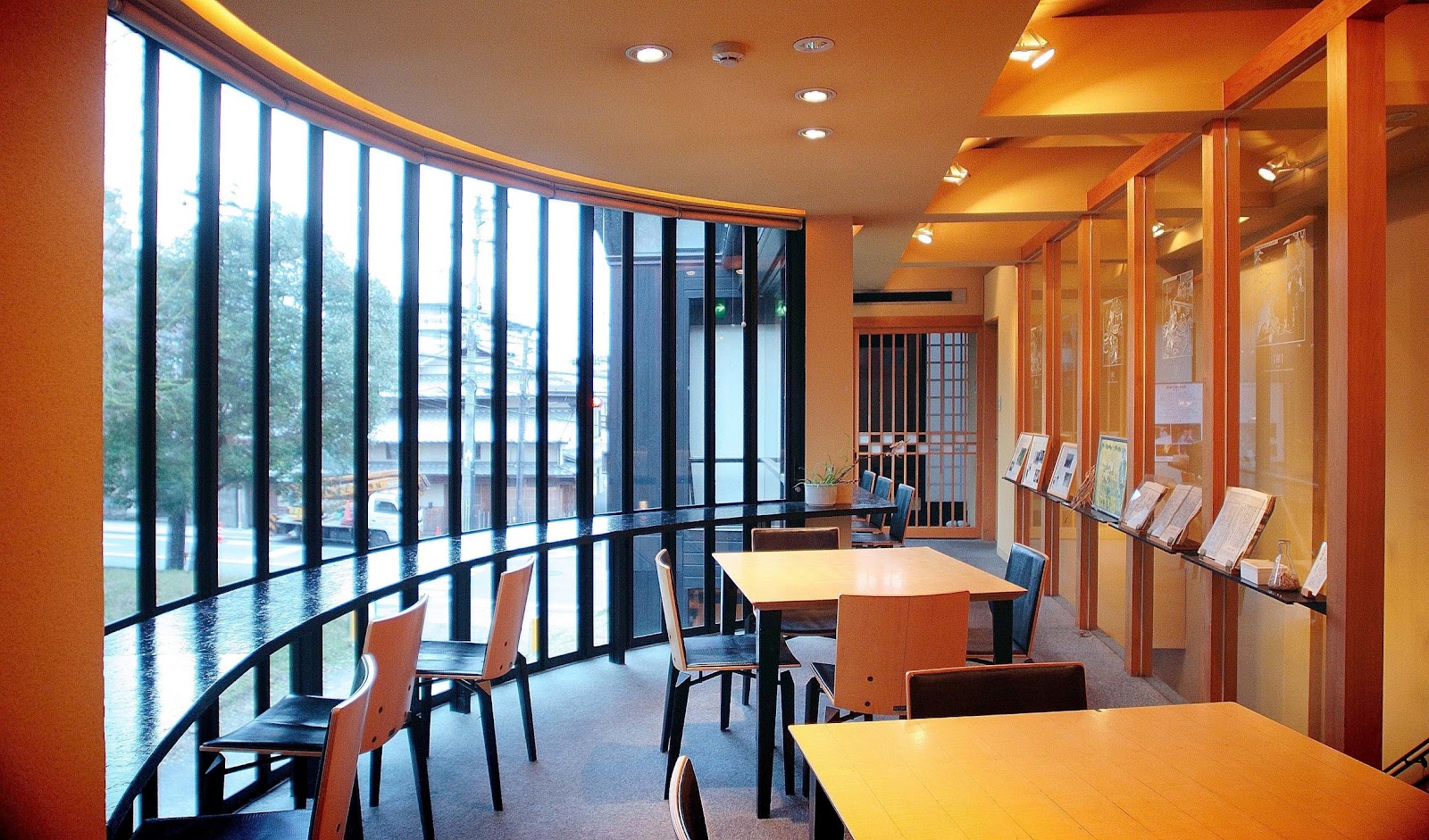
What gives Kitamachi its particular appeal is the sense of a living, lived-in old town rather than a preserved showpiece. Residents go about their day; a scattering of thoughtful independent cafes and craft shops has taken root among the traditional buildings; and the lanes reward aimless wandering, opening now onto a small temple, now onto a view of the wooded hills that back the district. Because relatively few tourists make it up here, the neighbourhood keeps an unhurried, authentic feel that the busier quarters have partly lost.
The visiting experience is gentle and largely flat, an easy walk suitable for most travellers, with the added pleasure of near-solitude on a weekday morning. There is no single obligatory sight - the reward is the ensemble of old streets, gates and quiet corners taken together, ideally at a slow pace with a coffee stop along the way. Spring and autumn bring extra beauty as cherry and maple colour the surrounding hills and temple grounds, but the district is atmospheric in any season.
Kitamachi pairs naturally with a visit to Todai-ji and the northern reaches of Nara Park, since it lies just beyond them. A good plan is to see the Great Buddha, then walk out through the Tegai-mon gate into the old town, leaving the deer and the crowds behind for an hour of peaceful exploration. From here it is also possible to continue toward the temples of the northern hills or loop back through the park to the station.
To reach it, walk north from Kintetsu Nara Station along the western edge of Nara Park and Kofuku-ji, heading toward Todai-ji's western gate; the old streets of Kitamachi begin in that area after about twelve minutes on foot. From JR Nara Station allow around twenty minutes. Come with time to spare and no fixed agenda, and let Kitamachi's quiet lanes unfold at their own pace.
A local's tip
Kitamachi is far quieter than Naramachi and much less visited, so it is the better choice if you want atmospheric old streets without crowds - look for converted machiya now housing cafes, a former prison turned landmark, and the venerable Tegai-mon gate.
Best time to visit
Weekday morning
Getting there
Walk north from Kintetsu Nara Station, past the western side of Nara Park and Kofuku-ji toward the Tegai-mon gate of Todai-ji; the old townscape of Kitamachi spreads along the former Kyoto highway in that area, about 12 minutes on foot.
Good to know
- Wi-Fi
- Restrooms
Plan the whole trip offline
Nara Kitamachi is one of many places in the Real Japan app — with turn-by-turn directions, nearby spots and full offline maps you can use with no signal.