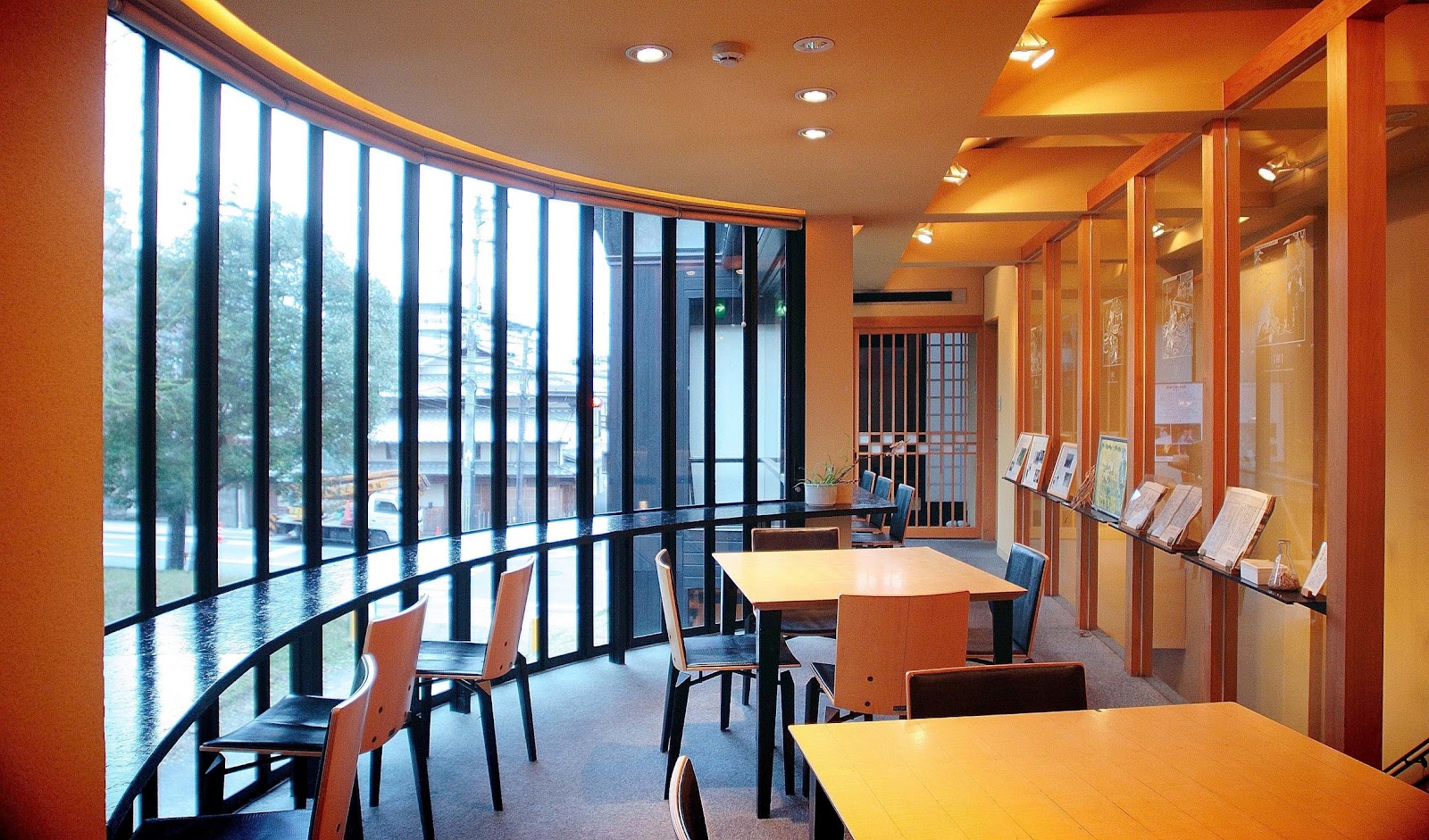
A traditional sweets shop near Todai-ji serving delicacies made from Yoshino hon-kuzu, Nara's prized arrowroot starch.
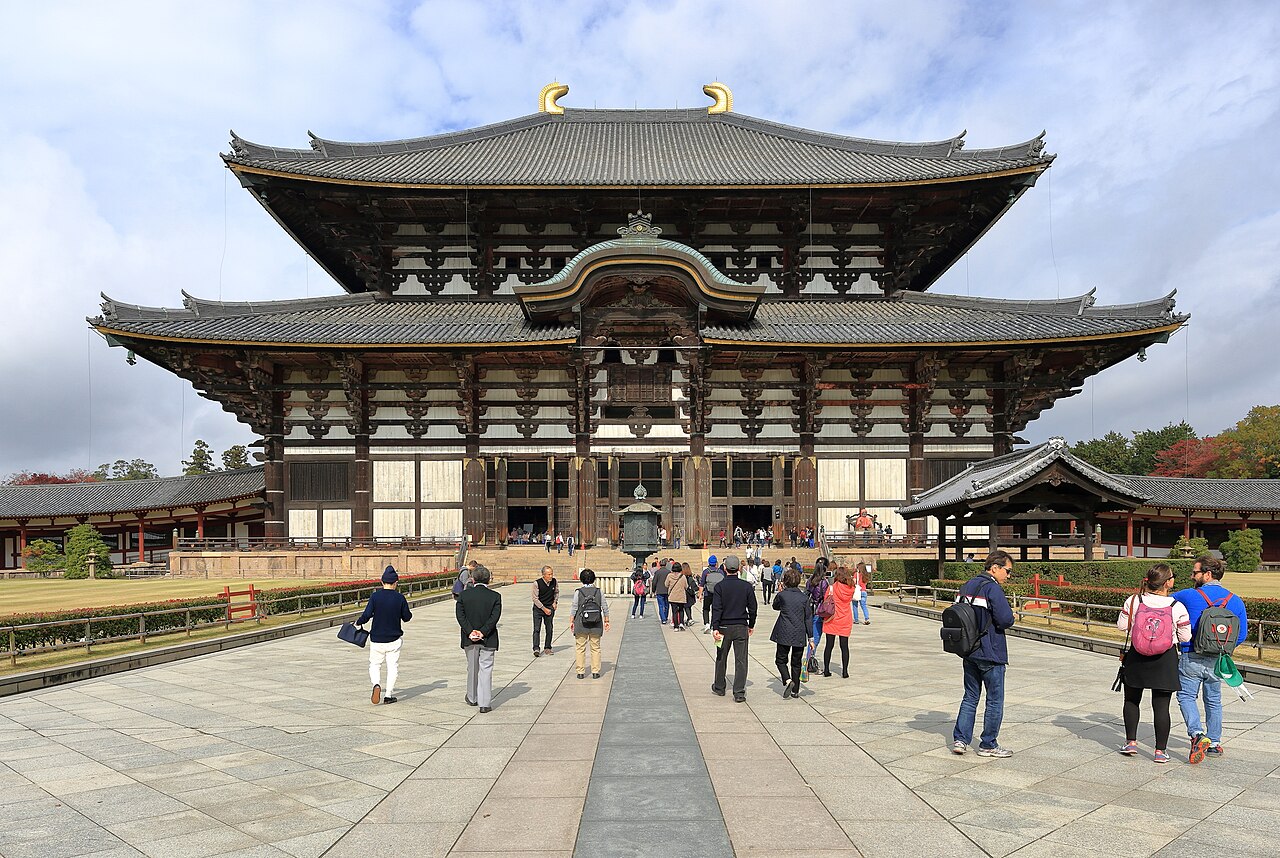
Nara Prefecture is famous for hon-kuzu — pure kudzu (Japanese arrowroot) starch — and Tengyokudo's Nara main shop is one of the best places in the city to taste what makes it special. A directly managed outlet of the historic Inoue Tengyokudo confectioners, established in 1870 and rooted in Gose in southern Nara, the shop sits near the ruined Nishimon (west gate) of Todai-ji, right on the approach travelers walk to reach the Great Buddha. That location turns it into an ideal pause: a quiet, traditional sweets stop moments from one of Japan's greatest temples.
To understand the appeal you need to understand kuzu. The starch is extracted from the root of the kudzu vine, a laborious process that yields only about 100 grams of flour per kilogram of root — which is why genuine hon-kuzu is precious and prized. The finest grade, purified in Nara using a traditional cold-water method known as Yoshino-zarashi, is called Yoshino hon-kuzu, and it is prized for producing sweets with a clarity, silkiness, and clean flavor that cheaper blends (kuzu cut with sweet-potato starch) simply cannot achieve. Tengyokudo works with this top-grade kuzu, made the way it has been since the shop's founding.
The menu turns that starch into a small repertoire of textures. Kuzu-mochi arrives jiggly and translucent, soft but resilient, dusted with kinako and pooled in kuromitsu (dark brown-sugar syrup). Kuzukiri — thin, noodle-like ribbons of kuzu served chilled — is freshly made and wonderfully slippery, cool and refreshing on a warm day. There is also goma-dofu (sesame tofu) bound with kuzu for an elastic, savory bite, and even kuzu-gayu, a gentle rice porridge thickened with the starch, prized as a light, soothing dish. For the fully committed, a multi-course "kuzu-zukushi" set showcasing the ingredient across every form can be arranged with advance reservation.
Eating here is a calm, seated experience — a proper wagashi cafe rather than a grab-and-go stand — which makes it a nice counterpoint to the busier street food near the stations. It is also a place to buy: the retail corner sells packets of Yoshino hon-kuzu to take home, where its superior thickening and glossy texture outperform ordinary potato starch in cooking, and boxed sweets for gifts.
Seasonally, the chilled kuzukiri and cold sweets come into their own in the warm months, offering a genuinely refreshing break from summer heat and temple-walking, while the warmer kuzu dishes and mochi suit cooler days year-round. Because the shop sits on the Todai-ji approach, it slots naturally into a temple visit — a restorative bowl of something cool and silky before or after facing the crowds at the Great Buddha Hall.
For travelers who want to go beyond Nara's obvious specialties, kuzu is one of the region's quiet culinary treasures, and Tengyokudo is an accessible, authentic, and reasonably priced way to experience it. A single bowl of freshly cut kuzukiri, translucent and glistening, is a small revelation — and a taste of Nara you will not easily find done as well anywhere else.
A local's tip
Order the freshly made kuzukiri and watch how translucent and slippery it is — pure Yoshino hon-kuzu has a jelly-clear, silky texture that the cheaper potato-starch versions can't match. It is served chilled with kuromitsu (brown sugar syrup); ideal on a hot day.
Best time to visit
Warm months for chilled kuzukiri; any time for kuzu-mochi
Getting there
Near the ruins of the Nishimon (west gate) of Todai-ji, on the approach toward the Great Buddha Hall. About a 20-minute walk from Kintetsu Nara Station toward Todai-ji, an easy stop before or after visiting the temple.
Good to know
- Retail shop
- Cafe seating
- Kuzu flour to buy
Plan the whole trip offline
Tengyokudo Nara Main Shop is one of many places in the Real Japan app — with turn-by-turn directions, nearby spots and full offline maps you can use with no signal.