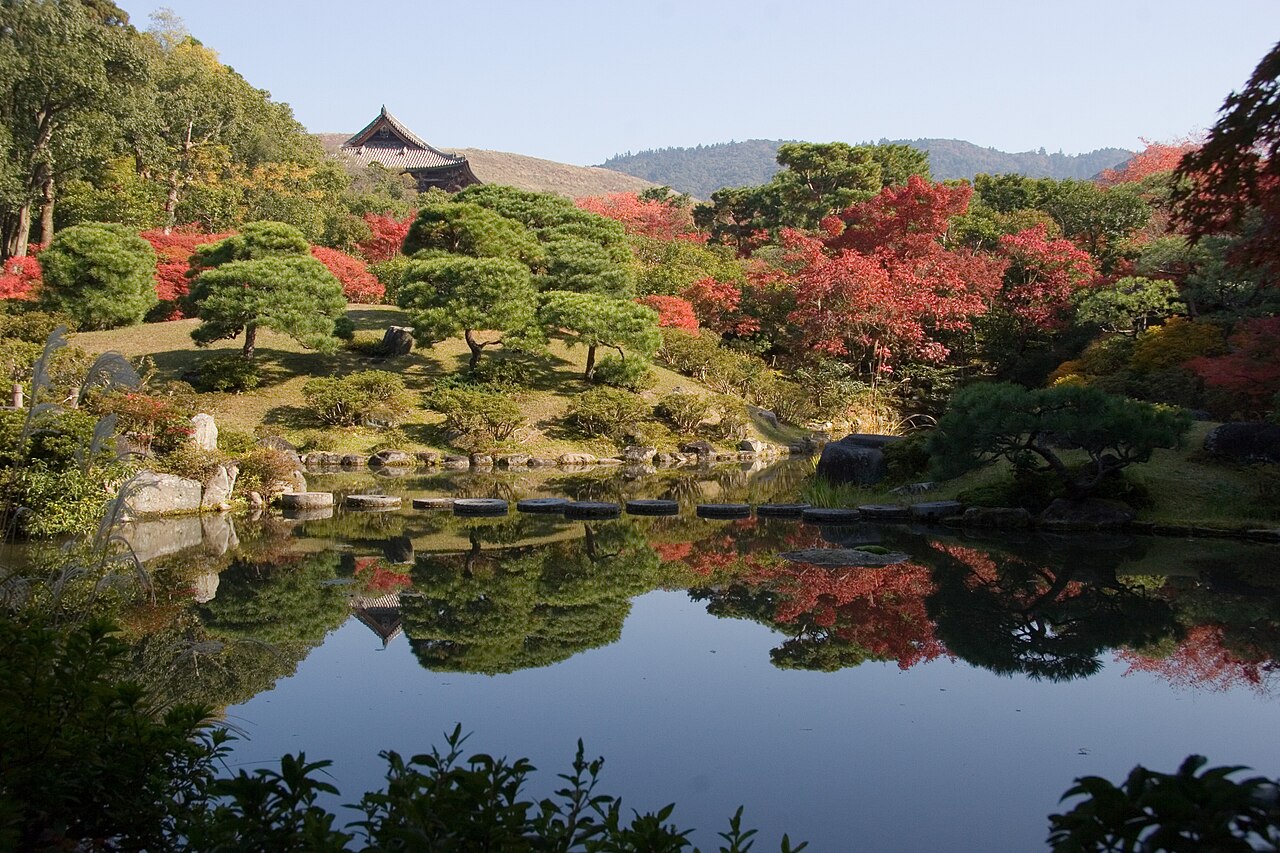
Nara's finest strolling garden, famous for borrowing distant temple gates and mountains into its own design.
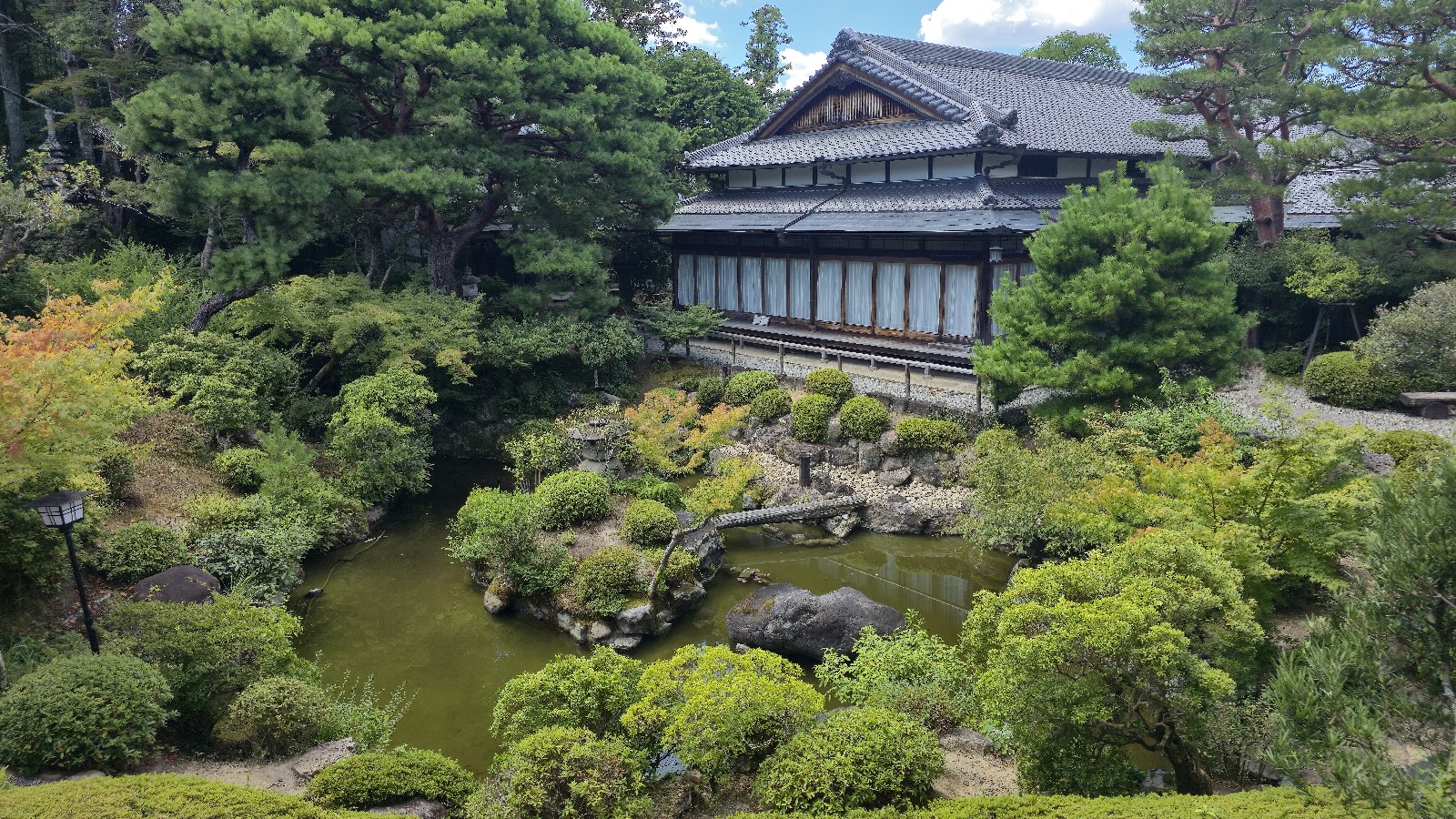
Isuien is widely regarded as the most beautiful garden in Nara and one of the finest surviving examples of the Japanese art of shakkei, or borrowed scenery. Its name means garden founded on water, a reference to the way it draws on the nearby Yoshiki River, and its two linked sections were laid out in two very different eras, giving visitors two distinct experiences within a single quiet enclosure on the northern edge of Nara Park.
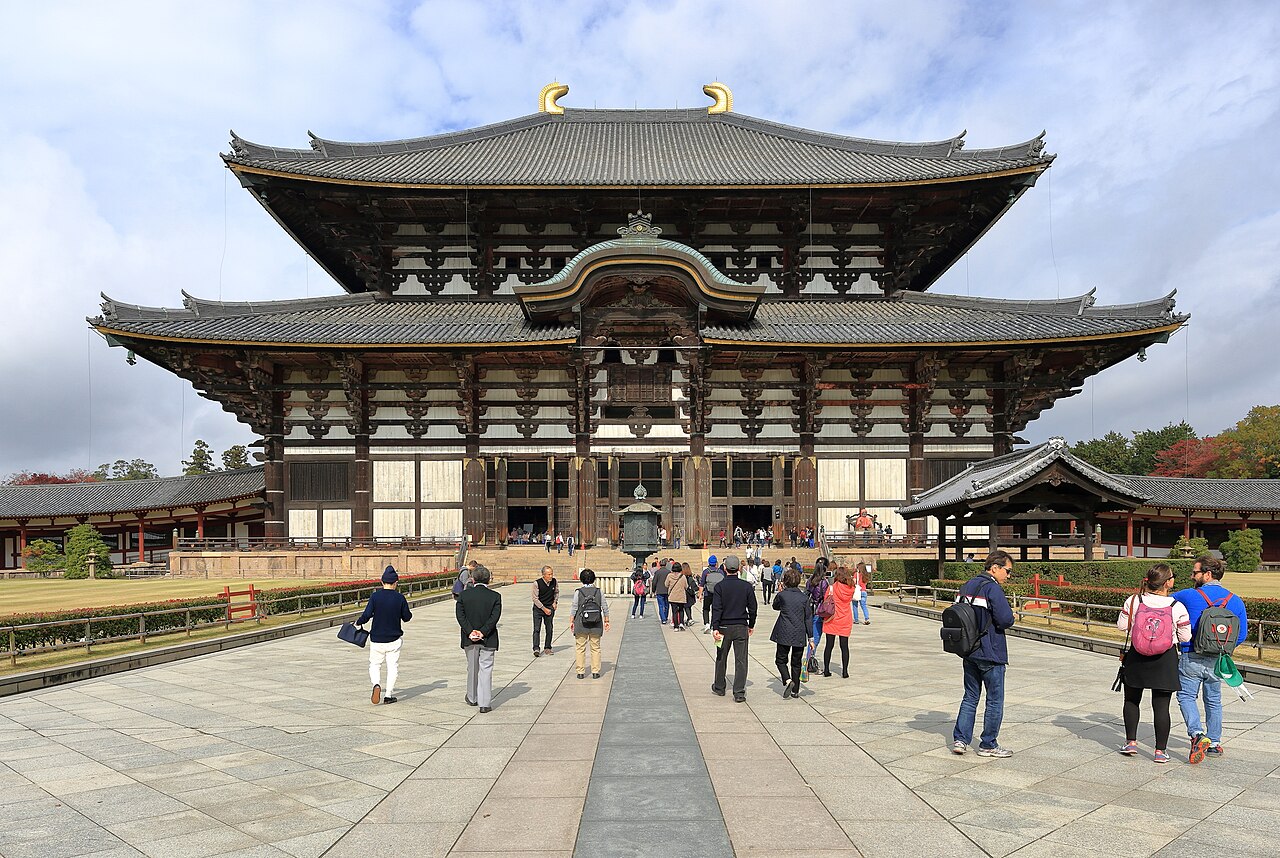
The front garden is the older of the two, created in the mid-seventeenth century by Kiyosumi Michikiyo, a wealthy tanner. It centres on a pond dotted with stepping stones and small islands, overlooked by thatched teahouses that were originally built to entertain guests. The rear garden was added much later, in 1899, by the Nara merchant Seki Tojiro, and it is here that the garden's genius is most obvious. The pond, paths and carefully placed rocks are composed so that the great thatched Nandaimon gate of Todai-ji, the roof of the Great Buddha Hall and the wooded slopes of Mount Wakakusa and Mount Kasuga all appear to rise directly out of the greenery, as though the distant landmarks were planted at the garden's own edge. This deliberate framing of scenery beyond the walls is what raises Isuien above a simple pond garden.
Walking the circuit takes around forty-five minutes to an hour at an unhurried pace. Stepping stones lead across the water and along the shore, revealing fresh compositions at every turn — a stone lantern reflected in still water, a maple leaning over the path, the borrowed mountains shifting in and out of view between the trees. Water flows through the garden along channels fed from the river, keeping the ponds fresh and the planting lush.
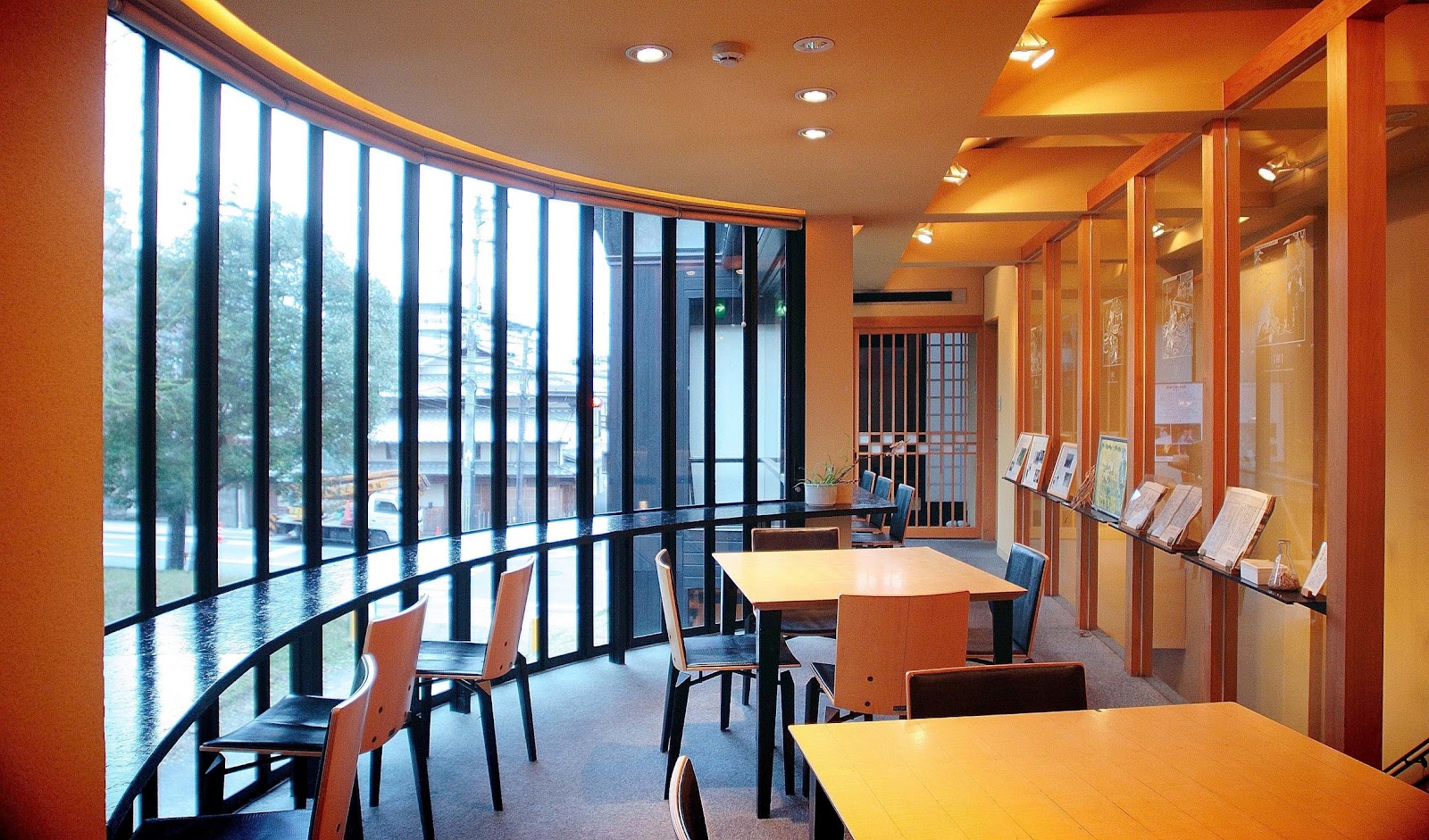
Within the grounds stands the Neiraku Art Museum, whose admission is included in the garden ticket. It displays ancient Chinese bronzes, Korean ceramics and other pieces of East Asian art collected by the garden's twentieth-century owners, offering a cool, quiet pause in the middle of a visit. Beside the ponds, the Sanshu teahouse still serves light meals and tea, and pausing there to look out over the water toward Todai-ji is one of the classic Nara experiences.
The garden changes markedly with the seasons. Spring brings cherry and fresh green, early summer the deep shade of maples and irises, and autumn a blaze of red and orange foliage reflected in the ponds — the most popular and most photographed time to visit. Because it sits slightly apart from the busiest deer-filled lawns of the park, Isuien tends to stay calm even when the surrounding sights are crowded.
Getting there is easy: it is about a fifteen-minute walk east from Kintetsu Nara Station, a few hundred metres south of Todai-ji and just northeast of Kofuku-ji. The garden is open from 9:30 to 16:30 and is closed on Tuesdays, so it pairs naturally with a morning at the temples before a slow, contemplative hour among its ponds.
A local's tip
Sit for tea at the Sanshu teahouse and look up — the borrowed view frames the Todai-ji gate and the hills of Kasuga as if they were part of the garden.
Best time to visit
Autumn for maple colour; late morning light
Getting there
A 15-minute walk east from Kintetsu Nara Station, a few hundred metres south of Todai-ji and northeast of Kofuku-ji, on the northern edge of Nara Park.
Good to know
- Museum
- Restrooms
- Tea house
Plan the whole trip offline
Isuien Garden is one of many places in the Real Japan app — with turn-by-turn directions, nearby spots and full offline maps you can use with no signal.