A once-declining island reborn as a world-famous open-air stage for contemporary art and Tadao Ando architecture.
Naoshima is a small island in the Seto Inland Sea that has become one of the most celebrated destinations for contemporary art in the world. Once a quiet, industrial-scarred island in decline, it was transformed beginning in the late 1980s and 1990s through the Benesse Art Site project, which set out to create a place where cutting-edge art, bold modern architecture, and the gentle island landscape would come together. The result is an extraordinary fusion in which world-class artworks are woven directly into the fishing villages, hillsides, and beaches of the island, drawing art lovers and curious travelers from across the globe.
The island's most iconic image is a Yayoi Kusama sculpture: a giant yellow pumpkin covered in her signature black polka dots, perched at the end of a pier against the backdrop of the sea. Photographing it — and its red counterpart near the ferry port — has become a rite of passage for visitors, and the pumpkins have come to symbolize not just Naoshima but the wider art-island movement of the Setouchi region. But they are only the beginning.
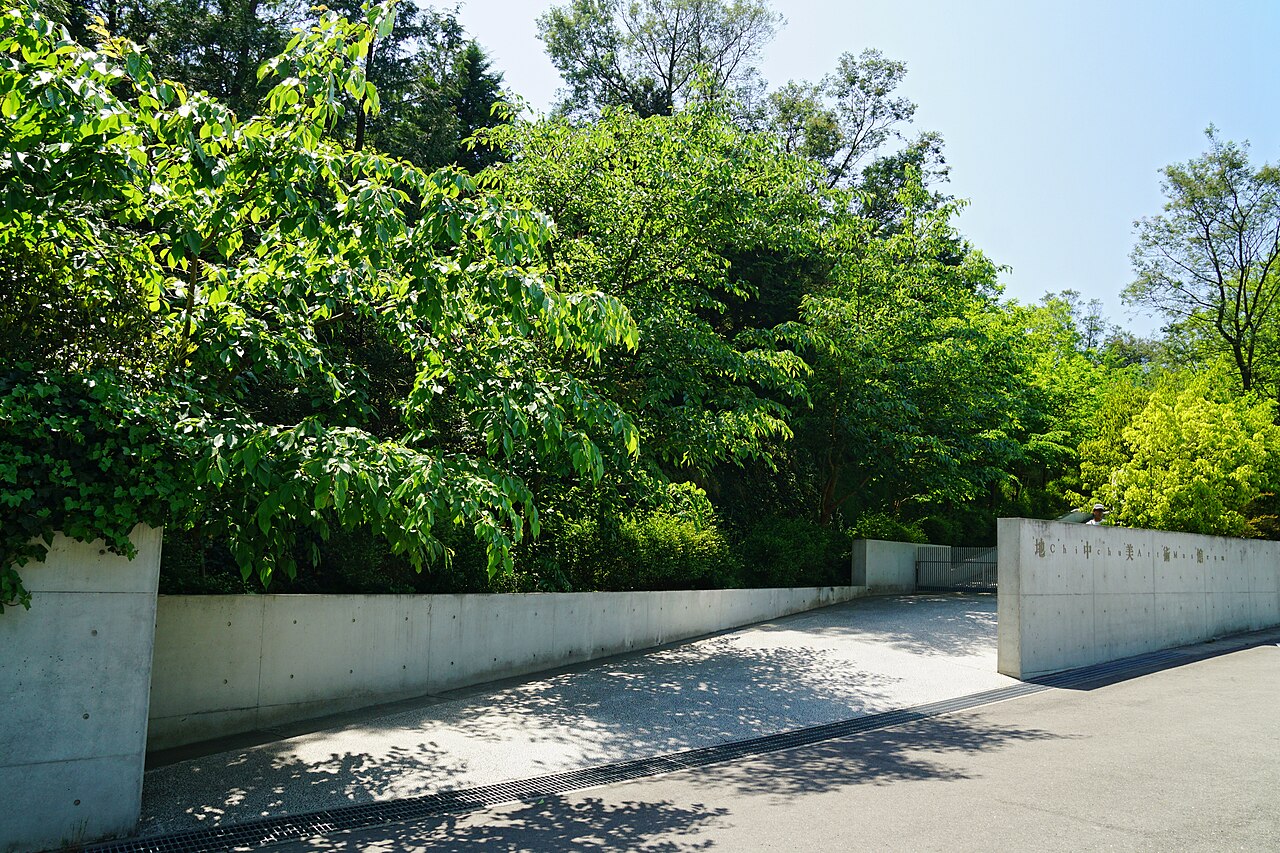
Much of the island's art and architecture is the work of the great architect Tadao Ando, whose austere, light-filled concrete buildings house several of the museums. The Benesse House Museum uniquely combines a gallery with a hotel, so guests literally sleep among the art and can wander the collection at night. Scattered across the island are outdoor sculptures and installations, while in the Honmura village district the celebrated Art House Project has turned old houses, a temple, and a shrine into immersive artworks, blurring the line between community and gallery.
Exploring Naoshima is a slow, rewarding affair. The island is compact but hilly, and visitors get around by a community shuttle bus, rental bicycles (electric bikes are popular for the slopes), or on foot, moving between museums, beaches, cafes, and the two main hubs of Miyanoura and Honmura. Because several museums require timed tickets and close on Mondays, and because there is far more to see than a rushed day allows, many travelers choose to stay overnight on the island or nearby to savor it properly.
Naoshima anchors a wider constellation of art islands including Teshima and Ogijima, and every three years it becomes a centerpiece of the Setouchi Triennale, an acclaimed international art festival that fills the islands with temporary installations and events. Even outside festival years, the permanent collection is more than enough to justify the journey.
Reaching Naoshima is a scenic ferry ride of roughly 50 to 60 minutes from Takamatsu Port, and the island is administratively part of Kagawa Prefecture, making it a natural extension of a Takamatsu itinerary. The island itself is free to roam, with admission charged at individual museums. For anyone with an interest in contemporary art, architecture, or simply beautiful and unexpected places, Naoshima is a genuinely singular experience and one of the highlights of the entire Setouchi region.
A local's tip
Reserve Chichu Art Museum tickets in advance and pose with Yayoi Kusama's iconic yellow pumpkin on the Benesse House pier at golden hour.
Best time to visit
Spring and autumn; visit on a Setouchi Triennale year for extra installations
Getting there
Take a ferry from Takamatsu Port to Miyanoura or Honmura on Naoshima (about 50-60 minutes), then use the island shuttle bus or a rental bicycle.
Good to know
- Cafes
- Restrooms
- Bike rental
Plan the whole trip offline
Naoshima Art Island is one of many places in the Real Japan app — with turn-by-turn directions, nearby spots and full offline maps you can use with no signal.