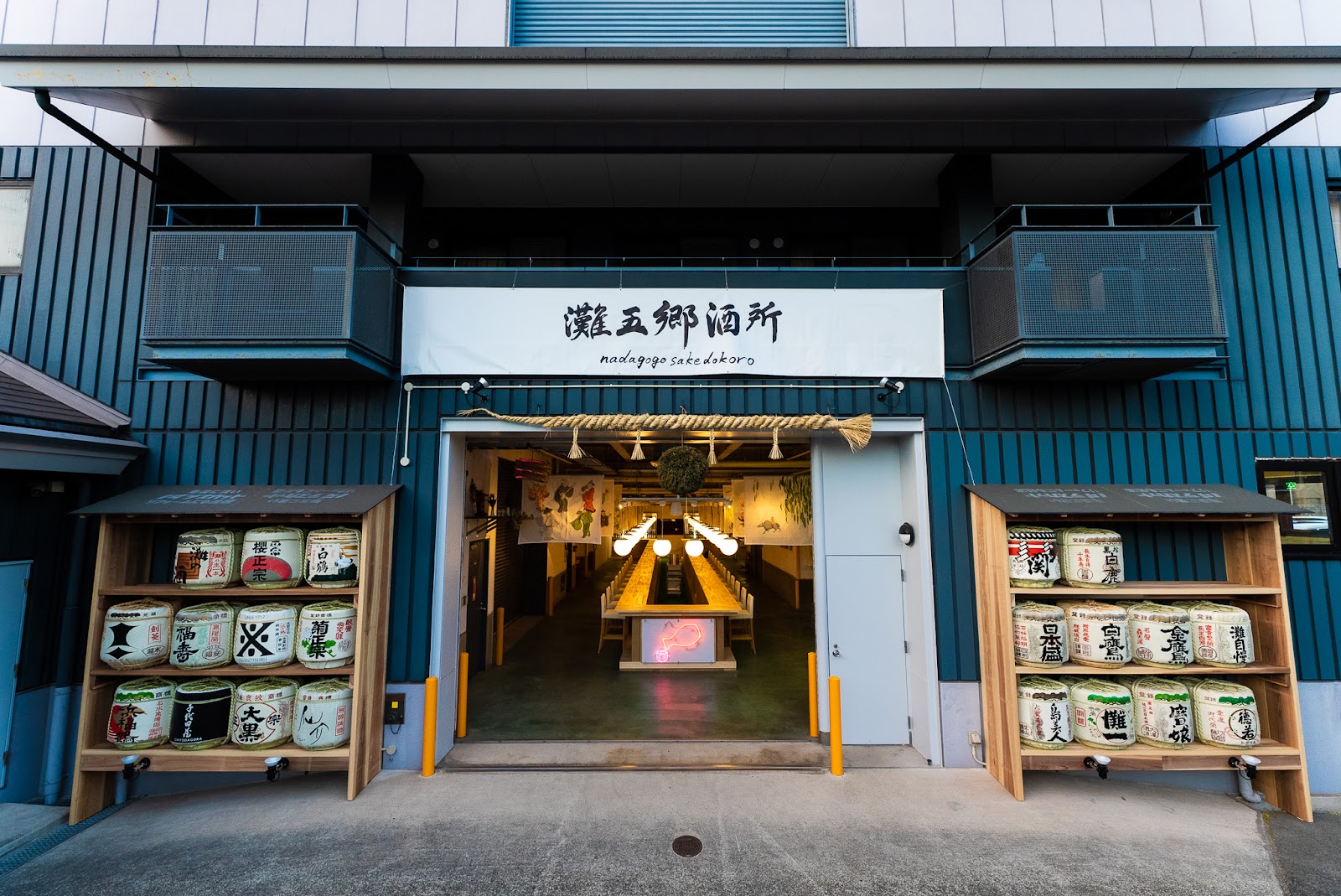
The streets of Japan's greatest sake-brewing region, where historic breweries between Kobe's eastern wards open their doors for museum tours and tastings.
The Nada Sake District — Nada Gogo, meaning the 'five villages of Nada' — is the most celebrated sake-producing area in all of Japan, and its streets in the eastern wards of Kobe offer one of the country's most rewarding walks for lovers of food, drink and industrial heritage. For centuries this narrow coastal strip has been synonymous with premium sake, and today it still accounts for a remarkable share of the nation's output, home to famous breweries whose names line supermarket shelves across the country.
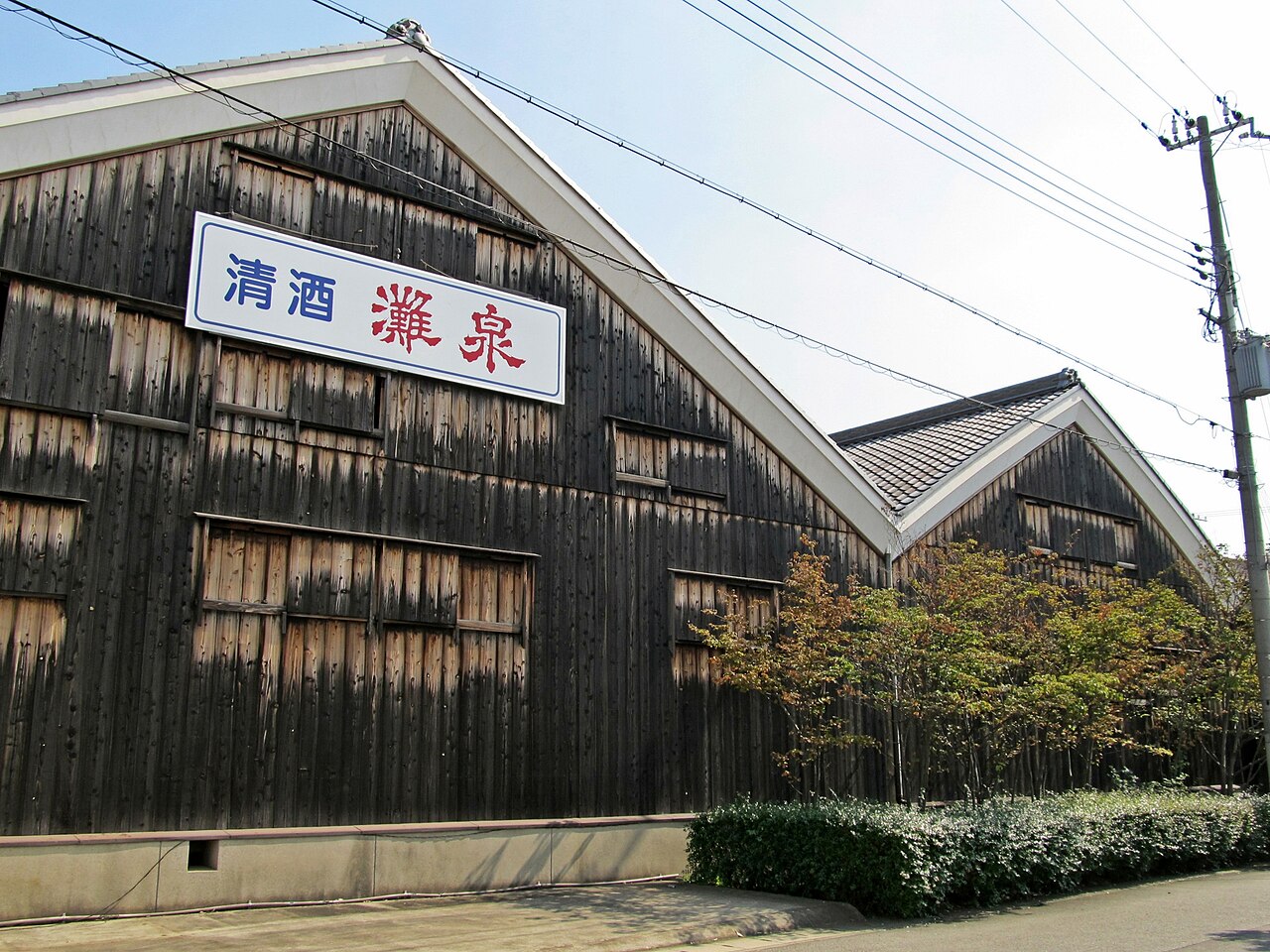
Several factors made Nada supreme. The area enjoyed access to Miyamizu, a mineral-rich spring water ideal for brewing; superb rice from the nearby Harima plain; cold winter winds off the Rokko mountains perfect for fermentation; and a coastal location that let brewers ship their sake by sea to the huge market of Edo. Skilled seasonal brewers known as toji perfected their craft here, and by the Edo period Nada sake was prized nationwide. Walking the district, you follow in the footsteps of that long tradition, past weathered wooden brewery buildings, warehouses and the occasional water well.
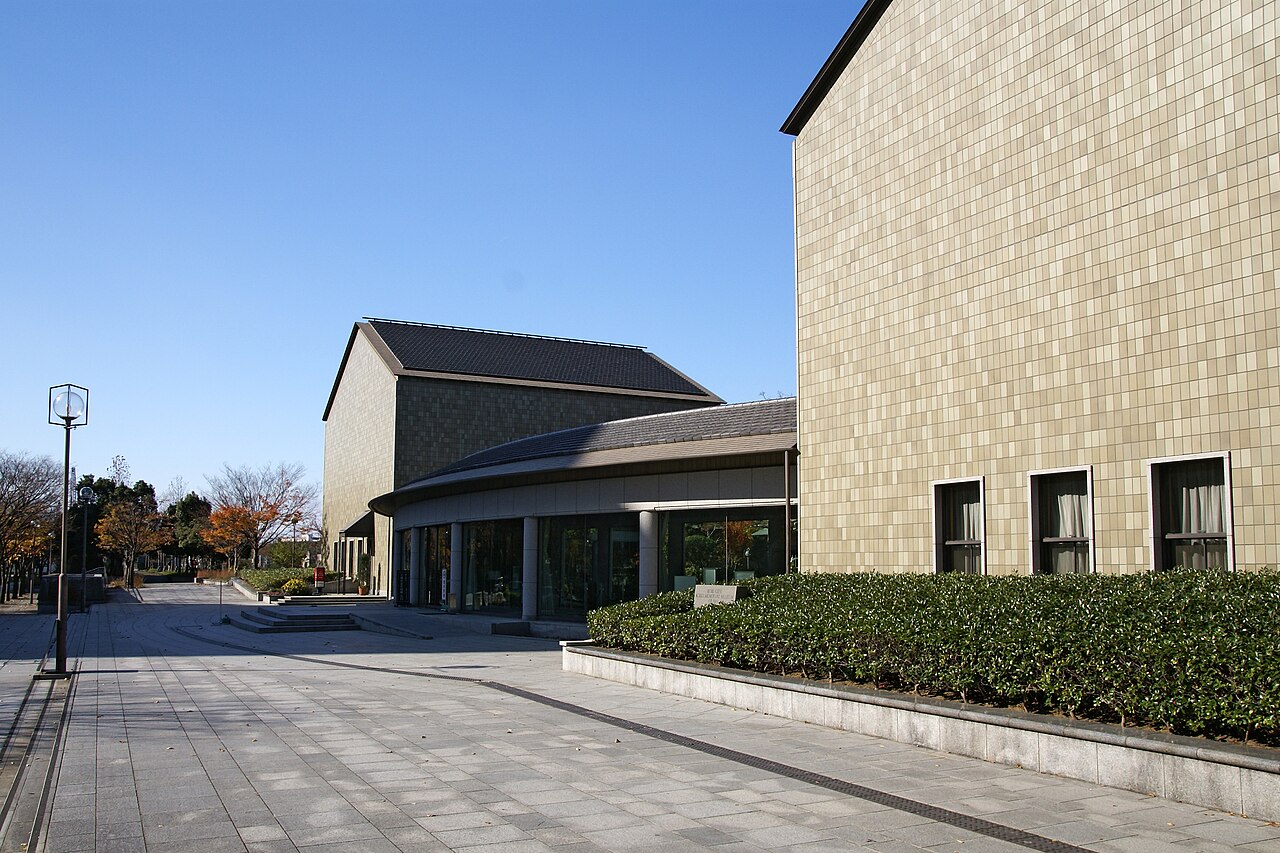
What makes Nada especially visitor-friendly is that many of the historic brewers have opened their doors. A cluster of excellent brewery museums — run by well-known makers whose kura, or storehouses, dot the district — welcome guests to learn how sake is made, view antique brewing tools and cedar vats, and, best of all, sample the results. Tastings are typically free or inexpensive, and the museum shops sell bottles you cannot easily find elsewhere, including seasonal and limited brews. Because the breweries are spread across the flat streets between the eastern stations, the district is designed almost as a self-guided sake trail; free maps make it easy to link several in an afternoon.
The experience is as much about atmosphere as alcohol. Between the breweries you walk quiet, low-rise streets with a workaday, faintly old-fashioned feel, catching the sweet, yeasty scent of fermentation on the air during brewing season. The district also carries a note of resilience: it was hit hard by the 1995 earthquake, and several breweries lovingly rebuilt their historic halls, so the tour is also a story of survival and continuity.
For the traveller, Nada is best enjoyed unhurried, ideally in the traditional brewing months from autumn into winter when the kura are most active. Pace yourself across two or three breweries, enjoy the tastings responsibly, and linger over the museums' displays. It pairs well with a visit to the nearby Okamoto cafe district or a return to central Kobe for dinner. The walking is flat and undemanding, suitable for most visitors, though brewery museums keep daytime hours and some close on set days, so a little planning helps.
The brewery streets cluster around Uozaki and Sumiyoshi stations on the Hanshin Main Line and JR, in the Higashinada and Nada wards of eastern Kobe. For anyone curious about Japan's national drink, few places offer a richer or more convivial introduction than a stroll through the streets of Nada.
A local's tip
Pick up a 'Nada Gogo' brewery map at any of the museums and walk between several breweries — most offer free or very cheap tastings, and the coastal streets between them are pleasant and flat.
Best time to visit
Autumn to winter, the traditional sake-brewing season
Getting there
The brewery streets cluster around Uozaki and Sumiyoshi stations on the Hanshin Main Line and JR, spread between Higashinada and Nada wards in eastern Kobe.
Good to know
- Shops
- Wi-Fi
- Tastings
- Restrooms
Plan the whole trip offline
Nada Sake District (Nada Gogo Streets) is one of many places in the Real Japan app — with turn-by-turn directions, nearby spots and full offline maps you can use with no signal.