The roof of the Alpine Route at 2,450 m, famous for a spring snow corridor with walls up to 20 meters high.
Murodo is the highest point on the Tateyama Kurobe Alpine Route, a highland plateau at 2,450 meters set amid the soaring peaks of Mount Tateyama, one of Japan's three holiest mountains. Reaching it is a journey through a succession of cable cars, ropeways, and buses that climb from the Toyama lowlands into a world of alpine tundra, and stepping off the bus into the thin, bracing mountain air feels like arriving in another country. Murodo is the staging point for mountain worship, hiking, and sightseeing alike, and for much of the year it is buried under some of the deepest snow on earth.
That snow produces Murodo's most famous spectacle: the Yuki-no-Otani, or 'Great Snow Valley,' snow corridor. Each spring, as the route reopens in mid-April, crews plow a road through snowdrifts that can accumulate to extraordinary depths, leaving vertical walls of packed snow towering on either side of the pavement. In the early season these walls can rise nearly 20 meters — as tall as a six-storey building — and a section is opened for visitors to walk between them, dwarfed by the sheer blue-white cliffs. The snow corridor draws crowds from around the world and is one of the defining images of Toyama's mountains, gradually shrinking as the season warms until it melts away by early summer.
Murodo is far more than a snow attraction, however. In the short alpine summer, from July, the snow retreats to reveal a stark, beautiful landscape of volcanic terrain, hardy wildflowers, and clear ponds. The nearby Mikurigaike, a serene crater lake, mirrors the surrounding peaks, and steam rises from the Jigokudani volcanic valley beyond. Well-marked trails let visitors take gentle strolls across the plateau or set off on serious climbs toward Tateyama's summits, where a mountaintop shrine has drawn pilgrims for centuries. Ptarmigan, the elusive alpine grouse that is a symbol of these mountains, can sometimes be spotted among the rocks.
Autumn arrives early at this altitude, and by late September the alpine meadows blaze with color while the first snows dust the peaks — a spectacular, fleeting season. Because the plateau sits so high, weather changes fast and temperatures stay cold even in midsummer; warm, layered clothing and sturdy footwear are essential year-round, and the snow-corridor season demands a proper jacket.
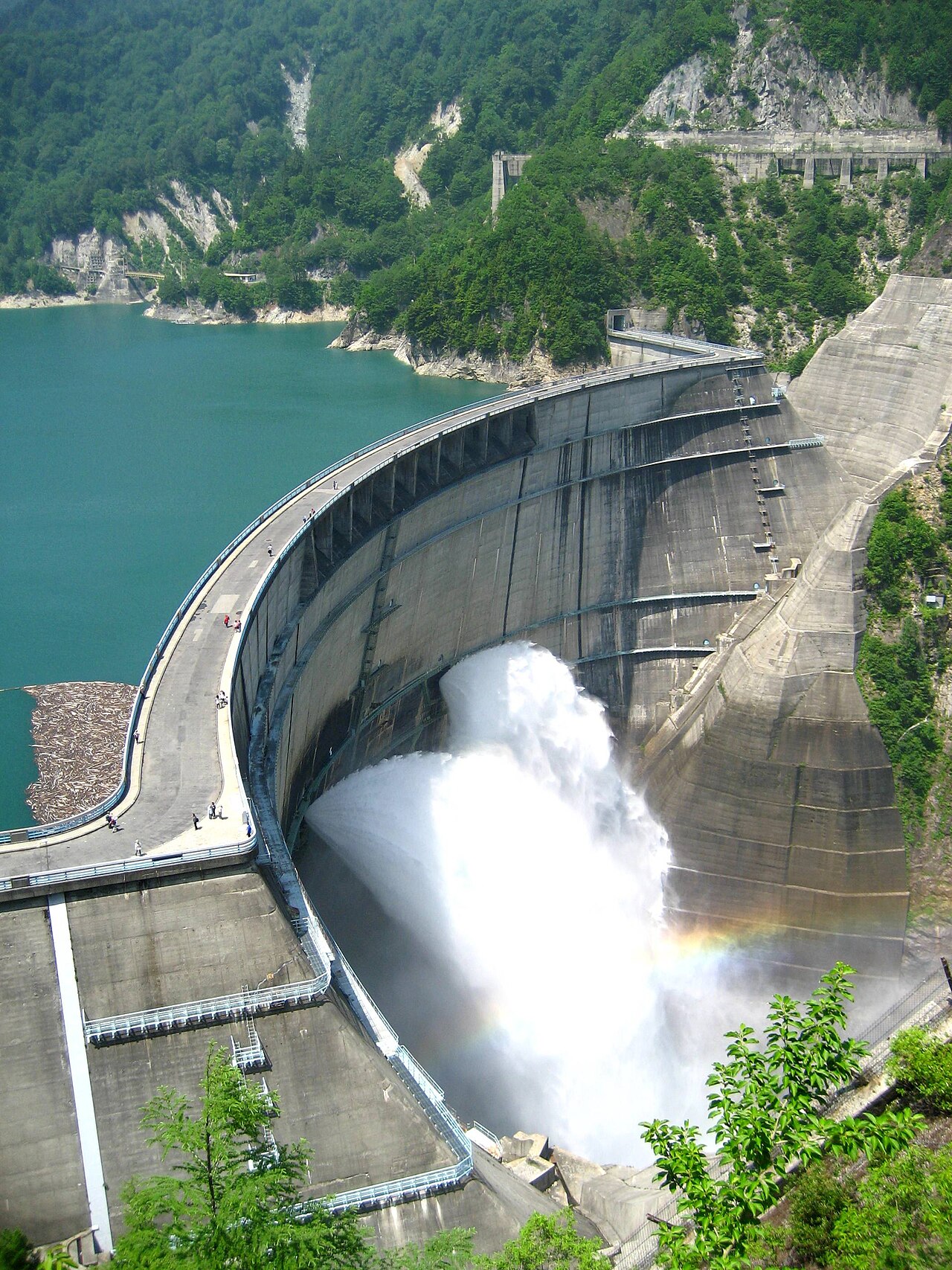
Murodo is accessed only via the Alpine Route, which operates from mid-April to the end of November before winter shuts the mountains entirely. Most visitors approach from the Toyama side, riding the Toyama Chiho Railway to Tateyama Station, then a steep cable car to Bijodaira and a highland bus up through changing forest zones to Murodo. The plateau can also be reached as part of the full traverse to Kurobe Dam and Nagano. However you come, Murodo is the breathtaking high point of one of the world's great mountain sightseeing routes.
A local's tip
Walk the open snow-wall corridor early in the season when the plowed walls can tower nearly 20 meters overhead.
Best time to visit
Mid-April to June for the towering snow walls
Getting there
From Toyama, take the Toyama Chiho Railway to Tateyama Station, then the cable car and highland bus up to Murodo, the highest point on the Alpine Route.
Good to know
- Hotel
- Restrooms
- Restaurant
Plan the whole trip offline
Murodo and the Yuki-no-Otani Snow Corridor is one of many places in the Real Japan app — with turn-by-turn directions, nearby spots and full offline maps you can use with no signal.