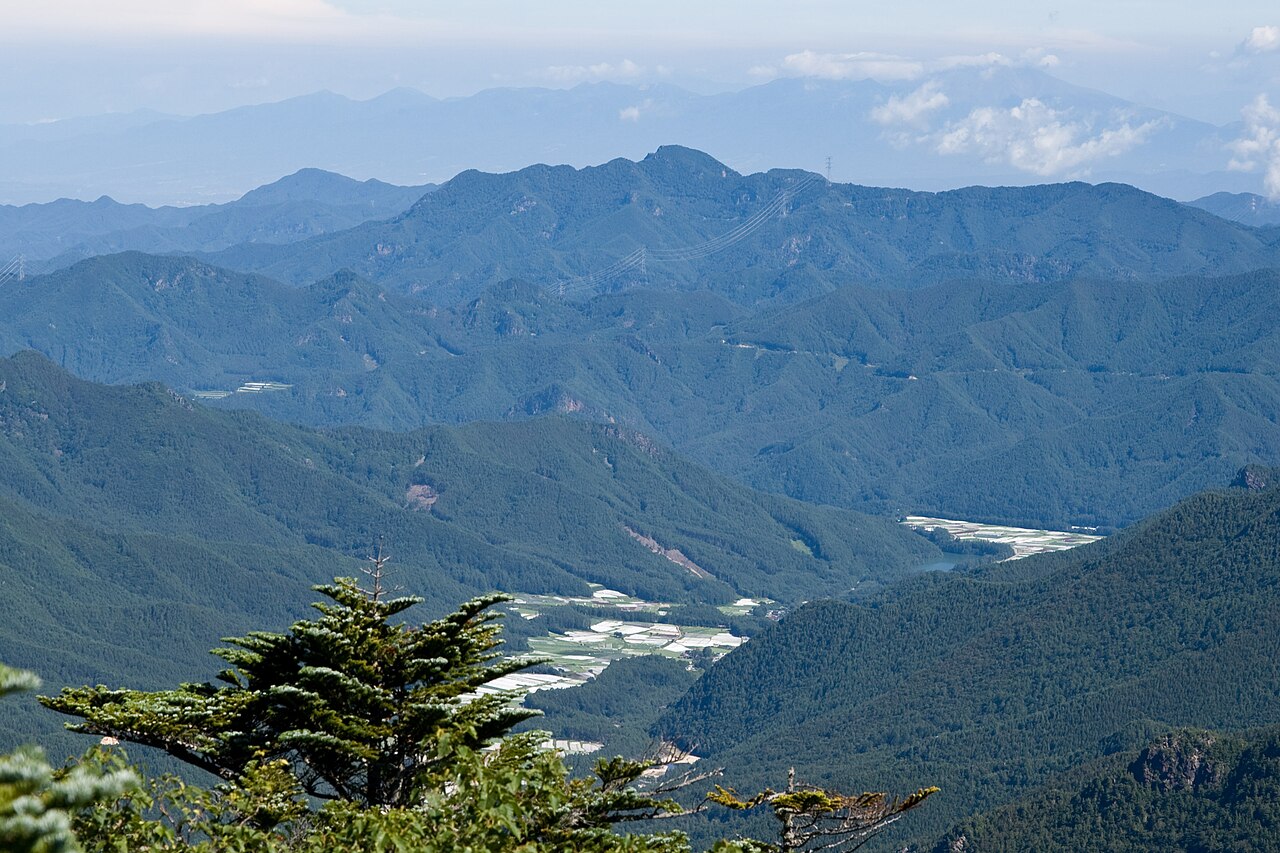
The 'poet's mountain' above Arashiyama at 296m, with quiet trails and views over the Hozu River gorge.
Mount Ogura, or Ogurayama, is a modest wooded hill of 296 metres rising behind the temple lanes of Sagano and Arashiyama in western Kyoto, yet its cultural weight far outstrips its height. This is the mountain that lends its name to the Ogura Hyakunin Isshu, the "One Hundred Poems by One Hundred Poets" — the single most famous anthology of classical Japanese poetry. In the early 13th century the great poet and critic Fujiwara no Teika is traditionally said to have compiled the collection at his retreat on these slopes, and for that reason Ogura has been revered for eight centuries as the "poet's mountain," a place woven into the very fabric of Japanese literature.
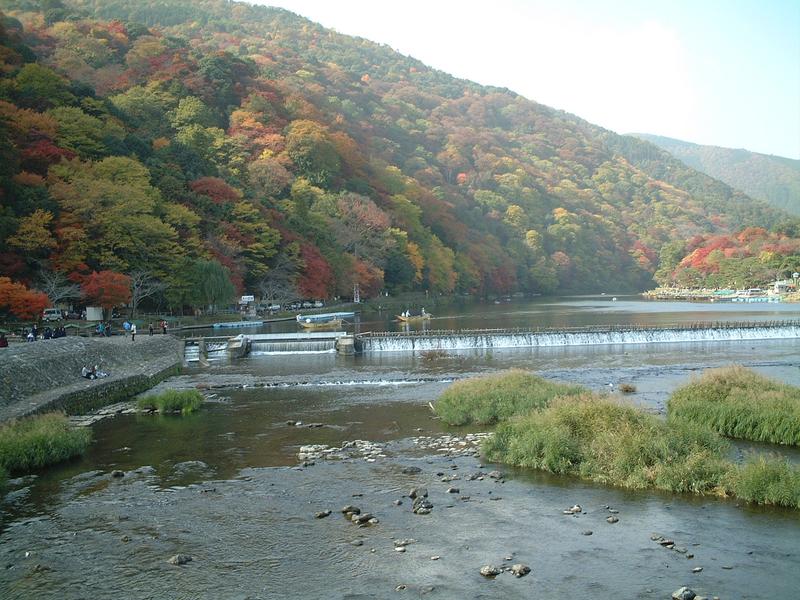
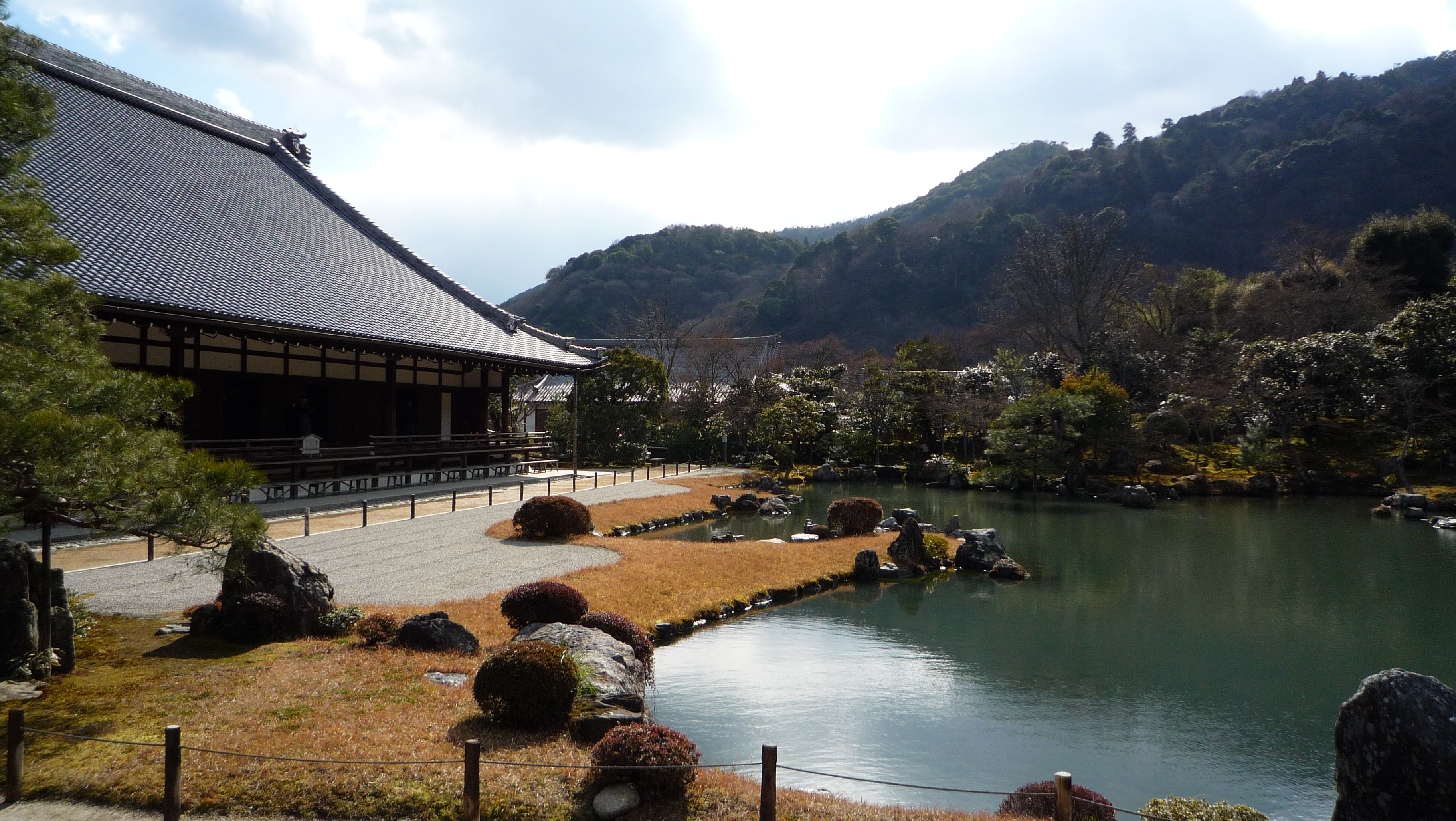
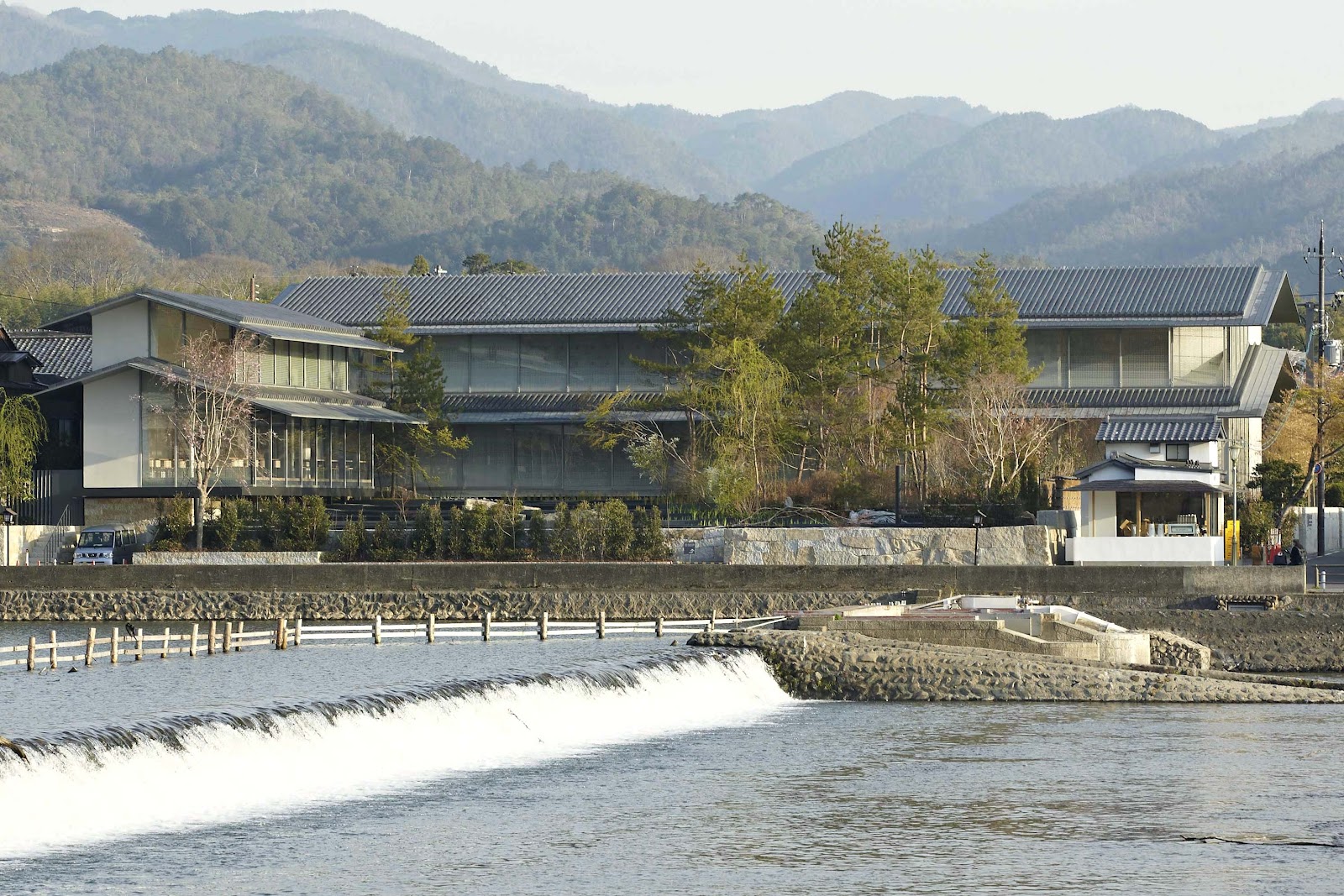
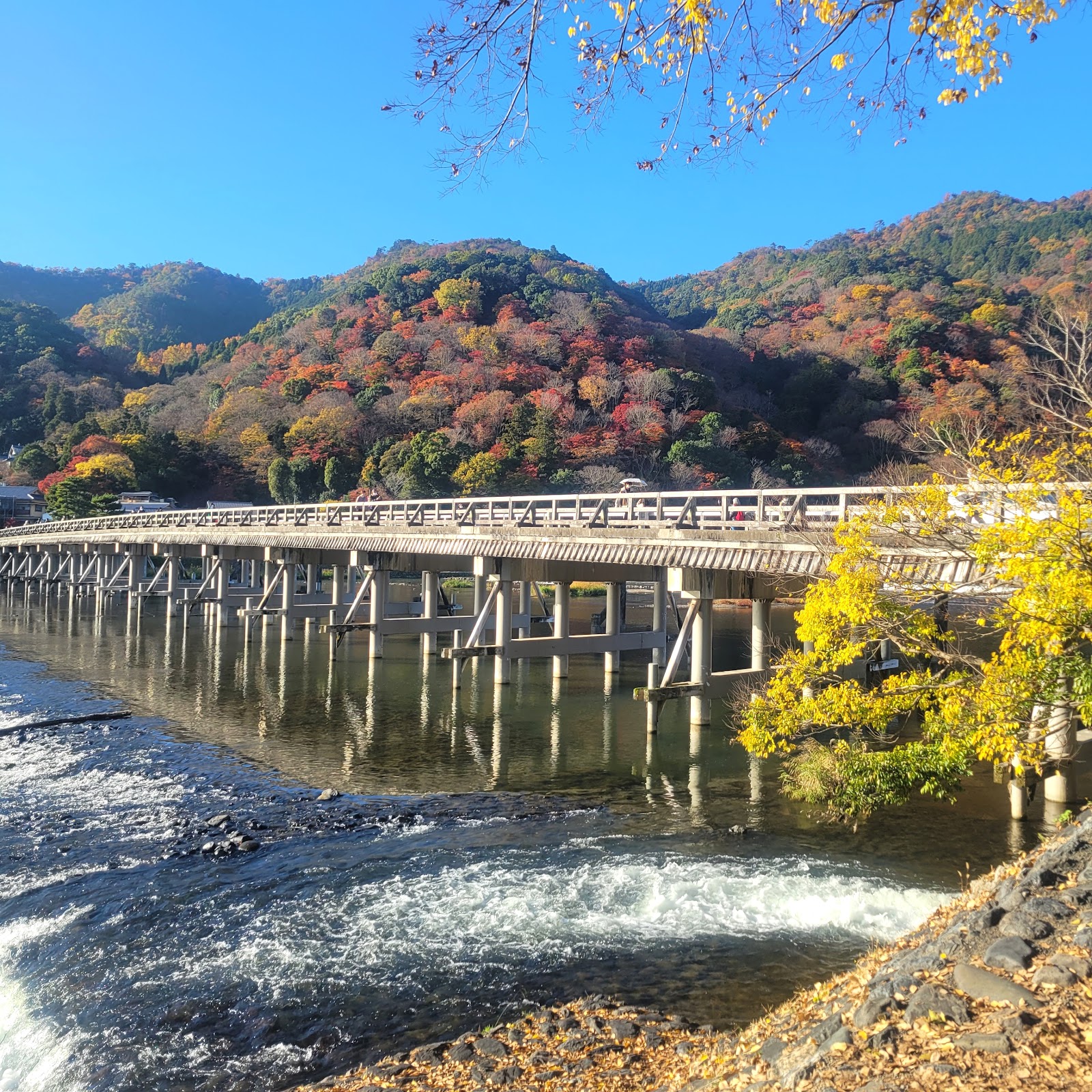
For the visitor, Ogura offers a rare thing in Kyoto: a genuinely peaceful hillside walk with real views, only steps from one of the busiest tourist districts in the country. While crowds throng the bamboo grove and the Togetsukyo Bridge in the valley below, the paths up Ogura remain quiet, shaded and contemplative. Well-trodden trails wind up through cedar and maple from the cluster of atmospheric temples at the mountain's foot — Nison-in, Jojakko-ji and the moss-cloaked Gio-ji among them — leading to clearings and lookouts that open onto the Hozu River gorge, the Arashiyama hills and, on clear days, the distant sprawl of the Kyoto basin.
The experience is as much about mood as about the view. The lower slopes are famous for their autumn colour: Jojakko-ji in particular is celebrated as one of the finest maple-viewing temples in Kyoto, and the whole hillside glows in November. In spring the fresh green of new leaves and scattered cherry blossom lend the paths a gentler beauty. Throughout the year the sound of birds, the filtered light through the canopy and the occasional weathered poem-stone create a reflective atmosphere that rewards a slow, unhurried pace.
Routing is flexible. Many visitors combine a gentle wander on the lower trails with temple-hopping through Sagano, turning back once they have reached a satisfying viewpoint; more committed hikers press on, and Ogura forms part of the longer and considerably tougher ridge route that continues over the hills toward Kiyotaki and the mountain temple of Jingo-ji at Takao, a demanding full-day outing of some 12 kilometres. Whichever you choose, the network of paths is well used and the elevation is manageable, making the shorter versions accessible to most reasonably fit walkers.
Because the trails are unlit and the forest thickens quickly, hike only in daylight, and after rain take care on the leaf-strewn slopes. Sturdy shoes, water and a little time in hand are all you need. To reach the base, take the JR Sagano Line to Saga-Arashiyama and walk northwest into the temple district, where signs and lanes lead up toward the Ogura-ike pond and the trailheads behind the temples. For travellers seeking to escape the Arashiyama crush and touch something of Kyoto's poetic soul, the poet's mountain is a quietly perfect half-day.
A local's tip
This is the 'Ogura' of the Ogura Hyakunin Isshu, the famous poem anthology — quiet paths and hidden viewpoints over the Hozu River make it a literary as well as scenic pilgrimage.
Best time to visit
Autumn for maples; spring for fresh green and blossom in the valley
Getting there
In the hills above the Sagano and Arashiyama districts. Walk from Saga-Arashiyama Station toward the Adashino or Ogura-ike area; trails lead up from the temple lanes behind Nison-in and Jojakko-ji.
Good to know
- Water
- Restrooms
Plan the whole trip offline
Mount Ogura is one of many places in the Real Japan app — with turn-by-turn directions, nearby spots and full offline maps you can use with no signal.