Kyushu's most beloved hot-spring village, a lantern-lit huddle of riverside ryokan and open-air baths in the Aso highlands.
Kurokawa Onsen is, for many travellers, the loveliest hot-spring town in Kyushu, a small, deliberately old-fashioned village of wooden ryokan tucked into a wooded river gorge in the highlands north of Mount Aso. It has become famous precisely by resisting modernity: no towering concrete hotels, no garish neon, but rather a huddle of traditional inns along the Tanoharu River, connected by stone steps and narrow lanes, lit at night by soft lanterns. The whole village manages its appearance collectively, and the result is one of the most atmospheric places to soak in Japan.
Kurokawa's signature experience is rotenburo-meguri, open-air bath hopping. Rather than committing to a single inn, day visitors buy a nyuto tegata, a round wooden pass, that admits them to any three of the participating ryokan's outdoor baths. Wandering from inn to inn with your towel and pass, choosing baths beside the rushing river, tucked into rock grottoes or screened by trees, is the heart of a Kurokawa visit. The waters vary in mineral content and colour from one source to the next, and the settings, steam rising among autumn maples or falling snow, are unforgettable.
Beyond the baths, the village invites slow wandering. The riverside lanes are lined with small cafes, sweet shops and craft stores selling local produce, roasted tea, pudding and hot-spring steamed treats. There are no big attractions to tick off; the pleasure is in the strolling, the soaking and the simple, nostalgic beauty of the place, especially at dusk, when the lanterns come on and the lanes glow.
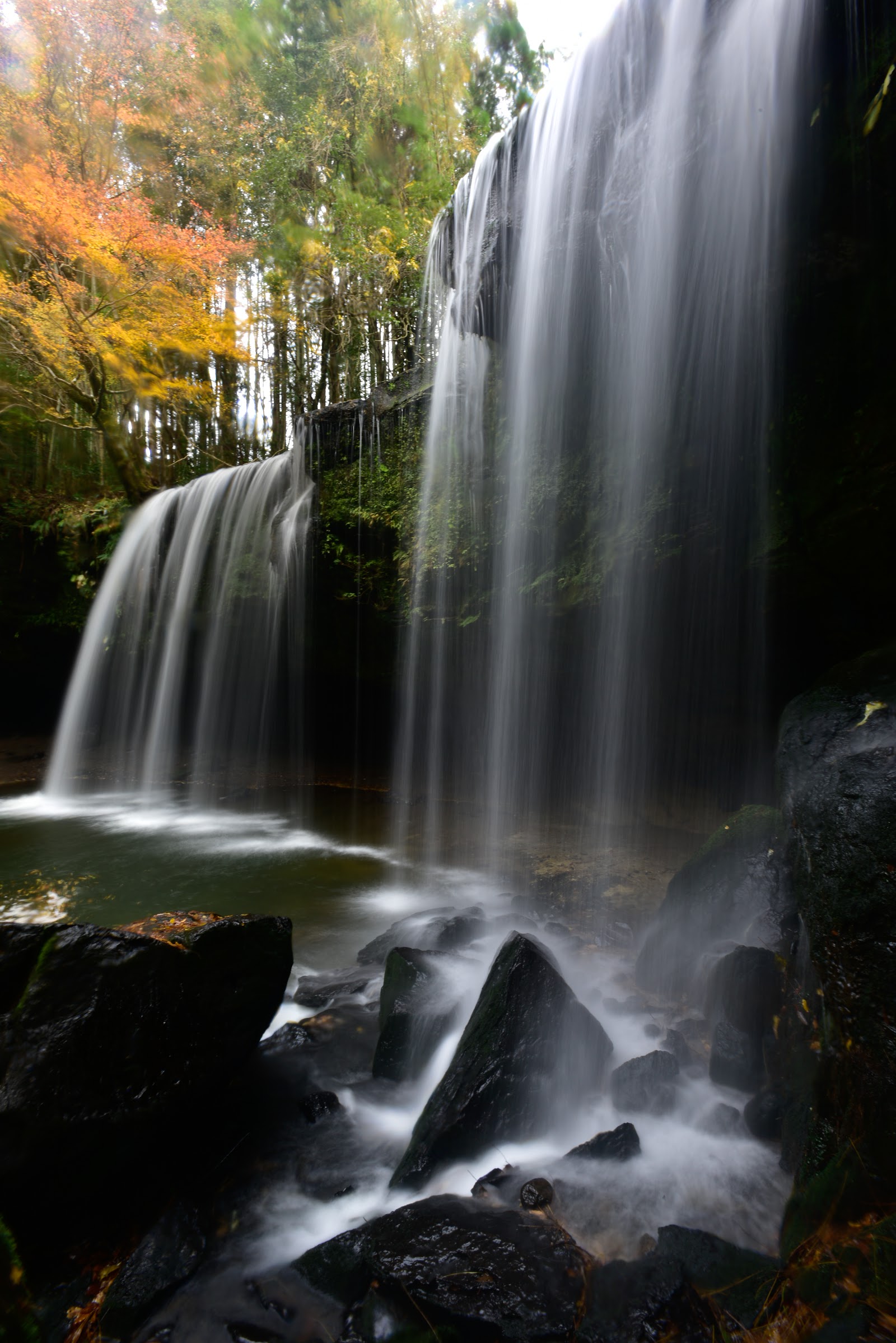
Kurokawa is at its most magical in autumn, when the surrounding maples blaze red and gold, and in winter, when snow settles on the wooden roofs and the outdoor baths steam against the cold. In winter the village also stages the Yuakari, an evening illumination of hundreds of bamboo lanterns along the river, one of Kyushu's most enchanting seasonal sights. Spring and summer are quieter and greener but no less pleasant.
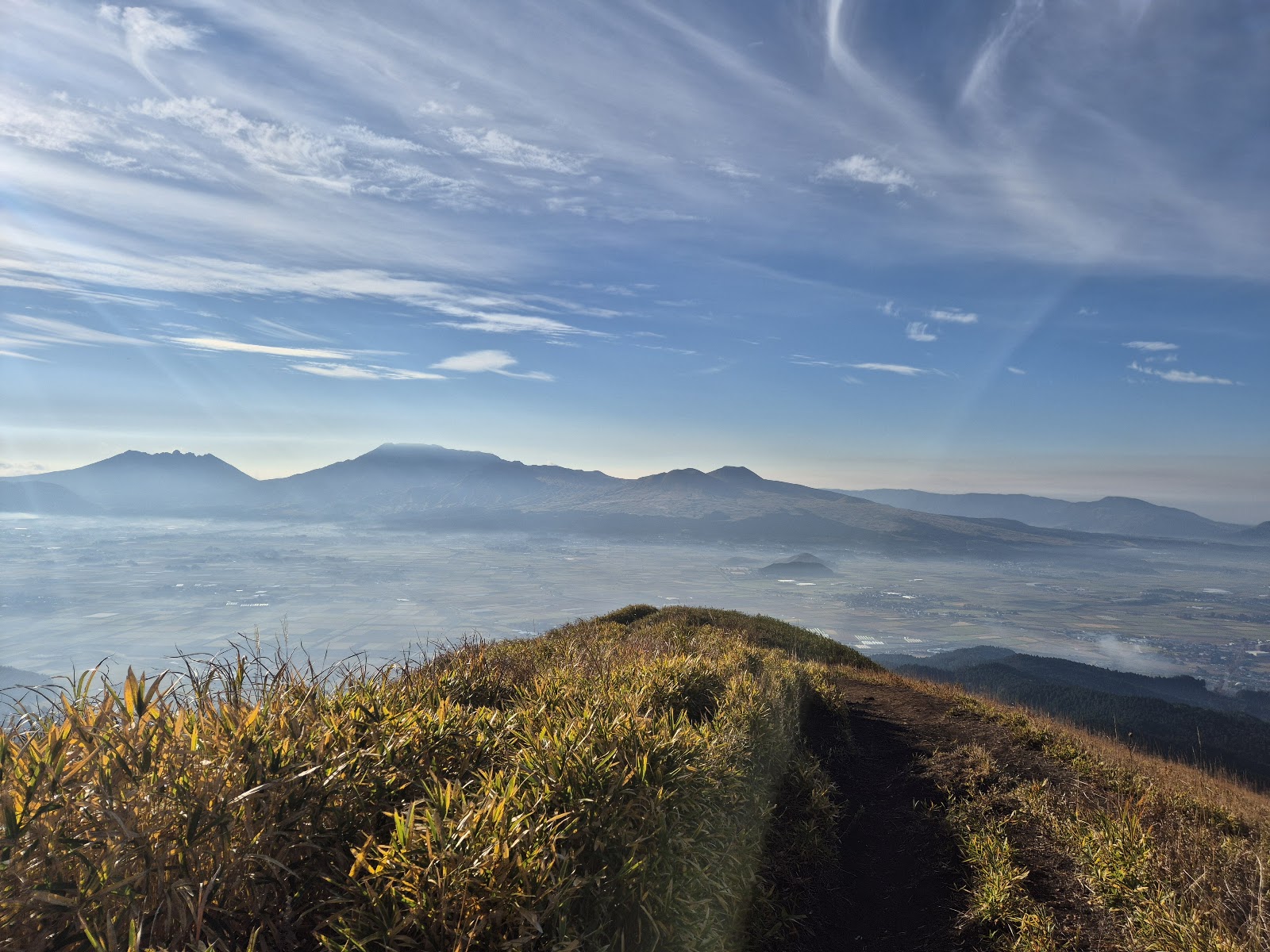
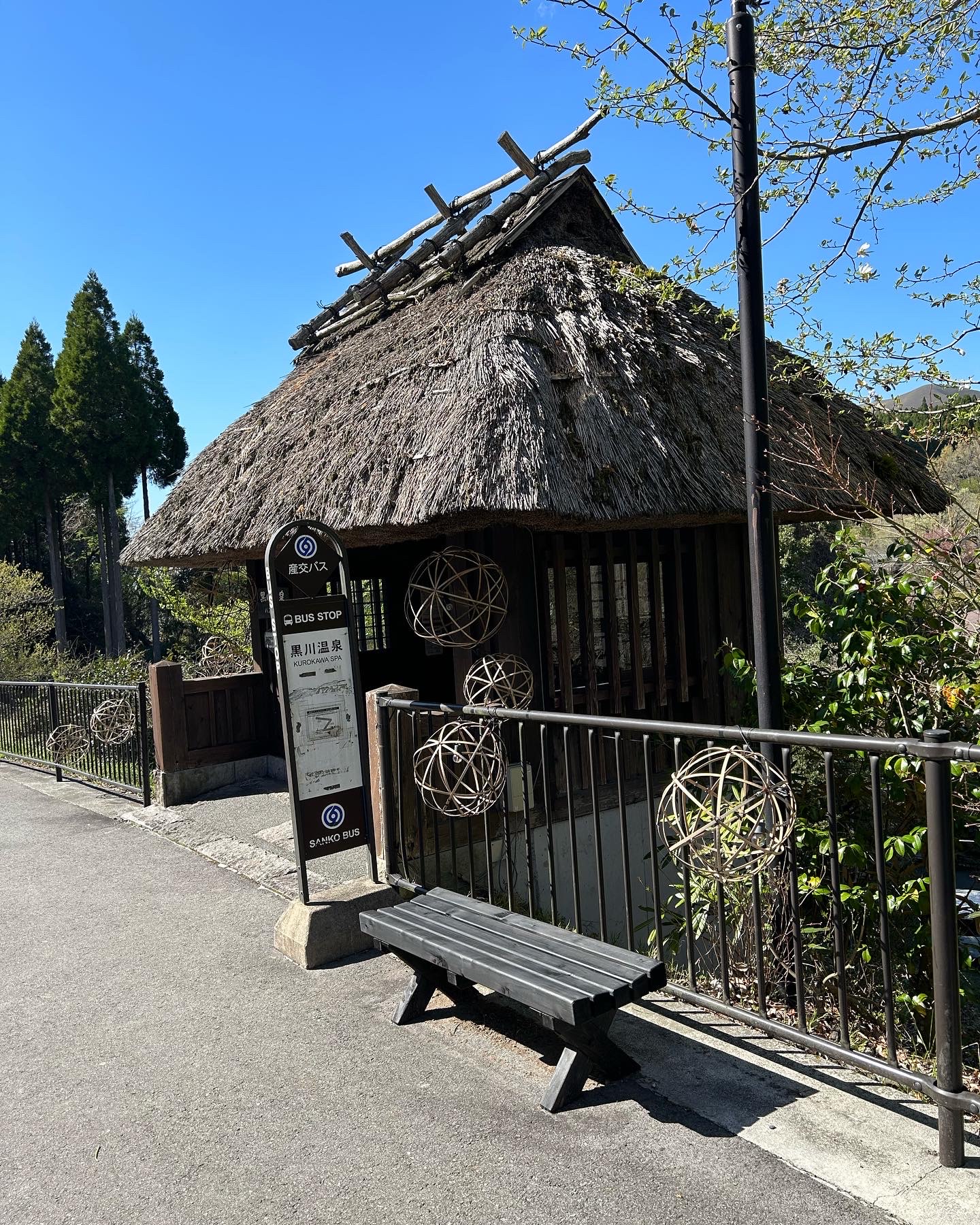
The one catch is access. Kurokawa lies in a remote fold of the Aso highlands with no railway of its own. The usual route is a highway bus toward Kurokawa Onsen or Oguni, either from Kumamoto city or from JR Aso Station on the Hohi Main Line; some services also run from Fukuoka and Beppu. Once you arrive, the village is compact and entirely walkable, though the lanes are steep and stepped in places. Walking the streets is free; you pay for baths individually or with the three-bath wooden pass, and of course for meals and any overnight stay.
Many visitors come for the day, but Kurokawa is at its best as an overnight, dining on a ryokan's multi-course kaiseki, soaking under the stars, and waking to mist over the river. Whether for a few hours or a night, it is the definitive hot-spring escape of the Kumamoto highlands.
A local's tip
Buy the wooden 'nyuto tegata' pass and hop between three of the ryokan's riverside open-air baths, most beautiful at dusk when lanterns light the lanes.
Best time to visit
Autumn colour and winter snow are magical; evenings are atmospheric
Getting there
From JR Aso Station or Kumamoto, take a highway bus toward Kurokawa Onsen / Oguni; the village is compact and walkable once you arrive.
Good to know
- Cafes
- Onsen
- Ryokan
- Restrooms
Plan the whole trip offline
Kurokawa Onsen is one of many places in the Real Japan app — with turn-by-turn directions, nearby spots and full offline maps you can use with no signal.