A perfectly preserved Edo-era merchant town of white-walled storehouses along a willow-lined canal.
The Bikan Historical Quarter is the heart of Kurashiki and one of the best-preserved merchant townscapes in western Japan. During the Edo period Kurashiki (literally "town of storehouses") was a prosperous tenryo, a district under direct control of the shogunate, and rice and other goods flowed through its canal on flat-bottomed boats bound for Osaka. That prosperity left behind rows of kura, the thick-walled fireproof storehouses whose white plaster and black namako tiling laid in diamond patterns still line the water today.
The centerpiece is the stone-banked canal, shaded by weeping willows and crossed by graceful arched bridges. Traditional wooden boats still glide along it, poled by boatmen in period dress, offering a 20-minute ride that is one of the quarter's signature experiences. On either bank the former storehouses and merchant homes have been converted into galleries, cafes, craft shops and small museums, yet the district avoids feeling like a theme park because so many buildings remain genuinely old.
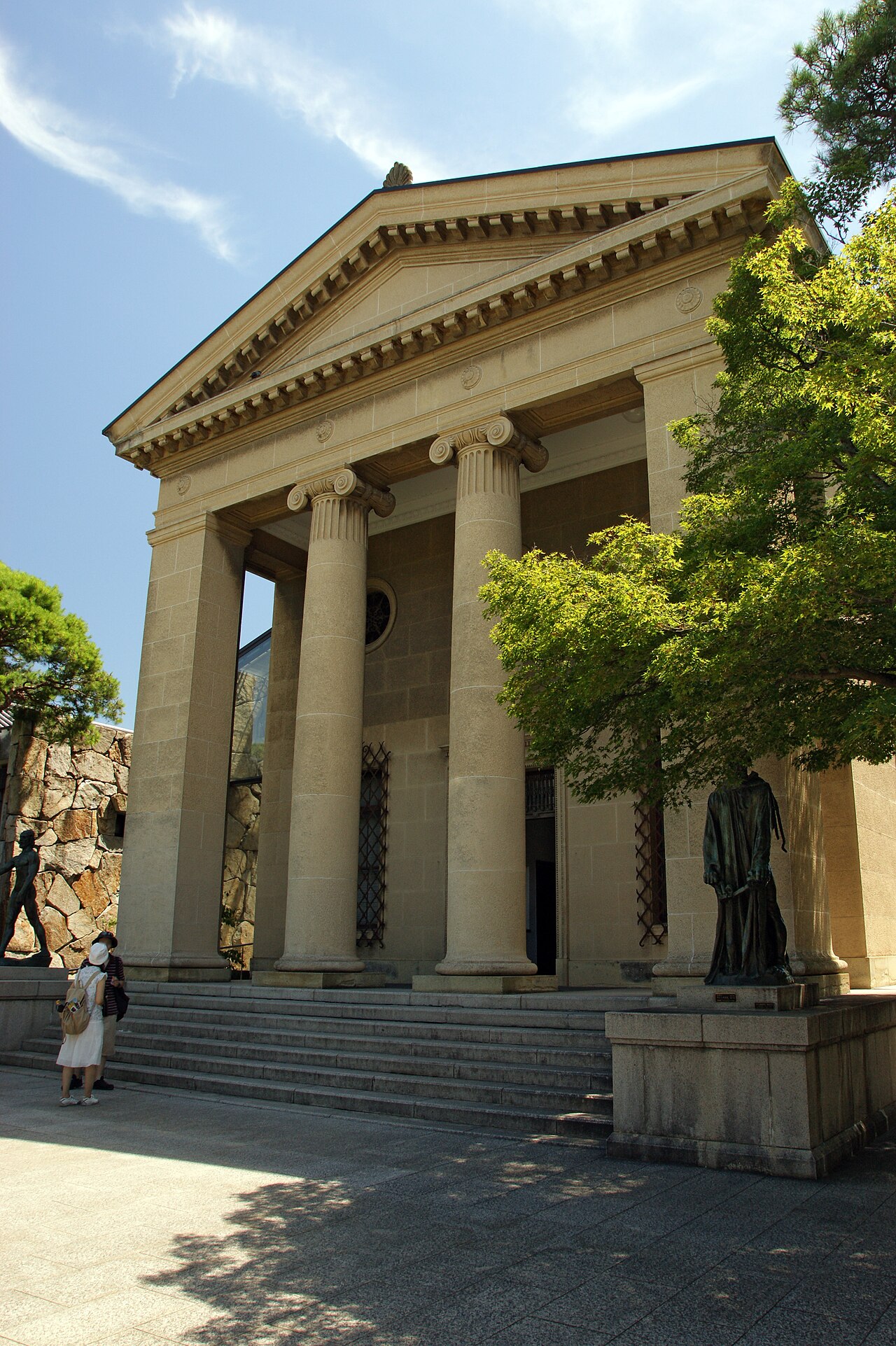
Wandering is the point here. Narrow back lanes branch off the canal into quieter residential streets where you find latticed windows, tiny sake bars and artisan workshops selling Bizen pottery, masking-tape crafts (Kurashiki is the home of the wildly popular mt washi tape) and locally woven textiles. The quarter also anchors an unusual concentration of culture: the Ohara Museum of Art, Japan's first museum of Western art, sits at its northern end, and several folk-craft and archaeology museums are steps away.
A good story lies behind the district's survival. In the early 20th century local textile magnate Ohara Magosaburo used his fortune not only to found the art museum but to champion preservation, and in the postwar decades Kurashiki became a pioneer of Japan's machinami hozon townscape-conservation movement. That foresight is why the quarter looks today much as it did two centuries ago.
The visiting experience is relaxed and largely flat, making it easy to explore on foot; the main lanes are pedestrian-friendly, though the older cobbles and bridges are less suited to wheelchairs. Allow at least two hours, longer if you enter the museums or take the boat. Early morning rewards you with mirror-still reflections and near-empty streets for photography, while evening brings soft lantern light and a romantic hush after the tour buses depart.
Spring and autumn are the most comfortable seasons, and rainy days can be surprisingly beautiful as the wet stone deepens the contrast of white walls and dark tiles. To get here, take the JR San'yo Line from Okayama to Kurashiki Station, then walk about ten minutes south down the main street. The quarter is compact enough that it pairs naturally with the museums and, for denim fans, a side trip out to the Kojima district.
A local's tip
Come before 9am or stay for the evening illumination (dusk to around 21:00) when the willow-lined canal is lit and the day-trip crowds have thinned.
Best time to visit
Early morning or dusk (lantern-lit)
Getting there
From Okayama, take the JR San'yo Line to Kurashiki Station (about 15 minutes). Leave by the south exit and walk straight down the main shopping street for roughly 10-12 minutes to reach the canal.
Good to know
- Wi-Fi
- Restrooms
- Tourist Info
Plan the whole trip offline
Kurashiki Bikan Historical Quarter is one of many places in the Real Japan app — with turn-by-turn directions, nearby spots and full offline maps you can use with no signal.