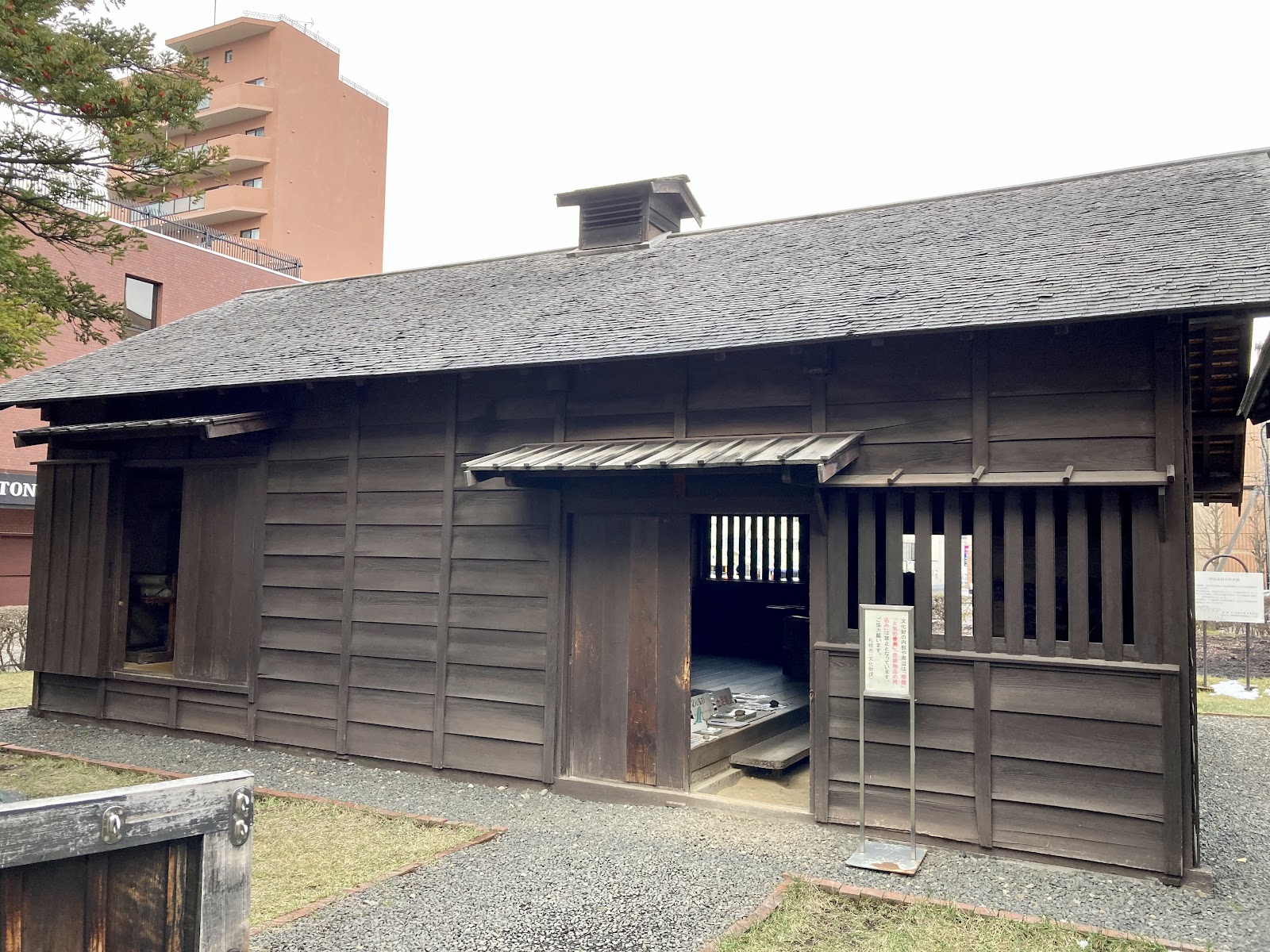
A preserved 1875 farmer-soldier's cottage from Hokkaido's tondenhei colonisation, a rare window into frontier life.
The Kotoni Tonden Barracks is a small, deeply evocative reminder of how Sapporo's suburbs were first settled. In 1875 the Meiji government despatched the first tondenhei, or colonial farmer-soldiers, to the Kotoni district northwest of the fledgling city. These were samurai families, many displaced by the fall of the old feudal order, who were given land, a standard-issue timber cottage and a dual mission: to farm and develop the frontier in peacetime and to defend Hokkaido against a feared Russian advance in wartime. Kotoni received 208 households in that first wave, making it one of the earliest tondenhei villages in the Sapporo area.
The barracks preserved here is a representative example of the uniform houses issued to those pioneer families, a modest single-storey wooden dwelling built to a government blueprint. Its plain rooms, earthen entrance and simple hearth speak plainly of the hardship of the first winters, when settlers accustomed to milder mainland climates faced Hokkaido's deep snow and short growing season. Interpretive materials explain the tondenhei system, the daily routine that blended agriculture with military drill, and the way these settlements laid down the grid of roads and farmland that Sapporo later grew over.
The tondenhei were central to the whole project of colonising Hokkaido. Modelled loosely on frontier garrisons elsewhere in the world, the system planted self-sufficient, militarily trained communities across the island between the 1870s and 1890s, and their descendants form part of the identity of many Sapporo neighbourhoods to this day. Kotoni in particular takes pride in this founding story, and the preserved barracks anchors it physically.
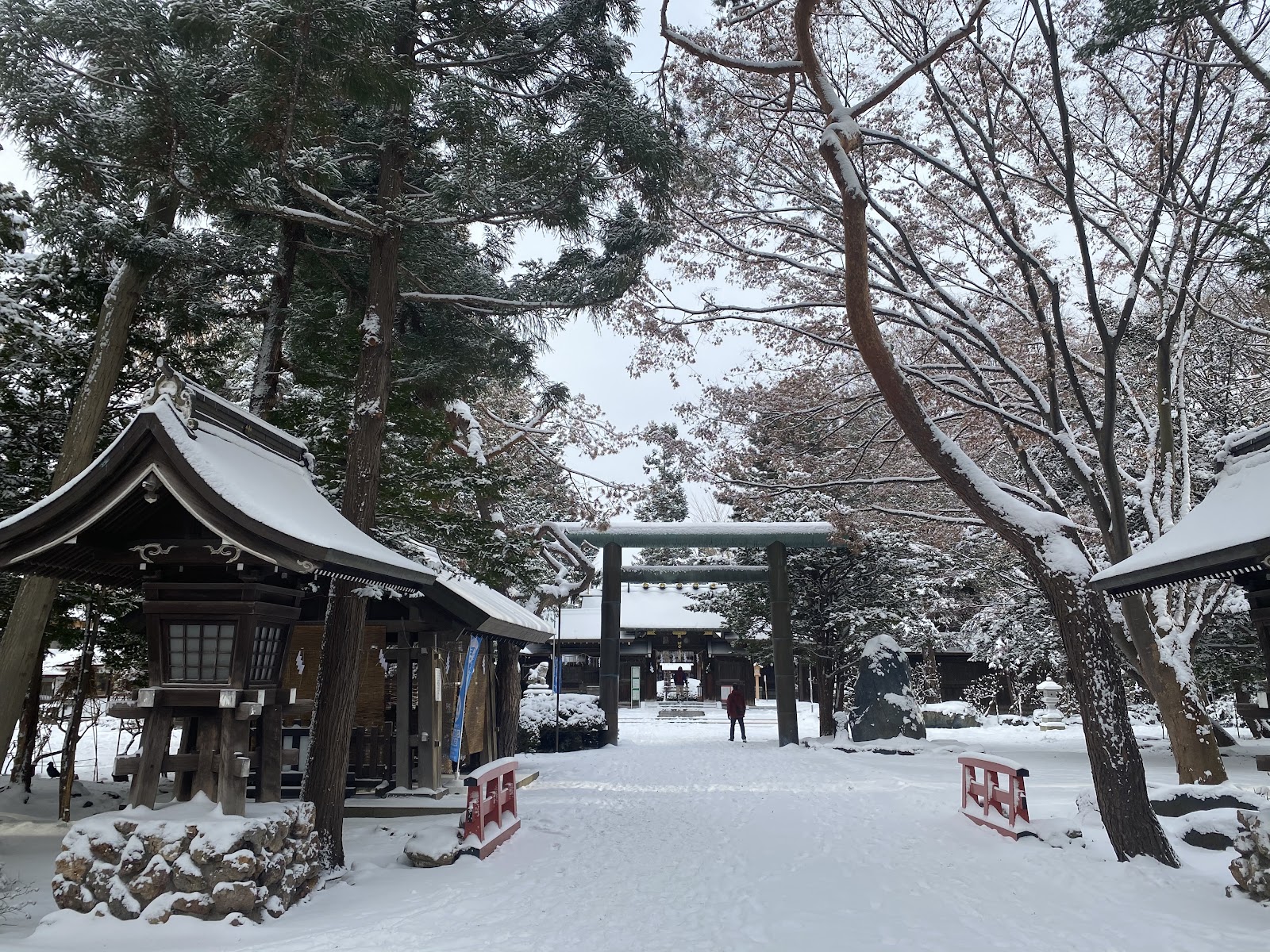
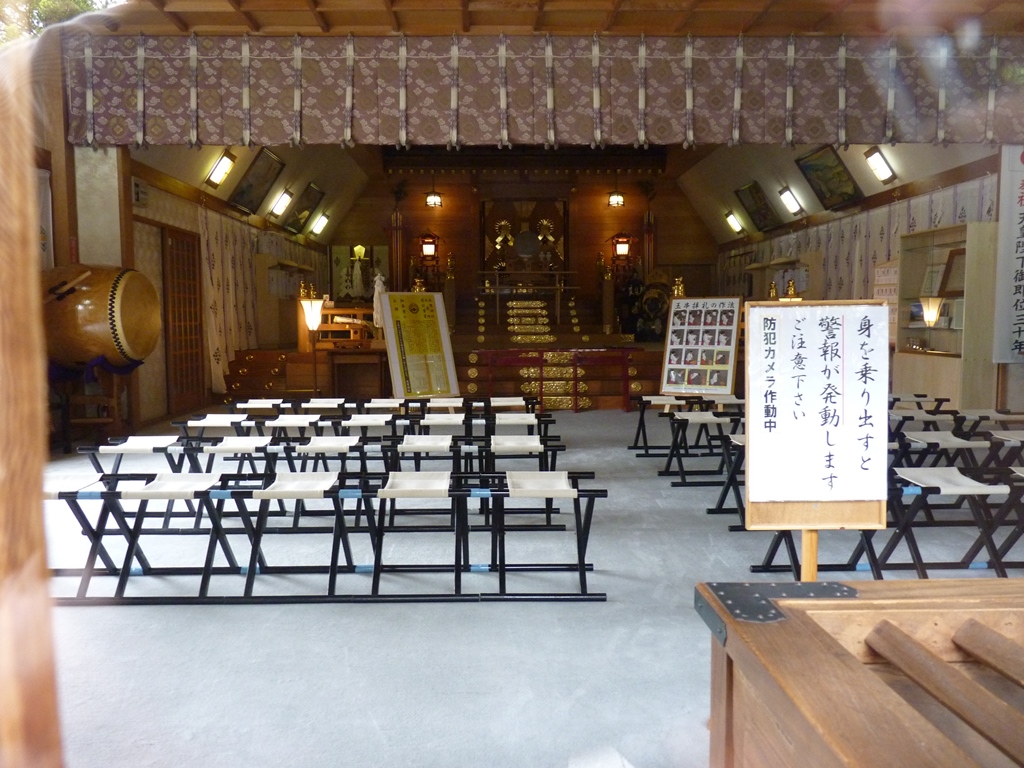
The site sits close to Kotoni Shrine, which was established by and for the colonists and enshrines their memory, so the two make a natural pair. A visit is short, perhaps half an hour, and best treated as a focused historical detour rather than a headline sight. It rewards travellers who want to understand the human texture behind Hokkaido's tidy modern cities: the specific families, the issued cottages, the mixture of plough and rifle.
Reaching it is easy on the Tozai subway line, which runs directly from the centre to Kotoni Station, from where the barracks is a short walk. Admission is free. For anyone whose interest was piqued by the pioneer displays at the Historical Village of Hokkaido or the Kaitakushi story at Hoheikan, this humble house grounds those grand narratives in one real, weather-beaten home.
A local's tip
Combine the visit with neighbouring Kotoni Shrine, which honours the tondenhei colonists and their role in founding this part of the city.
Best time to visit
Any season; spring for the shrine's cherry blossoms nearby
Getting there
Take the Tozai subway line to Kotoni Station and walk about seven minutes; the preserved barracks house stands near Kotoni Shrine in the Kotoni district northwest of the centre.
Good to know
- Restrooms
Plan the whole trip offline
Kotoni Tonden Barracks is one of many places in the Real Japan app — with turn-by-turn directions, nearby spots and full offline maps you can use with no signal.