A historic Kotoni-district shrine founded by Sendai samurai pioneers who settled and defended early Sapporo.
Kotoni Shrine anchors the western Sapporo district of Kotoni, an easy stop just a few minutes' walk from the subway that rewards visitors with a genuine slice of Hokkaido's frontier history. Its origins reach back to 1870, when samurai families from the Sendai domain, uprooted after the fall of the Tokugawa shogunate, were resettled here to open the land. Under the Tondenhei system these pioneer-soldiers farmed the frontier while standing ready to defend Japan's newly claimed northern territory, and the shrine they raised became the spiritual heart of their community. First called Takehaya Shrine, it was renamed Kotoni Shrine in 1875 as the settlement took shape.
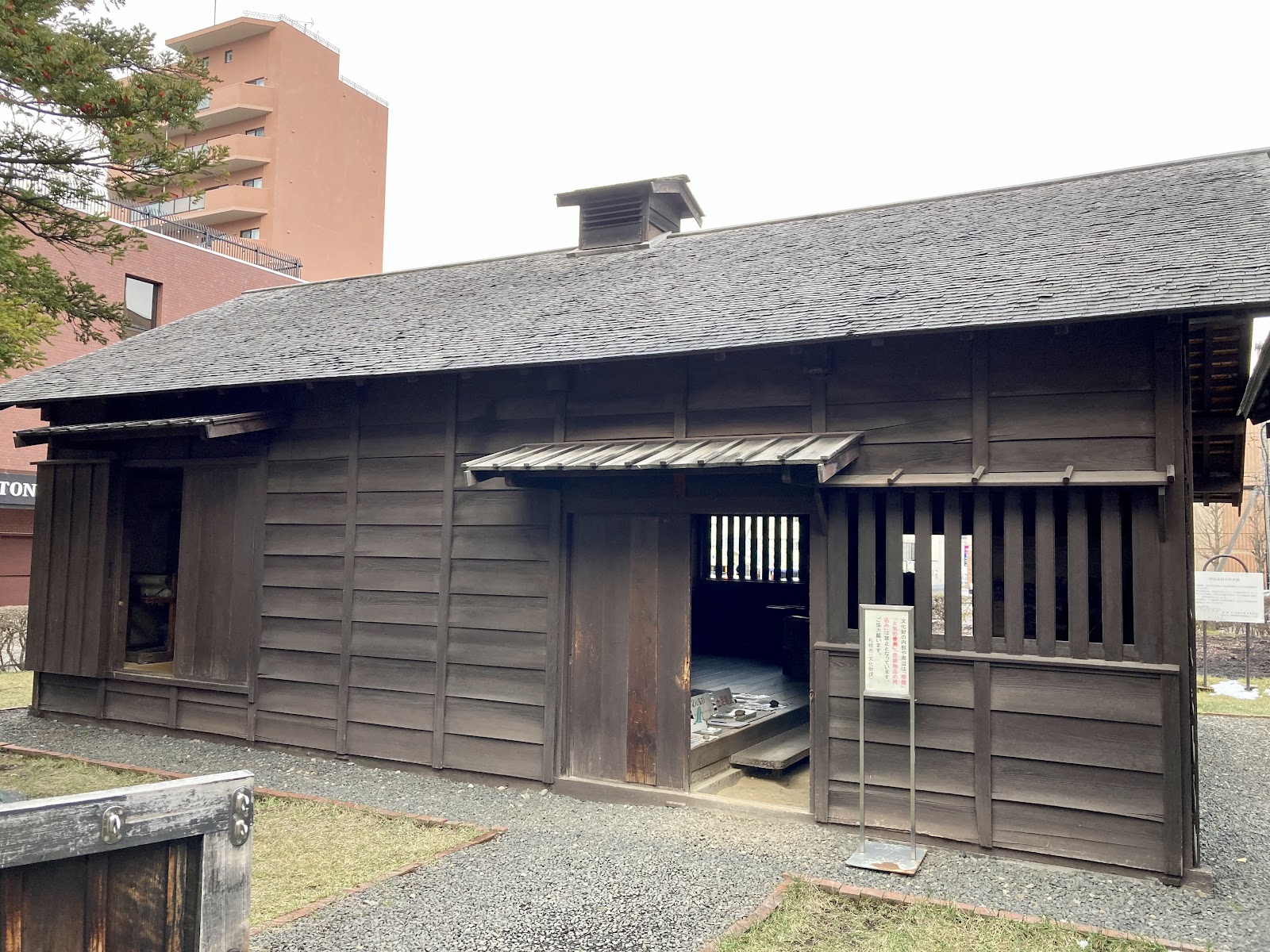
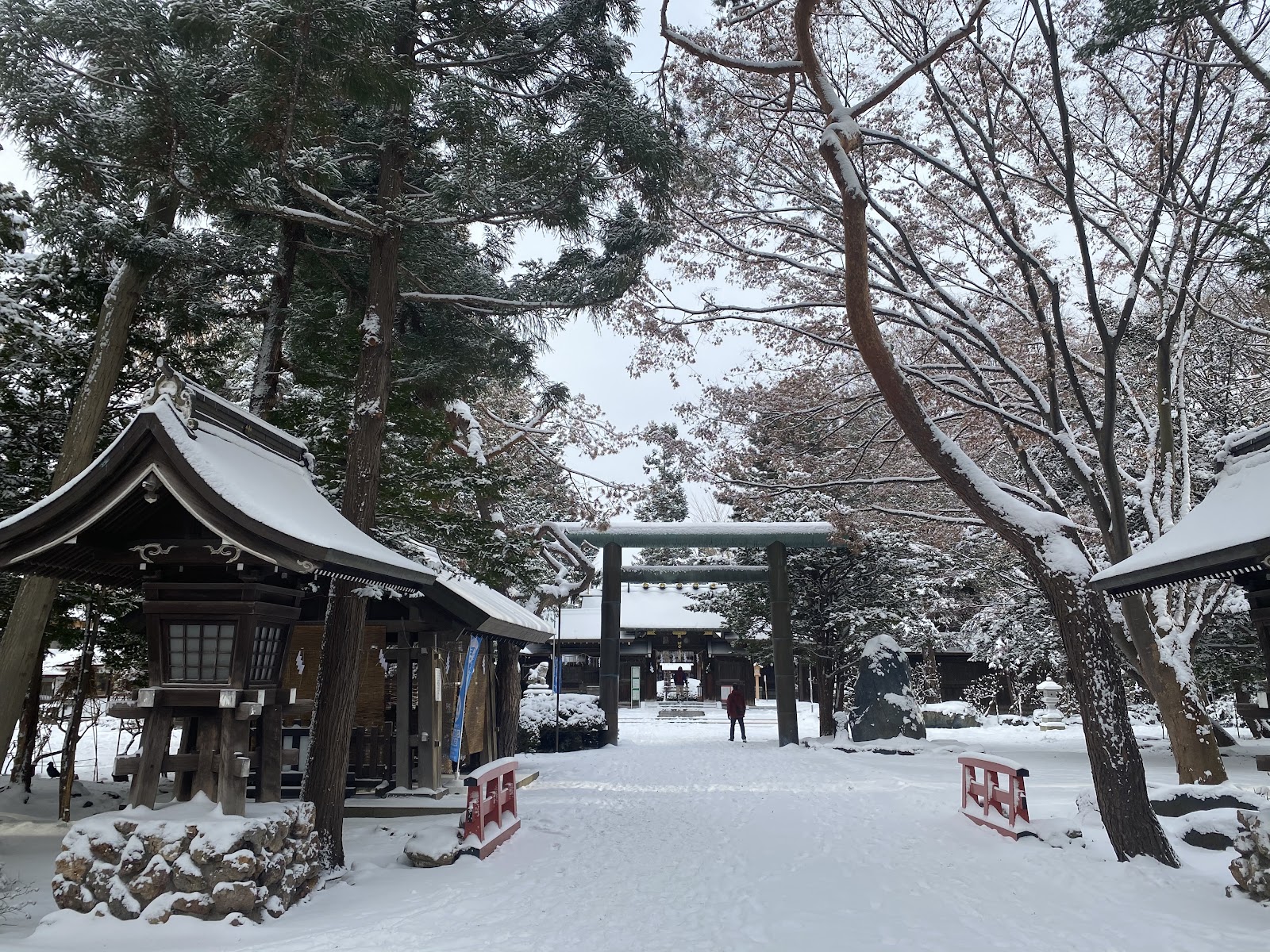
The shrine enshrines several deities associated with protection, agriculture, and the pioneering spirit, and it remains deeply woven into local identity. Its grounds are calm and well-kept, shaded by mature trees and dotted with monuments to the Tondenhei founders. A small museum room within the precinct preserves artefacts from those early years, including swords, armour, and documents belonging to the samurai settlers, offering a tangible connection to the hardship and resolve that built modern Sapporo. For travellers curious about how a wilderness became Japan's fifth-largest city in barely a lifetime, this quiet shrine tells that story more intimately than any downtown museum.
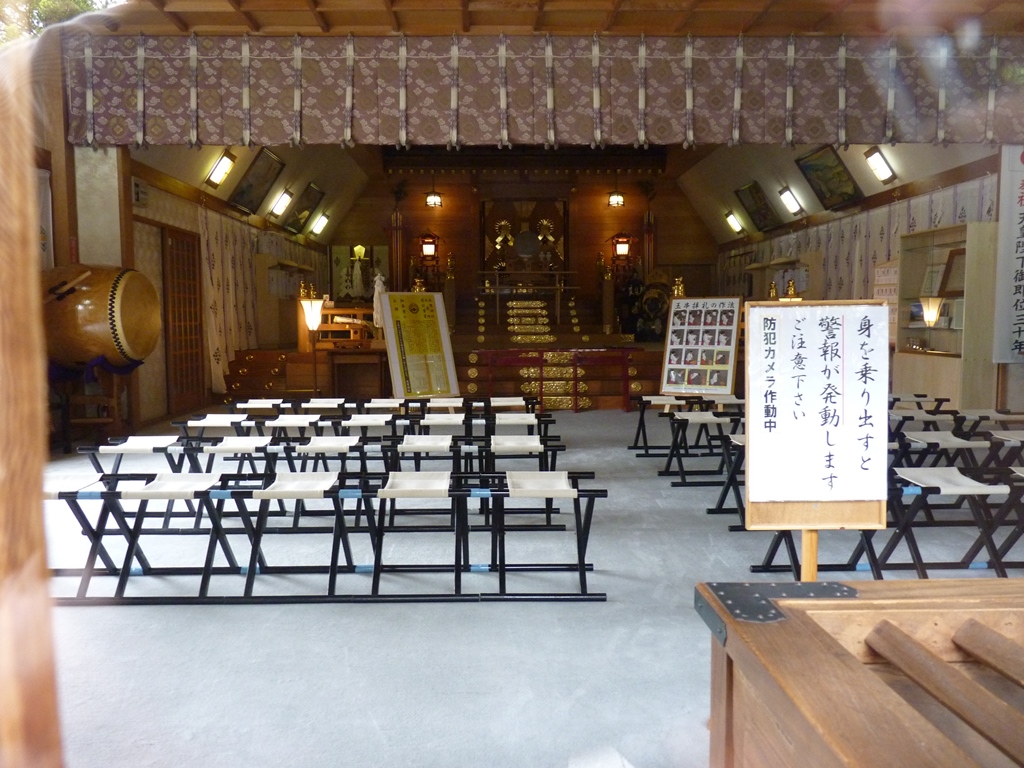
What to see centres on the handsome main hall and the memorial stones honouring the pioneers, but the seasonal atmosphere is a highlight in its own right. In spring the grounds soften with cherry and plum blossom; in autumn the canopy turns warm shades of amber. The shrine's biggest moment comes in mid-September, when its annual festival fills the surrounding streets with food stalls, portable shrines, and traditional performances, drawing families from across the neighbourhood in a lively display of local devotion.
The visiting experience is relaxed and uncommercial. This is a working community shrine rather than a tour-bus destination, so outside festival days you will find it peaceful, with residents stopping to pray on their way through the district. The precinct is flat and easily walked, with restrooms and a parking area on site, making it an accessible and low-effort cultural stop that can be comfortably combined with exploring the shops and eateries around Kotoni Station.
The best time to visit is spring for the blossoms or the September festival for full-blooded local colour, though the shrine is quietly rewarding year-round, including under winter snow. Getting there could hardly be simpler: take the Tozai subway line to Kotoni Station and walk roughly eight minutes north, or use one of the frequent buses that stop nearby. Its convenience and authenticity make Kotoni Shrine an ideal introduction to the pioneer history that underpins everything else in Sapporo.
A local's tip
Visit the small on-site museum room to see the swords and armour left by the Tondenhei pioneer-soldiers who founded the district.
Best time to visit
Spring for blossoms or during the September autumn festival
Getting there
Ride the Tozai subway line to Kotoni Station and walk about eight minutes north; frequent buses also serve the Kotoni Jinja-mae stop.
Good to know
- Parking
- Restrooms
Plan the whole trip offline
Kotoni Shrine is one of many places in the Real Japan app — with turn-by-turn directions, nearby spots and full offline maps you can use with no signal.