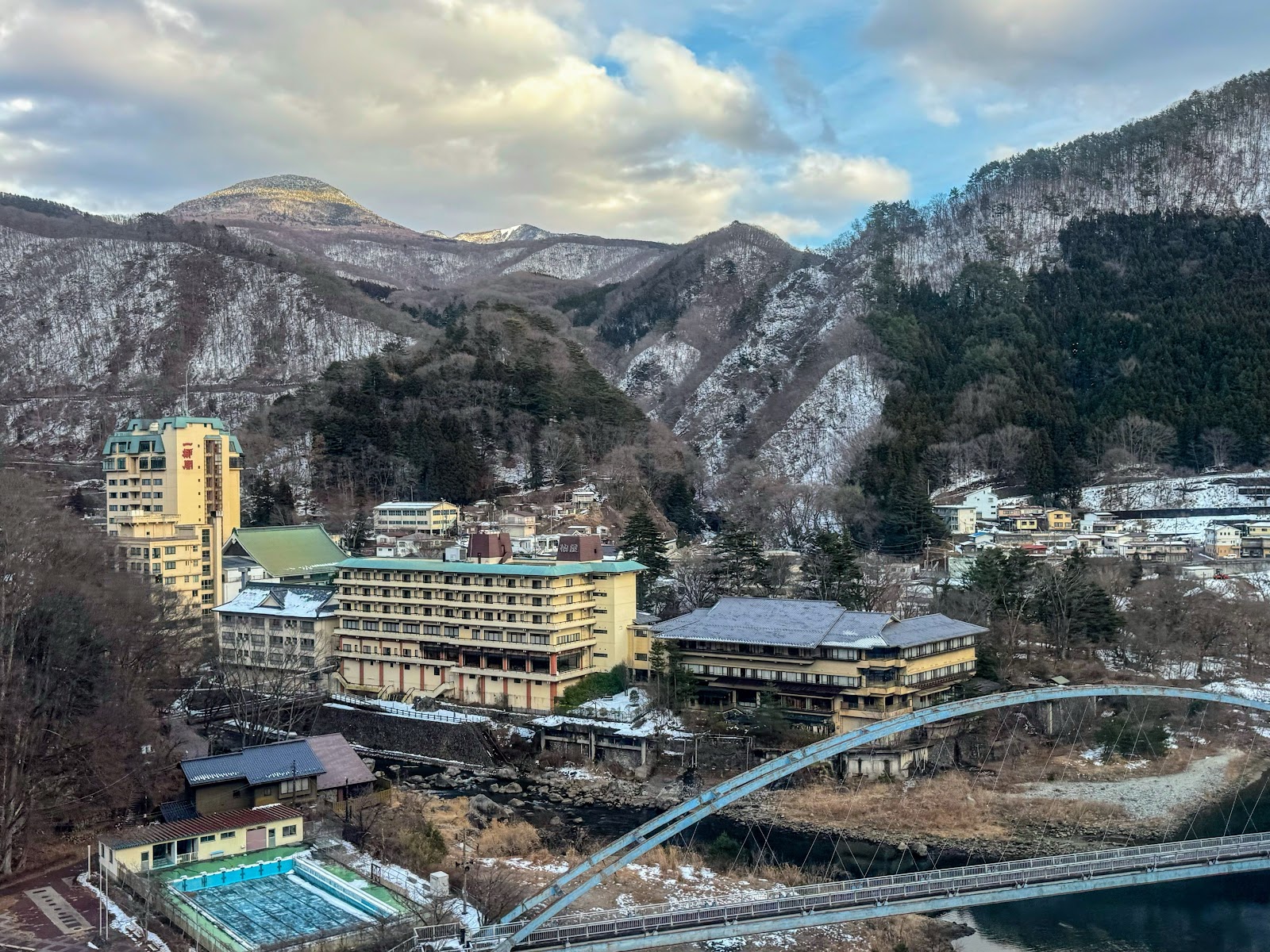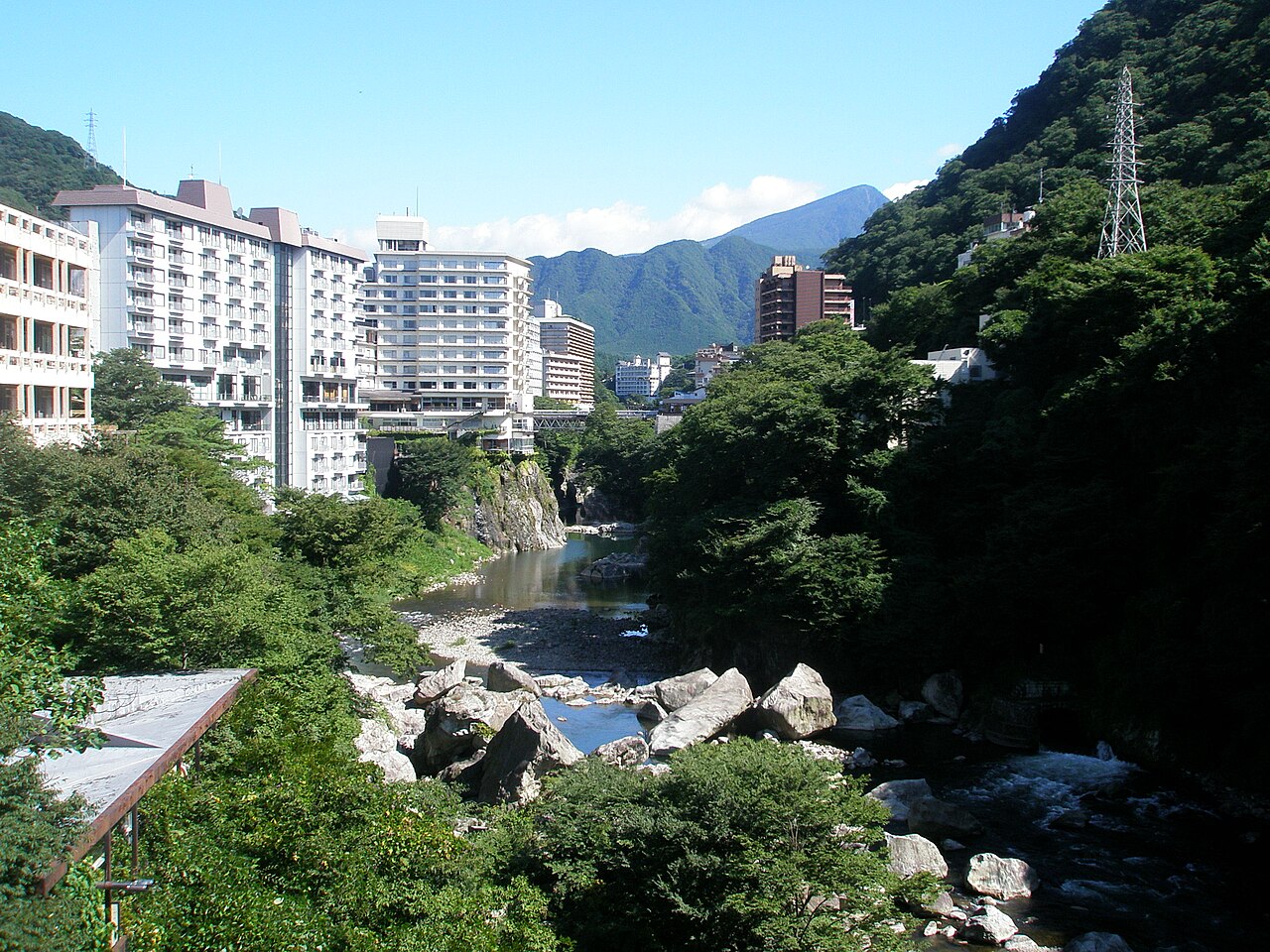
Large riverside hot-spring resort town of high-rise ryokan lining the Kinugawa gorge, a classic Tokyo weekend onsen escape.
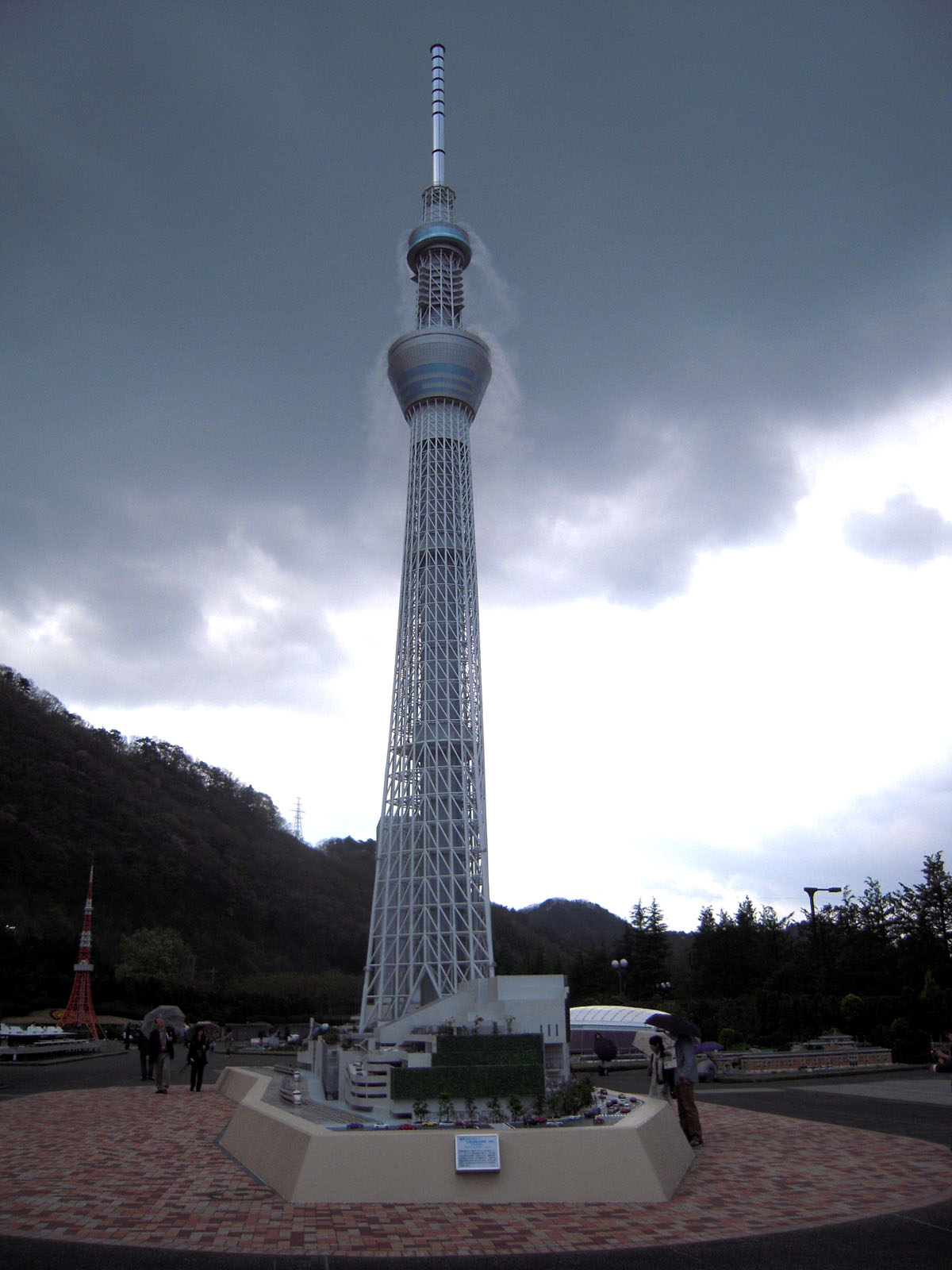
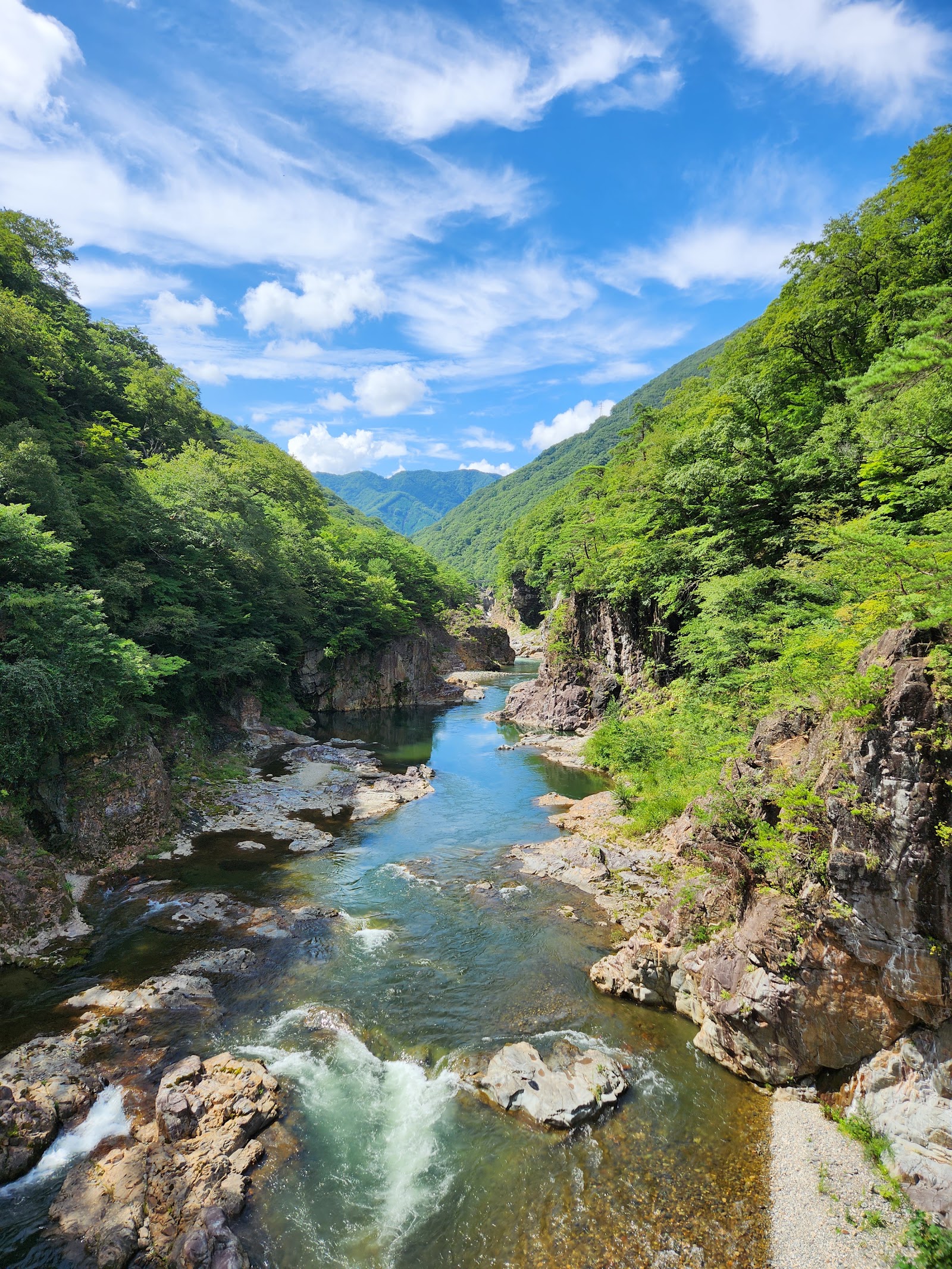
Kinugawa Onsen is a large and long-established hot-spring resort town strung along both banks of the Kinugawa River in the northern part of Nikko City. The river's name literally means angry demon river, and the town is centred on the cluster of big hotel-ryokan that rise above the riverbank, their baths overlooking the gorge. Just two hours by direct train from Tokyo, it has long been one of the capital's most popular and accessible onsen getaways, and it doubles as the base for the Tobu World Square and Edo Wonderland Nikko Edomura theme parks nearby.
Hot springs were first found in the area in the early Meiji period, though tradition holds the waters were known even earlier and were once reserved for monks and daimyo visiting the Nikko shrines before opening to the public in the late nineteenth century. The resort actually draws on springs on both sides of the river, historically Taki Onsen on the west bank and Fujiwara Onsen on the east, later unified under the Kinugawa name. The town boomed with mass tourism in the 1970s, and the resulting wall of concrete high-rise hotels gave it a somewhat dated, over-built look; some hotels were later abandoned after the 1990s economic downturn, a reminder of the boom-and-bust of Japan's resort era.
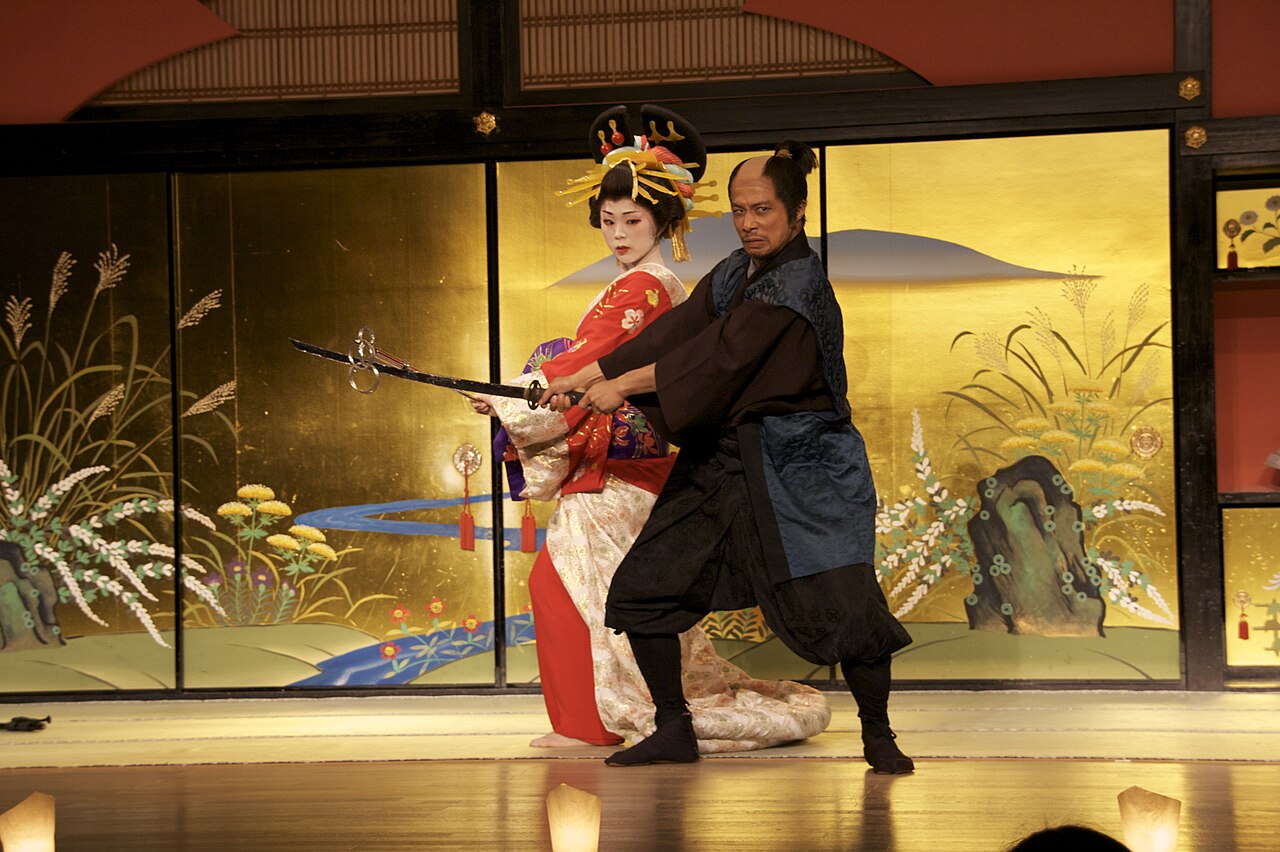
Despite that, Kinugawa remains a lively and enjoyable stop. The waters are gentle alkaline springs said to be good for the skin. Visitors soak in riverside baths, wander between free public footbaths, ride the river-boat descent (funakudari) through the rocky gorge, cross the pedestrian Kinutateiwa Otsuribashi suspension bridge, and combine a night here with the theme parks and Ryuokyo Ravine just up the line.
A notable and slightly self-deprecating fact: in a 2005 survey of poorly planned Japanese landscapes, Kinugawa's crowded riverside hotel strip was singled out, a candid symbol of how postwar resort development reshaped the valley.
The experience is that of a full-service, family-friendly resort town rather than a hushed rustic retreat. The riverbanks and station area are flat and easy to walk, with restrooms, parking, restaurants and footbaths, and the station sits within five minutes of the central hotels, making it one of the more accessible onsen towns in the region. Kinugawa-Onsen Station anchors the south end and Kinugawa-Koen Station the north.
Autumn is the finest season, when the maples along the gorge turn brilliant colours framed by the blue-green river, while summer suits river cruises and theme-park trips. To reach it, take a Tobu limited-express train (Spacia or Revaty) direct from Asakusa in about two hours, or from Nikko ride the Tobu Nikko Line to Shimo-Imaichi and transfer to the Tobu Kinugawa Line, roughly 30 to 40 minutes. IC cards are accepted throughout, and the town's compact riverside layout makes it easy to explore on foot.
A local's tip
Skip the pricey hotel baths and use one of the free public footbaths near the station, then ride the Kinugawa Line Ozaru sightseeing float or take the river boat descent (Kinugawa Line-kudari) for the best gorge views.
Best time to visit
Autumn foliage along the river gorge
Getting there
From Asakusa in Tokyo, Tobu limited-express trains (Spacia/Revaty) run direct to Kinugawa-Onsen Station in about 2 hours; from Nikko, ride the Tobu Nikko Line to Shimo-Imaichi and change to the Tobu Kinugawa Line (about 30-40 minutes). The town lines both banks of the river within a short walk of the station.
Good to know
- Parking
- Footbath
- Restrooms
- Restaurants
Plan the whole trip offline
Kinugawa Onsen is one of many places in the Real Japan app — with turn-by-turn directions, nearby spots and full offline maps you can use with no signal.