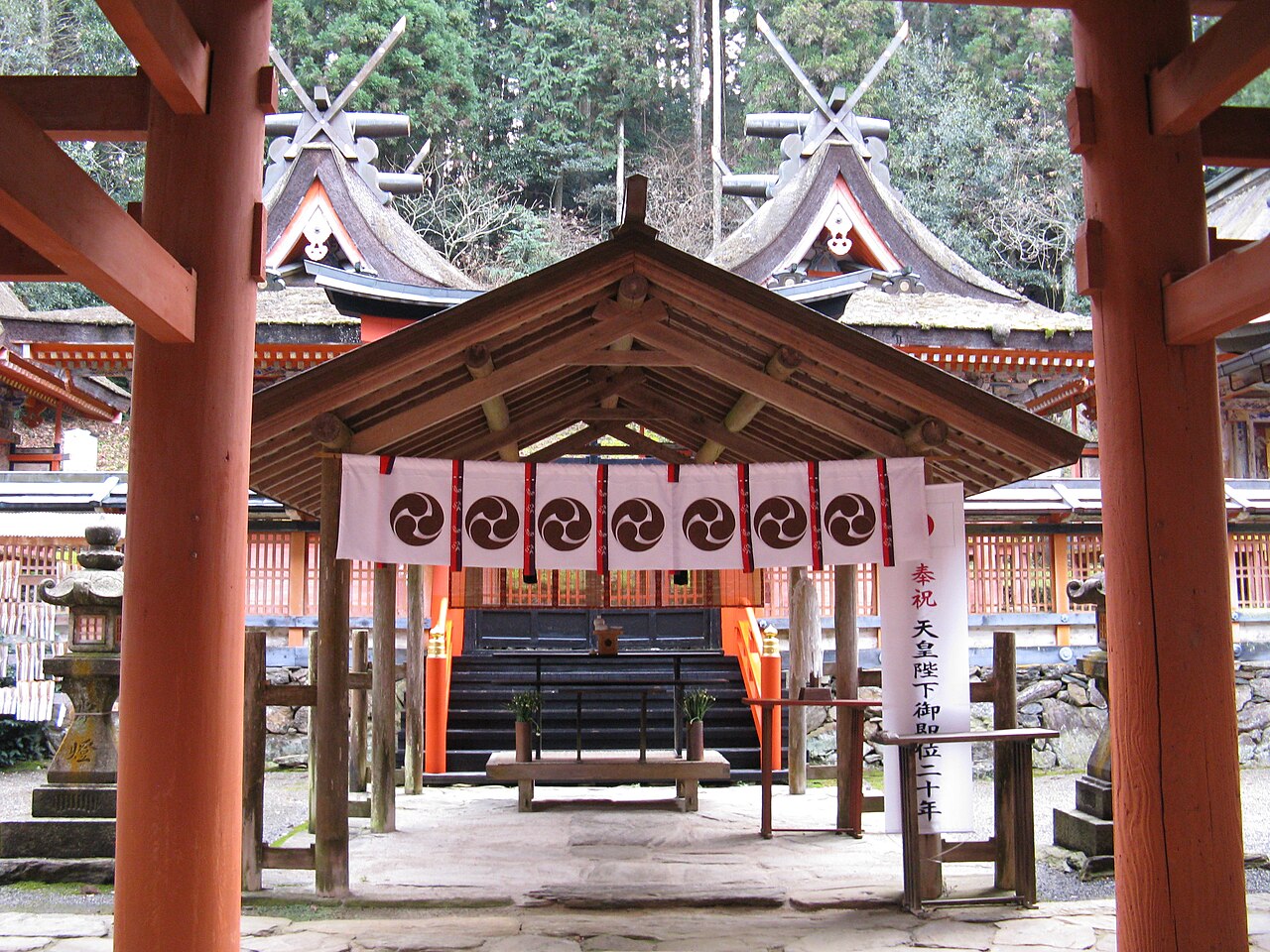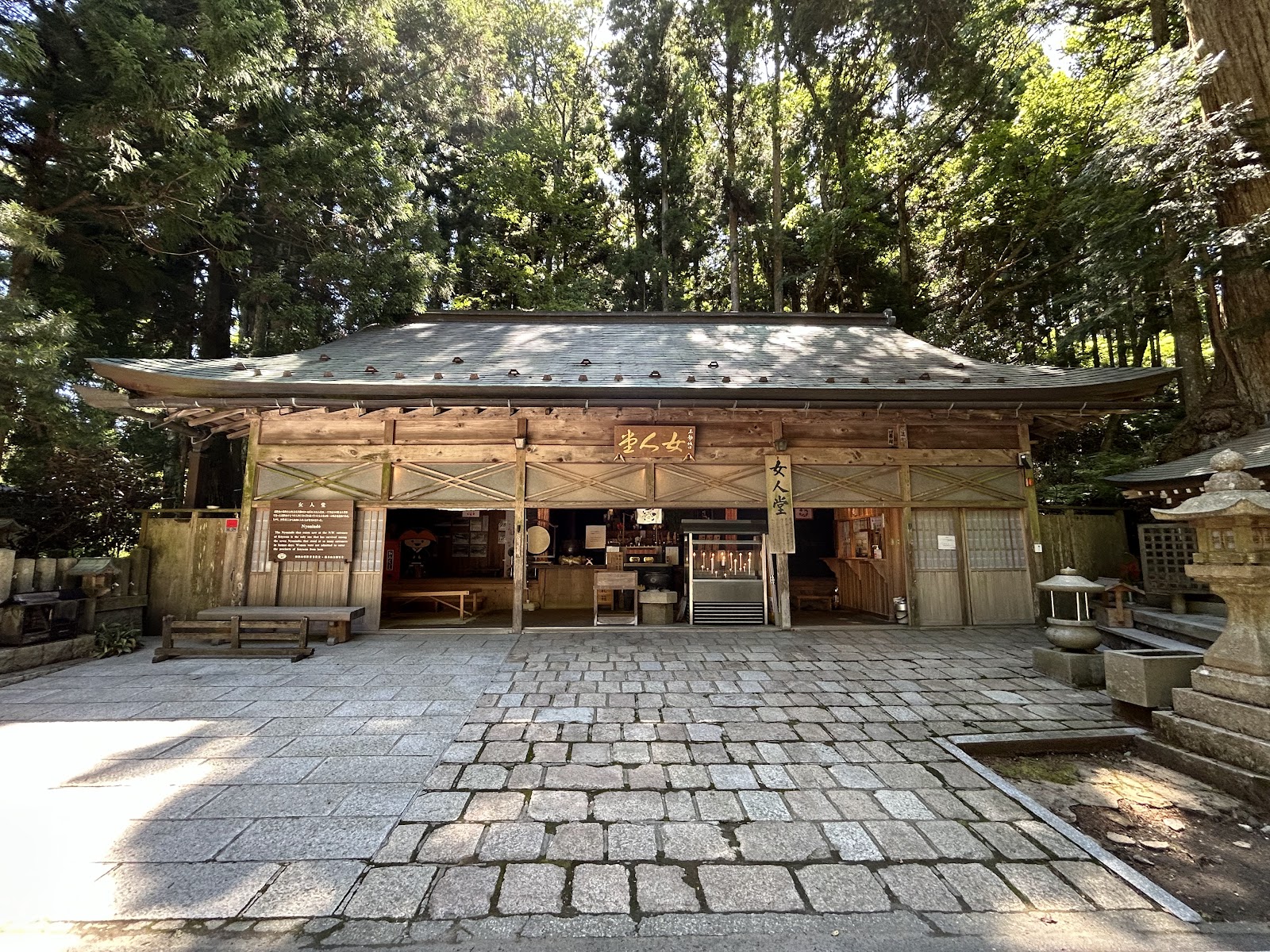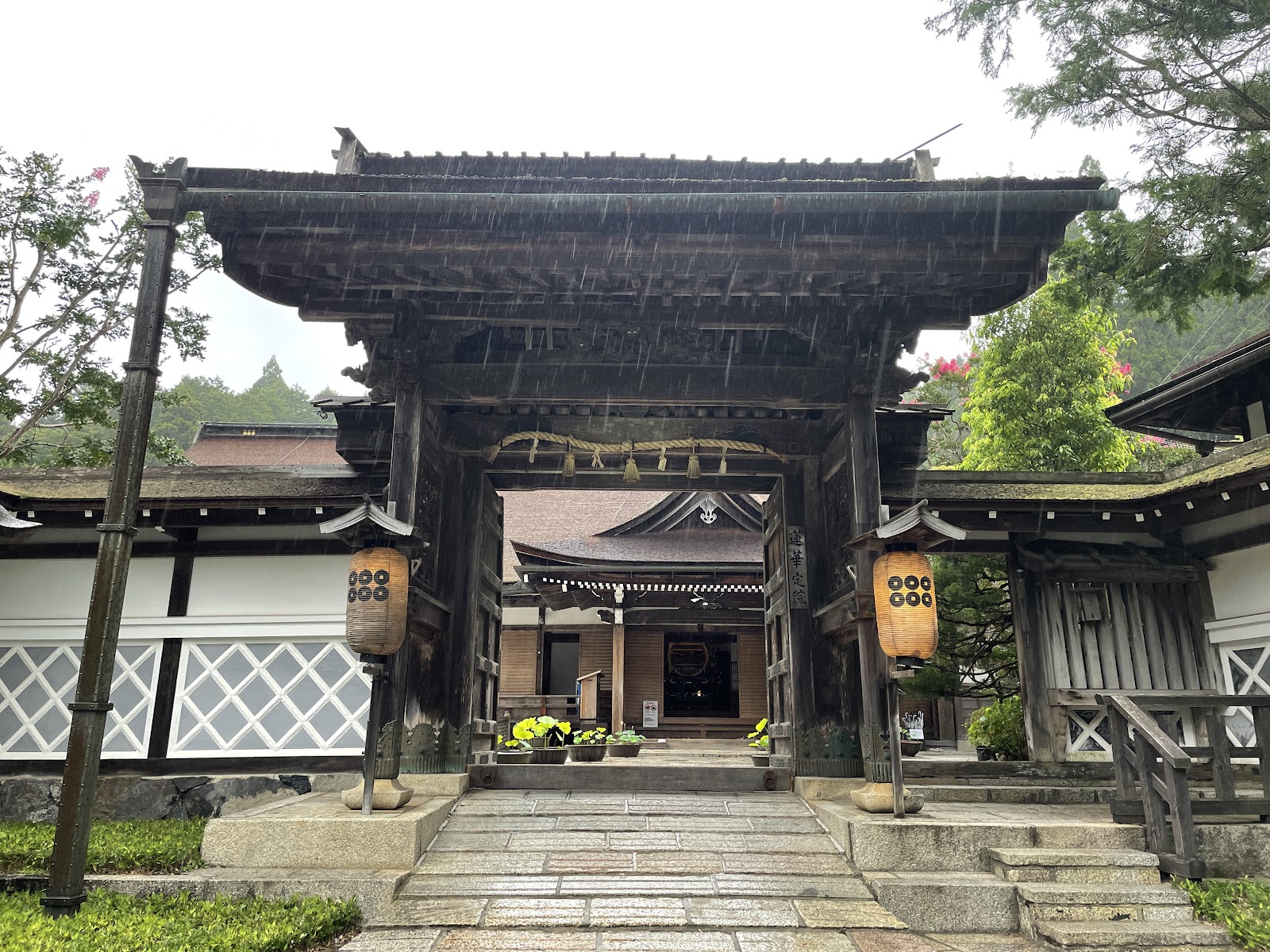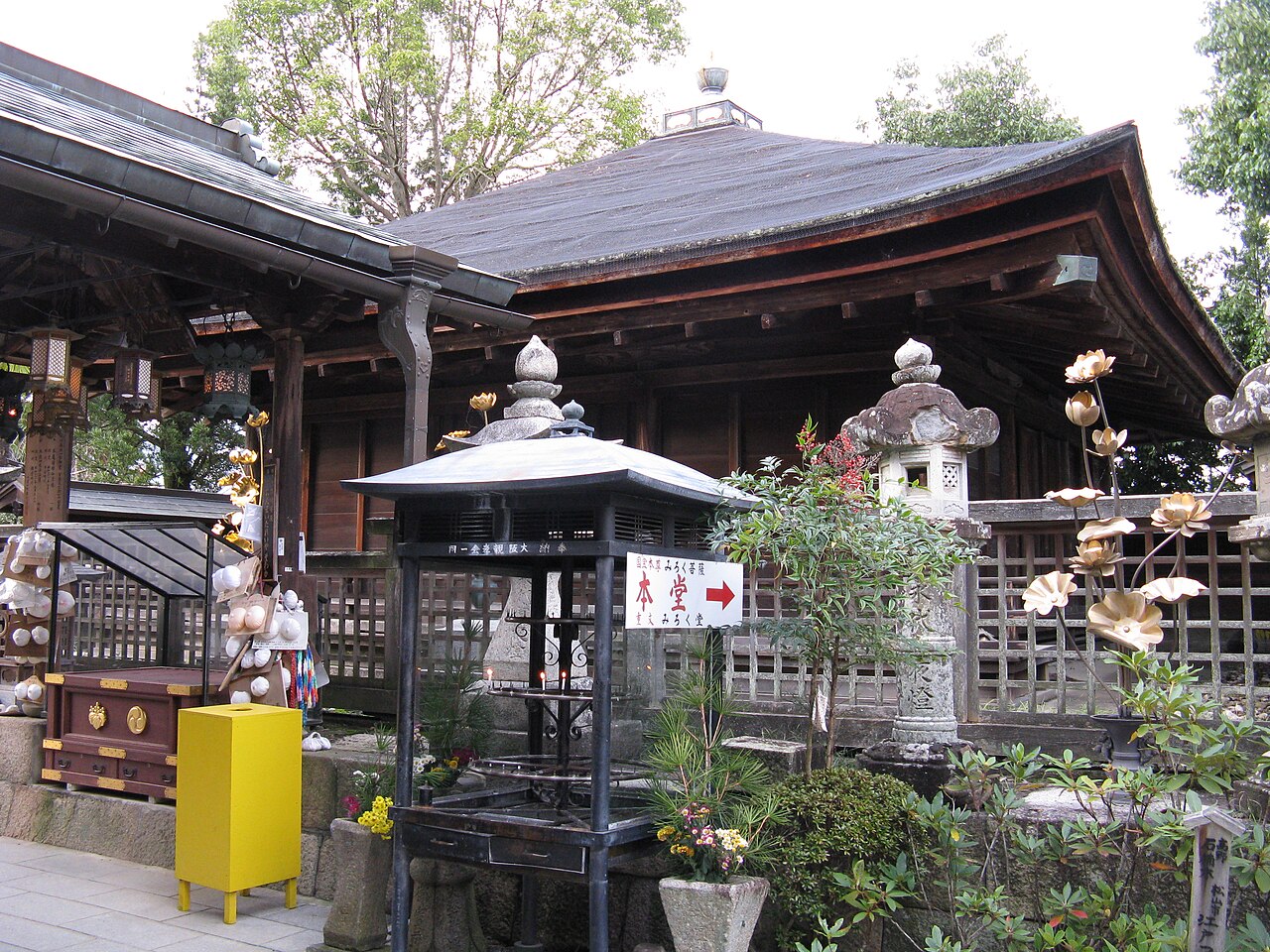
Historic temple at the foot of the Choishi-michi trail, once the only place women could worship Koyasan.
Jison-in is a Shingon Buddhist temple in the town of Kudoyama, Wakayama Prefecture, standing at the foot of Mount Koya where the ancient Choishi-michi pilgrimage trail begins its climb to the sacred monastic complex above. Founded in 816 by Kukai (Kobo Daishi), the temple served for centuries as the administrative office and lodging for Koyasan, the place where provisions and pilgrims were organised before the ascent. It is registered as part of the UNESCO World Heritage “Sacred Sites and Pilgrimage Routes in the Kii Mountain Range.”
For much of its history Mount Koya itself was closed to women, a rule of monastic seclusion that lasted until 1872. Because women were forbidden from climbing to the summit, Jison-in became the highest point they could reach to worship, and it earned the affectionate nickname “Nyonin Koya” — the Koyasan for women. This heritage still defines the temple’s character today. Worshippers, especially women, come to pray for safe childbirth, easy nursing, protection from breast illness and general good health, and the halls are hung with distinctive votive offerings shaped like breasts, a sight found at few other temples in Japan.
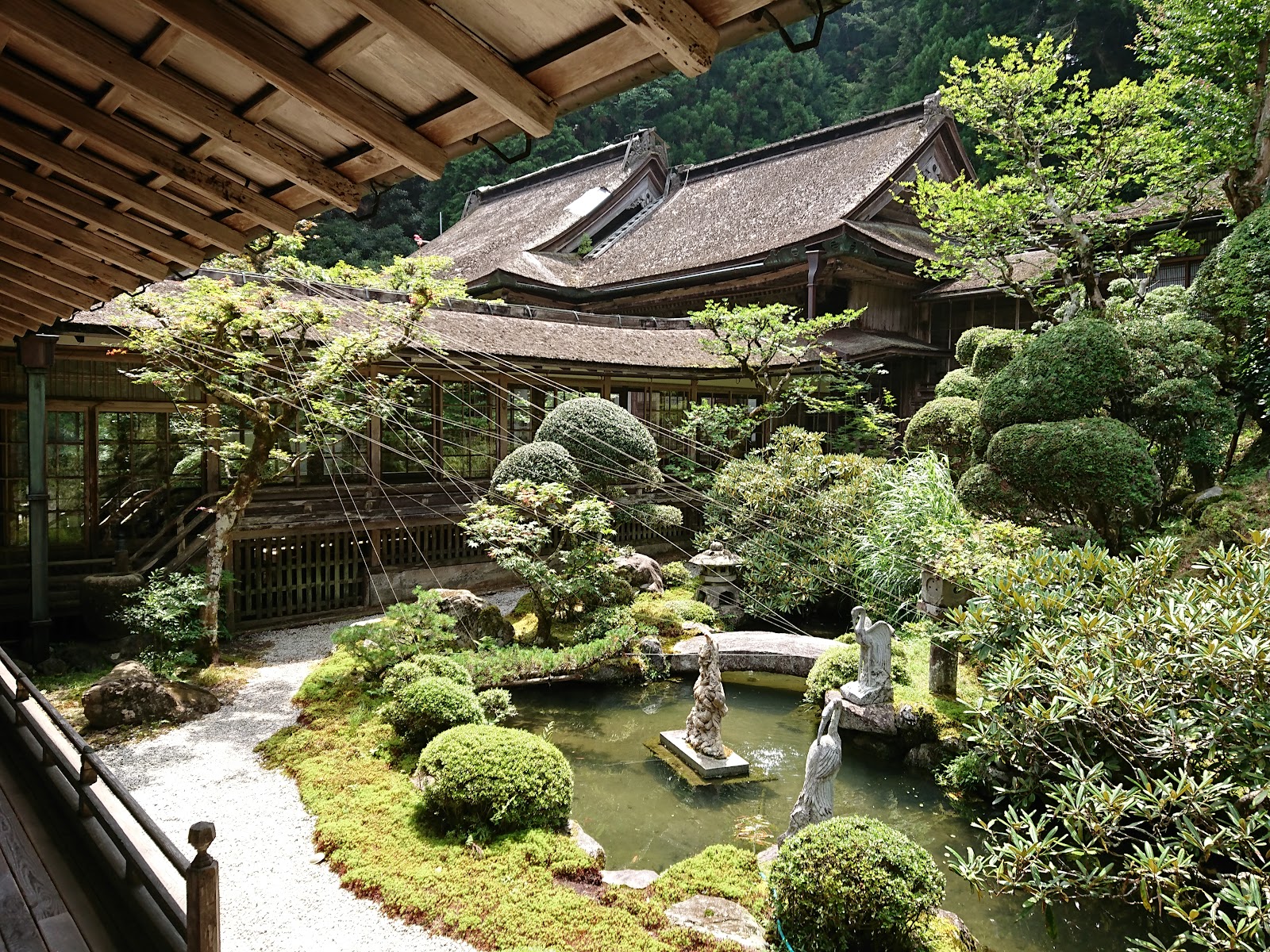
The temple’s principal treasure is the seated statue of Miroku Bosatsu (Maitreya, the future Buddha) enshrined in the Miroku-do hall, a National Treasure carved in the Heian period and normally hidden from view, shown publicly only on rare occasions. The compact precinct also holds a Tahoto pagoda, a main hall and a quiet garden that is especially lovely when the maples turn in November. Kukai’s mother is traditionally associated with the temple, adding to its role as a place of maternal devotion.
Visiting Jison-in is as much about the setting as the buildings. The temple marks Choishi No. 180, the first of the stone markers (choishi) that count down the roughly 24-kilometre historic trail to the Danjo Garan at the heart of Koyasan. Many pilgrims and hikers still begin here, pausing to pray before setting out on the day-long walk through cedar forest. Even for those not hiking, the temple offers a gentle, uncrowded introduction to the spiritual world of Mount Koya, far from the busier halls at the summit.
The best times to visit are spring, when cherry blossom frames the grounds, and late autumn, when the foliage is at its peak. Early morning is quietest. Getting there is straightforward: take the Nankai Koya Line to Kudoyama Station, then walk about 25 minutes uphill through the old post town, or take a short taxi. Combining Jison-in with a stroll through Kudoyama’s historic streets — also linked to the samurai Sanada clan, who lived in exile here — makes for a rewarding half-day before continuing up to Koyasan itself.
Because it lies below the mountain and off the main tour-bus circuit, Jison-in remains refreshingly peaceful, visited mostly by pilgrims and walkers rather than crowds. For travellers who want to approach Koyasan the traditional way — from the bottom, on foot, through the places that shaped its history — it is the natural and meaningful place to begin, and a quietly memorable temple in its own right.
A local's tip
Look for the many breast-shaped ema votive offerings hung near the hall — Jison-in has long been a place where women pray for safe childbirth, breastfeeding and health.
Best time to visit
Spring for the temple garden; autumn for foliage
Getting there
From Nankai Kudoyama Station walk about 25 minutes uphill, or take a short taxi. The temple sits at the traditional starting point of the Choishi-michi pilgrimage trail to Koyasan.
Good to know
- Parking
- Restrooms
Plan the whole trip offline
Jison-in is one of many places in the Real Japan app — with turn-by-turn directions, nearby spots and full offline maps you can use with no signal.