A striking museum on the north shore devoted to Itchiku Kubota's revived tsujigahana dyed silk kimonos.
The Itchiku Kubota Art Museum stands on the northern shore of Lake Kawaguchi and is devoted to the life's work of Itchiku Kubota, a 20th-century textile artist who dedicated decades to reviving and reimagining tsujigahana, a lost technique of tie-dyeing and painting silk that flourished briefly in the 15th and 16th centuries before disappearing. His painstakingly recreated and expanded method, which he called Itchiku tsujigahana, produced kimonos of extraordinary colour and detail, and the museum he founded to display them is widely regarded as one of the most beautiful and unusual art spaces in the Mt. Fuji region.
Kubota's masterwork is an ambitious series of kimonos titled Symphony of Light, conceived so that when the garments are displayed side by side their patterns flow into one another to depict vast landscapes: mountains, seas, and the changing seasons, rendered across dozens of individual robes. Though he did not live to complete the full cycle he envisioned, the surviving pieces on show are astonishing in their gradations of dyed colour, their fine hand-stitched resist patterns and their shimmering surfaces, and they represent a lifetime of obsessive craftsmanship in a technique the artist essentially reconstructed from fragments.
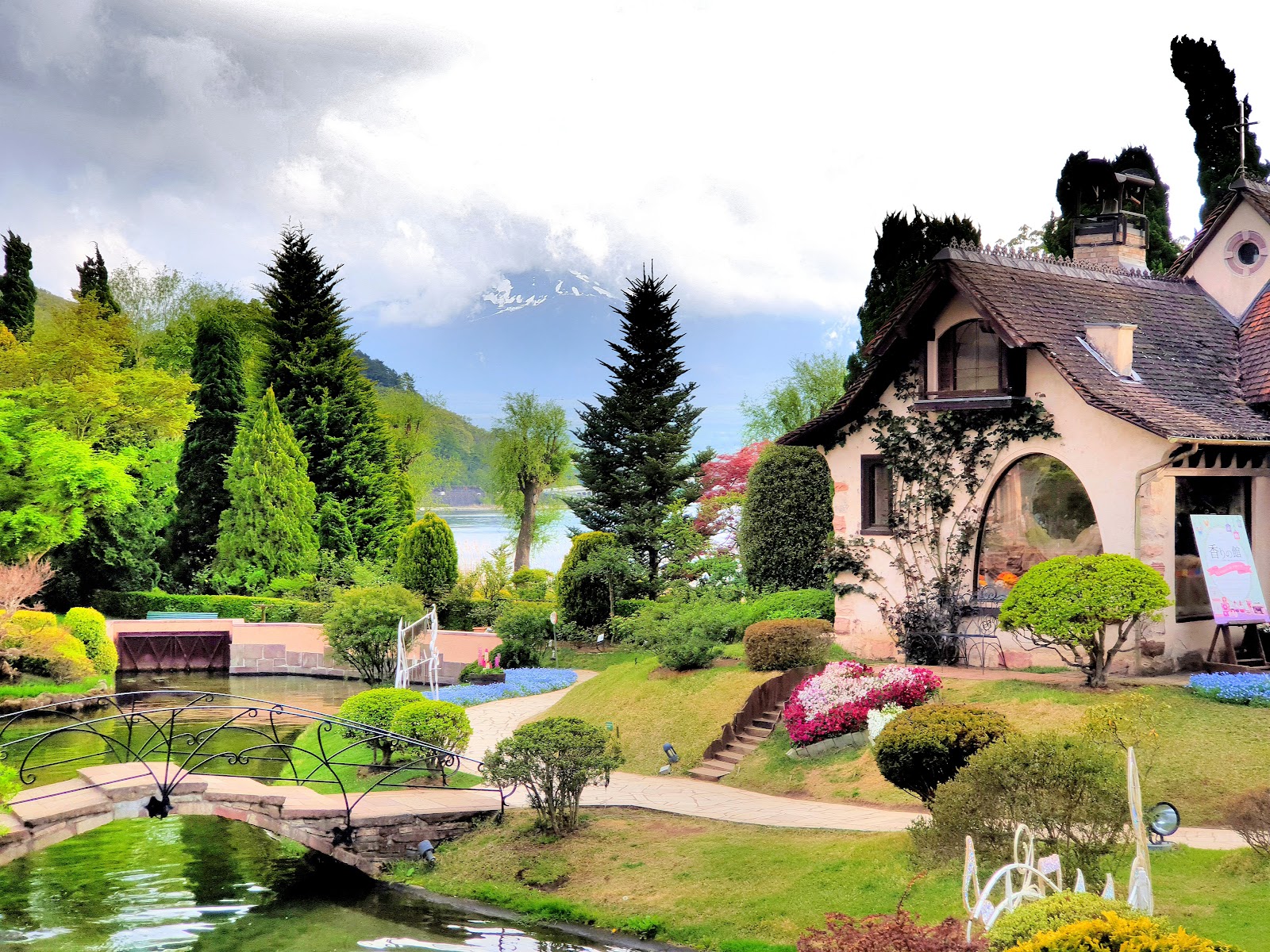
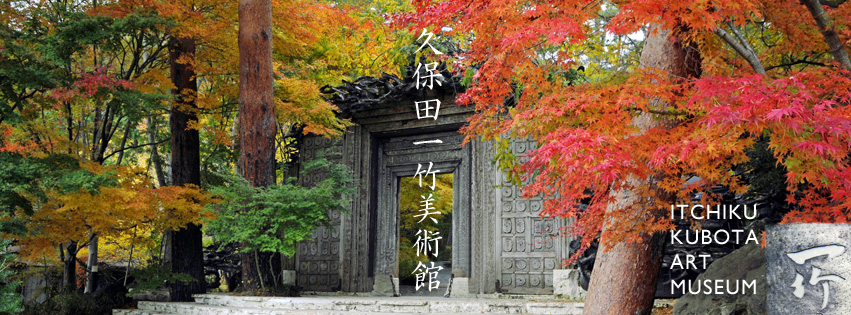
The building and grounds are integral to the experience. The main hall is a striking pyramidal structure built with a framework of great timber beams and walls incorporating shells and coral, inspired in part by Gaudi and by ancient architecture, creating a soaring, cathedral-like space in which the kimonos hang. A separate domed building adds to the ensemble. Surrounding them is a lush garden of moss, mature trees, stone paths and a small waterfall, with a tea house and cafe where visitors can pause. The garden is beautiful in its own right and especially spectacular in autumn, when its maples blaze red against the timber and stone.
Because it combines textile art, architecture and landscape, the museum appeals even to visitors who might not normally seek out a kimono collection. The scale and colour of the works are immediately impressive, and the contemplative atmosphere of the halls and garden encourages a slow, unhurried visit of around an hour or more. English information is available to help make sense of the tsujigahana technique and Kubota's vision.
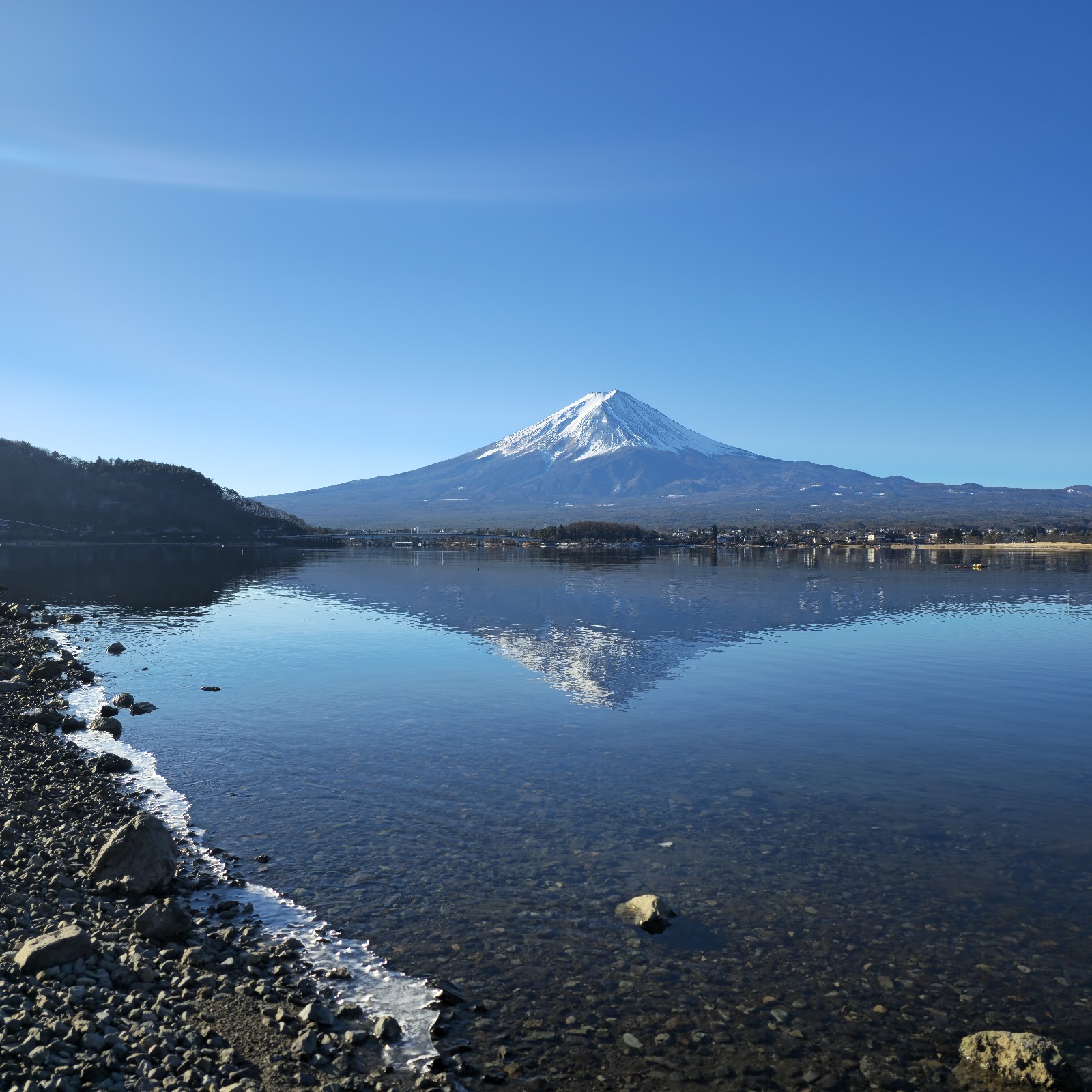
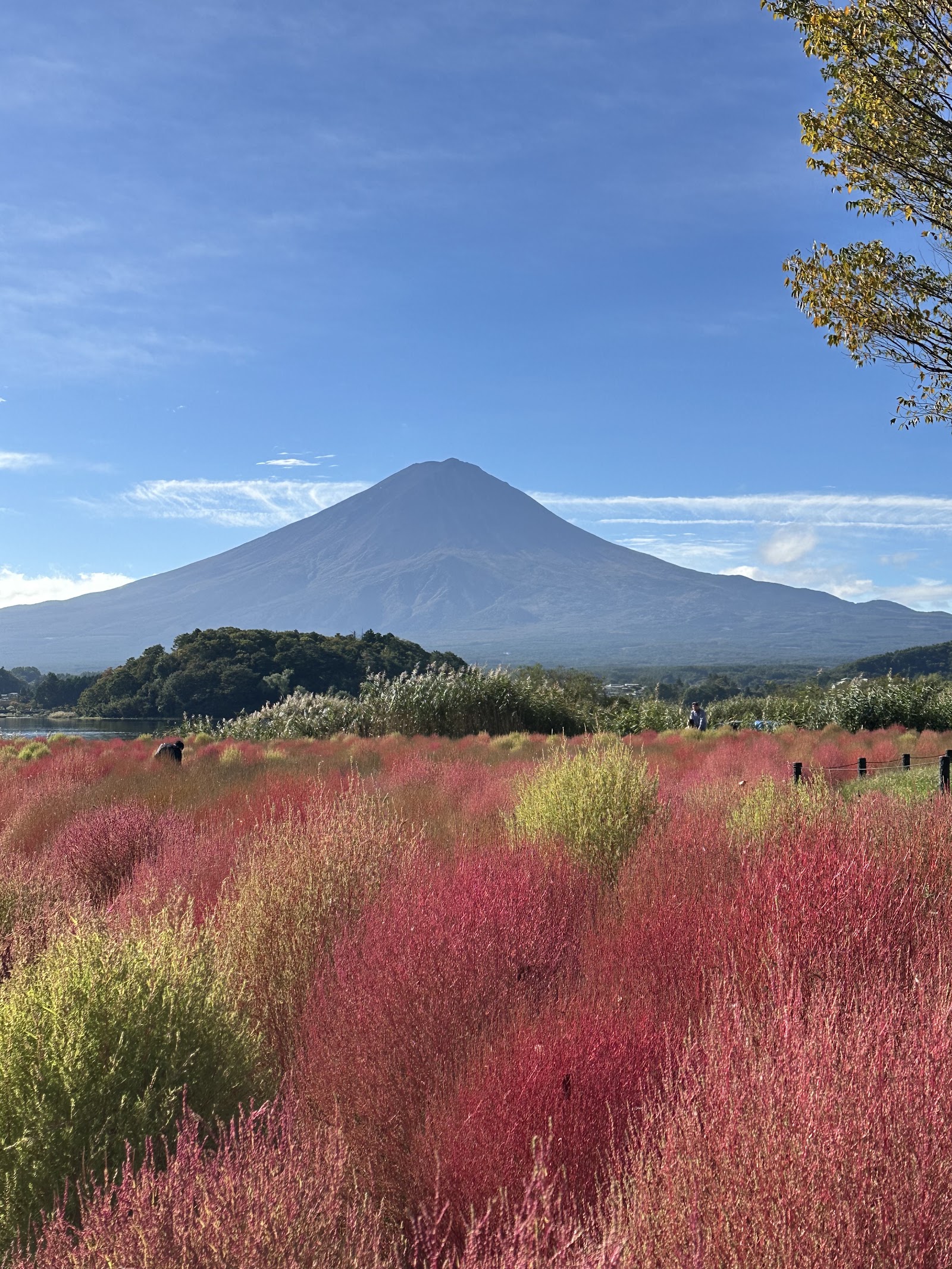
The museum's location on the quieter northern shore of Lake Kawaguchi places it near other attractions such as Oishi Park and its lavender fields, making it easy to combine into a day exploring the far side of the lake, where the Mt. Fuji views are among the best in the region. It is reached by the sightseeing buses that loop the lake from Kawaguchiko Station in around 25 minutes.
An admission fee applies, reflecting the museum's status as a private collection, and it keeps daytime hours with occasional closures. For travellers with an interest in art, craft or design, or simply looking for a cultural highlight amid the natural attractions of the Fuji Five Lakes, the Itchiku Kubota Art Museum offers a rare and memorable encounter with a singular artistic vision, housed in one of the most distinctive buildings in the area.
A local's tip
Don't rush past the building itself: the pyramidal shell-and-timber hall and the mossy garden with its waterfall are as much a part of the art as the kimonos inside.
Best time to visit
Autumn, when the garden's maples colour the approach
Getting there
Take the Fujikyu 'Red Line' Kawaguchiko sightseeing bus from Kawaguchiko Station to the museum stop on the northern lakeshore, about 25 minutes. It sits near the Oishi Park area.
Good to know
- Cafe
- Garden
- Restrooms
Plan the whole trip offline
Itchiku Kubota Art Museum is one of many places in the Real Japan app — with turn-by-turn directions, nearby spots and full offline maps you can use with no signal.