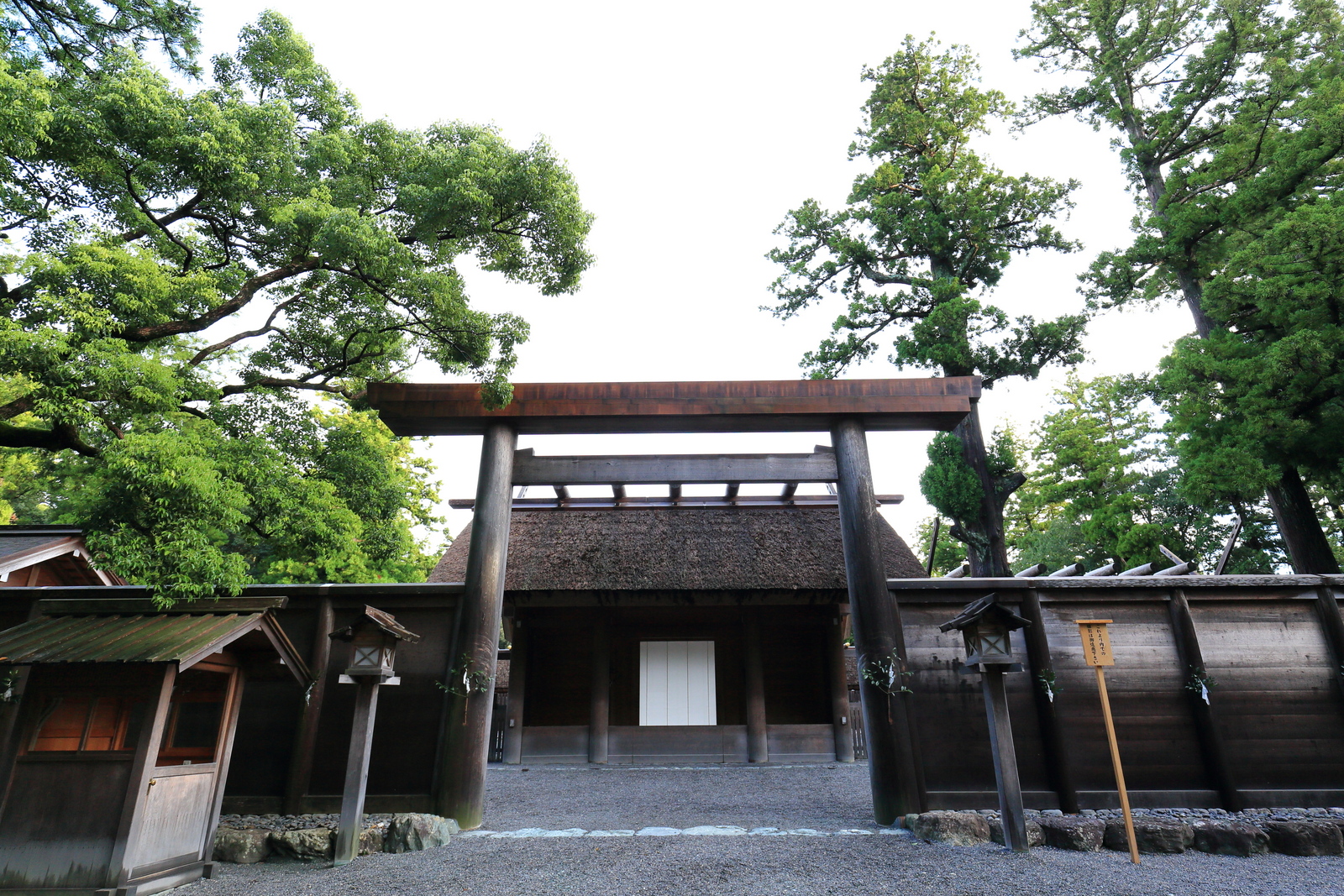
The Outer Shrine of Ise, dedicated to the harvest goddess Toyouke and traditionally visited before the Inner Shrine.
Ise Jingu Geku, the Outer Shrine, is the second great sanctuary of Ise Jingu and, by long custom, the place where a proper pilgrimage to Ise begins. Dedicated to Toyouke Omikami, the goddess of agriculture, harvests and food, it shares with the Inner Shrine the same austere grandeur, the same sacred cypress architecture, and the same extraordinary tradition of ritual rebuilding, yet it sees fewer crowds and offers an unhurried, deeply atmospheric introduction to Japan's holiest shrine complex.
The Geku was established roughly 1,500 years ago when, according to tradition, the sun goddess Amaterasu, enshrined at the Naiku, expressed the wish that Toyouke be brought to Ise to provide her sacred food. To this day priests at the Geku prepare and offer meals to the deities twice every day in a ceremony called the Higoto Asayu Omikesai, an unbroken ritual that has continued for some fifteen centuries and lies at the very heart of the shrine's purpose.
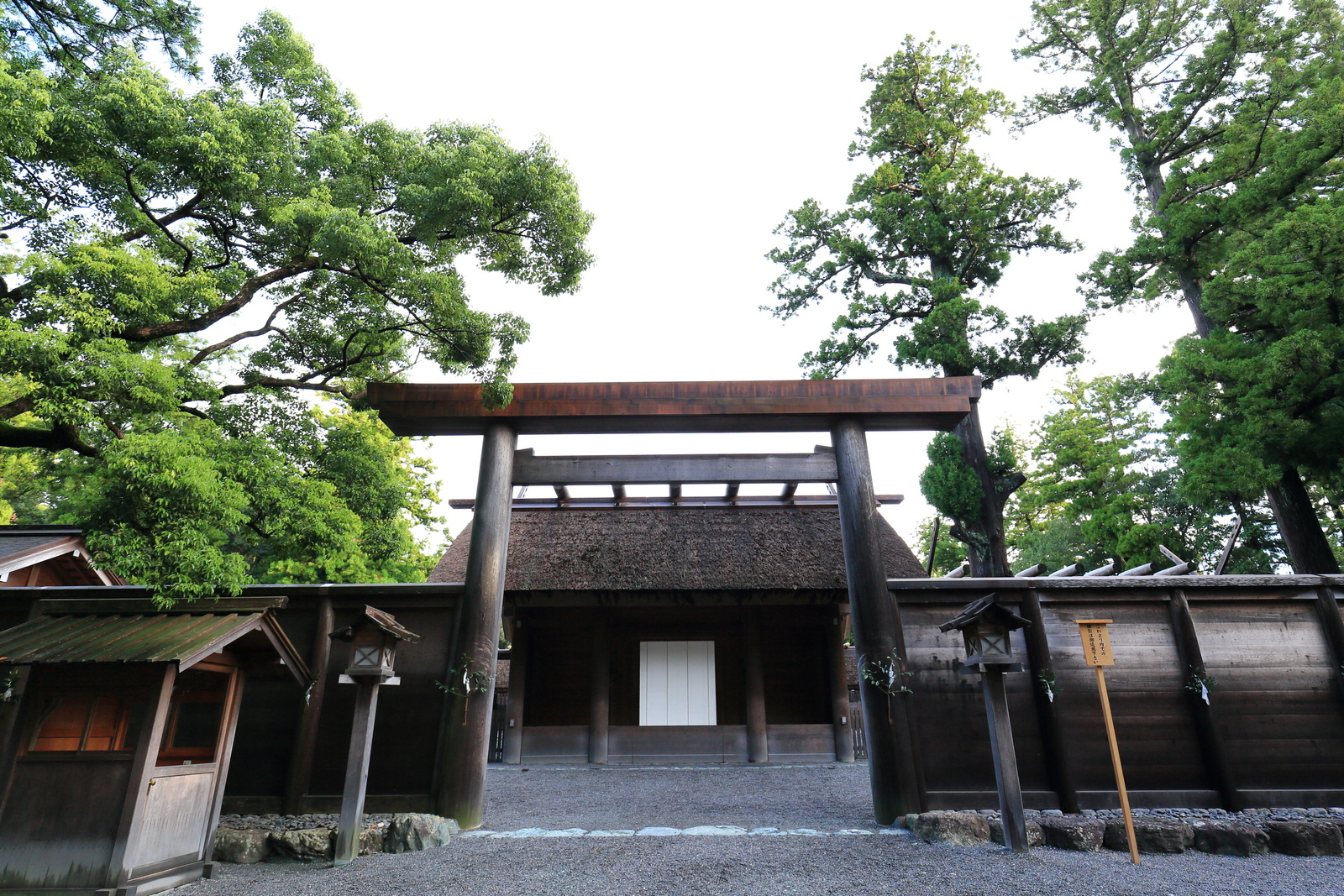
Like the Naiku, the Geku is built in the ancient Yuiitsu Shinmei-zukuri style: raised, unpainted structures of plain Japanese cypress with thatched roofs, forked finials and horizontal roof billets, set within a grove of soaring cedars. The main sanctuary is screened behind wooden fences, and visitors approach to pay their respects at the outer gate, glimpsing the sacred buildings beyond. The same twenty-year rebuilding cycle, the Shikinen Sengu, applies here, so that the shrine is forever renewed, and the vacant adjacent plot awaiting the next reconstruction is clearly visible.
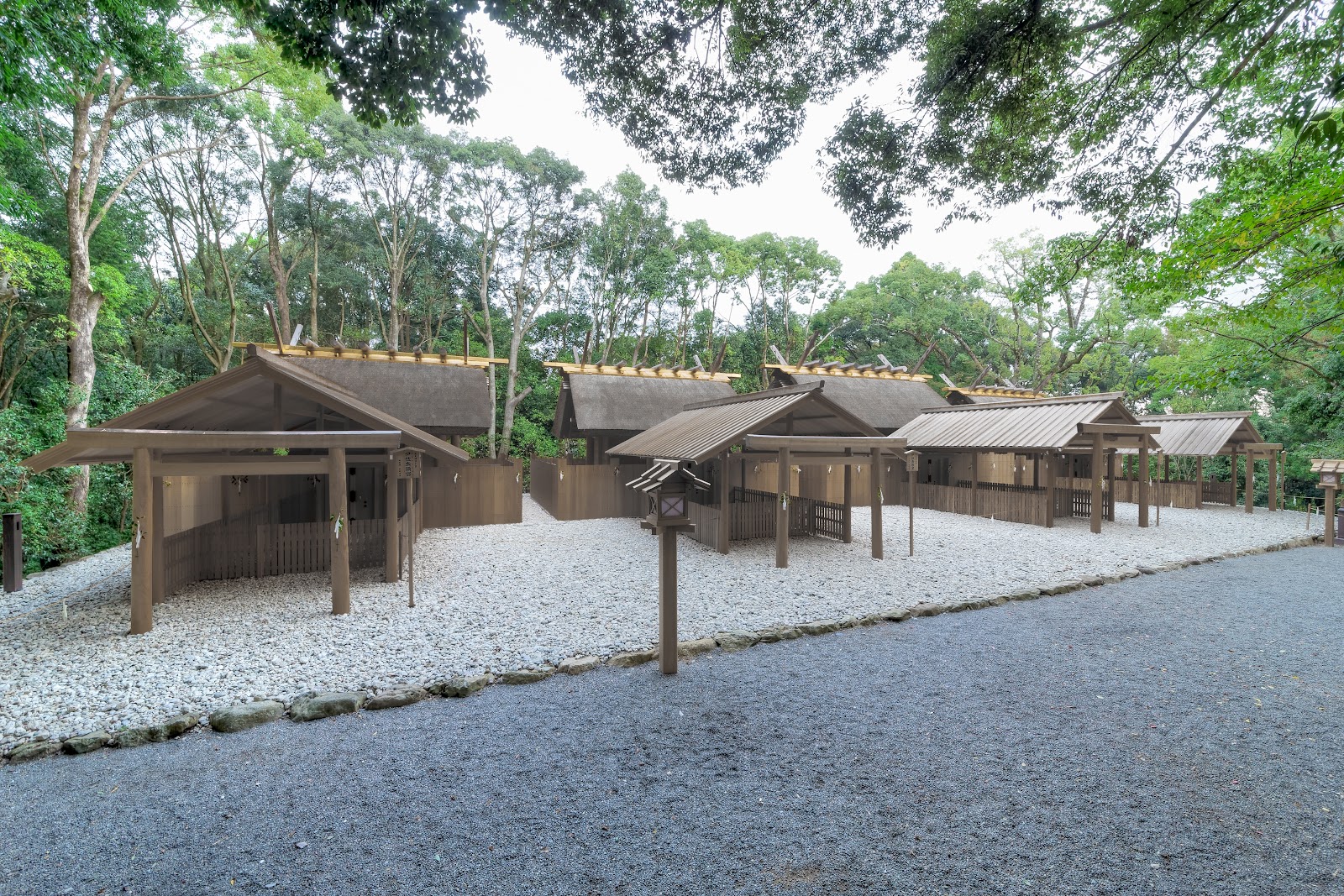
The grounds also contain smaller auxiliary shrines set on tree-covered rises, including several that reward a short climb, and the atmosphere throughout is one of green, filtered light and profound calm. Near the entrance stands the Sengukan museum, which explains the rebuilding tradition and displays a full-scale partial replica of a sanctuary, an excellent way to understand the craftsmanship that visitors cannot see up close within the shrine itself.
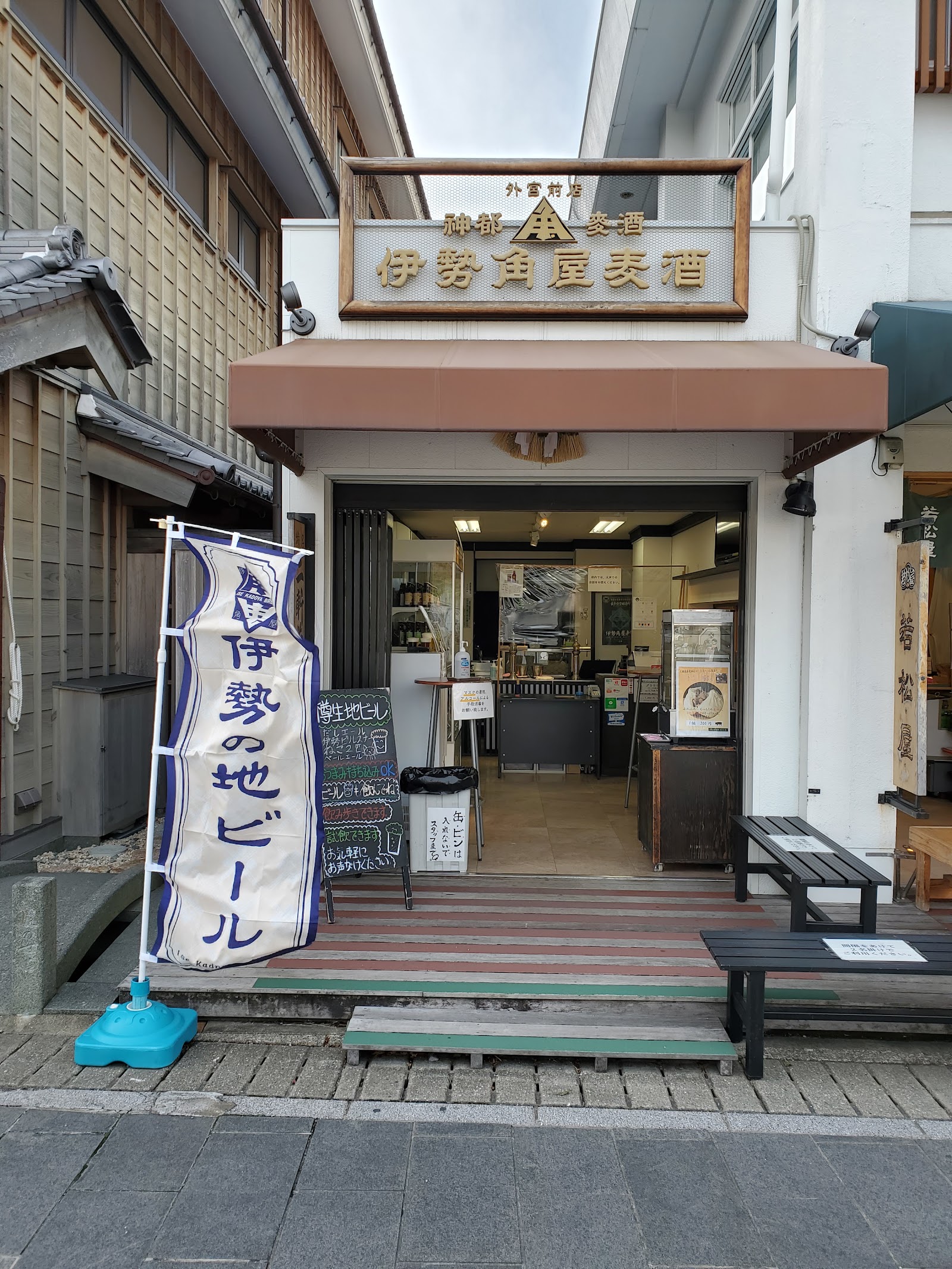
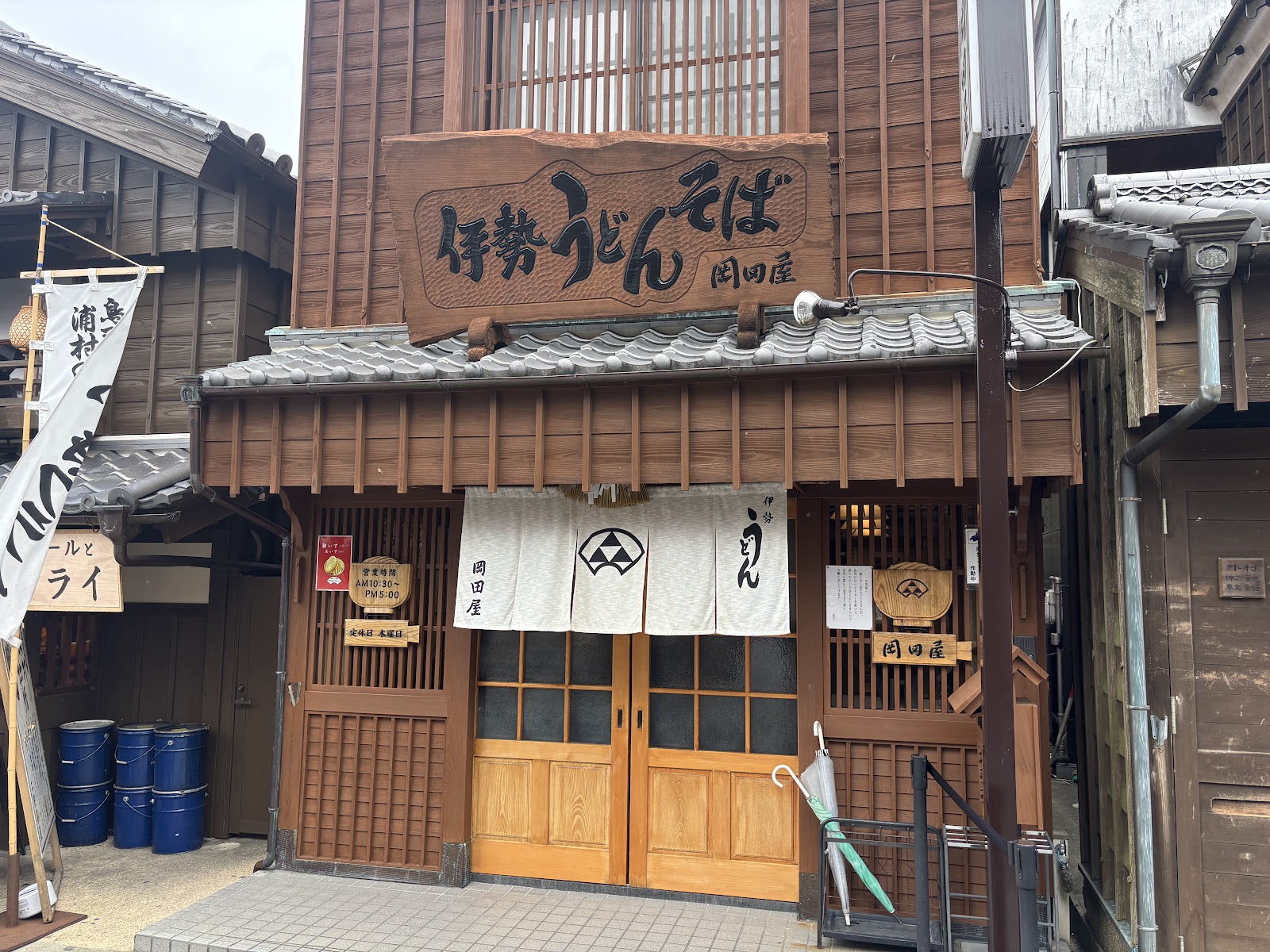
A great practical advantage of the Geku is its location: it lies just a five-minute walk from Iseshi Station along a pleasant approach street, the Sotomiya-sando, lined with shops and eateries. This makes it the natural first stop, in keeping with the traditional order of worship, before catching a bus to the more distant Naiku.
Admission is free and the shrine opens at dawn, so early risers can walk its quiet paths almost alone. For visitors who assume the Outer Shrine is merely a warm-up to the Inner, the Geku often proves a revelation in its own right, its serene forest precincts and living rituals conveying, in miniature, the timeless spirit that makes Ise Jingu unlike anywhere else in Japan.
A local's tip
Because it is so close to the station, arrive at opening to walk the cedar-lined paths in near solitude before continuing by bus to the Naiku.
Best time to visit
Early morning as the shrine opens
Getting there
The Geku is only a five-minute walk from Iseshi Station along the Sotomiya-sando approach; buses to the Naiku depart from just outside.
Good to know
- Museum
- Parking
- Restrooms
Plan the whole trip offline
Ise Jingu Geku (Outer Shrine) is one of many places in the Real Japan app — with turn-by-turn directions, nearby spots and full offline maps you can use with no signal.