A stone-paved lantern-lit alley of tiny old restaurants beside a moss-covered temple, steps from Dotonbori.
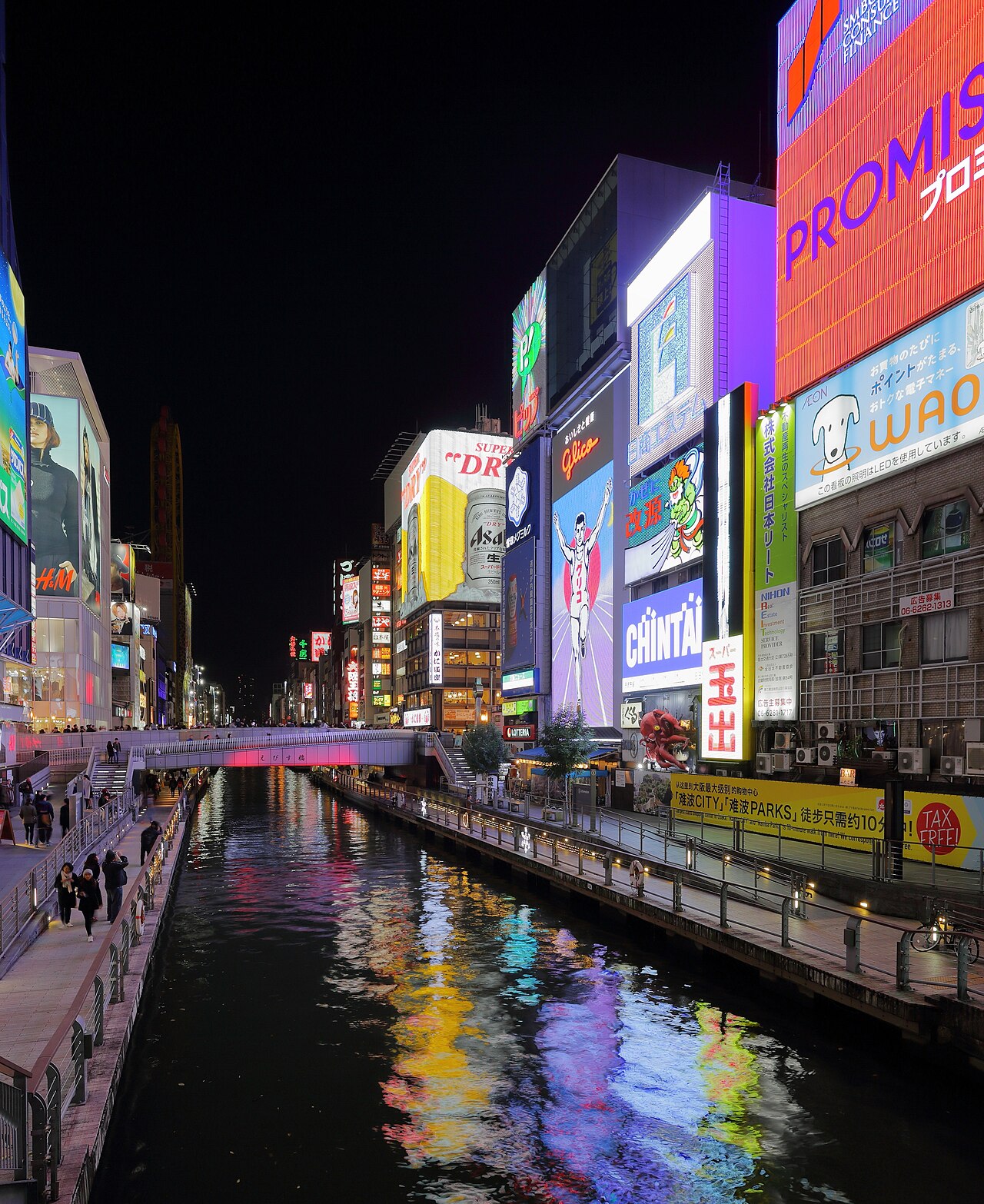
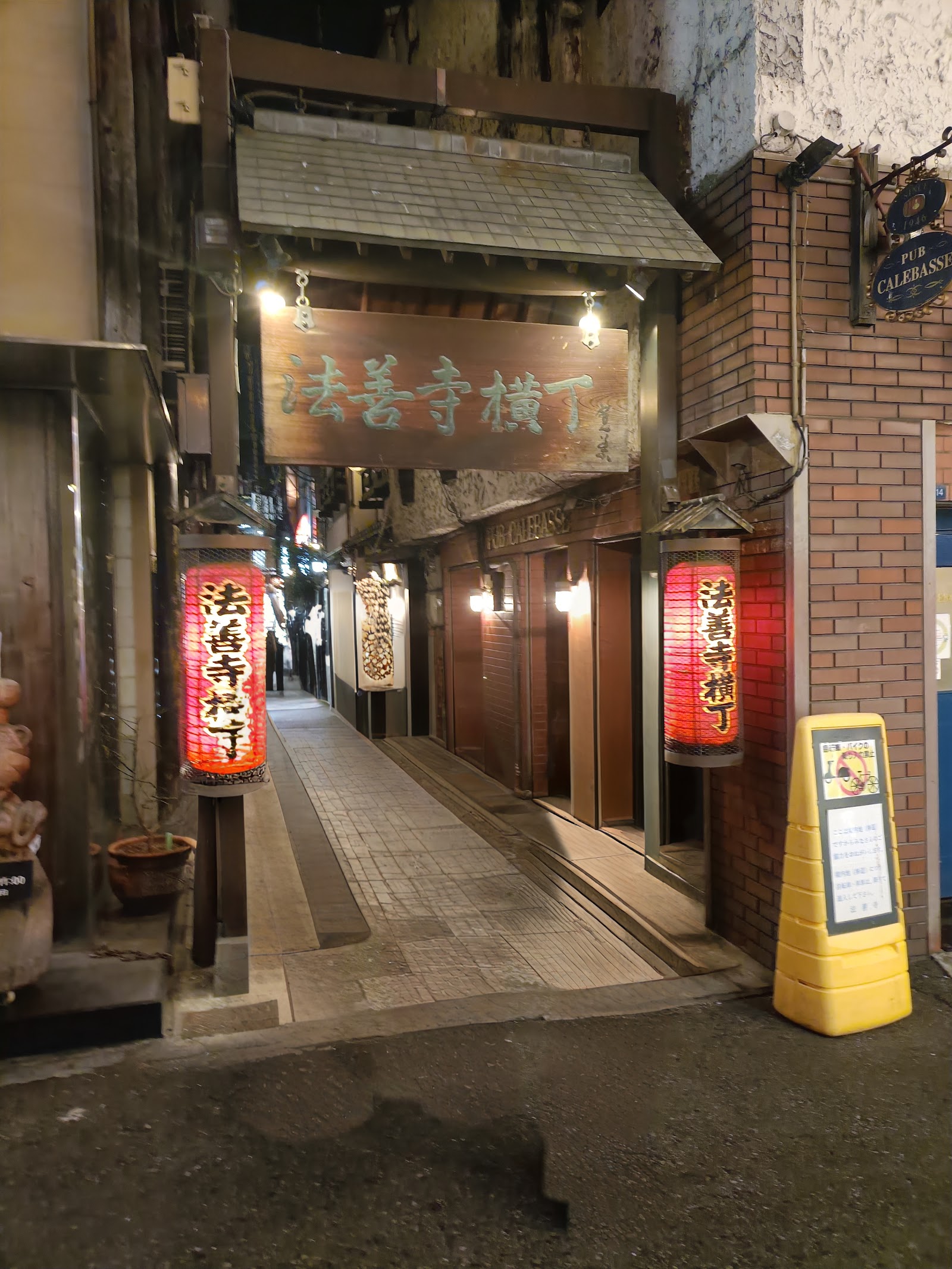
Hozenji Yokocho is one of Osaka's most evocative corners: a pair of narrow, stone-paved alleys barely wide enough for two people to pass, lined with tiny old-fashioned restaurants and bars and softly lit by paper lanterns. It sits just a block south of the neon roar of Dotonbori, yet stepping into it feels like slipping back a century into a hushed, intimate Osaka that the surrounding city has largely paved over.
The lane is named for Hozen-ji, the small Buddhist temple at its heart. The temple's star is a statue of Fudo Myo-o (the immovable wisdom king) so thickly blanketed in green moss that its features have almost disappeared. The moss is the product of a long-standing custom: visitors ladle water over the statue as they pray for a wish, for success in business, love or study, and generations of splashing have turned the stone into a living cushion of green. Tossing water and offering a quiet prayer here is the essential Hozenji ritual, and a lovely one to perform before dinner.
What to see and do: the pleasure of Hozenji Yokocho is atmosphere and appetite. The alleys are home to long-established establishments serving Osaka comfort food — kushikatsu, okonomiyaki, oden, hari-hari nabe, sushi and more — many in rooms so small they seat only a handful of guests. This is a place for a slow, characterful meal or a drink rather than a quick photo stop, though photographers prize the flagstones, wooden facades, hanging lanterns and old signboards, which are especially cinematic after dark and after rain.
The district carries real history and even survived tragedy: much of it was destroyed by fire in 2002, but local restaurateurs and residents rallied to rebuild it faithfully in the old style, preserving the flagstones and low wooden frontages rather than modernising. That determination is why it still feels authentic rather than staged.
The visiting experience is romantic and low-key. Because the passages are so tight and many restaurants tiny and cash-only, it suits couples and small groups more than large parties; prices at the sit-down establishments run higher than the street stalls of Dotonbori, reflecting the setting and craftsmanship. Reservations help at the more famous spots.
Best time to visit is the evening, when the lanterns glow, the restaurants open and the alley is at its most magical; a pass-through by day lets you appreciate the temple and stonework in quiet. Any season works, and a light rain only deepens the mood.
Getting there is easy from the Minami core. From Namba Station, walk about five minutes north toward Dotonbori; the alleys run just south of the canal, immediately beside Hozen-ji temple, tucked between Dotonbori and Sennichimae. From Shinsaibashi it is a ten-minute stroll south down the covered arcade. The Midosuji and Sennichimae subway lines serve Namba; IC cards such as ICOCA and Suica cover them, while a Japan Rail Pass does not apply to these non-JR lines.
A local's tip
Splash water on the moss-covered Fudo Myo-o statue at Hozen-ji before you eat — it is the local ritual for a wish, and the reason the stone is a lush green.
Best time to visit
Evening, when the lanterns glow and the tiny restaurants open
Getting there
From Namba Station, walk about five minutes toward Dotonbori; the alley runs just south of the canal, beside Hozen-ji temple. From Shinsaibashi it is a ten-minute stroll down the shopping arcade.
Good to know
- Cash
- Wi-Fi
- Restrooms
Plan the whole trip offline
Hozenji Yokocho is one of many places in the Real Japan app — with turn-by-turn directions, nearby spots and full offline maps you can use with no signal.