Osaka's main covered shopping arcade, a 600-metre run of department stores, boutiques and old merchant history.
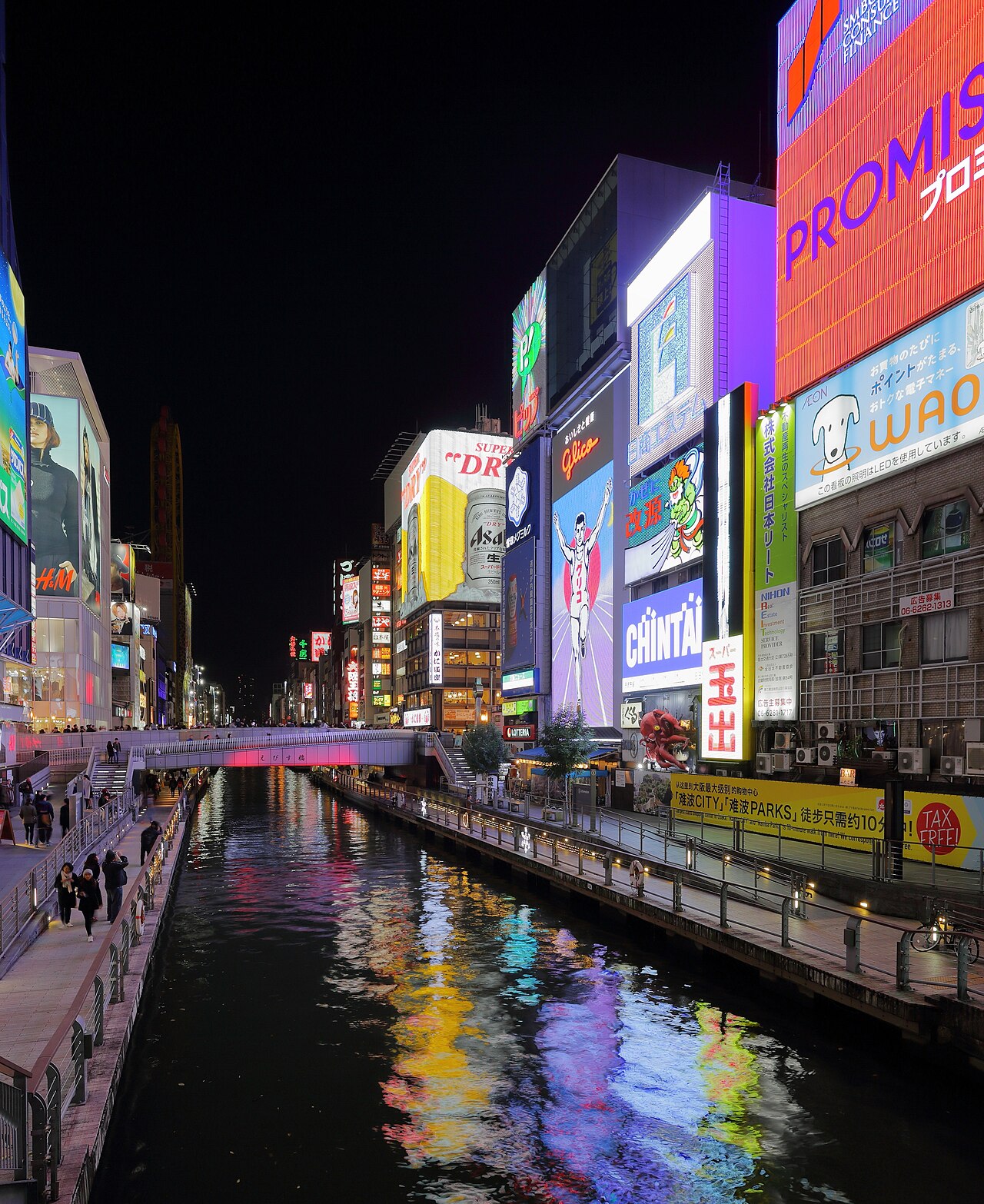
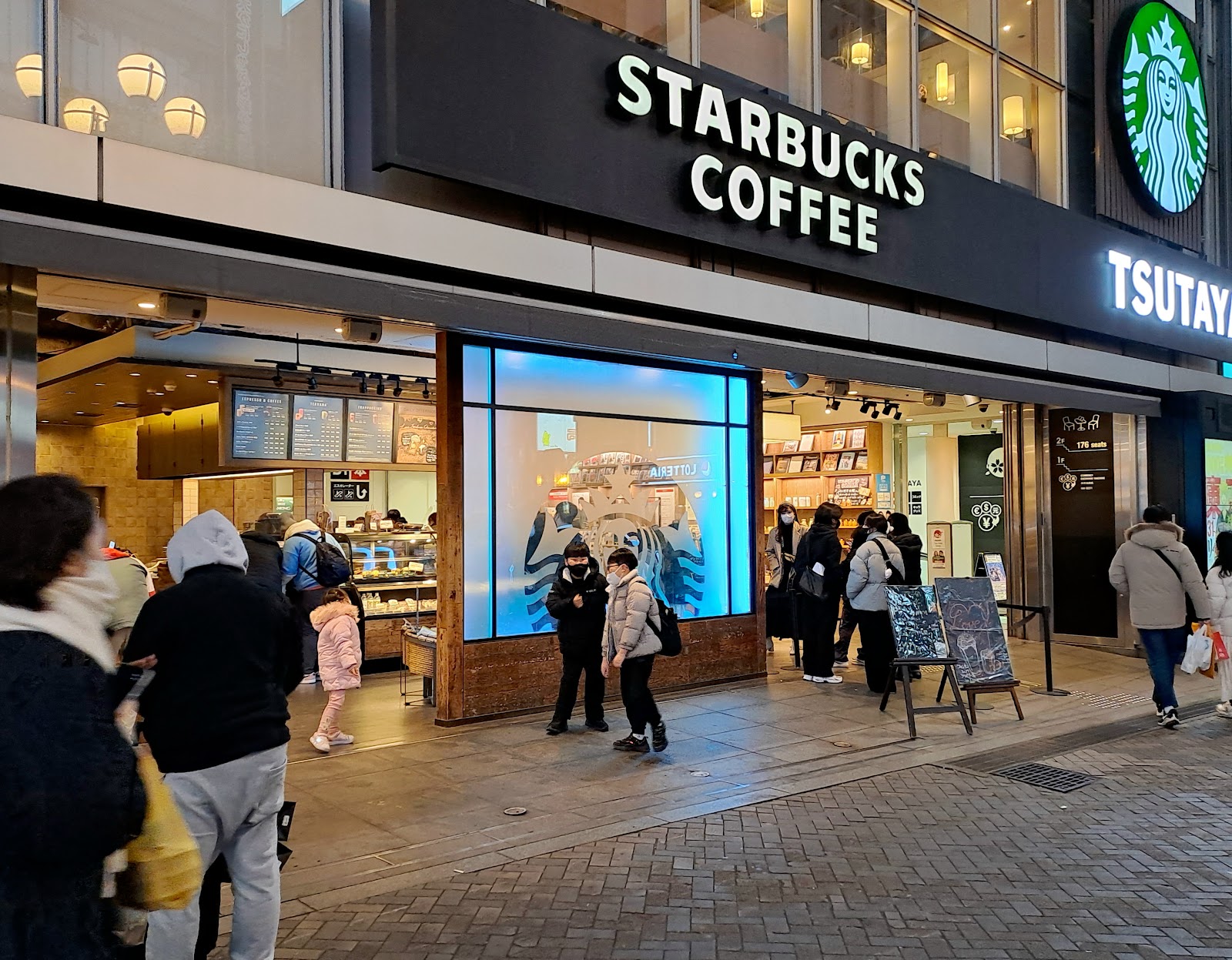
Shinsaibashi-suji is Osaka's principal shopping street and one of the city's oldest commercial arteries, a roughly 600-metre covered arcade running north from Dotonbori through the Chuo-ku district. It is the retail spine of Minami (south Osaka): a bright, roofed corridor lined with department stores, international fashion flagships, drugstores, souvenir shops, cafes and long-established local businesses, busy from morning until late.
The district takes its name, like many places in Osaka, from a bridge. In 1622, during the excavation of the Nagahori-gawa canal, the merchant Shinsai Okada built a wooden bridge that was named after him. As the theatre district of Dotonbori to the south and the pleasure quarters to the north grew in popularity, so did the shops lining the streets the bridge connected, and the area established itself as Osaka's main shopping district. The much-loved wooden span was replaced in 1873 by an arched iron truss bridge imported from Germany — an unusual sight that became a talking point among Osakans — and relics of the old bridge's railings and lamps are still displayed nearby.
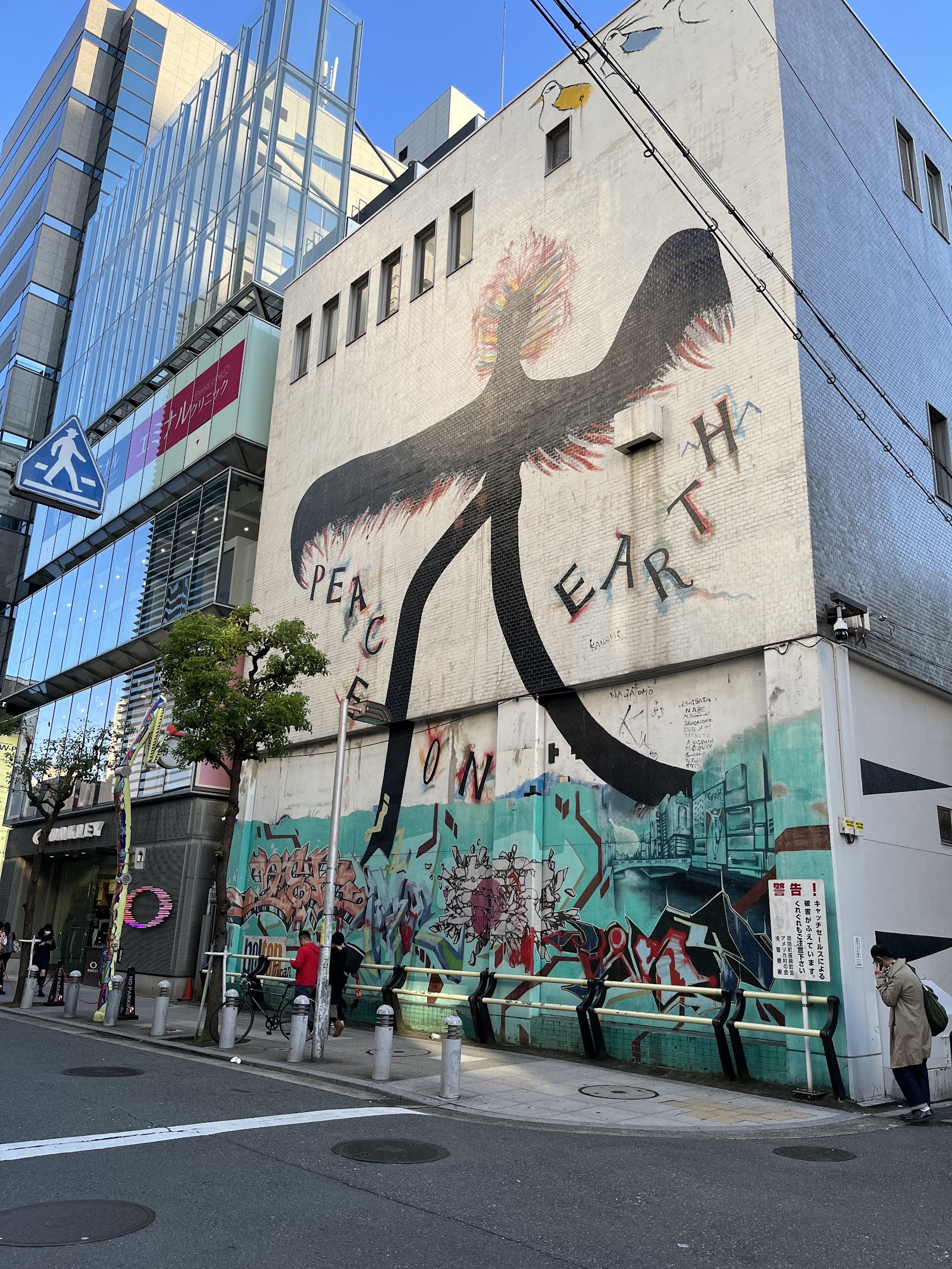
What to see and do: the pleasure here is the browse itself. The southern end near Dotonbori is dense with drugstores and tax-free shops popular with visitors; the northern stretch is anchored by the grand Daimaru Shinsaibashi department store, whose Art Deco main building by American architect William Merrell Vories is an architectural landmark in its own right. Step one block west across Midosuji and you enter Amerikamura, Osaka's gritty youth-fashion quarter — the two make a fascinating high-low pairing.
The visiting experience is comfortable and all-weather: the arcade is fully roofed, making it the ideal rainy-day plan, and it connects seamlessly to Dotonbori at its southern end, so you can shop and then eat your way along the canal without ever stepping into the rain. It is fully accessible, with level paving and lifts in the major stores, and English signage and tax-free counters are common.
Best time to visit is daytime for the fullest range of open shops, though because it is covered the arcade works in any weather and any season. Weekends are busiest; weekday mornings are calmest.
Getting there could hardly be simpler. The Midosuji and Nagahori Tsurumi-ryokuchi subway lines both stop at Shinsaibashi Station, whose exits open directly onto the arcade. From Namba it is a pleasant ten-minute covered walk north, and Dotonbori sits at the arcade's southern mouth. IC cards such as ICOCA and Suica cover the subway; the lines here are not JR, so a Japan Rail Pass does not apply to the final approach.
A local's tip
The arcade is covered end to end — it is the perfect rainy-day plan, and it runs straight down to Dotonbori so you can shop and then eat without stepping outside.
Best time to visit
Daytime for shopping; the arcade is covered so weather never matters
Getting there
The Midosuji and Nagahori Tsurumi-ryokuchi subway lines both stop at Shinsaibashi Station, whose exits open directly onto the arcade. From Namba, it is a pleasant ten-minute covered walk north.
Good to know
- ATMs
- Wi-Fi
- Restrooms
- Tax-free shops
Plan the whole trip offline
Shinsaibashi-suji Shopping Street is one of many places in the Real Japan app — with turn-by-turn directions, nearby spots and full offline maps you can use with no signal.