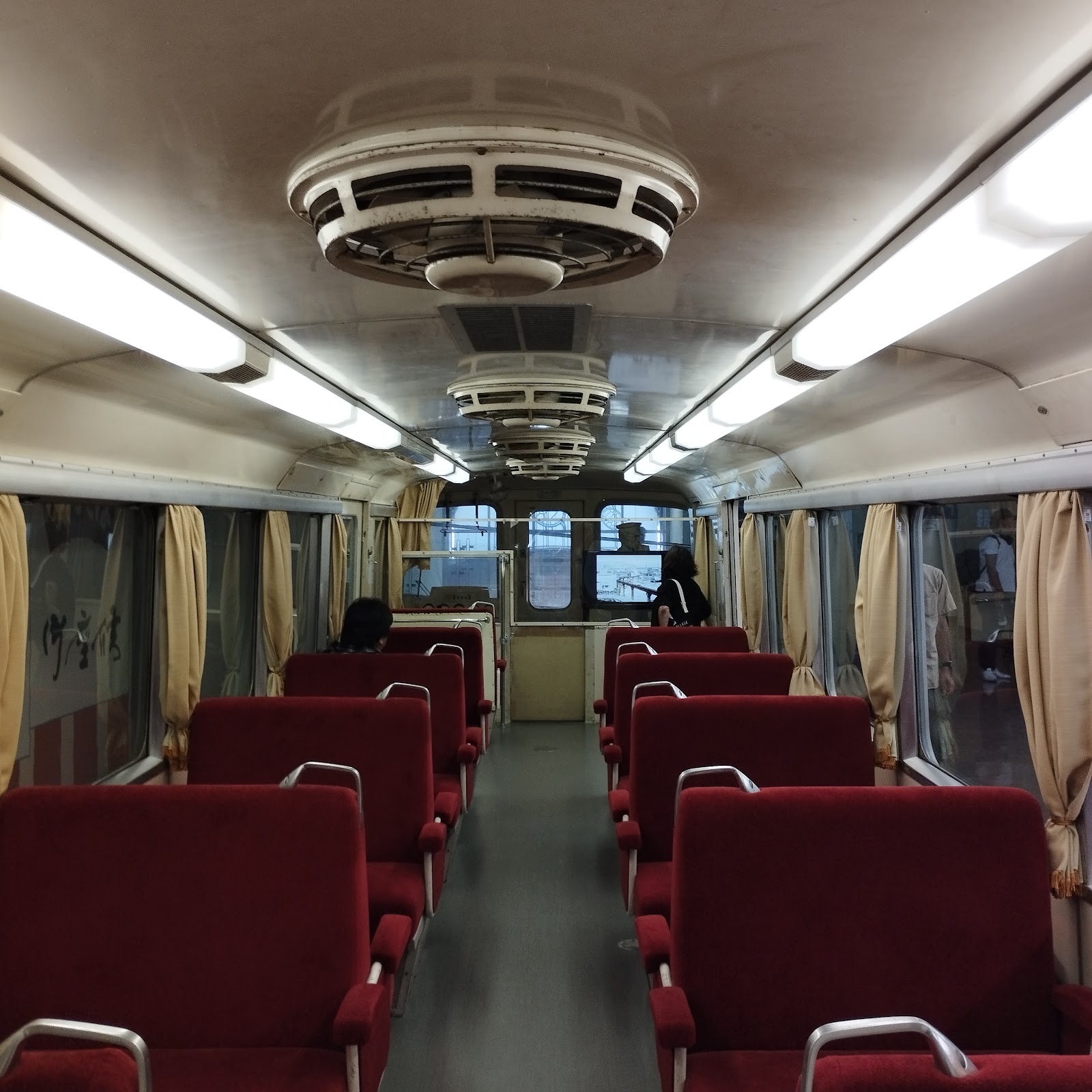
Preserved cars of the short-lived 1960s Himeji Monorail displayed on their original elevated station.
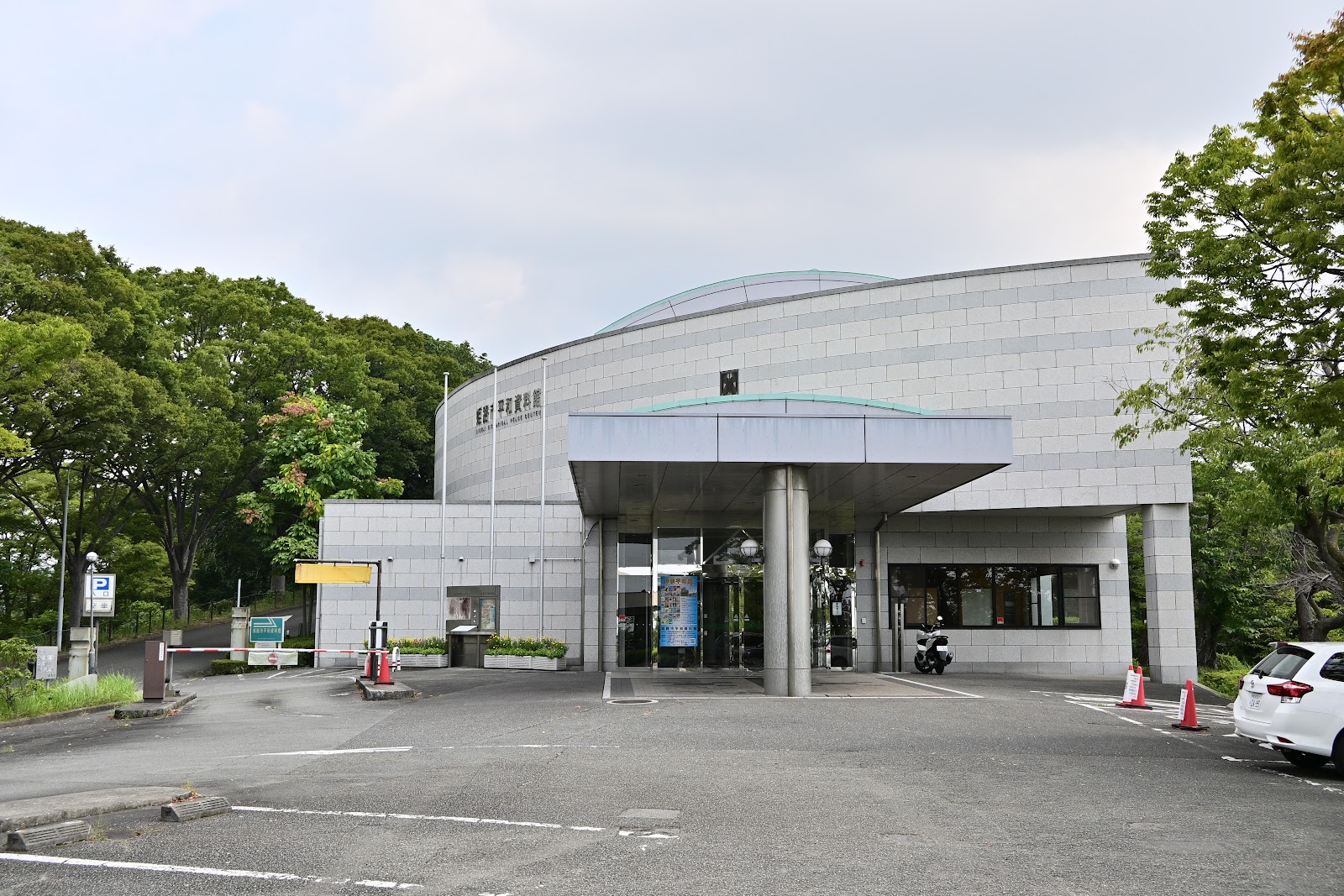
The Himeji Monorail Museum, housed within the Tegarayama Exchange Station in Tegarayama Central Park, preserves one of the most fascinating and short-lived chapters of the city's modern history: the Himeji Monorail. This unusual, hands-on transport museum is a hidden gem that delights rail enthusiasts and curious families alike, and unlike almost everything else associated with Himeji's landmarks, it is completely free.
The Himeji Monorail opened in 1966, built to carry visitors to the Himeji Grand Exposition held that year, running on a striking elevated track between Himeji Station and Tegarayama. It was a bold, futuristic project for its time, using the ALWEG straddle-beam monorail technology that was then seen as the transport of tomorrow. But the line proved commercially unviable — it was expensive to run, served a limited route, and ridership never met expectations. Services were suspended in 1974 and the line was formally abolished in 1979, leaving behind ghostly stretches of elevated concrete beam that can still be spotted around the city, along with the abandoned Daishoji Station famously entombed inside an apartment building.
The museum rescues and celebrates this quirky legacy. Its centrepiece is a pair of preserved original monorail cars, displayed on a section of the elevated track at the former Tegarayama terminus, so visitors can see the trains exactly where they once ran and even step aboard to sit in the vintage 1960s carriages. Exhibits of photographs, models, documents and artefacts tell the full story of the line's ambitious birth, its brief operating life and its abandonment, offering a poignant and genuinely interesting window into a moment when Himeji reached for a futuristic vision that didn't quite work out.
For rail fans, the appeal is obvious — this is a rare, well-preserved example of an early Japanese urban monorail, and the chance to sit in the actual cars on their original beam is special. But the museum also charms general visitors and children with its air of retro-futurism and the strange, melancholy romance of a transport dream that failed. It adds a surprising layer to the Himeji story, reminding you that this castle city has a distinctly modern, experimental side too.
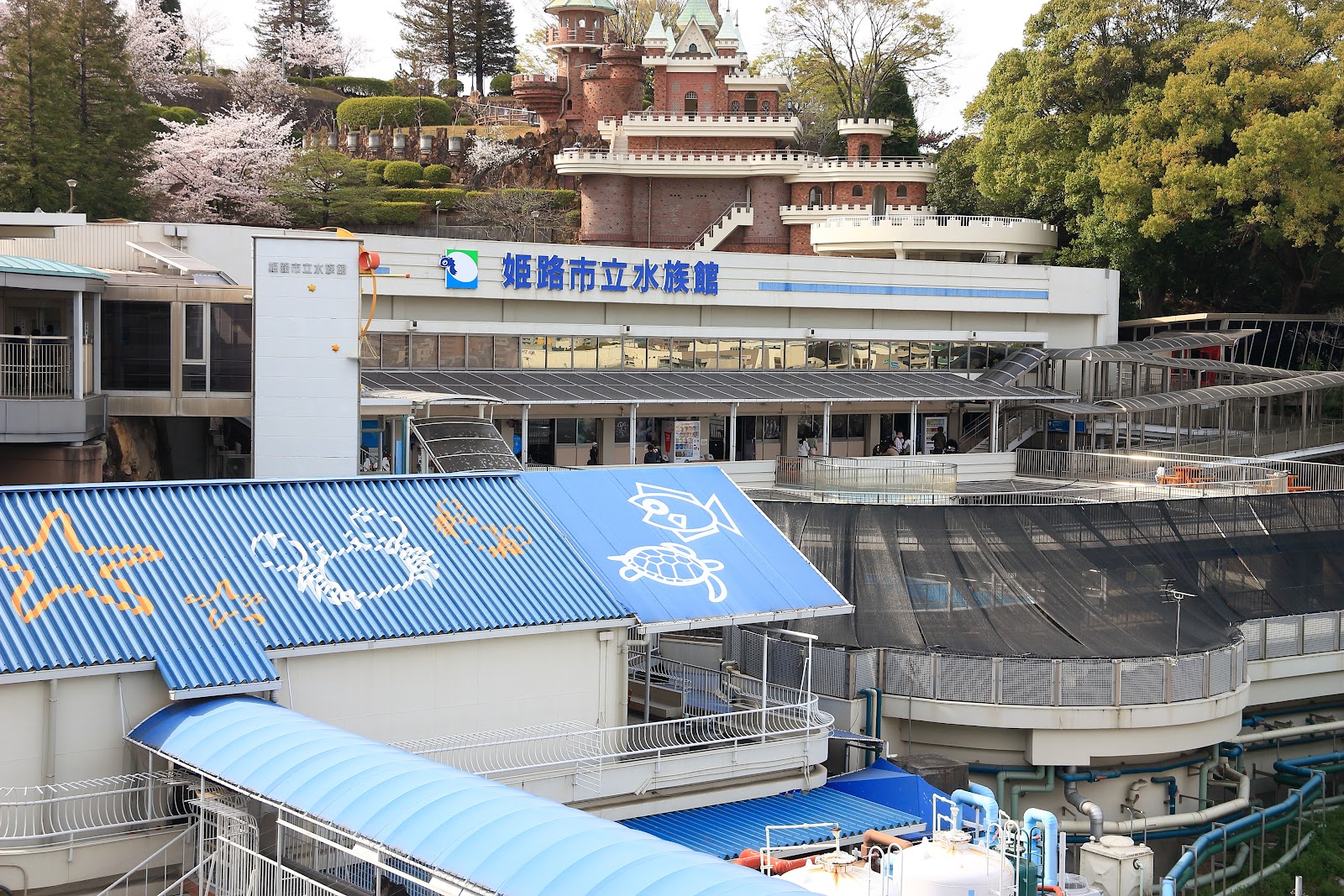
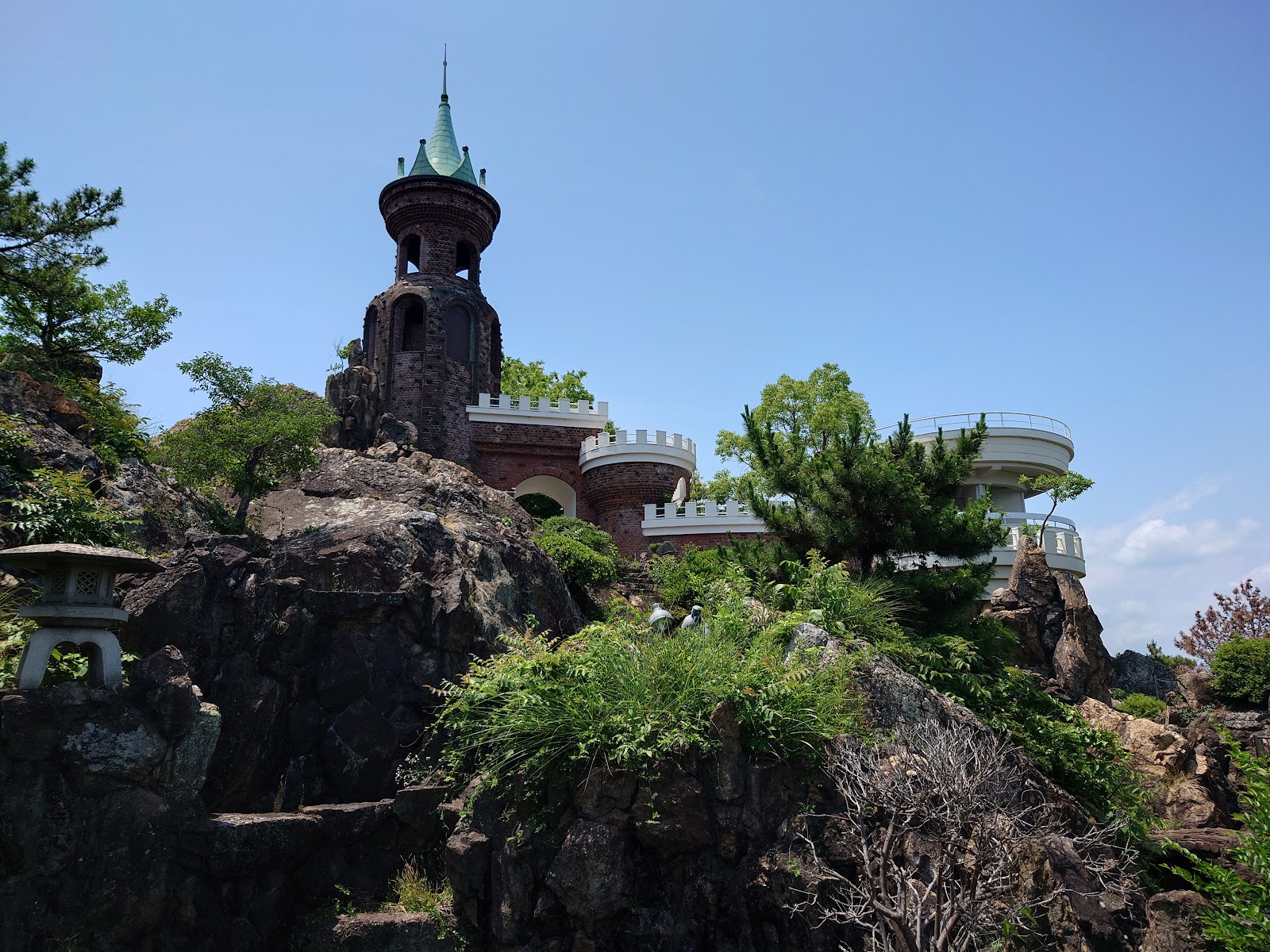
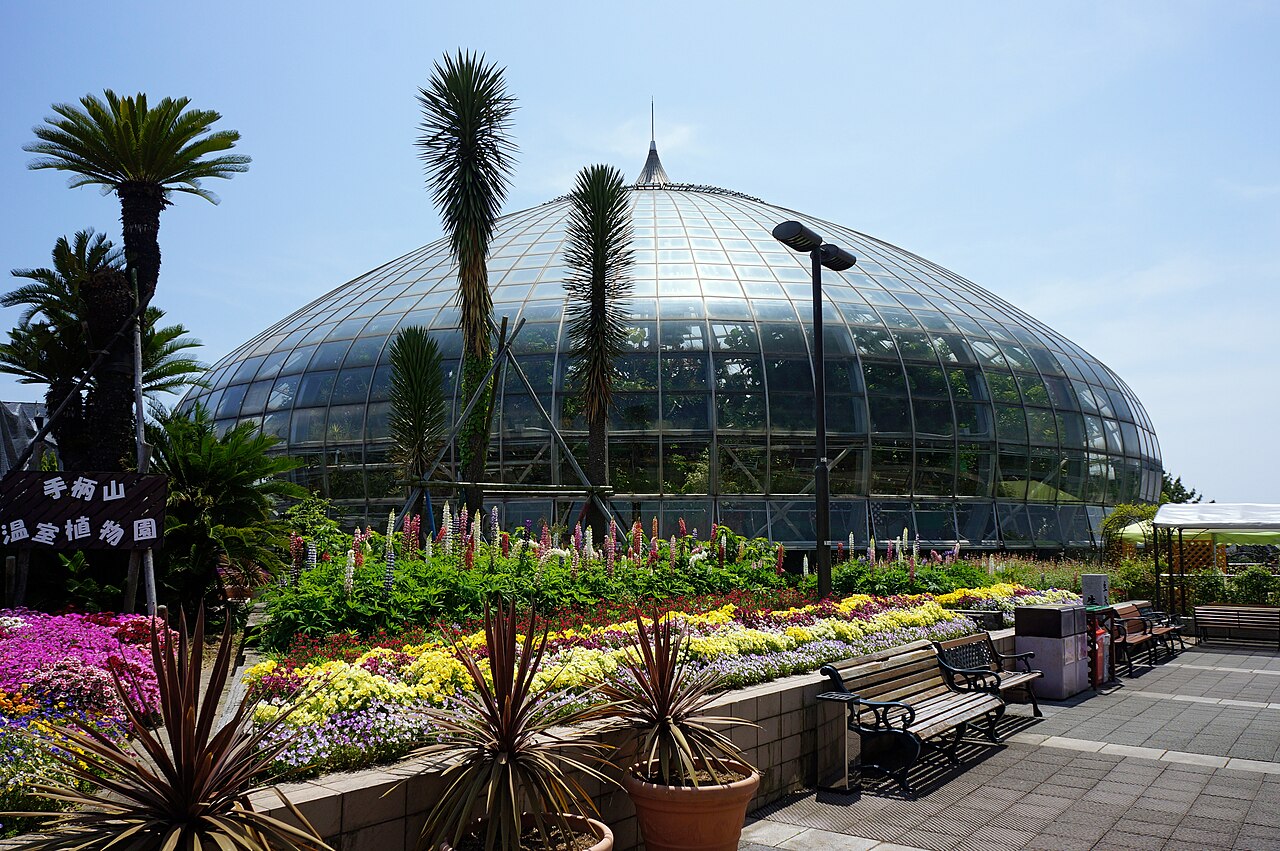
The museum sits inside Tegarayama Central Park on the same green hillside as the Himeji City Aquarium and the tropical botanical greenhouse, so it slots perfectly into a family half-day in the park, combining old trains, sea creatures and warm-climate plants in a single outing well away from the castle crowds.
Practical details: admission is free, though opening is generally limited to weekends and public holidays, typically around 10:00 to 16:00, so it is worth checking current schedules before making a special trip. It is a ten-minute walk from Tegara Station on the Sanyo Electric Railway, or a bus ride from Himeji Station to Tegarayama. Allow around forty minutes. For anyone with an interest in trains, transport history or offbeat local stories — and for families looking to round out a day at Tegarayama — the Himeji Monorail Museum is a delightful, free and utterly distinctive corner of the city.
A local's tip
The preserved 1960s monorail cars are displayed on their original elevated track and station — a wonderfully quirky slice of transport history that most visitors to Himeji never hear about, and it's completely free.
Best time to visit
Any time; great for rail fans and families
Getting there
A 10-minute walk from Tegara Station on the Sanyo Electric Railway, inside Tegarayama Central Park in southern Himeji. Combine with the aquarium and botanical garden on the same hillside.
Good to know
- Restrooms
- Free Entry
- Family Friendly
Plan the whole trip offline
Himeji Monorail Museum (Tegarayama Exchange Station) is one of many places in the Real Japan app — with turn-by-turn directions, nearby spots and full offline maps you can use with no signal.