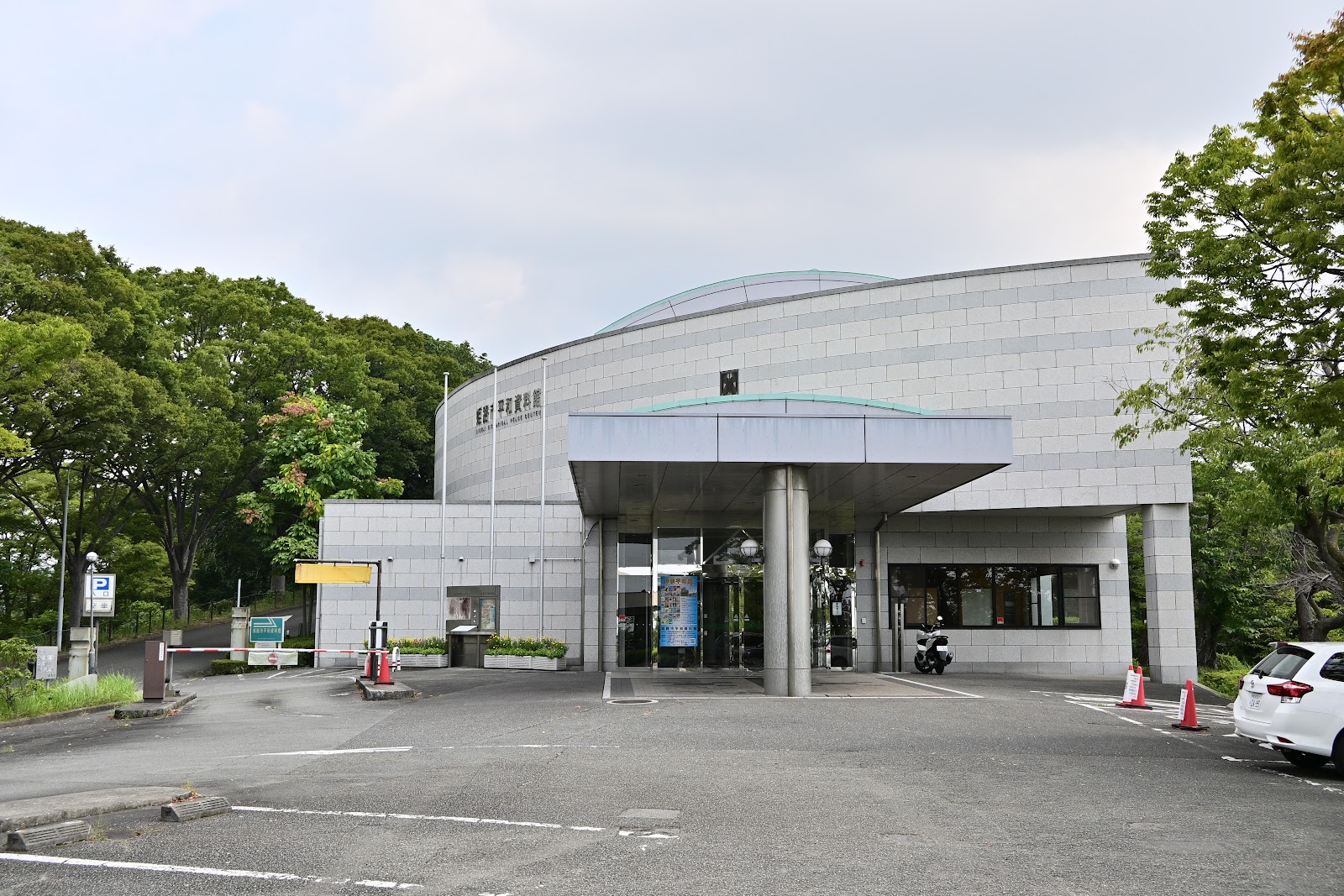
Museum documenting Himeji's WWII air raids and civilian experience, promoting peace and remembrance.
The Himeji City Peace Museum, known in Japanese as the Himeji Heiwa Shiryokan, is a sobering and important counterweight to the city's more celebrated feudal-era sights. Where Himeji Castle tells the story of samurai power and architectural glory, this museum in the southern part of the city documents a much more recent and painful chapter: the devastation of Himeji during the Second World War and the human cost of the conflict for ordinary citizens.
Himeji suffered severely in 1945. Two major American air raids, in June and July of that year, reduced much of the city to scorched earth and claimed hundreds of civilian lives, while the wider war took a far greater toll on the region's families. Remarkably, the castle itself survived — a firebomb is said to have crashed through the keep without detonating — but the surrounding city was not so fortunate. The Peace Museum exists to preserve the memory of that destruction and to educate future generations about the realities of war.
Opened in 1994, the museum presents its story through photographs, artefacts, personal belongings, documents and testimony that convey the experience of Himeji's residents during the air raids and the hardships of wartime life. Displays cover the raids themselves, the home-front conditions, evacuation, and the long process of rebuilding, grounding the abstractions of history in individual human stories. The tone throughout is reflective and educational rather than triumphal, with a clear message of peace and the prevention of future conflict. A reference library and materials for schools support its role as a centre for peace education, and it regularly hosts talks and special exhibitions.
Because the subject matter is heavy, a visit here has a very different mood from the rest of a Himeji itinerary, but it adds genuine depth to an understanding of the city. It reminds visitors that Himeji is a living modern place shaped by the twentieth century as much as by the age of the samurai, and it invites quiet reflection on how the surviving castle came to stand over a city that had to be almost entirely rebuilt.
The museum sits in southern Himeji near Tegarayama Central Park, and it pairs meaningfully with a visit to nearby Nagoyama, where a striking sword-shaped memorial tower — the Peace Tower — was erected to commemorate the more than half a million civilian victims of the Pacific War. Together, the museum and the memorial form a considered act of remembrance woven into the city's landscape.
Admission is very modest at around 200 yen, and the museum opens from 10:00 to 17:00, closing on Mondays (or the following weekday after a public holiday) and over the New Year period. It is reached in about twelve minutes on foot from Tegara Station on the Sanyo Electric Railway, or by bus from Himeji Station. Allow around 45 minutes. Much of the detailed signage is in Japanese, but the photographs and artefacts communicate powerfully regardless of language. For thoughtful travellers, it is a meaningful and humbling stop that rounds out the historical picture of Himeji.
A local's tip
Pair it with a walk up nearby Nagoyama, where the sword-shaped Peace Tower memorial commemorates the civilian victims of the 1945 air raids — together they tell the fuller story of wartime Himeji.
Best time to visit
Any time; a reflective indoor visit
Getting there
A 12-minute walk from Tegara Station on the Sanyo Electric Railway, near Tegarayama Central Park in southern Himeji, or a bus from Himeji Station toward Tegarayama.
Good to know
- Library
- Exhibits
- Restrooms
Plan the whole trip offline
Himeji City Peace Museum is one of many places in the Real Japan app — with turn-by-turn directions, nearby spots and full offline maps you can use with no signal.