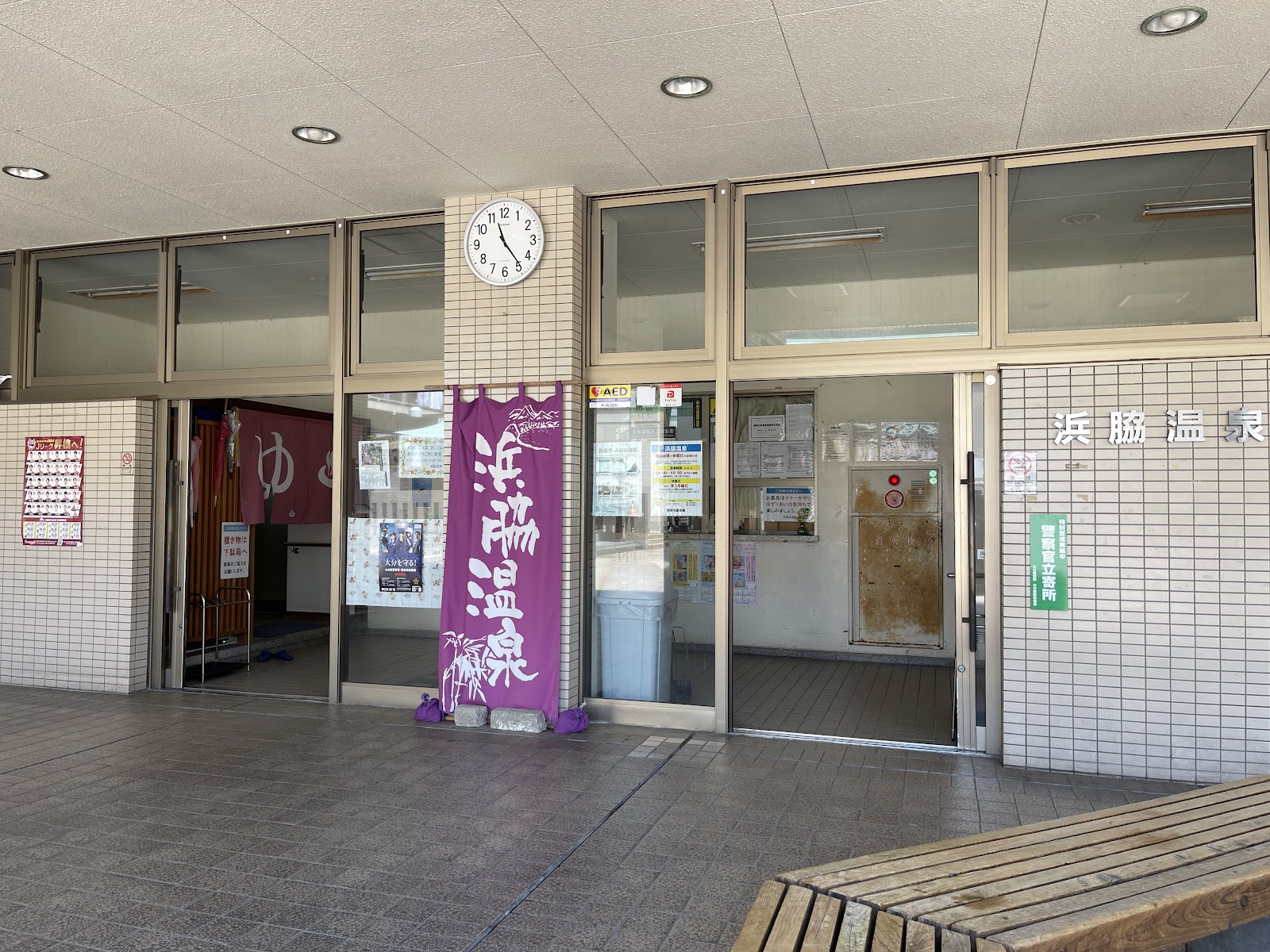
The oldest of Beppu's eight onsen quarters - a quiet, workaday neighbourhood of cheap public baths where the city's hot-spring story first began.
Hamawaki is the oldest of the eight districts of Beppu Hatto, and although it is today one of the quietest and least touristy, it holds an outsized place in the city's history. It was here, along the shore just south of the modern centre, that Beppu's life as a hot-spring town first took root. Long before the hells became tourist attractions or grand ryokan lined the hillsides, springs bubbling up around Hamawaki drew bathers, and the district served as one of the original ports and bathing settlements of the area.
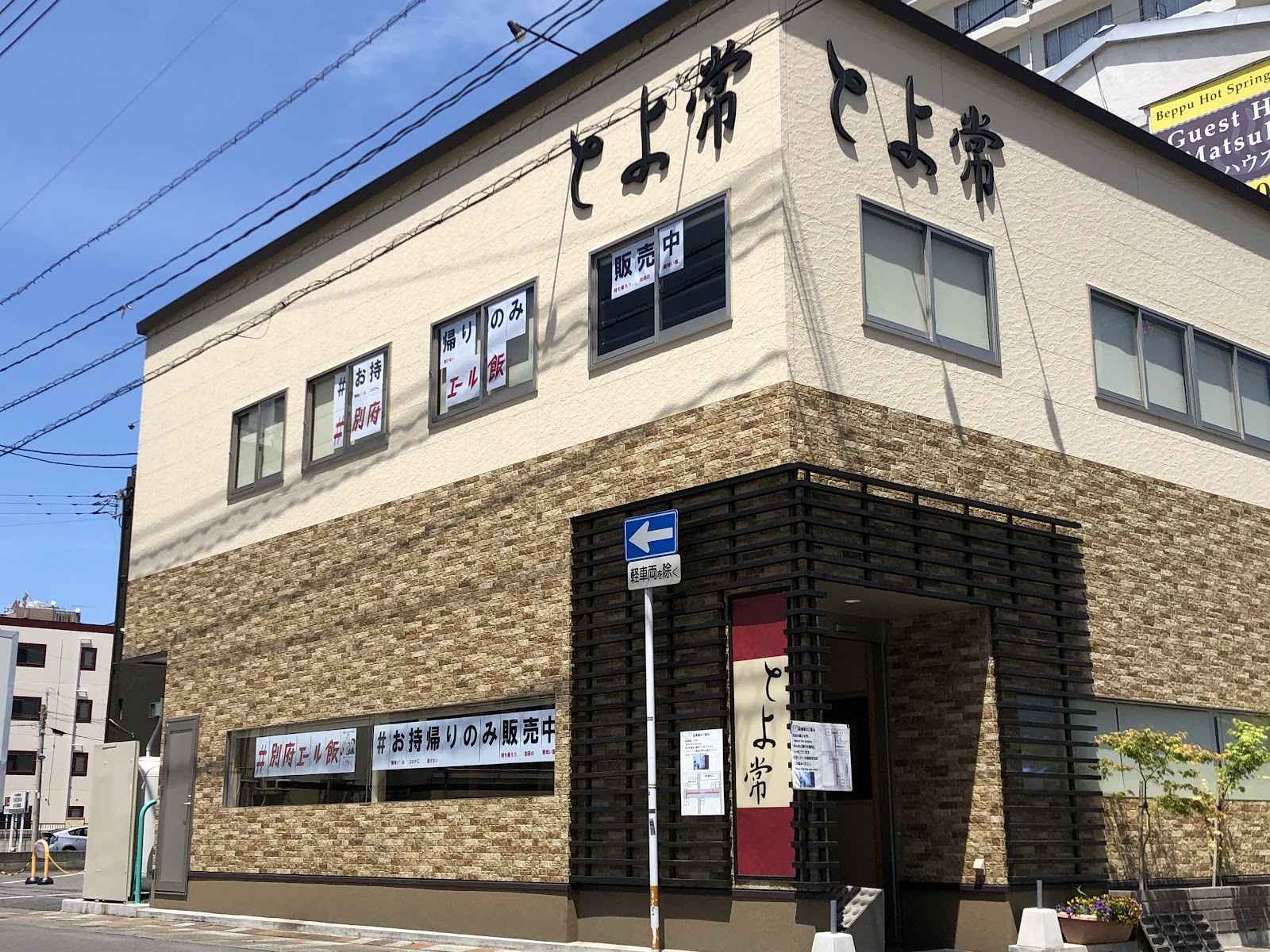
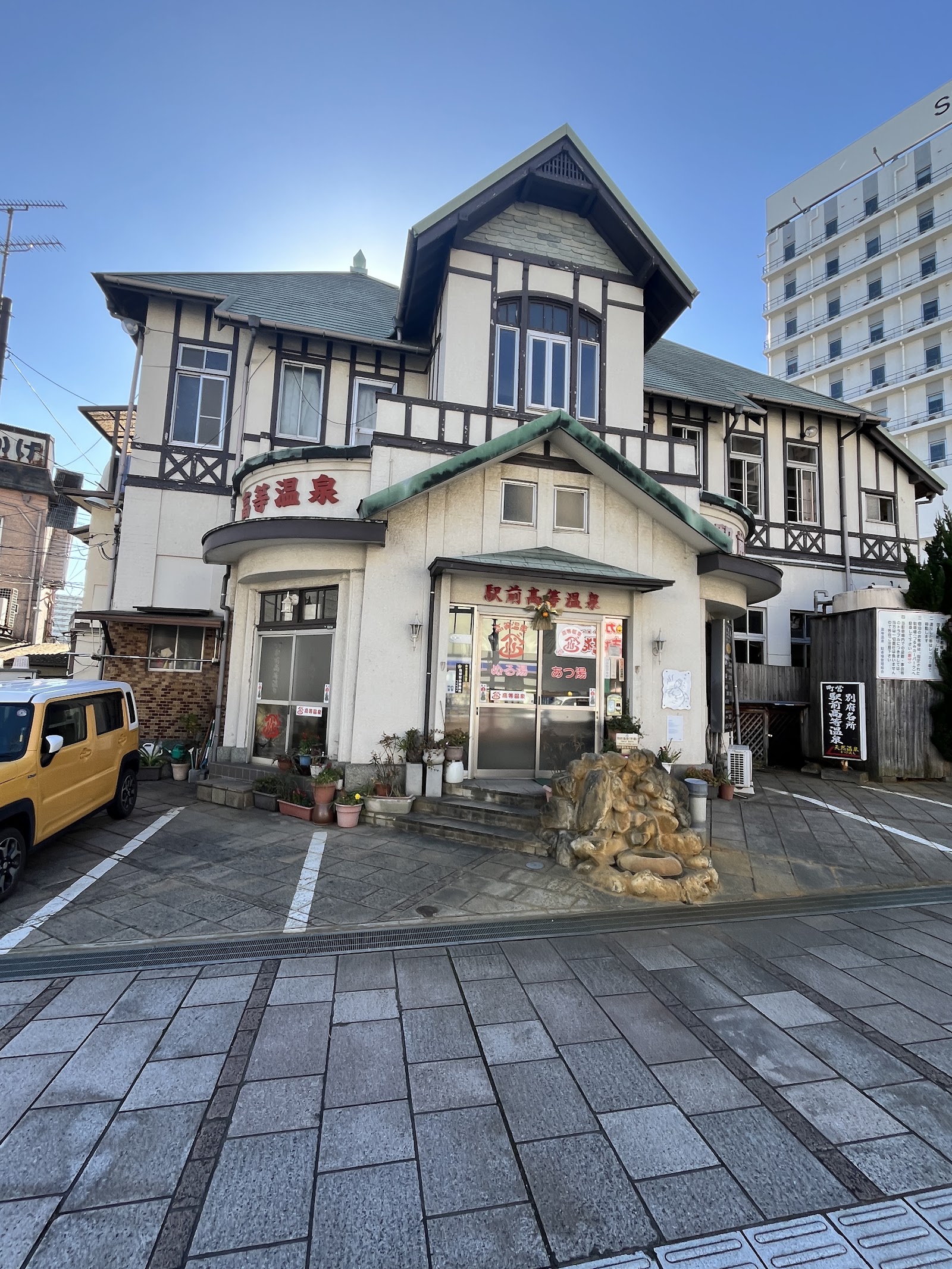
That heritage is worn lightly. Hamawaki is not a showpiece; it is a lived-in, working neighbourhood of narrow streets, modest homes and small, inexpensive public bathhouses (kyodo yu) used almost entirely by locals. Soaking here is a glimpse of everyday Beppu onsen life rather than a tourist set piece: a few hundred yen buys entry to a plain, tiled bath fed by scalding mineral water, shared with residents who have bathed in these springs their whole lives. For travellers who want the authentic rhythm of a Japanese onsen town - not the spectacle but the routine - Hamawaki is quietly rewarding.
Historical markers and old stone spring-heads dot the area for those who look, hinting at its long past. The district sits close to the sea, and its low-key streets can be combined with a walk along the nearby waterfront. Because it lies just south of the main Beppu Onsen district and is an easy walk from Higashi-Beppu Station, it is simple to fold into a broader exploration of the city.
There is little in the way of dedicated tourist infrastructure here - few souvenir shops, no ticketed sights - which is precisely the point. The appeal is atmosphere and authenticity: the sense of standing where Beppu's thousand-year onsen story began, in a place that has never stopped being an ordinary bathing neighbourhood. Visitors should treat the small public baths with respect, following standard onsen etiquette (wash thoroughly before entering the communal water, no towels in the bath, quiet voices), as these are community facilities rather than tourist attractions.
A visit of around 45 minutes is enough to wander the streets, find a stone marker or two and enjoy a cheap, hot soak among locals. The baths tend to be very hot even by Beppu standards, so ease in slowly. Facilities are basic, and the district's charm is in its plainness rather than any single landmark.
As part of Beppu Hatto, Hamawaki completes the picture of a city whose hot springs range from grand spectacle to humble daily bath. If Kannawa and Myoban show the tourist and artisanal faces of Beppu's onsen culture, Hamawaki shows its oldest and most ordinary one - the quiet bedrock on which the entire steaming city was built.
A local's tip
This is where Beppu's onsen history began - look for the old stone spring markers. The public baths are cheap, scalding and used almost entirely by locals, so mind bathhouse etiquette.
Best time to visit
Any time; quiet and local
Getting there
Just south of central Beppu. An 8-minute walk from JR Higashi-Beppu Station, or a short bus ride from Beppu Station.
Good to know
- Local shops
- Public baths
Plan the whole trip offline
Hamawaki Onsen District is one of many places in the Real Japan app — with turn-by-turn directions, nearby spots and full offline maps you can use with no signal.