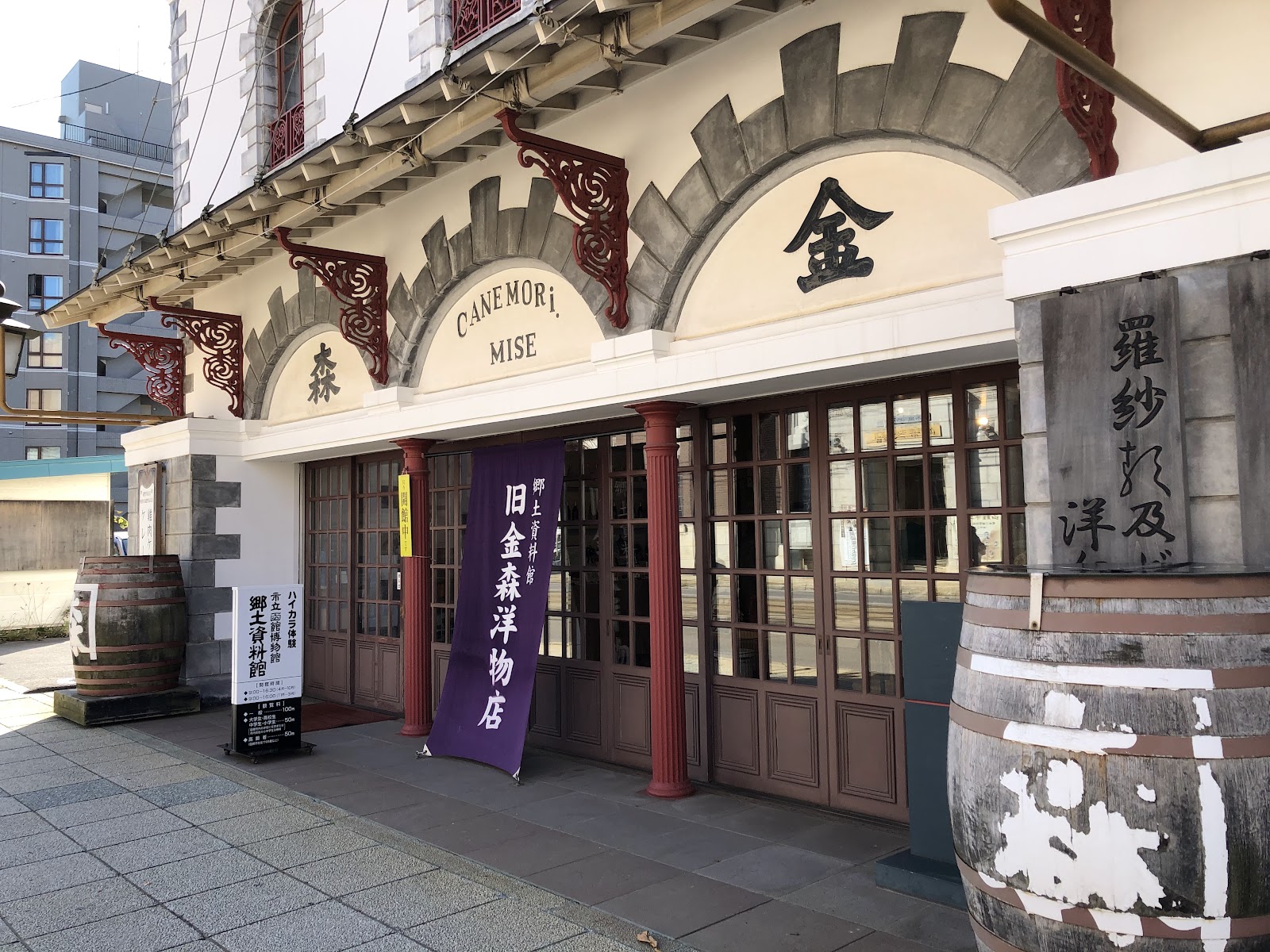
Local-history museum in an 1880 fireproof former Western-goods store, showcasing everyday life in old Hakodate.
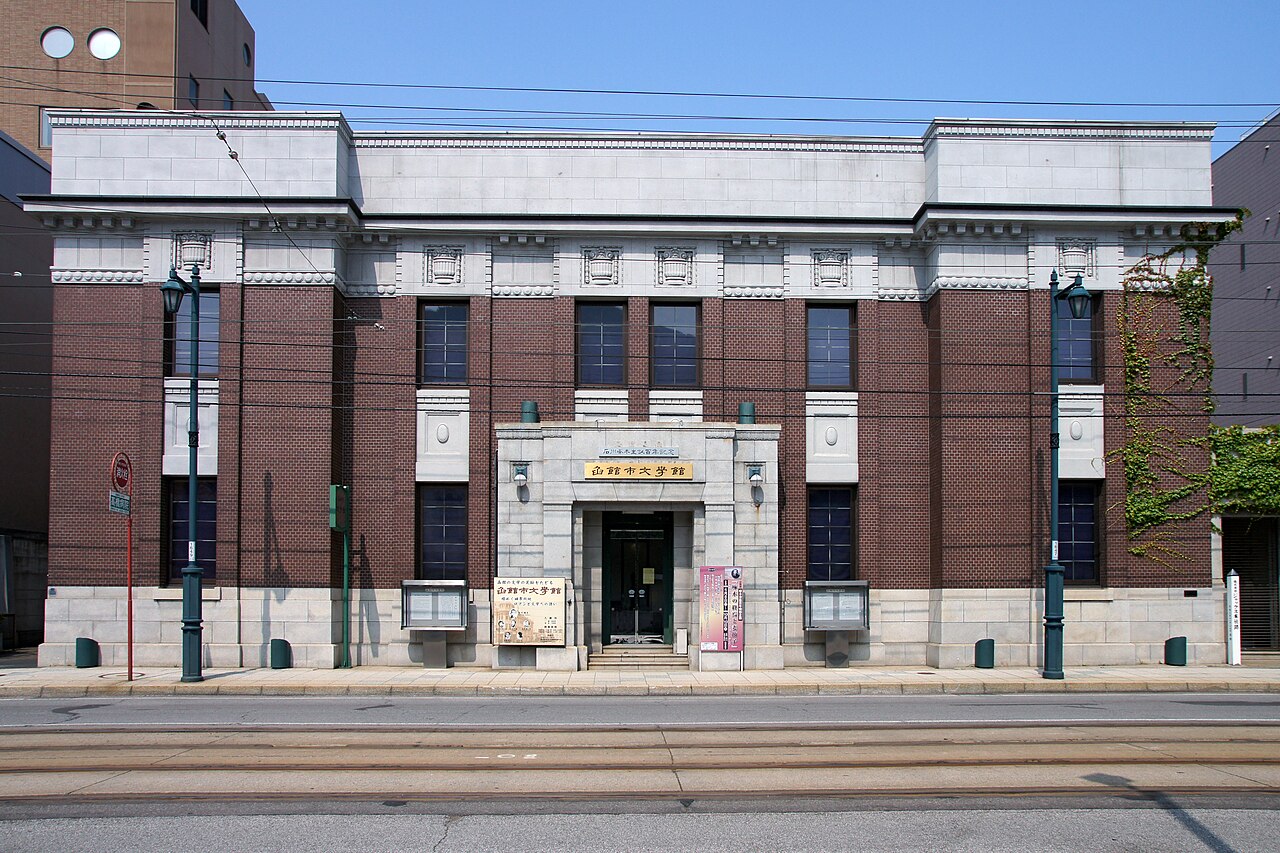
The Hakodate City Museum of Local History occupies one of the oldest surviving Western-influenced commercial buildings in the city, and the structure is very nearly as much of an attraction as its contents. Built in 1880 as the Kanemori Western-Goods Store, it was among the first fireproof buildings in Hakodate — a solid stone-and-brick construction with heavy iron shutters, erected in direct response to the fires that repeatedly devastated the wooden town. That it still stands, handsome and sturdy in the bay-area historic quarter, is a small monument to the merchant ambition of Meiji-era Hakodate.
Inside, the museum is devoted to the everyday history and material culture of the city and the surrounding southern Hokkaido region. Rather than grand narratives, it concentrates on the texture of ordinary life: tools and household objects, shop signs and trade goods, clothing, photographs, documents and folk items that show how people in Hakodate lived, worked and traded from the Edo period through the Meiji and Showa eras. Because Hakodate was an early open port, its material culture blends Japanese tradition with imported Western goods and fashions, and the collection captures that hybrid, outward-looking character particularly well — fitting, given that the building itself once sold imported wares to the town's residents.
This is a small museum, easily seen in around forty minutes, and admission is very cheap at roughly 100 yen, making it an excellent low-cost stop for travellers curious about the real, lived history of the city beyond its famous viewpoints and churches. English signage is limited, so the objects and the architecture do most of the communicating, but the displays are visual enough that non-Japanese visitors can still take away a clear sense of old Hakodate's daily life.
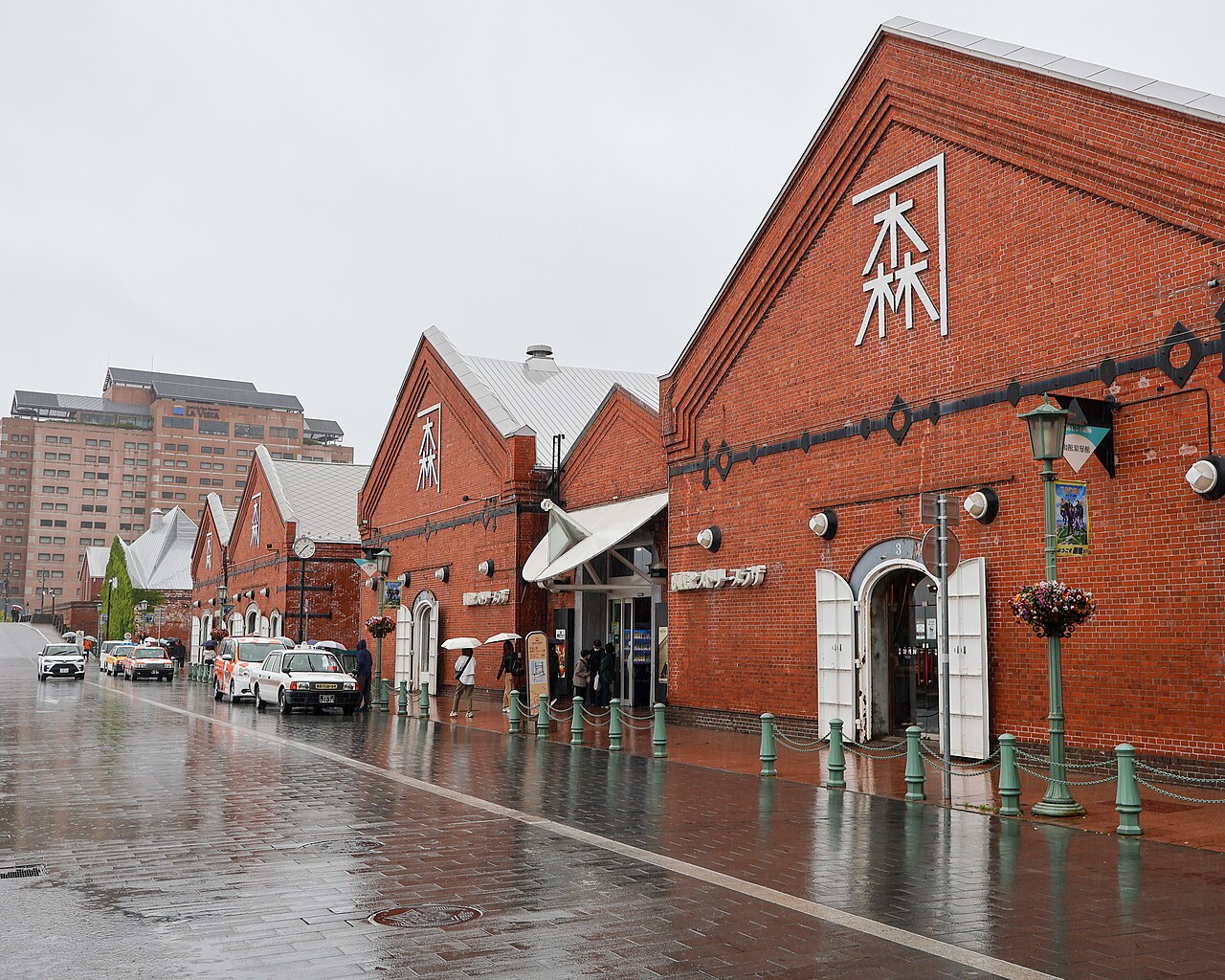
The building's location makes it effortless to include in a bay-district itinerary. It sits close to the Suehirocho tram stop and within a short walk of the red-brick Kanemori Red Brick Warehouses (which share the Kanemori name and merchant heritage), the Seikan Ferry Memorial Ship Mashu-maru at the pier, and the base of the Motomachi slopes rising toward the churches and the ropeway. A natural approach is to weave it into a stroll along the waterfront, using it as a quick, inexpensive dip into local history between shopping, harbour views and cafe stops.
For architecture enthusiasts, the building repays close attention: the masonry, the iron shutters and the overall design reflect a pivotal moment when Hakodate's merchants adopted Western fireproofing techniques to protect their prosperity. For history lovers, the collection humanises the city's story through the ordinary objects of daily life. Together they make the Hakodate City Museum of Local History a modest but genuinely worthwhile stop — open daily with longer summer hours — that adds character and context to any exploration of the historic port.
A local's tip
Look up and around at the building itself — the fireproof stone-and-brick construction with iron shutters was cutting-edge in 1880 and is arguably as interesting as the exhibits inside.
Best time to visit
Year-round
Getting there
Take the Hakodate City Tram to Suehirocho; the museum is a two-minute walk in the bay-area historic quarter, housed in a striking stone-and-brick former Western-goods store dating from 1880.
Good to know
- Restrooms
- English signage
Plan the whole trip offline
Hakodate City Museum of Local History is one of many places in the Real Japan app — with turn-by-turn directions, nearby spots and full offline maps you can use with no signal.