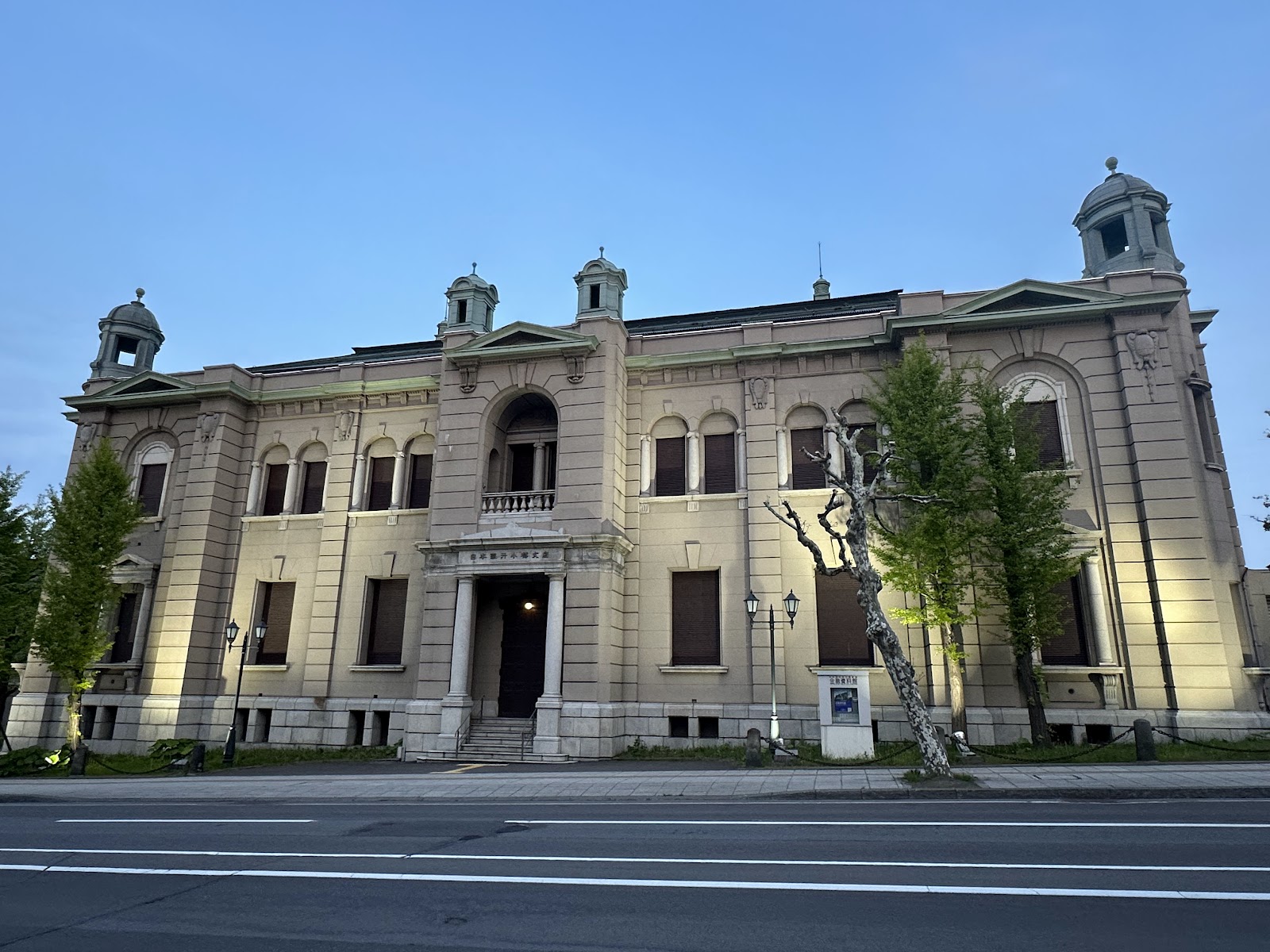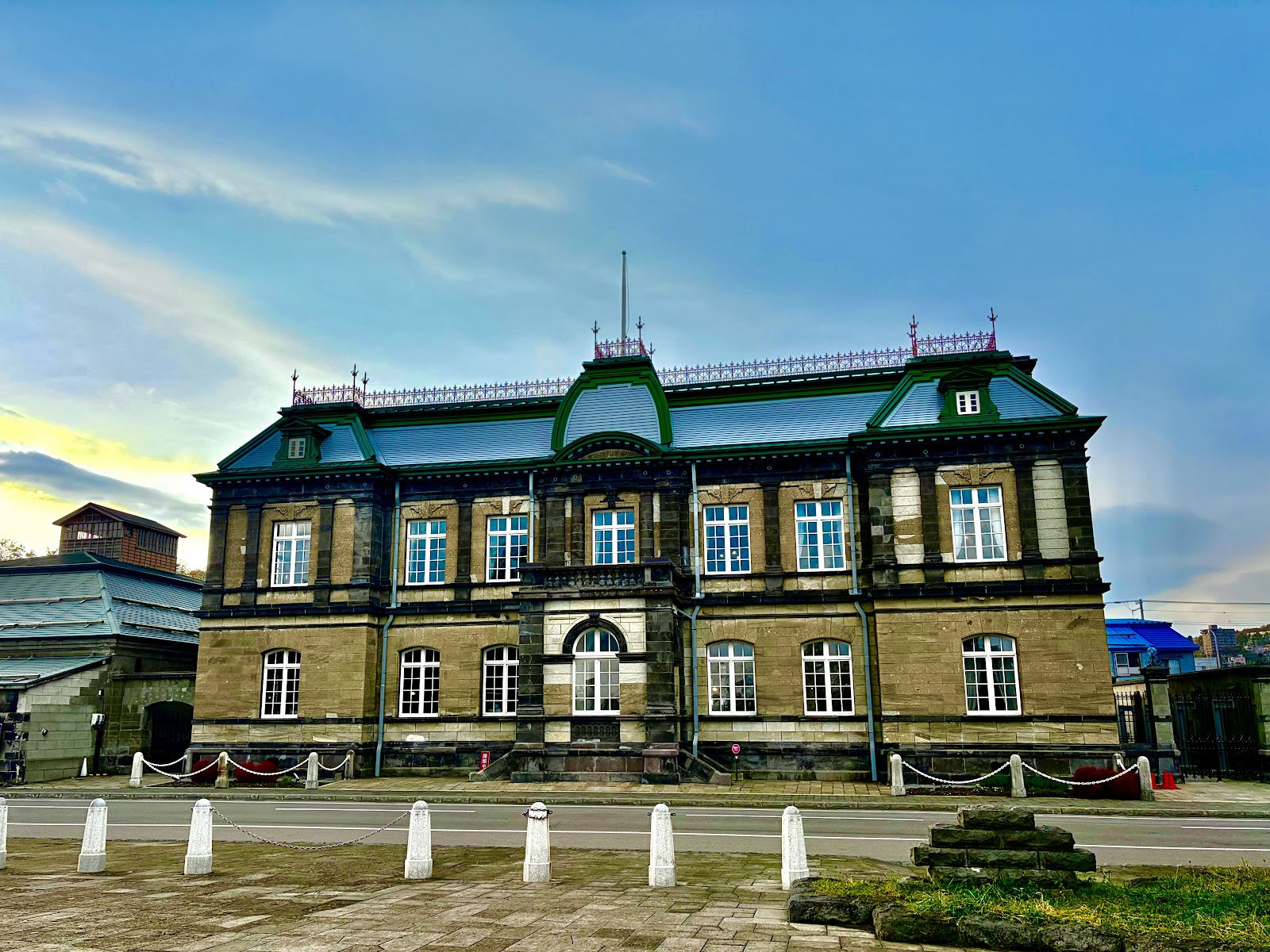
A commanding 1906 stone shipping-company office in Otaru, an Important Cultural Property from the port's golden age.
When Otaru was one of the busiest and wealthiest ports in northern Japan, the great shipping and trading houses built substantial offices to match their ambitions, and the Former Nippon Yusen Otaru Branch is the finest of them. Completed in 1906 for the Nippon Yusen Kaisha (NYK Line), Japan's premier steamship company, it was designed by Sone Tatsuzo, a leading Meiji architect trained in the Western tradition, in a robust European Renaissance-revival style executed in cut stone. Its solid, symmetrical bulk was a deliberate statement of corporate power at the height of the port's prosperity.
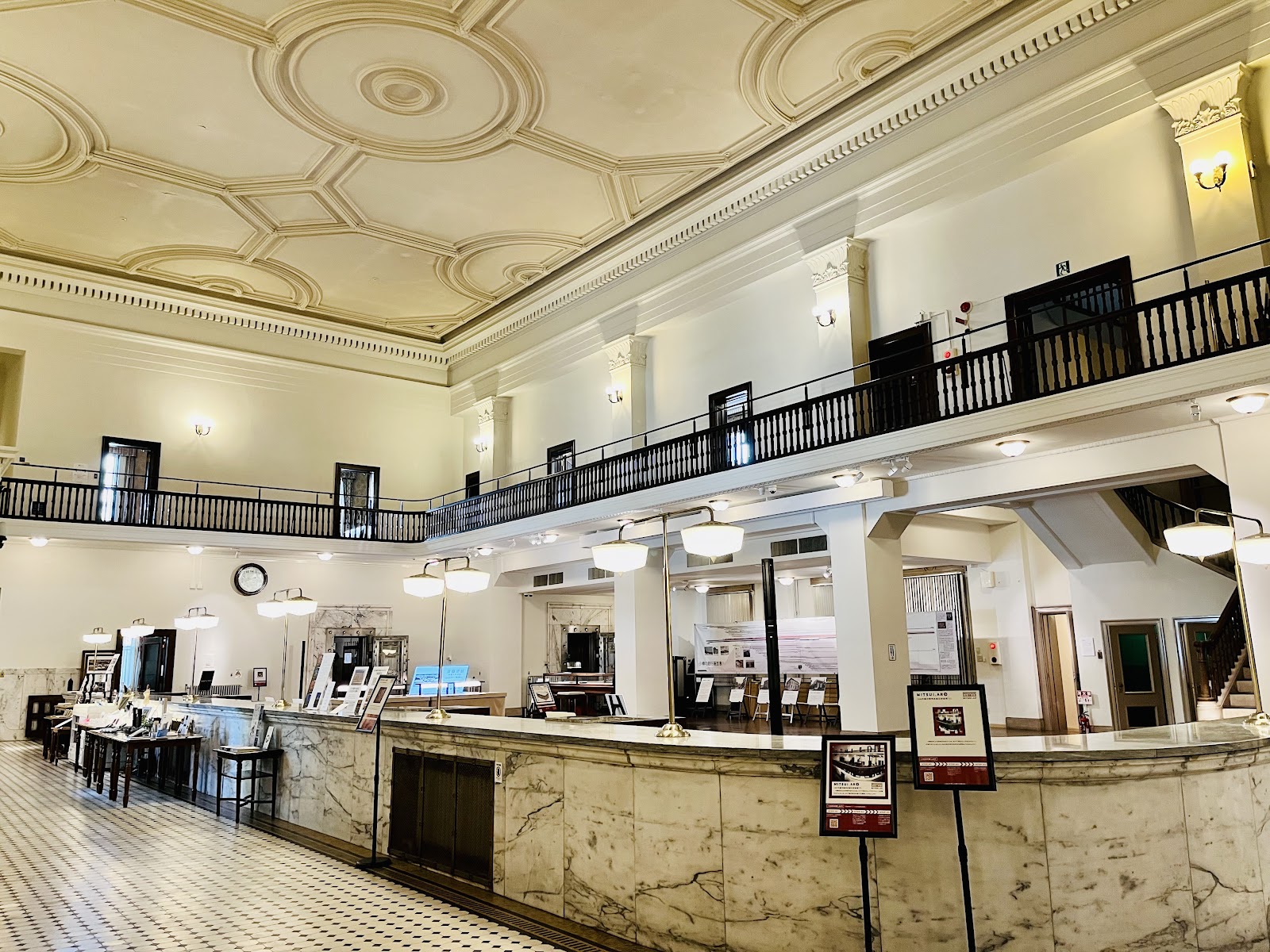
The building is designated an Important Cultural Property of Japan, and its interiors are as impressive as its facade. The ground floor housed the working offices, while the second floor contains a grand ceremonial hall finished with gilded leather wallpaper, chandeliers and fine plasterwork, a level of luxury that reflected both the company's wealth and the diplomatic role the building was called upon to play. Most notably, it was here in 1906 that Japanese and Russian delegates met to negotiate the fixing of the border on Sakhalin (Karafuto) following the Russo-Japanese War, giving the hall a genuine place in international history.
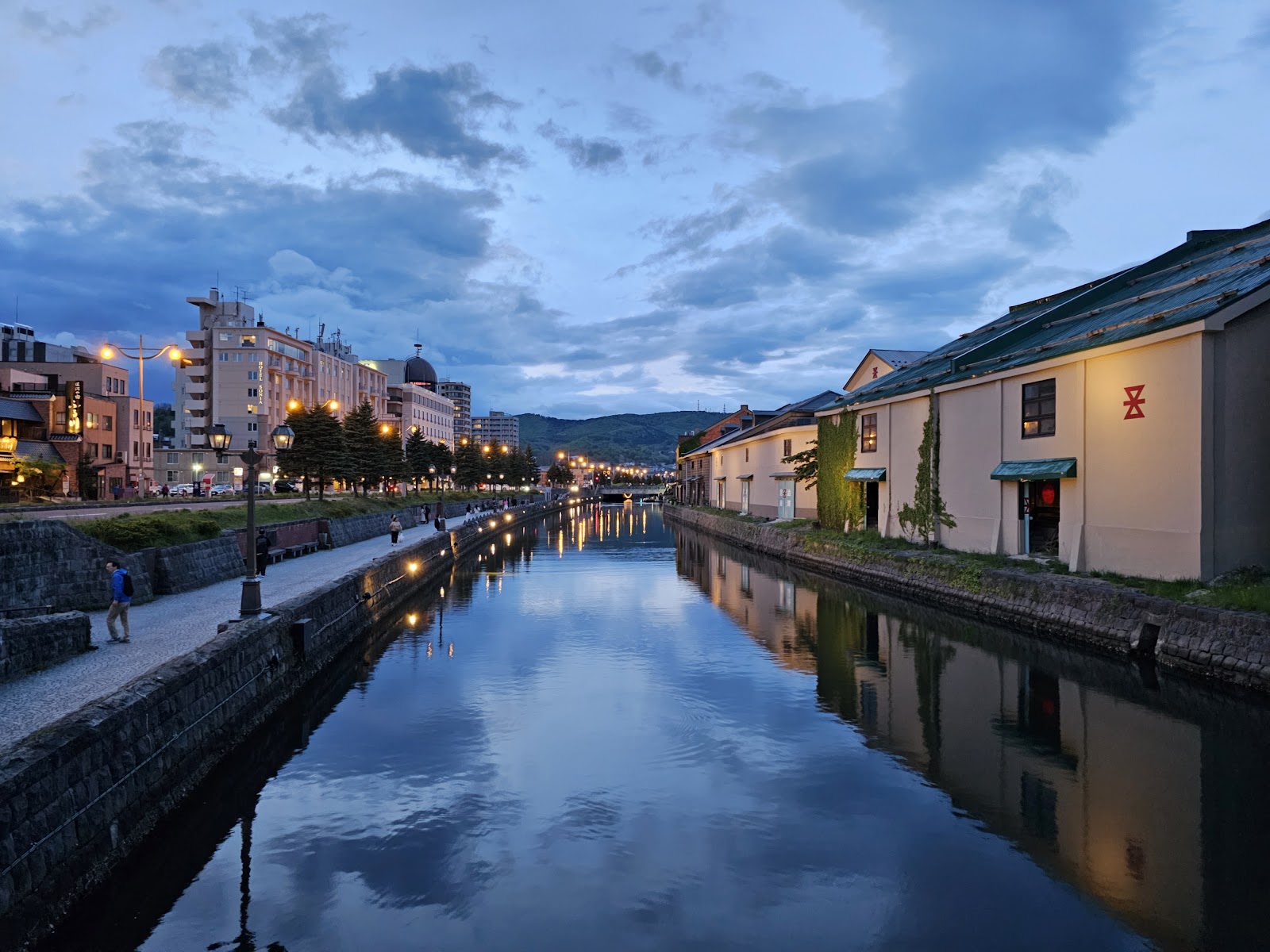
Otaru itself boomed in the late nineteenth and early twentieth centuries as the shipping gateway to a developing Hokkaido, handling coal, herring, timber and grain. That wealth left the town lined with sturdy stone warehouses and imposing bank and company buildings, and the NYK branch is among the grandest survivors of the era. Walking its rooms today, you get a vivid sense of the confidence and cosmopolitan reach of Meiji-era Japanese commerce.
The branch has periodically undergone conservation and restoration work, so opening arrangements can change; it is worth confirming current access and hours before a special trip. When open, a visit of around forty minutes lets you admire the exterior stonework, tour the offices and stand in the treaty hall. The building sits in the Ironai district near the Otaru Canal, so it combines easily with the town's other historic architecture and the canal-side warehouses.
Otaru is an easy and rewarding day trip from Sapporo, roughly thirty to forty-five minutes by JR train and covered by the Japan Rail Pass. For travellers drawn to Meiji architecture and the specific story of how Hokkaido connected to the wider world through its ports, the Former Nippon Yusen Otaru Branch is a highlight and a fine complement to the more famous canal views.
A local's tip
Note the ceremonial second-floor hall, where the 1906 treaty talks over the boundary of southern Sakhalin were held after the Russo-Japanese War.
Best time to visit
Any season; the stone exterior is striking under snow
Getting there
From Sapporo take the JR Hakodate Main Line to Otaru (about 30-45 minutes, covered by the Japan Rail Pass); the building is in the Ironai district, reachable on foot or by local bus from Otaru Station.
Good to know
- Restrooms
Plan the whole trip offline
Former Nippon Yusen Otaru Branch is one of many places in the Real Japan app — with turn-by-turn directions, nearby spots and full offline maps you can use with no signal.