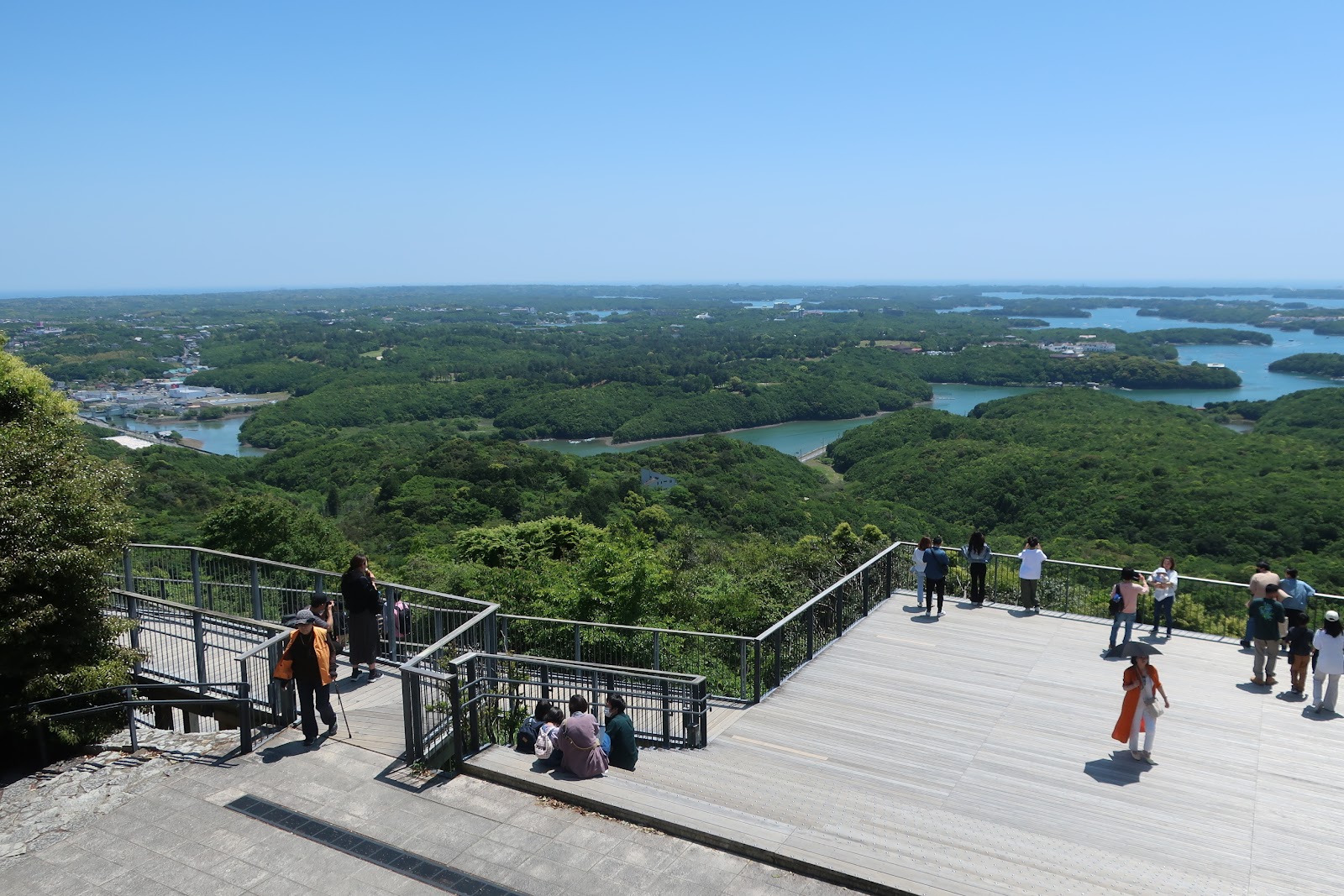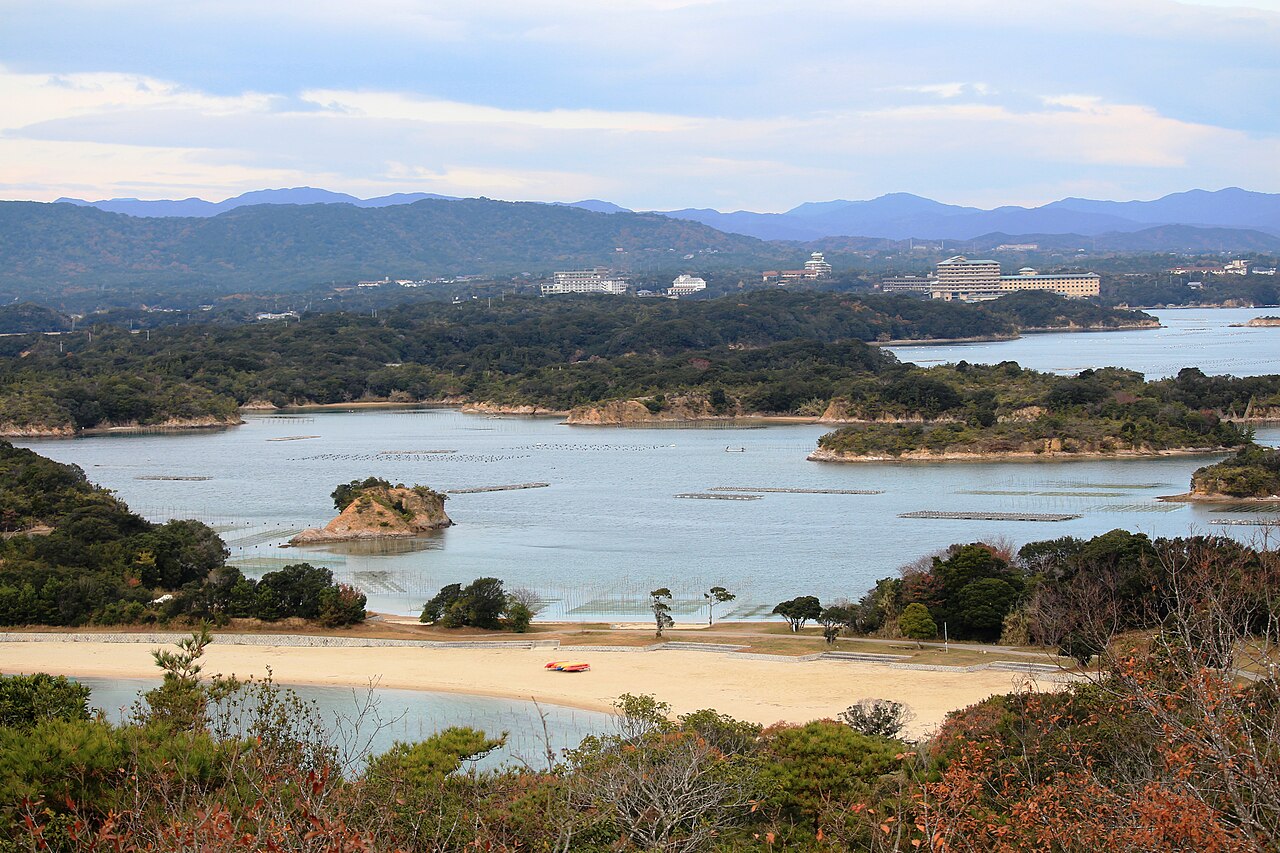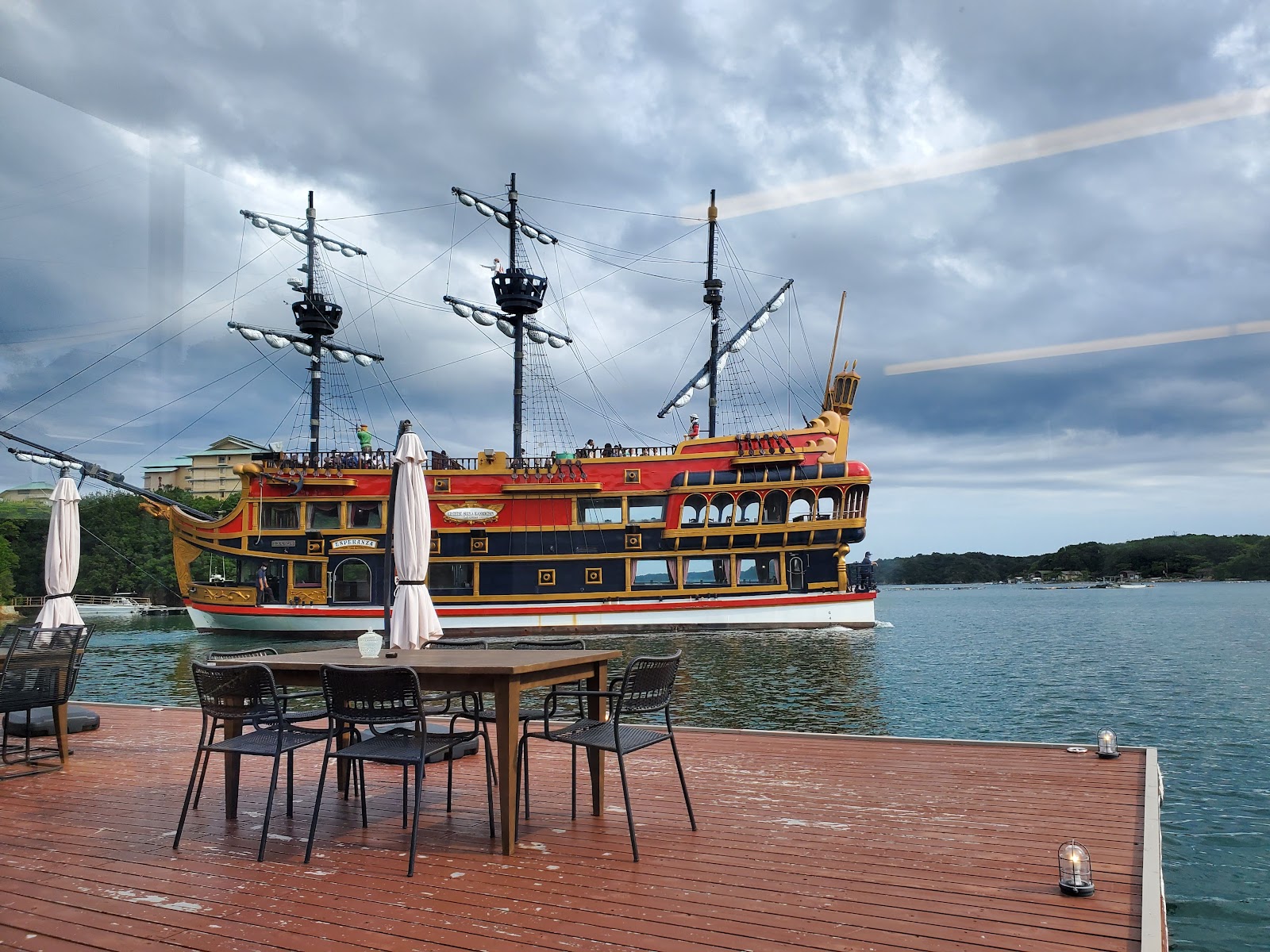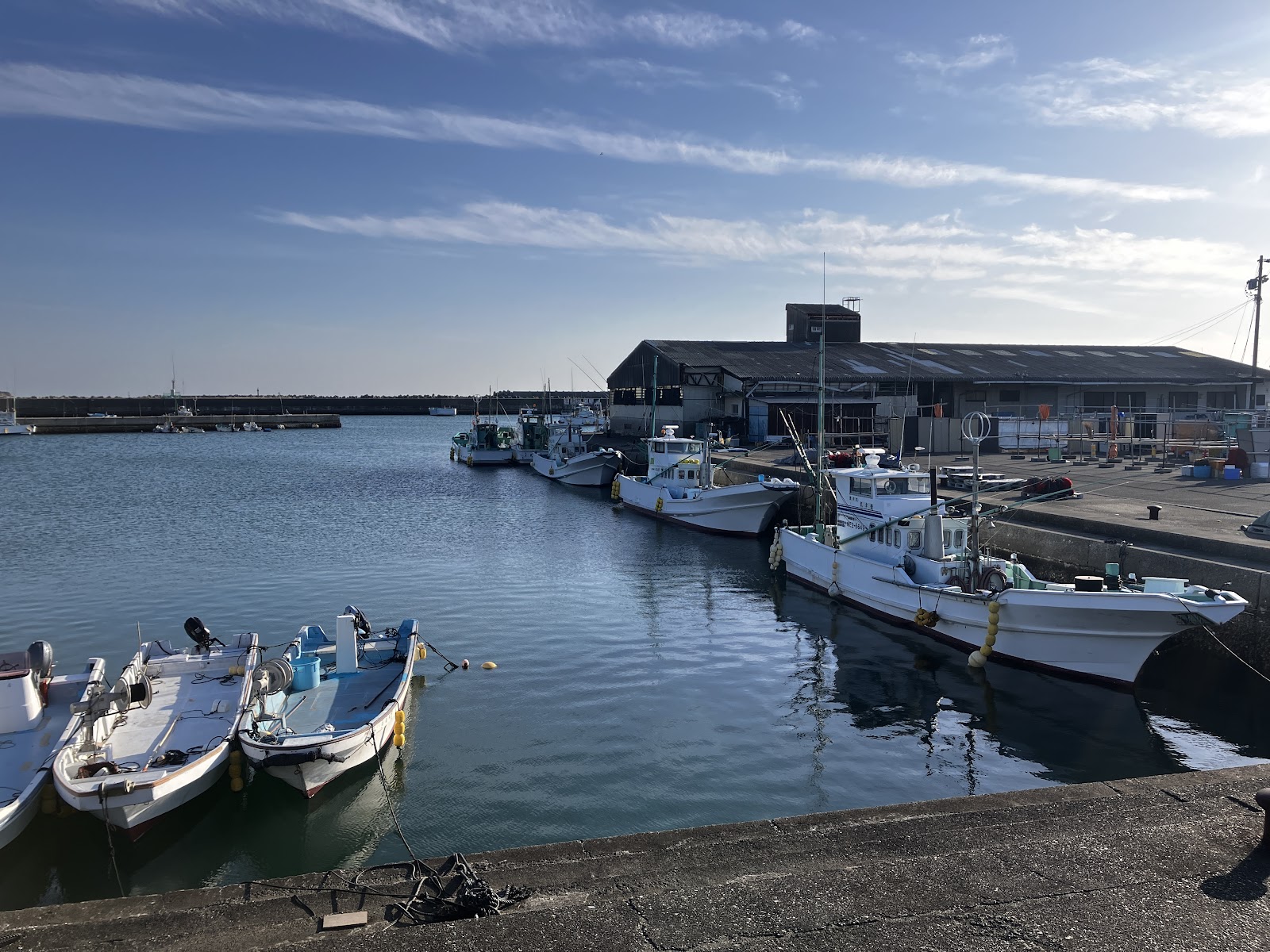
A picturesque maze of alleys above a working spiny-lobster port at the tip of the Shima peninsula, long beloved by painters.
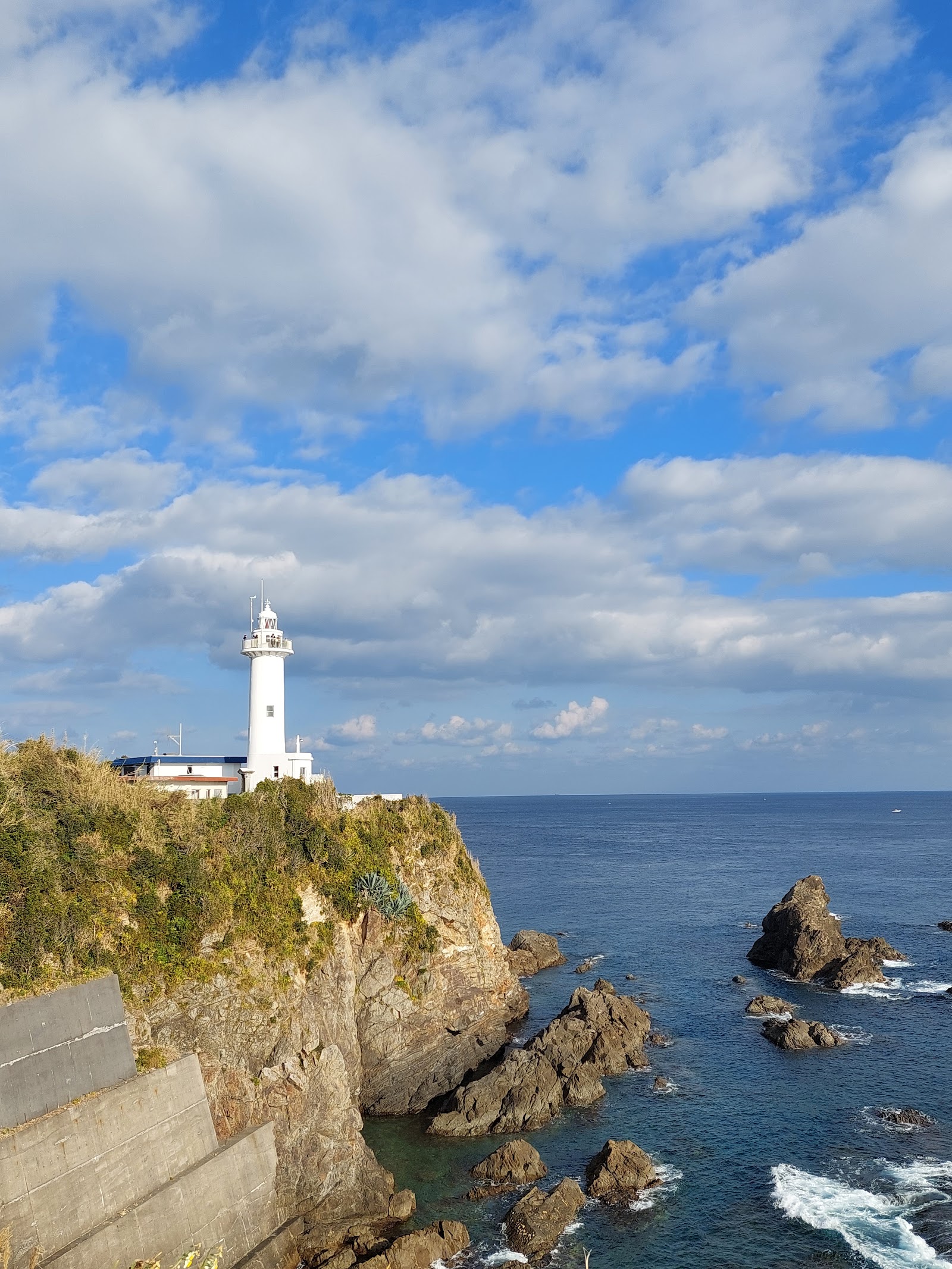
Daio Fishing Village, centred on the port of Wagu at the eastern tip of the Shima peninsula, is one of the most atmospheric coastal settlements in the Ise-Shima region — a genuine working fishing town whose steep, tangled lanes and sweeping sea views have drawn artists for more than a century. Crowned by the white tower of Daiozaki Lighthouse, the village combines the everyday bustle of a spiny-lobster and seafood port with the romance of a place that painters have long considered one of the most beautiful in Japan.
Wagu grew up around its harbour, tucked into a rugged stretch of the Pacific coast where the currents are rich but the seas can be fierce. The village made its living from fishing — above all the prized Ise-ebi (spiny lobster), along with abalone, turban shell and seasonal catches — and that maritime life still defines it. Boats come and go from the small port, nets and floats hang from walls, and shops near the water sell dried fish, seaweed and other local produce. Above the harbour, the houses climb the hillside in a dense, irregular cluster, linked by narrow stepped alleys that twist between weathered wooden walls, offering sudden framed glimpses of blue sea and red-tiled roofs.
It is this labyrinth of lanes and the quality of the coastal light that turned Wagu into a 'town of painters'. From the early twentieth century onward, artists came to capture the interplay of white lighthouse, dark rooftops and shining water, and the village retains a gently bohemian air; on fine days you may still find someone at an easel on a corner or along the seawall. The walk up to Daiozaki Lighthouse rewards the climb with panoramic views over the headland and the open ocean, a favourite spot for photographs and for watching the sea change colour through the day.
Wagu's appeal lies in its unforced authenticity. There are no grand attractions beyond the lighthouse and the views; the pleasure is in wandering the alleys, watching the rhythms of a working port, sampling fresh seafood, and soaking up a coastal atmosphere that feels little changed by time. Small shops and stalls near the harbour sell grilled shellfish and local snacks, making it easy to pause for a bite between explorations.
For visitors, comfortable shoes are worth having for the sloping, uneven lanes, and a daytime visit works best, ideally paired with the lighthouse for the classic view. The streets are always open and free, while shops keep daytime hours and can be irregular. To get there, take the Kintetsu Shima Line to Ugata Station and continue by bus toward Daio-zaki (roughly twenty to twenty-five minutes), or drive out along the peninsula. Scenic, salty and quietly artistic, Daio Fishing Village is a rewarding detour for travellers who want to see the real, working coast of Shima.
A local's tip
Wander the tangle of stepped alleys behind the harbour — this is the 'painters' town' that has drawn artists for a century, and easels are still a common sight on fine days.
Best time to visit
Daytime; combine with Daiozaki Lighthouse
Getting there
From Ugata Station on the Kintetsu Shima Line take a bus toward Daio-zaki (about 20-25 minutes) to reach the Wagu fishing port and its old lanes.
Good to know
- Parking
- Restrooms
- Seafood shops
Plan the whole trip offline
Daio Fishing Village (Wagu) is one of many places in the Real Japan app — with turn-by-turn directions, nearby spots and full offline maps you can use with no signal.