Historic Ashio copper mine turned museum, entered by mine tram, telling the story of a mine that shaped modern Japan.
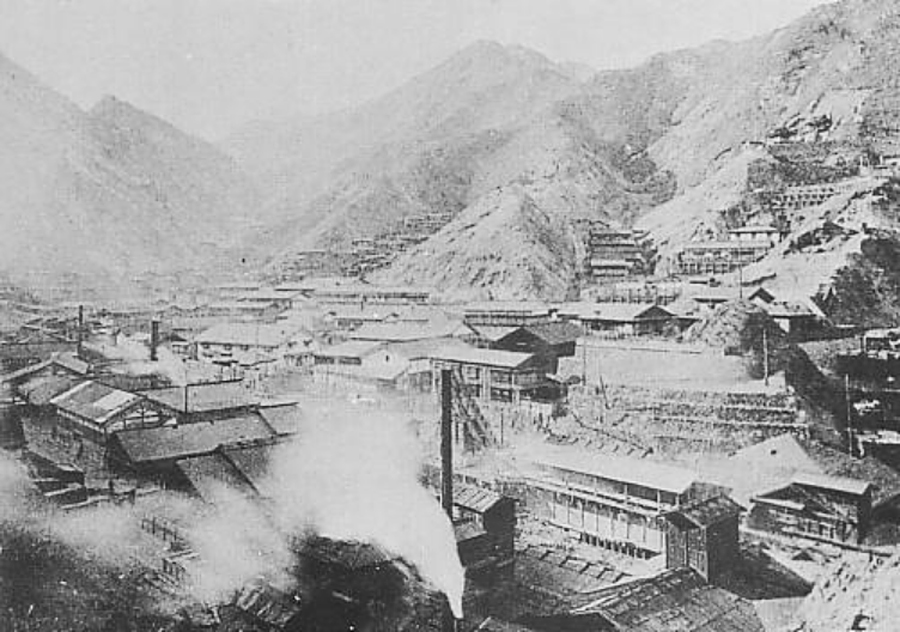
The Ashio Copper Mine sits in the mountainous western reaches of Nikko city, and its museum, Ashio Dozan Kanko, lets visitors ride a small tram deep into a genuine mine tunnel to explore one of the most historically significant industrial sites in Japan. Copper was extracted here from the early Edo period, when Ashio ore helped mint the shogunate's coinage and even clad temple roofs, but it was during Japan's rapid Meiji-era industrialisation that the mine exploded in scale, becoming for a time the country's largest copper producer and a symbol of the nation's headlong modernisation.
A visit begins with a short ride on a mine railway that trundles through the tunnel entrance and into the mountain, an atmospheric approach that immediately sets the scene. Inside, a walking route passes through galleries where displays and life-sized figures depict how mining techniques evolved across the centuries, from Edo-period hand-tools and manual ore-hauling to the mechanised drilling and haulage of the modern era. The cool, damp tunnels, the timber props and the rock faces give a visceral sense of the hard, dangerous labour that generations of miners endured underground, and the exhibits explain the technology, the community and the sheer scale of the operation.
The Ashio story is not only one of triumph. The mine is also remembered for the Ashio Copper Mine pollution incident, one of Japan's earliest and most notorious cases of industrial environmental damage, when mining runoff poisoned the Watarase River and devastated farmland downstream in the late nineteenth century. The ensuing protests, led by the politician Tanaka Shozo, are regarded as the birth of Japan's environmental movement. Thoughtful visitors will find that the site carries this weight, and the surrounding hillsides, long denuded by smelter fumes and only slowly recovering, are themselves a stark historical exhibit.
All of this makes Ashio a rewarding stop for anyone interested in industrial heritage, social history or the environmental cost of modernisation, and it is a very different face of Nikko from the sacred shrines that dominate most itineraries. The mine closed in 1973, and the museum now keeps its memory alive with genuine underground access, informative displays and a small shop selling local mementos.
Half the pleasure of a visit is simply getting there, aboard the delightful Watarase Keikoku Railway, a single-track line that follows the river gorge up into the mountains and is celebrated for its scenery, especially in autumn when the valley blazes with colour. Ride to Tsudo Station and walk about ten minutes to the mine entrance. Allow around an hour underground and for the exhibits, bring a light layer because the tunnels stay cool year round, and consider combining the trip with a slow, scenic ride along the gorge line, which is an attraction in its own right and one of the loveliest branch-line journeys in the Kanto region.
A local's tip
The little tram that carries you into the tunnel is half the fun, so sit near the front, and bring a light jacket because the mine interior stays cool even in midsummer.
Best time to visit
Spring to autumn; the gorge railway is scenic
Getting there
Ride the scenic Watarase Keikoku Railway up the river gorge to Tsudo Station in the Ashio district of western Nikko city, then walk about ten minutes to the mine entrance; the branch line connects at Aioi to the wider network.
Good to know
- Shop
- Parking
- Mine tram
- Restrooms
Plan the whole trip offline
Ashio Copper Mine Museum is one of many places in the Real Japan app — with turn-by-turn directions, nearby spots and full offline maps you can use with no signal.