A private museum built around one physician's vast collection of samurai armour, swords, ceramics and Asian art.
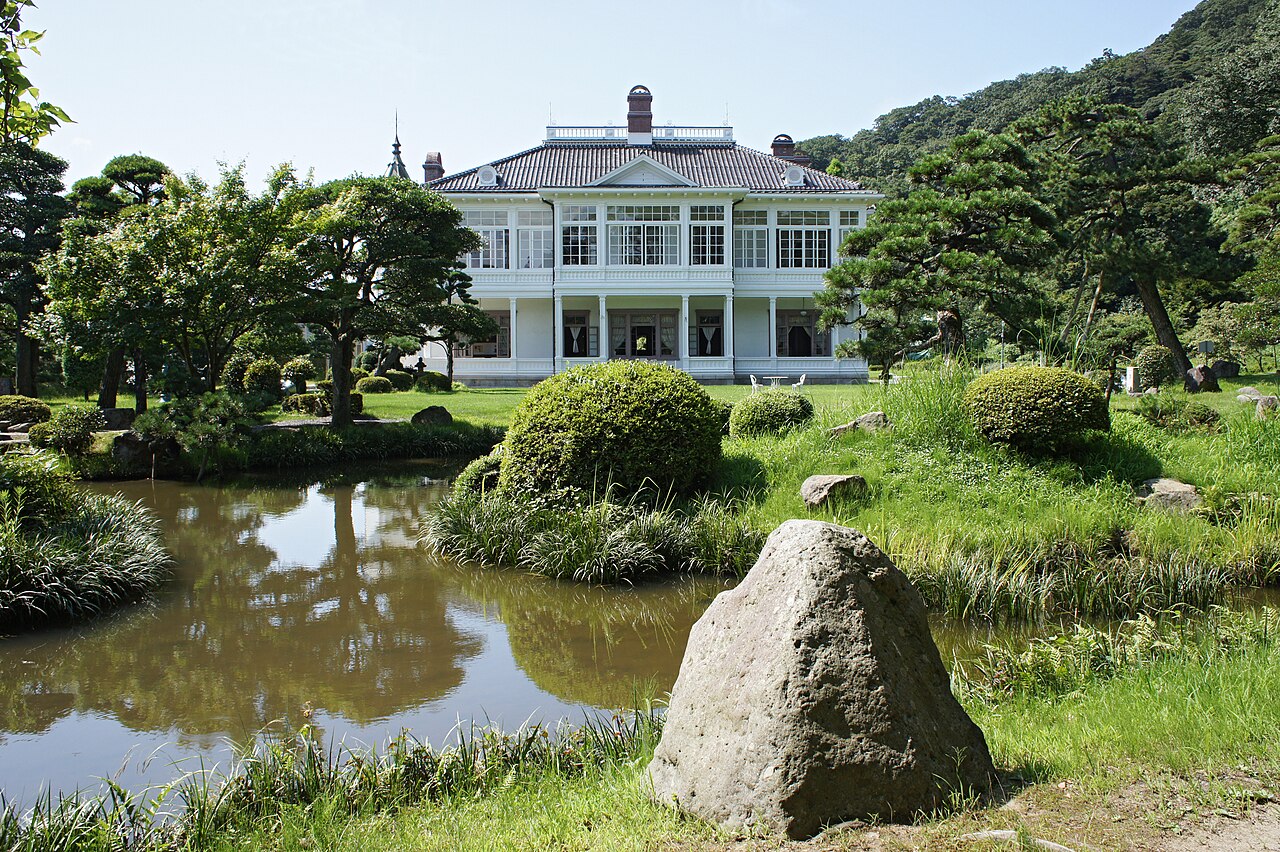
The Watanabe Museum of Art is one of the most surprising collections on the San'in coast, an eclectic private treasure house assembled by the Tottori physician Hajime Watanabe over a lifetime of passionate acquisition. Where many regional museums stretch a thin collection across large halls, this one overflows: tens of thousands of objects spanning samurai arms and armour, swords, Buddhist sculpture, lacquerware, ceramics, paintings and archaeological finds from across Japan and Asia. The result feels less like a state institution and more like stepping into the world of a single obsessive, generous mind.
The undisputed stars are the militaria. The museum holds one of the finest private collections of samurai armour in the country, with suits ranging from austere medieval battle gear to the dramatic, crested o-yoroi of high-ranking commanders. Cases of swords, spearheads, matchlock guns, helmets and sword fittings let you trace both the craftsmanship and the brutal practicality of the warrior class. Because the collection is so deep, it can show variations most museums cannot, letting you compare regional styles, eras and levels of rank side by side. For anyone interested in the samurai beyond the cliches, it is a revelation.
But the collection refuses to stay in one lane. Turn a corner and you meet delicate tea ceremony utensils, gilded Buddhist statues, Noh masks, folding screens, Chinese and Korean ceramics, and cases of small personal objects that bring the daily texture of the past to life. Watanabe collected across categories and centuries, and the museum honours that breadth by rotating pieces frequently, so repeat visitors rarely see exactly the same displays twice.
The atmosphere is refreshingly unpretentious. Objects are densely arranged, and the labelling assumes genuine curiosity rather than scholarly background; part of the pleasure is simply wandering and being ambushed by something extraordinary. Staff are proud of the collection and happy to point out standout pieces. Serious enthusiasts of arms and armour often rate it among the best places in western Japan to see the material in quantity and quality.
Because it sits a little north of the city centre, the museum tends to be quiet, which makes lingering over the intricate metalwork and lacquer all the more rewarding. Allow at least an hour, more if swords and armour are your passion. English signage is limited, so a translation app helps unlock the details, but the visual impact of gleaming steel and lacquered plate needs no translation.
Add it to a Tottori itinerary that already includes the Sand Dunes and the folk crafts museum, and you get a remarkably complete cultural picture of the region in a single day: nature at its most elemental, the quiet beauty of everyday crafts, and the fierce artistry of the warrior age all within a few kilometres of one another. For history and martial-arts fans especially, the Watanabe is an unmissable stop.
A local's tip
The armour and sword galleries are the highlight; go slowly and look for the maker's signatures and battle-scarred fittings that reveal each piece's history.
Best time to visit
Year-round
Getting there
About 20 minutes by bus or a short taxi ride north of Tottori Station toward the Kuranosuke/Kokufu area; ask for the Watanabe Bijutsukan stop.
Good to know
- Shop
- Parking
- Restrooms
Plan the whole trip offline
Watanabe Museum of Art is one of many places in the Real Japan app — with turn-by-turn directions, nearby spots and full offline maps you can use with no signal.