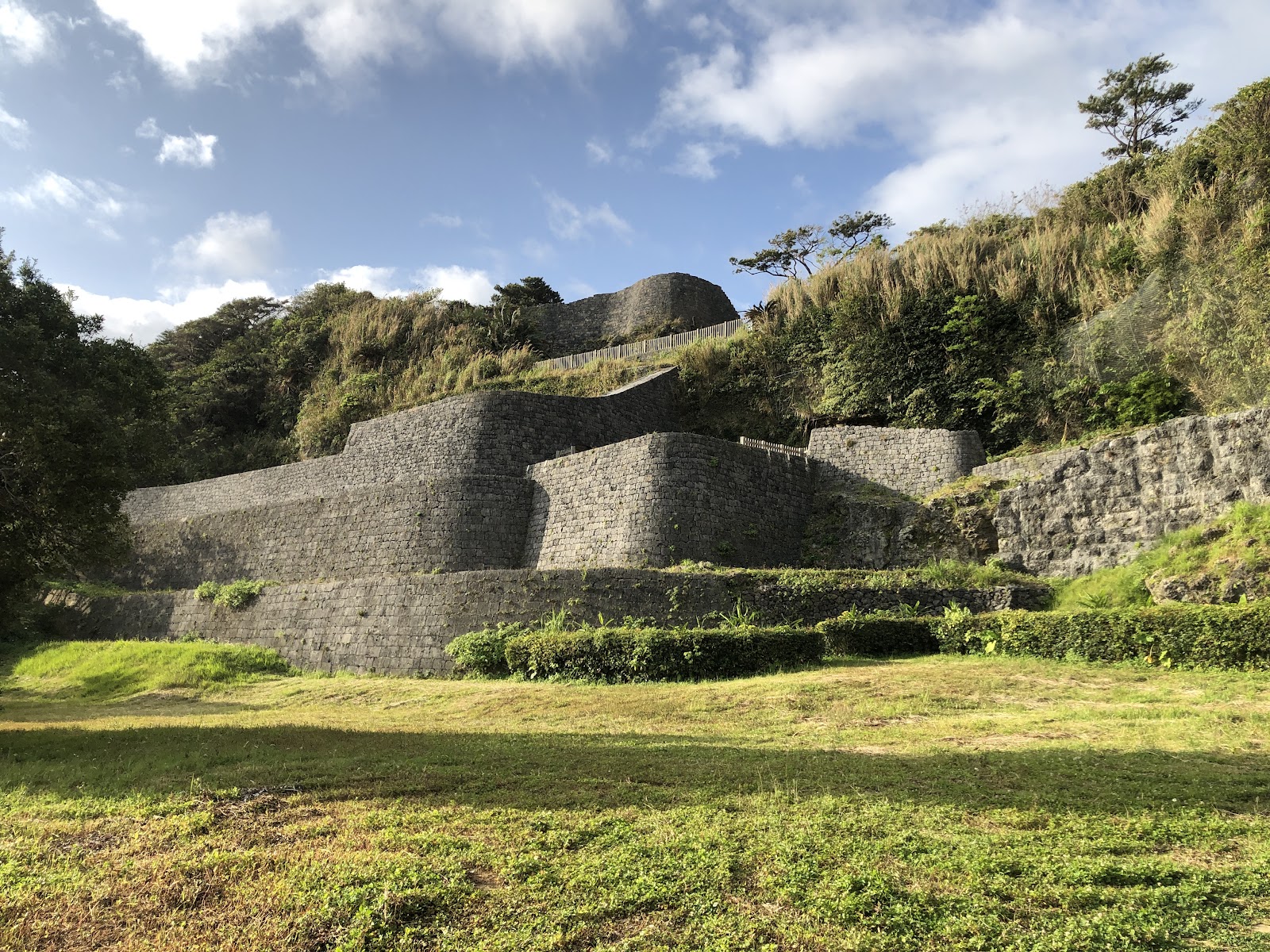
The ridge-top ruins of the Ryukyu kingdom's earliest capital, with cliff-carved royal tombs and sweeping coastal views.
The Urasoe Castle Ruins occupy a long limestone ridge north of Naha and mark the site of the earliest royal capital of the Ryukyu world, predating the rise of Shuri. Though less visited than the famous gusuku to the south, Urasoe is one of the most historically significant places in Okinawa, and its combination of medieval fortress remains and cliff-carved royal tombs makes it deeply rewarding for anyone interested in the origins of the kingdom.
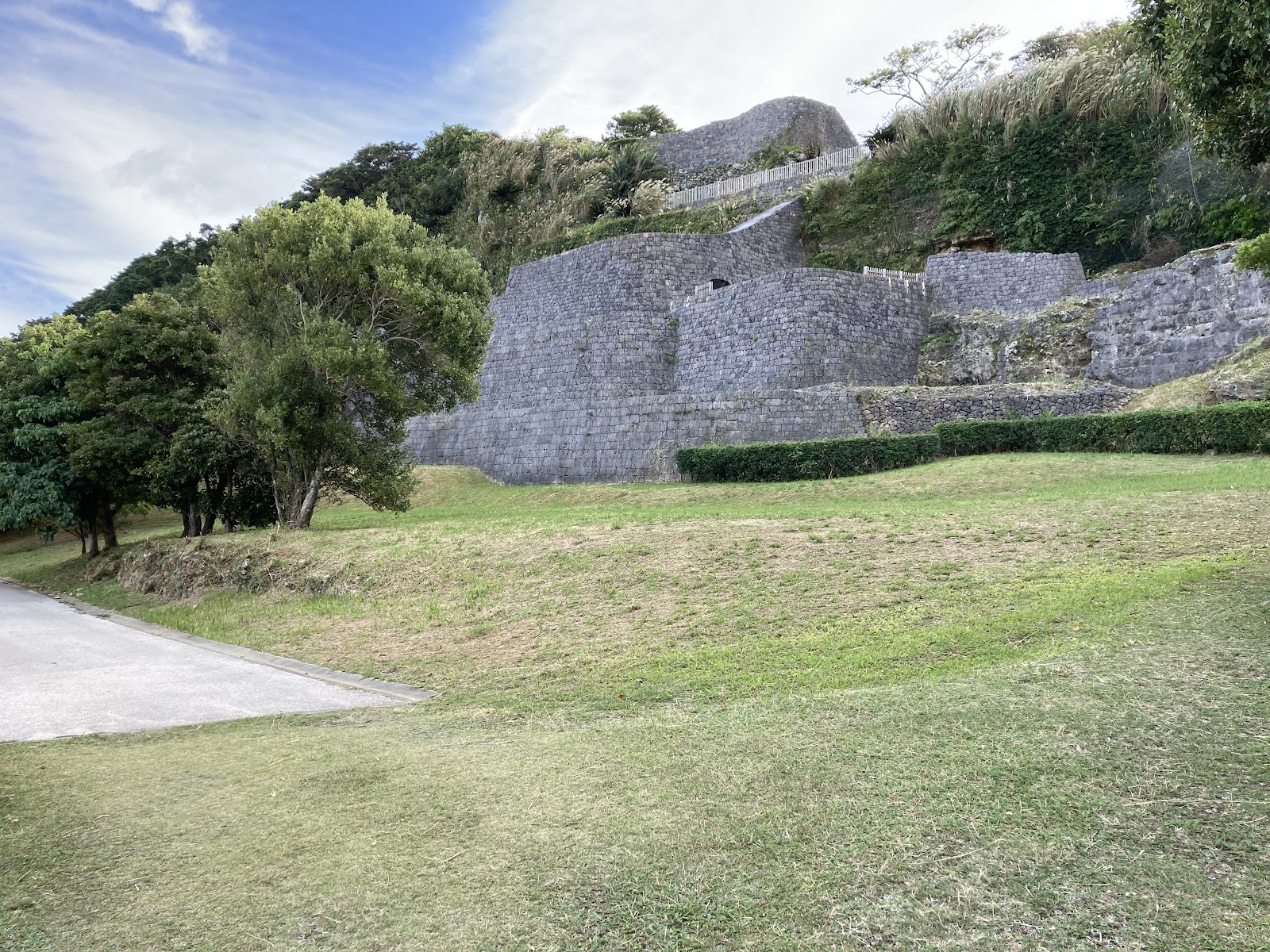
Urasoe was the seat of the Chuzan kingdom, one of the three principalities that divided medieval Okinawa before their unification, and the residence of powerful kings including the legendary Eiso and later Satto in the 13th and 14th centuries. From this commanding ridge, early rulers governed and traded, and the castle here served as the political centre of the island before power shifted to Shuri in the 15th century. Today the gusuku survives as extensive stone foundations, wall lines and terraces stretched along the escarpment, with interpretive signs helping visitors read the layout of the vanished palace.
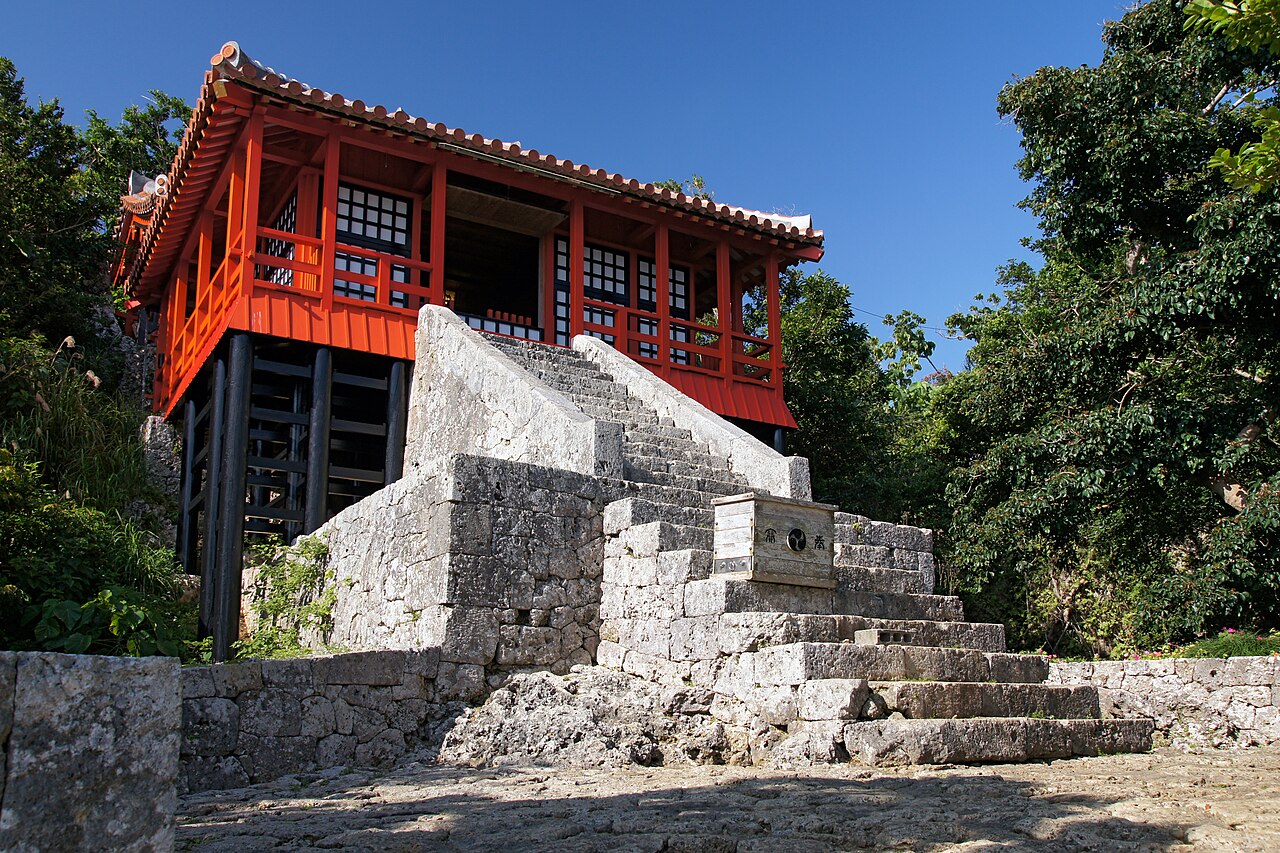
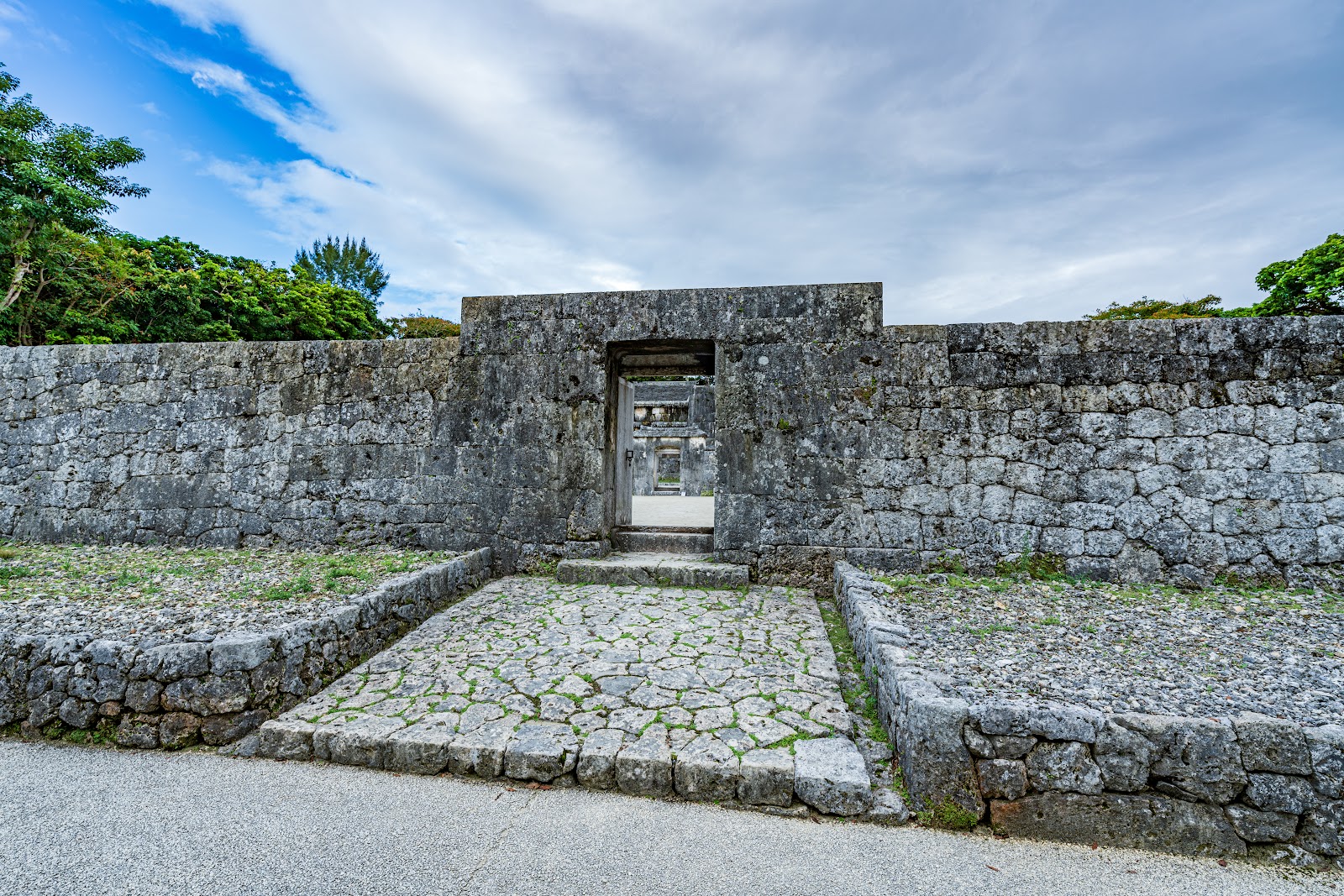
The most striking monument is the Urasoe Yodore, the royal mausoleum carved into the face of the ridge below the castle. This is the burial place of King Eiso and, later, of King Sho Nei, who reigned during the fateful Satsuma invasion of 1609. The tombs, cut into the cliff and fronted by stone chambers, are a solemn counterpart to the better-known Tamaudun at Shuri and reveal how Ryukyuan royal burial traditions developed. Like so much of the area, the Yodore was devastated during the Battle of Okinawa and has been carefully reconstructed, with a small adjacent museum explaining its history and the excavated remains.
The ridge itself carries a second, darker layer of history. During the Battle of Okinawa in 1945 this high ground, including the nearby escarpment made famous internationally as Hacksaw Ridge, saw some of the fiercest fighting of the campaign, and the strategic value that once made it a royal stronghold made it a brutal battlefield centuries later. Standing on the ridge, with its wide views over Urasoe and out to the sea, the connection between the medieval and modern significance of the position becomes vivid.
Because the site is spread along an exposed ridge and involves some walking and climbing, it is best explored in the cooler parts of the day and with sun protection. Entry to the grounds is free, and a visit of around an hour allows time to walk the castle foundations, descend to the Yodore tombs and take in the views. A car or taxi is the simplest way to reach it, as public transport connections are limited.
For travellers willing to venture beyond the main tourist trail, Urasoe offers a quieter, layered encounter with Okinawan history, from the birth of the Ryukyu kingdom to the tragedy of the Pacific War, all on a single windswept ridge.
A local's tip
Walk beyond the castle walls to the Yodore royal tombs carved into the cliff, then continue to the nearby Hacksaw Ridge escarpment for a sense of how this high ground shaped both medieval and wartime history.
Best time to visit
Morning or late afternoon to avoid the midday heat on the exposed ridge
Getting there
Urasoe lies just north of Naha. It is most easily reached by car or taxi, about 25 minutes from central Naha; by public transport, take the monorail to Shuri or Gibo and connect by local bus toward Urasoe, then walk up to the ridge-top site.
Good to know
- Parking
- Restrooms
Plan the whole trip offline
Urasoe Castle Ruins and Yodore is one of many places in the Real Japan app — with turn-by-turn directions, nearby spots and full offline maps you can use with no signal.