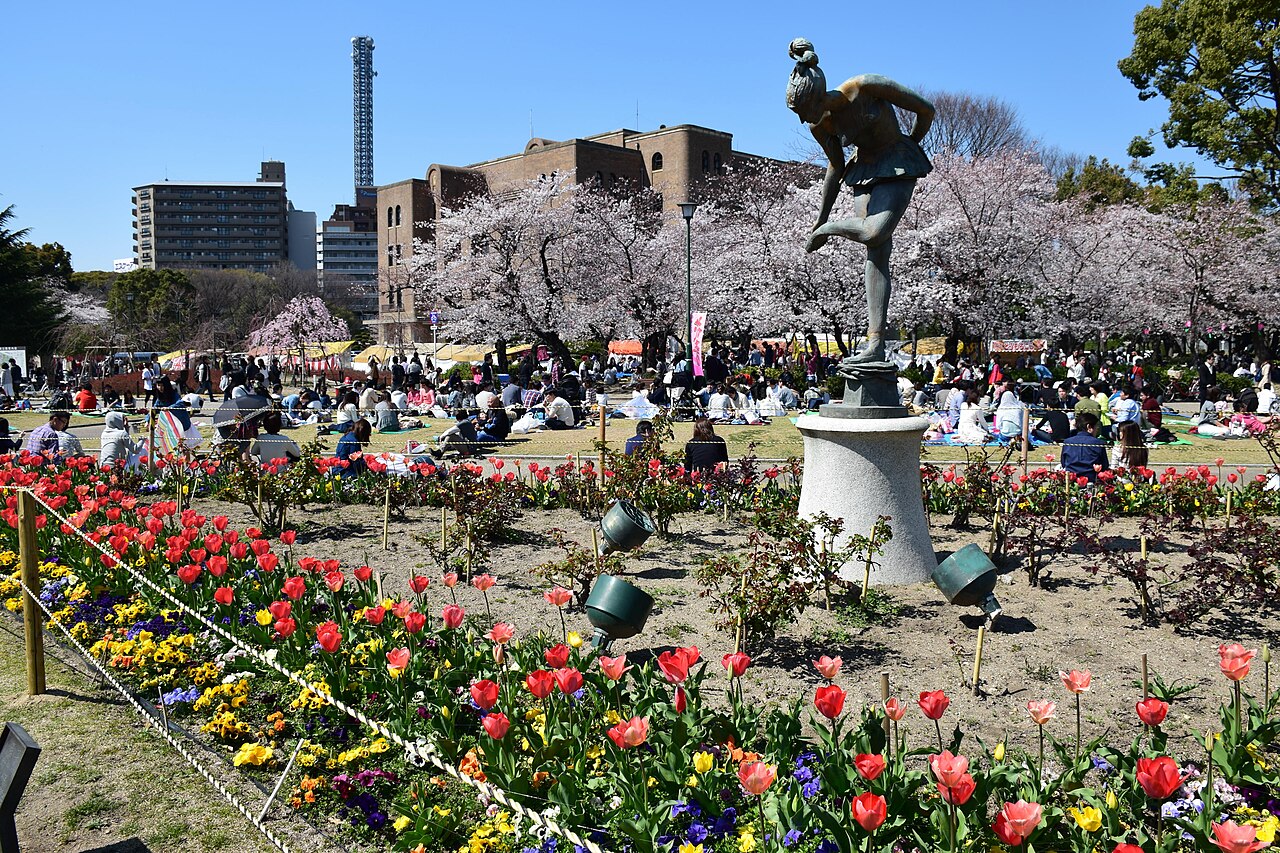
Nagoya's oldest public park, a beloved cherry-blossom and rose destination with a grand European-style fountain.
Tsuruma Park, opened in 1909, is the oldest public park in Nagoya and one of the most cherished green spaces in the city. Laid out in the Meiji era when Japan was eagerly absorbing Western ideas, it blends European and Japanese landscaping in a way that was novel for its time and remains charming today. Its combination of formal fountains, rose beds, broad lawns, a Japanese garden and hundreds of cherry trees has made it a year-round gathering place for the people of Nagoya and a rewarding stop for visitors, all the more so because it is free and steps from a major station.
The park is perhaps best known as one of Nagoya's premier cherry-blossom spots. When the roughly 750 sakura trees bloom in late March and early April, Tsuruma fills with hanami parties from morning until late at night, and the park stages one of the city's most festive blossom seasons, complete with evening illuminations and rows of food stalls. The atmosphere is joyful and communal, and the sight of the pale pink canopy over the crowds is a quintessential Japanese spring experience.
Beyond the cherry season, the park's western half showcases its Meiji-era Western influences. A grand ornamental fountain tower and a formal flower garden anchor this area, and a well-regarded rose garden bursts into colour in spring and again in autumn, drawing photographers and flower lovers. Nearby, an iris garden blooms in early summer. The eastern half turns to Japanese tradition, with a strolling garden, a pond, an arched bridge and a small stream that offer a quieter, more contemplative mood. This deliberate east-meets-west layout is part of the park's historic character and appeal.
Tsuruma Park is also a place of everyday city life. Locals come to jog, practise sports, walk their dogs and let children play, and the adjacent Tsuruma Central Library and public hall add a cultural dimension. Free concerts and community events are sometimes held at the park's bandstand, continuing a tradition that dates back over a century. The result is a lively, lived-in park rather than a manicured showpiece, which is much of its charm.
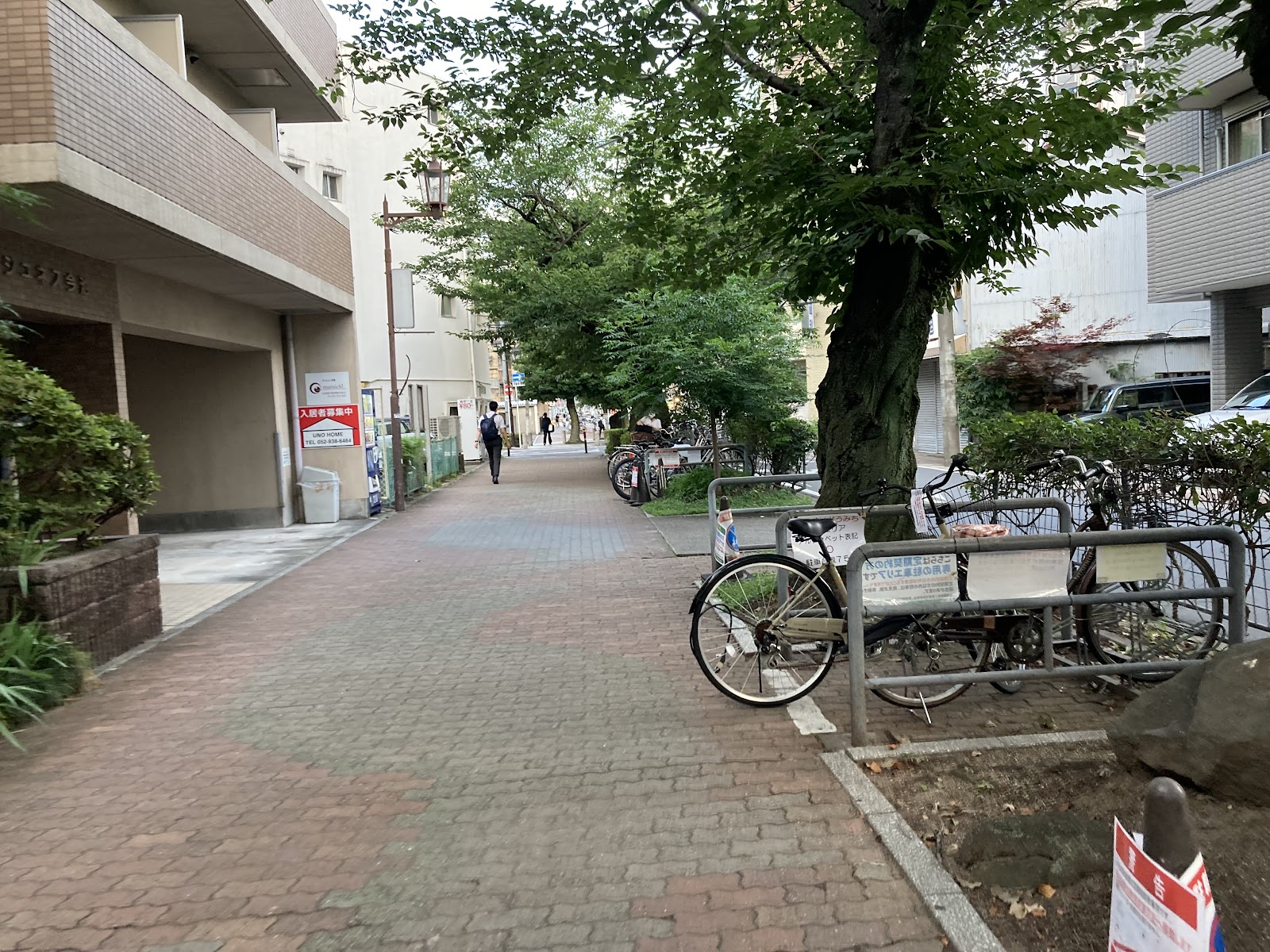
Access is exceptionally easy: Tsurumai Station, served by both the JR Chuo Line and the Tsurumai Subway Line, sits right beside the park, only a couple of minutes' walk from the gates. This makes Tsuruma a convenient, no-cost addition to any Nagoya itinerary, and its southeastern location pairs well with a visit to the nearby Osu shopping district or the university quarter.
For travellers looking to experience Nagoya's seasonal beauty and a slice of local life without an admission fee, Tsuruma Park delivers on both counts. Whether you catch it under a snow of cherry petals in spring, amid blooming roses in early summer, or simply on a quiet weekday stroll, this historic park offers a relaxed, atmospheric green escape at the heart of the city.
A local's tip
Come at cherry-blossom time for one of Nagoya's liveliest hanami scenes, with evening light-ups and food stalls filling the park after dark.
Best time to visit
Early April for cherry blossoms; June for the rose and iris gardens
Getting there
Right beside Tsurumai Station, served by both the JR Chuo Line and the Tsurumai Subway Line, southeast of the city centre.
Good to know
- Fountain
- Restrooms
- Rose garden
- Library nearby
Plan the whole trip offline
Tsuruma Park is one of many places in the Real Japan app — with turn-by-turn directions, nearby spots and full offline maps you can use with no signal.