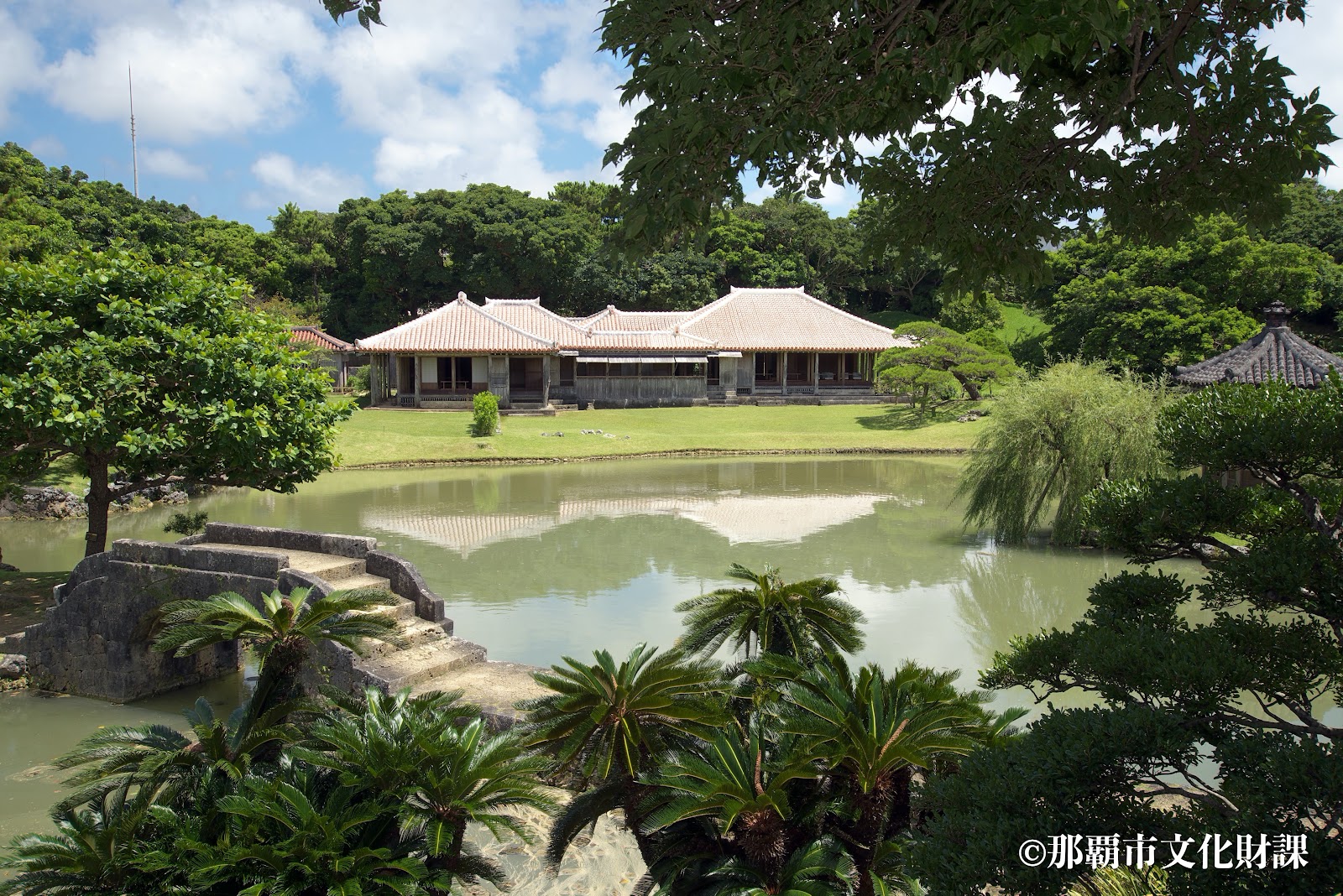
The serene former royal retreat of the Ryukyu kings, a UNESCO-listed garden of ponds, bridges and a wooden villa.
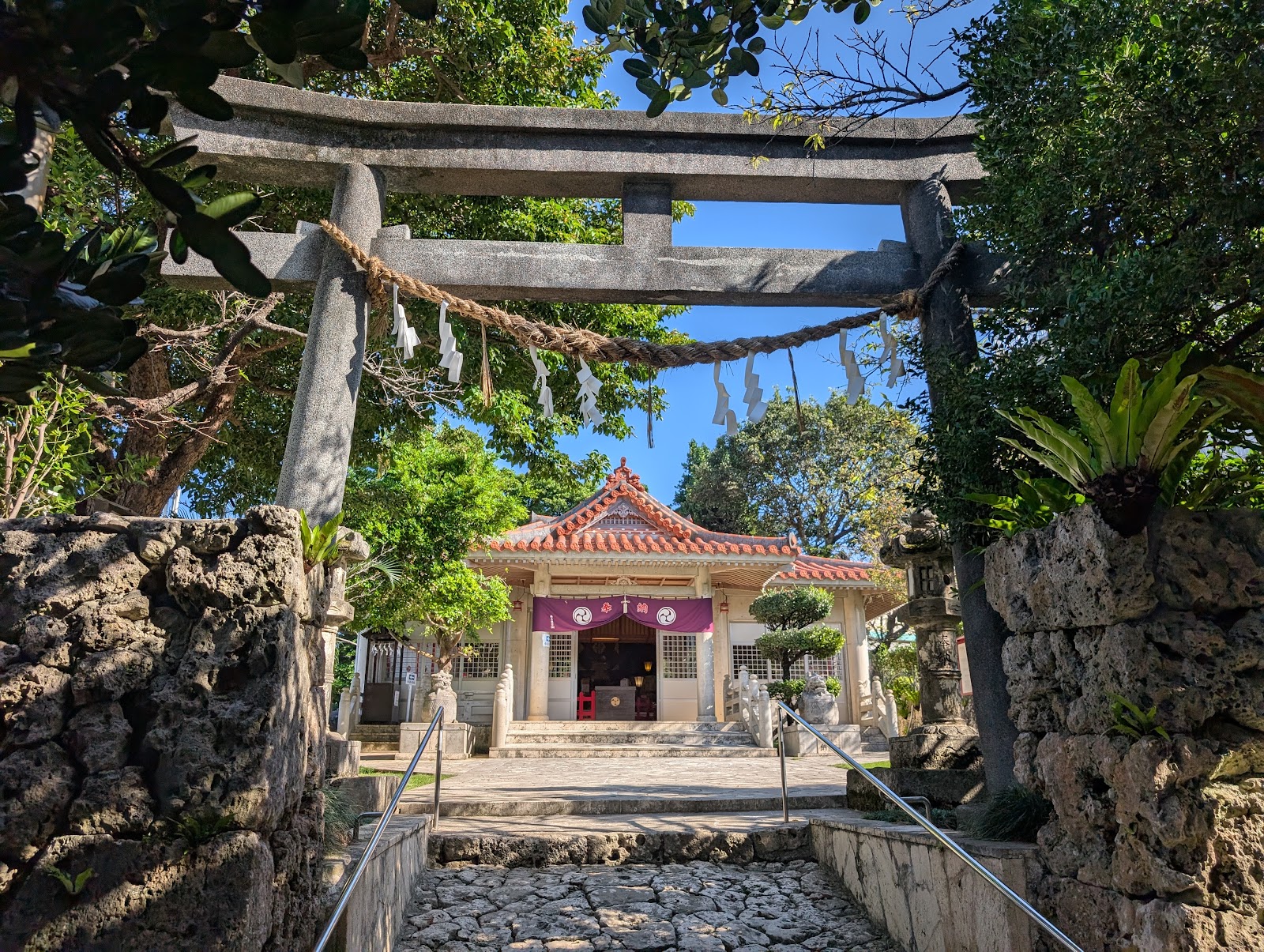
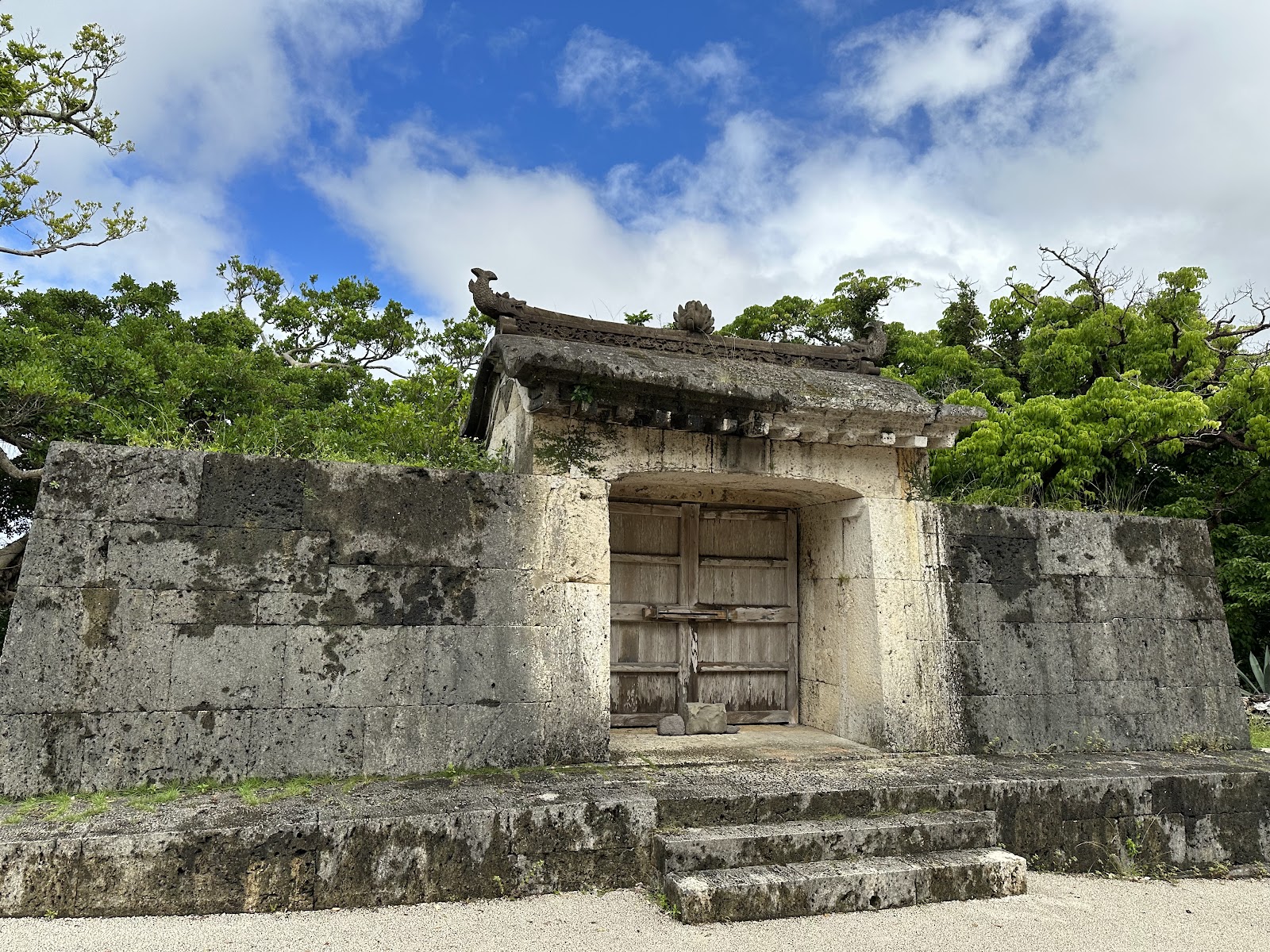
Shikinaen is a tranquil landscape garden that once served as the second residence and pleasure retreat of the kings of the Ryukyu Kingdom. Laid out at the end of the eighteenth century on a hillside just south of Shuri Castle, it was where the royal family relaxed away from court formalities and, importantly, where they entertained envoys from imperial China. As part of the ensemble of Ryukyuan royal sites, it is inscribed on the UNESCO World Heritage List, and it offers a gentler, more intimate counterpoint to the grandeur of Shuri Castle.
The garden is designed in the Chinese-influenced strolling style, arranged around a large central pond dotted with small islands. A wooden Ryukyuan-style villa with a red-tiled roof sits at the water's edge, its verandas opening onto views across the pond, and elegant stone bridges, including a distinctive hexagonal-roofed arched bridge, link the islands and paths. Hexagonal pavilions, stone lanterns and carefully placed plantings of pine, banyan and seasonal flowers complete a composition meant to reveal new scenes at every turn as visitors walk the circuit.
Unlike the ceremonial and political weight of the main castle, Shikinaen was about leisure, hospitality and quiet contemplation. The Ryukyu court used it to impress Chinese investiture missions with refined beauty rather than military might, a reflection of the kingdom's diplomatic, trade-based approach to survival between the great powers of China and Japan. Walking its paths today, it is easy to imagine the royal family and their guests strolling here, pausing in the pavilions to admire the pond and the borrowed scenery of the hills.
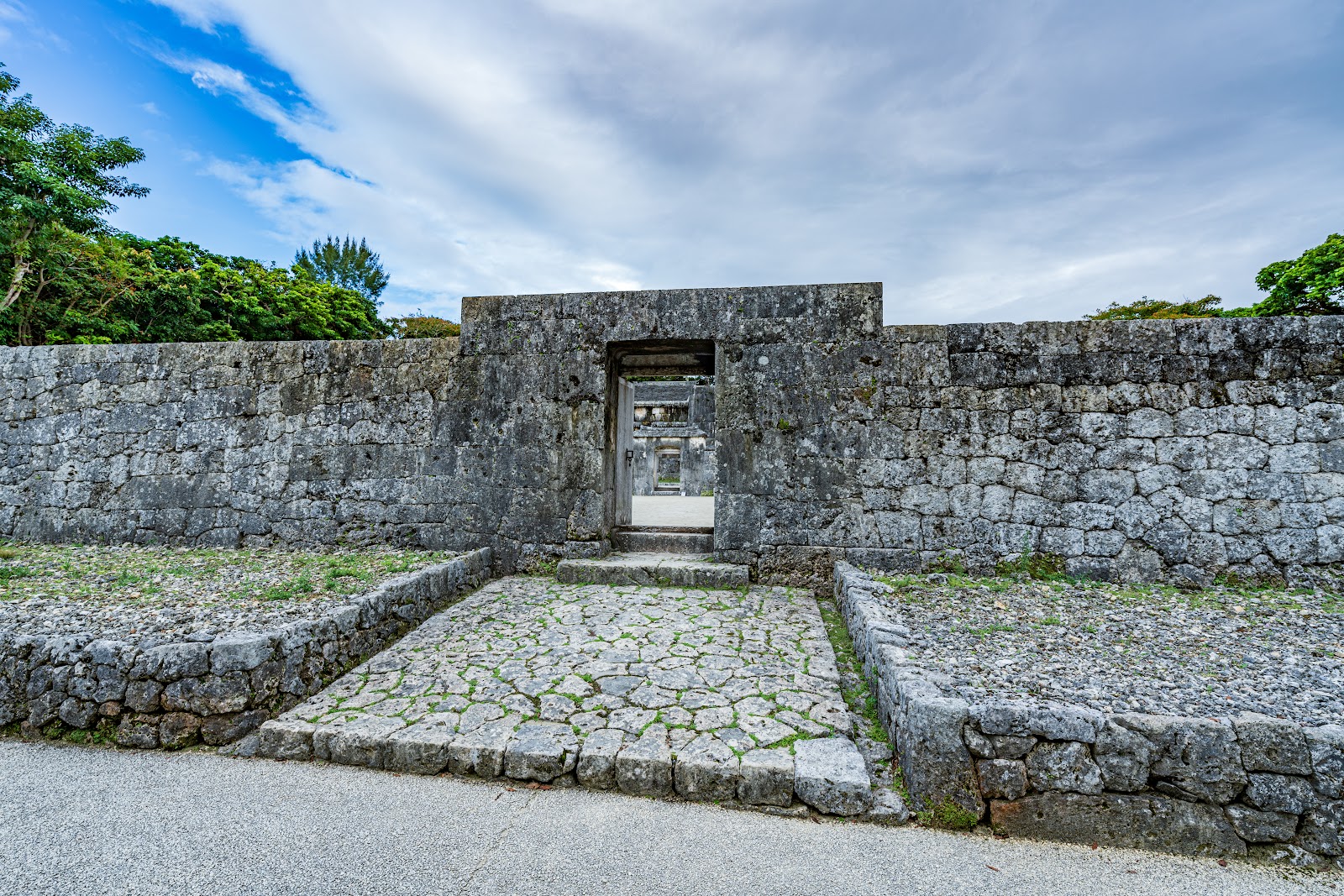
Like almost every historic site in Okinawa, Shikinaen was heavily damaged in the Battle of Okinawa, and what visitors see today is the result of decades of careful restoration using traditional techniques and materials. That reconstruction has been done with great sensitivity, and the garden feels serene and authentic rather than sanitised, its stone paths worn and its plantings mature.
The experience is peaceful and unhurried. A gentle stroll around the full circuit takes around an hour, and while some paths involve stone steps and slopes, much of the garden can be enjoyed at an easy pace. It rarely feels crowded, making it a welcome refuge from the bustle of central Naha and a lovely place to slow down. Morning light on a clear day is especially rewarding, when the pond mirrors the arched bridge and the villa.
A notable point is the contrast Shikinaen offers to the rest of the Ryukyuan heritage circuit. Where Shuri Castle overwhelms with colour and scale, Shikinaen charms with restraint and calm, showing a softer, more private side of the kingdom's culture. Together they give a fuller picture of Ryukyuan life, from statecraft to leisure.
The garden is closed on Wednesdays. The best time to visit is a clear morning, and spring adds cherry and other blossoms to the grounds. Reach it in about twenty minutes on foot from Shuri monorail station, or by a short bus or taxi from Shuri Castle, with which it pairs naturally. For anyone seeking a quiet, beautiful and historically rich corner of Naha, Shikinaen Royal Garden is a small treasure.
A local's tip
Cross the distinctive hexagonal stone bridge and follow the far path uphill to a small viewpoint where, on a clear day, you can glimpse the sea beyond the garden's trees.
Best time to visit
Morning on a clear day, when the pond reflects the arched bridge and pavilion
Getting there
About twenty minutes on foot from Shuri monorail station, or a short bus or taxi ride south of Shuri Castle.
Good to know
- Parking
- Restrooms
- Rest pavilion
Plan the whole trip offline
Shikinaen Royal Garden is one of many places in the Real Japan app — with turn-by-turn directions, nearby spots and full offline maps you can use with no signal.