A chic, leafy university district in eastern Kobe known for stylish cafes and boutiques and for one of Kansai's oldest, most celebrated plum-blossom parks.
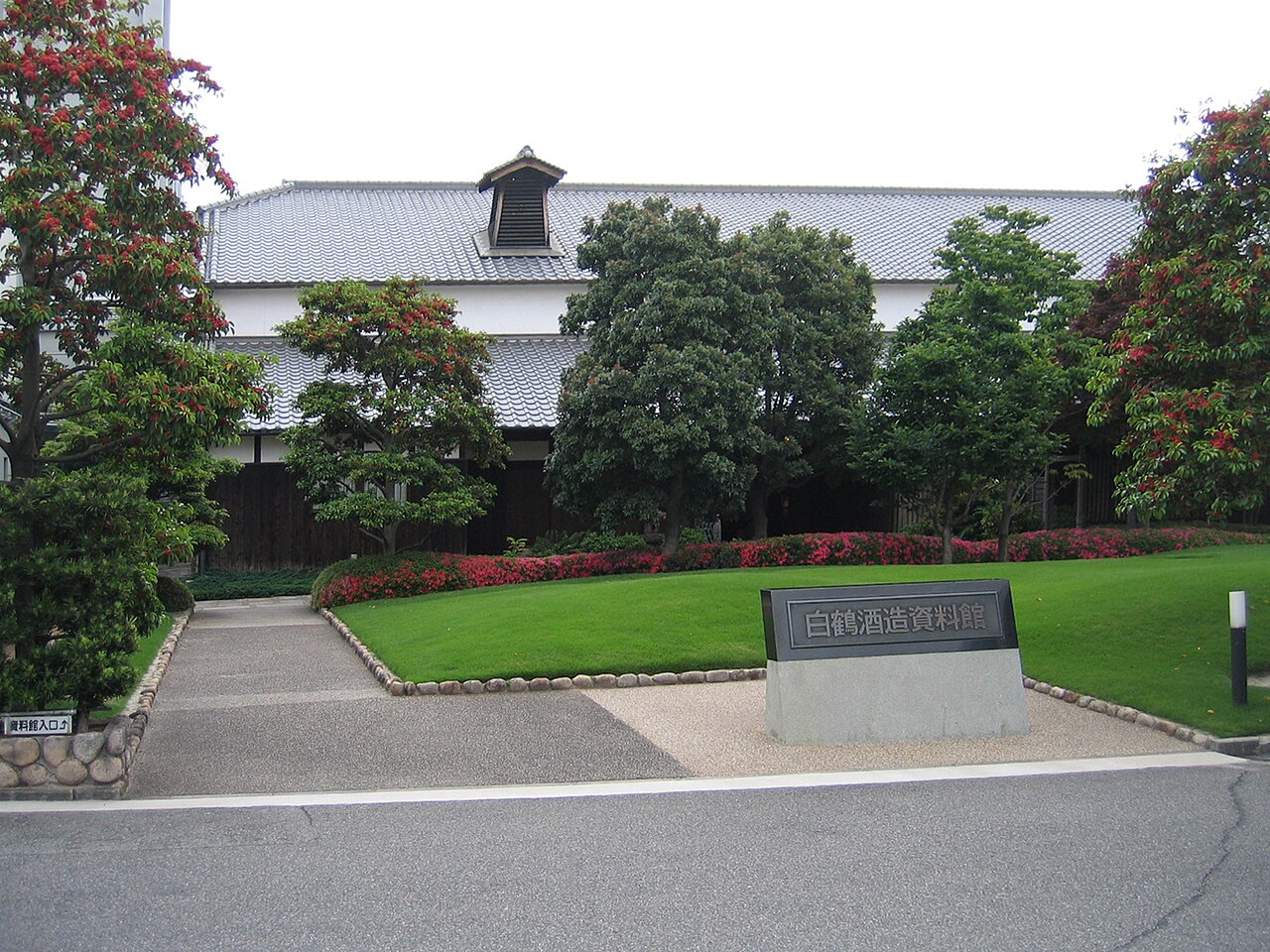
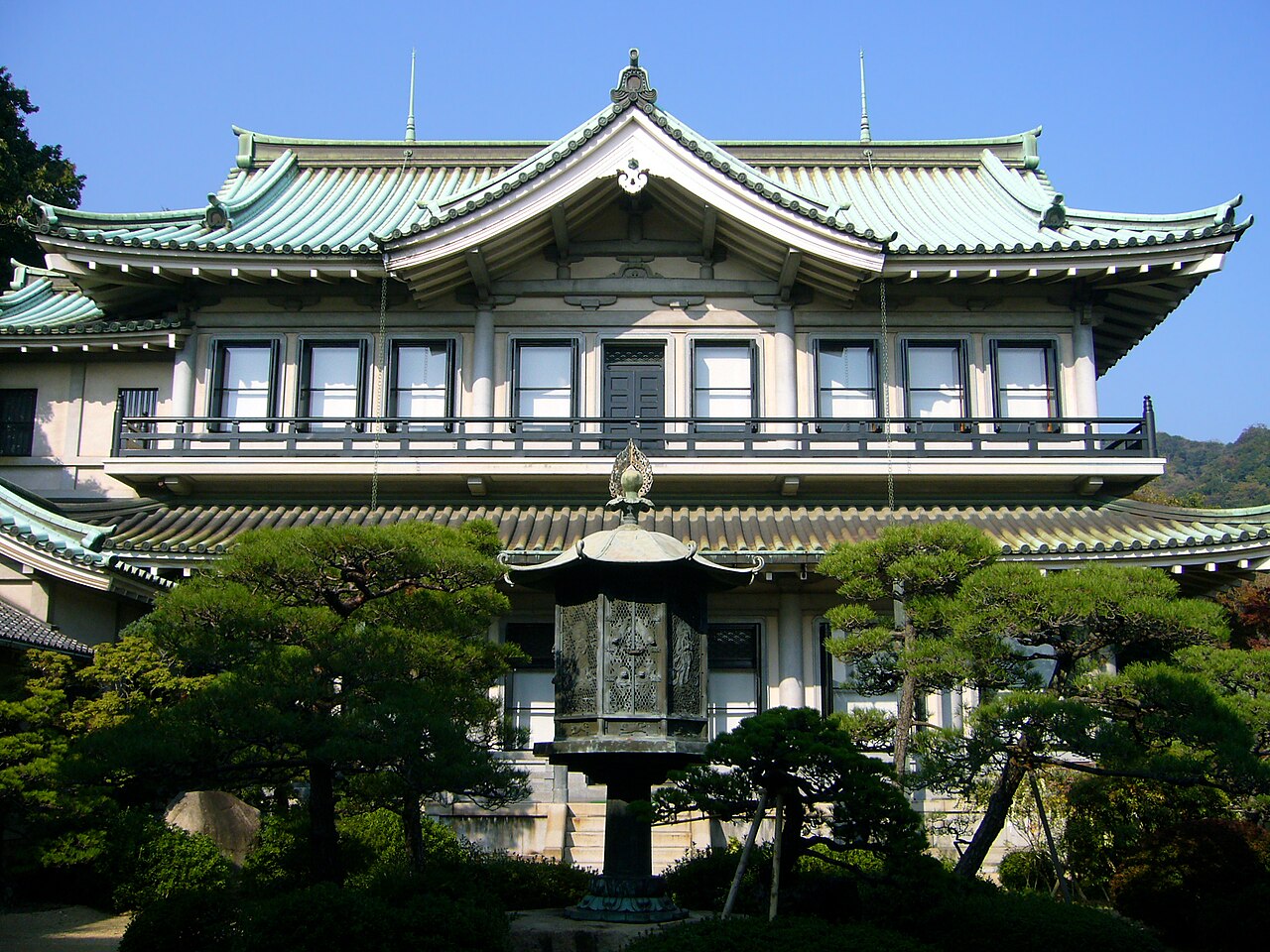
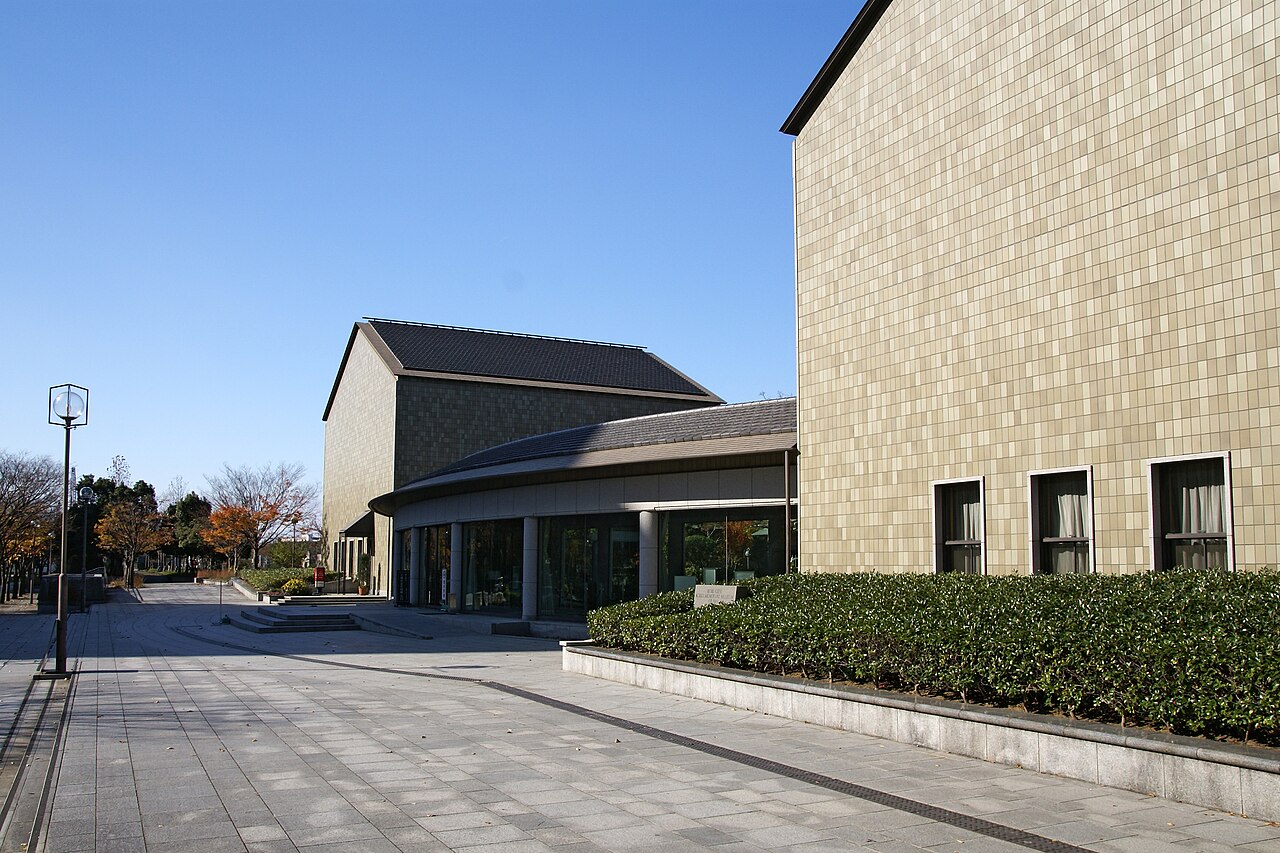
Okamoto is one of eastern Kobe's most appealing residential districts, a fashionable, leafy neighbourhood on the gentle slopes of the Higashinada ward that blends youthful cafe culture with a distinguished natural heritage. Perched between the Rokko mountains and the sea, and home to several universities, it has an easygoing, upmarket-bohemian atmosphere that makes it a favourite haunt of students, young professionals and Kobe residents in the know, even as it stays largely off the international tourist map.
The district's modern reputation rests on its cafes and boutiques. The sloping streets around Okamoto Station are dotted with stylish independent coffee shops, patisseries, bakeries, small restaurants and design-conscious stores, giving the area a relaxed, tasteful buzz. Kobe's long love affair with Western-style baking and coffee — a legacy of its port-city cosmopolitanism — finds a contemporary home here, and cafe-hopping is very much the local pastime. The presence of university campuses lends youthful energy and keeps prices reasonable, while the well-heeled residential surroundings ensure a certain polish.
Yet Okamoto also carries a much older claim to fame. Okamoto Park, on the hillside above the station, has been celebrated for its plum blossoms for centuries. During the Edo period the plum groves here were renowned across Japan, drawing blossom-viewing visitors from far and wide, and the tradition endures: in late winter and early spring the park's plum trees burst into pink and white bloom, filling the air with fragrance and offering a quieter, earlier alternative to the crowded cherry-blossom season. Coming for the plums connects today's cafe district to a poetic natural heritage that predates the modern city entirely.
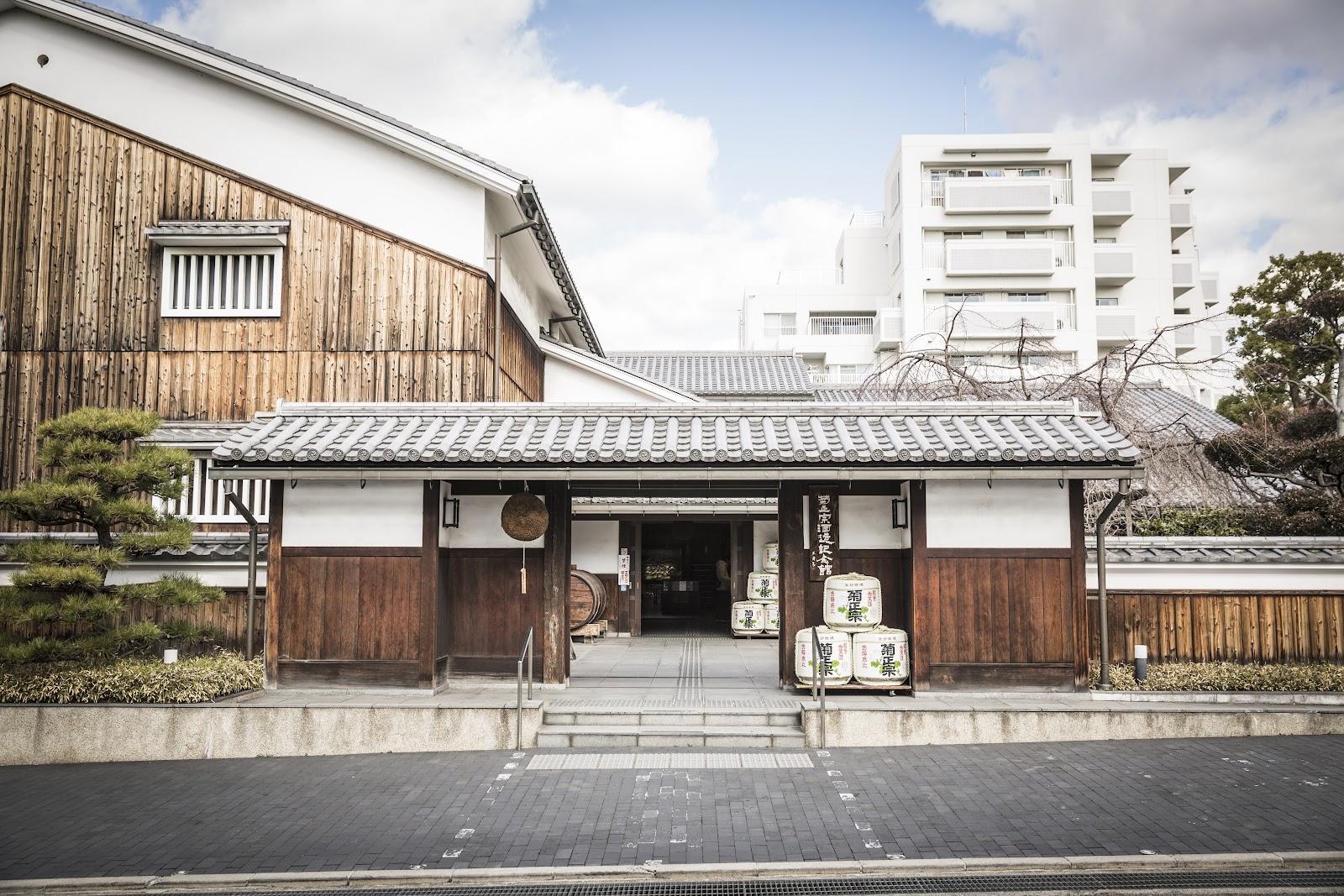
The combination gives Okamoto a rare double character — chic and contemporary yet rooted in a classical love of seasonal beauty. From the park's slopes there are also pleasant views over the city and out toward Osaka Bay, and the surrounding hillside streets, with their tidy homes and greenery, are agreeable to wander. The neighbourhood pairs naturally with the nearby Nada sake district for a themed day in eastern Kobe, or serves as a refined, low-key base away from the downtown bustle.
For the visitor, Okamoto is less a checklist of sights than a mood to enjoy: settle into a good cafe, browse a boutique or two, and, if the season allows, climb up to the plum park. It rewards travellers who like discovering the stylish, everyday side of a city and appreciate a place loved by locals rather than staged for tourists. The main streets are gently sloping but easy to walk, and an hour or two suffices, longer if the plums are out.
Access is simple: Okamoto Station on the Hankyu Kobe Line sits at the district's heart, with Settsu-Motoyama Station on the JR Kobe Line a short walk downhill. Come in late February for the blossoms, or any time for a taste of Kobe's understated good life.
A local's tip
Climb to Okamoto Park in late February for one of the Kansai region's oldest plum-blossom spots, historically famed enough to draw visitors from across the country in the Edo period.
Best time to visit
Early spring for the historic plum blossoms at Okamoto Park
Getting there
Okamoto Station on the Hankyu Kobe Line sits at the district's centre; Settsu-Motoyama Station on the JR Kobe Line is a short walk downhill. The area is in eastern Kobe's Higashinada ward.
Good to know
- Cafes
- Wi-Fi
- Boutiques
- Restrooms
Plan the whole trip offline
Okamoto District is one of many places in the Real Japan app — with turn-by-turn directions, nearby spots and full offline maps you can use with no signal.