An immersive museum on the Kotsuki River telling how Kagoshima's samurai helped topple the shogunate and forge modern Japan.
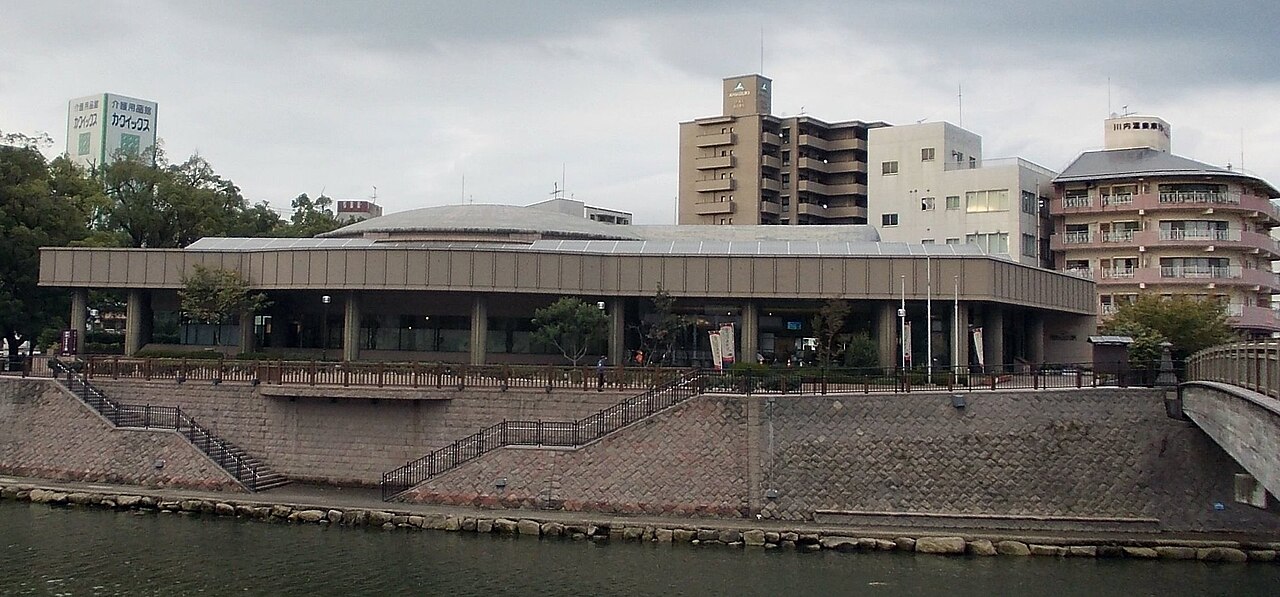
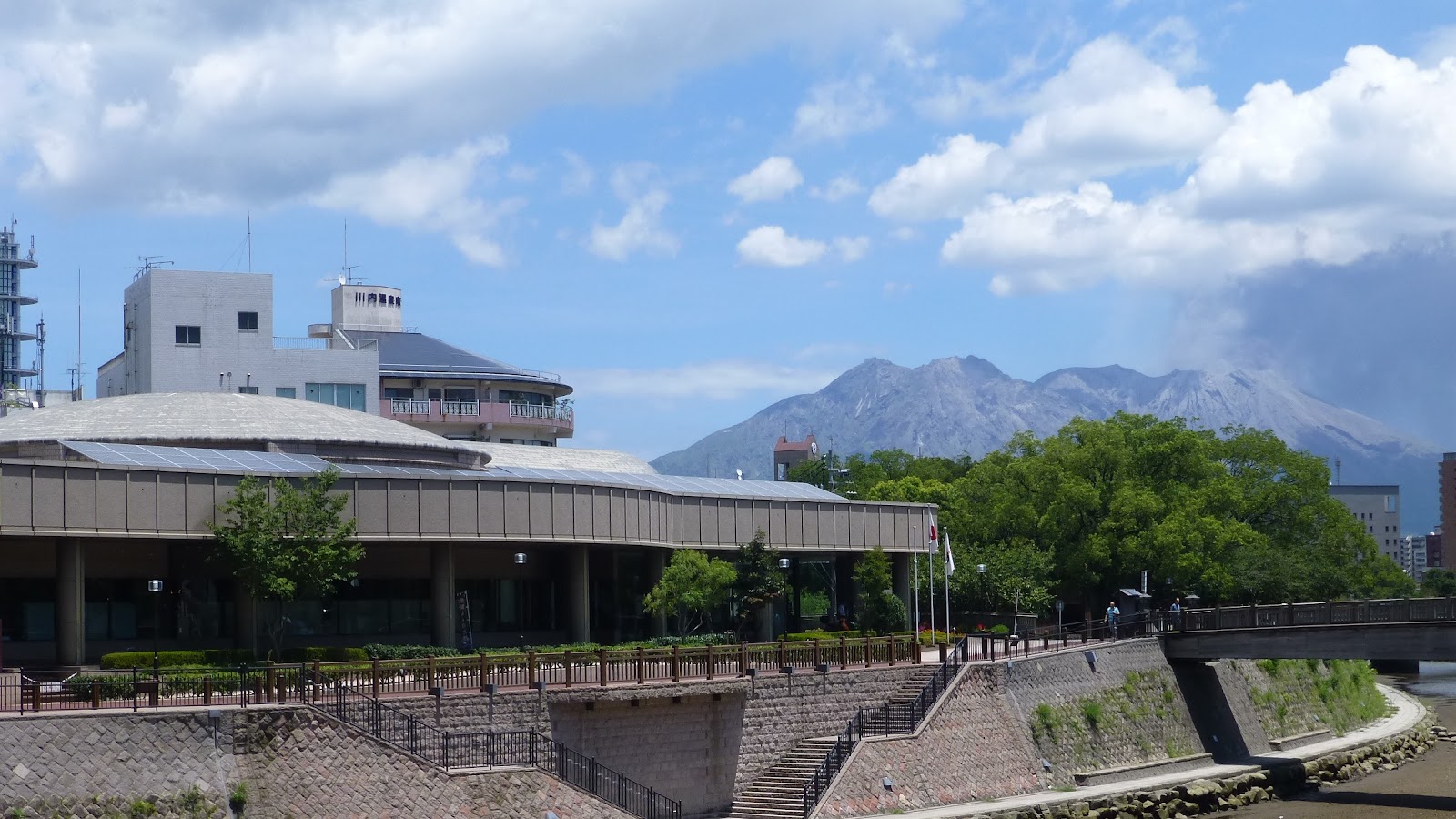
The Museum of the Meiji Restoration, known in Japanese as Ishin Furusato-kan, tells the story of one of the most consequential moments in Japanese history — the fall of the Tokugawa shogunate and the birth of the modern nation — from the perspective of Kagoshima, the domain that did more than any other to bring it about. It stands on the banks of the Kotsuki River in the old Kajiya-cho district, the samurai neighbourhood that raised an extraordinary generation of Restoration leaders, and it uses lively, accessible exhibits to bring that pivotal era vividly to life.
In the mid-nineteenth century the Satsuma domain, centred on Kagoshima, was among the most powerful and outward-looking in Japan. Its samurai pushed for the overthrow of the shogunate and the restoration of imperial rule, and the district around the museum produced towering figures of the age, including Saigo Takamori, the tragic hero of the Restoration, and Okubo Toshimichi, one of the principal architects of the new Meiji government. The museum sets their lives and the broader drama of the 1860s within the story of how a peripheral southern domain came to reshape the whole country.
What makes the museum memorable is its theatrical approach. The basement Ishin Taikan Hall stages dramatic multimedia productions that combine life-size robotic figures, projection and narration to reenact key episodes of the Restoration and the lives of its leading actors. These shows, running on a set schedule through the day, turn what could be dry history into genuinely engaging storytelling and are the clear highlight for most visitors. Upstairs, exhibits cover Satsuma's early contacts with the West, the education and philosophy that shaped its young samurai, and the sweeping political changes of the era, with displays and explanations aimed at a general audience.
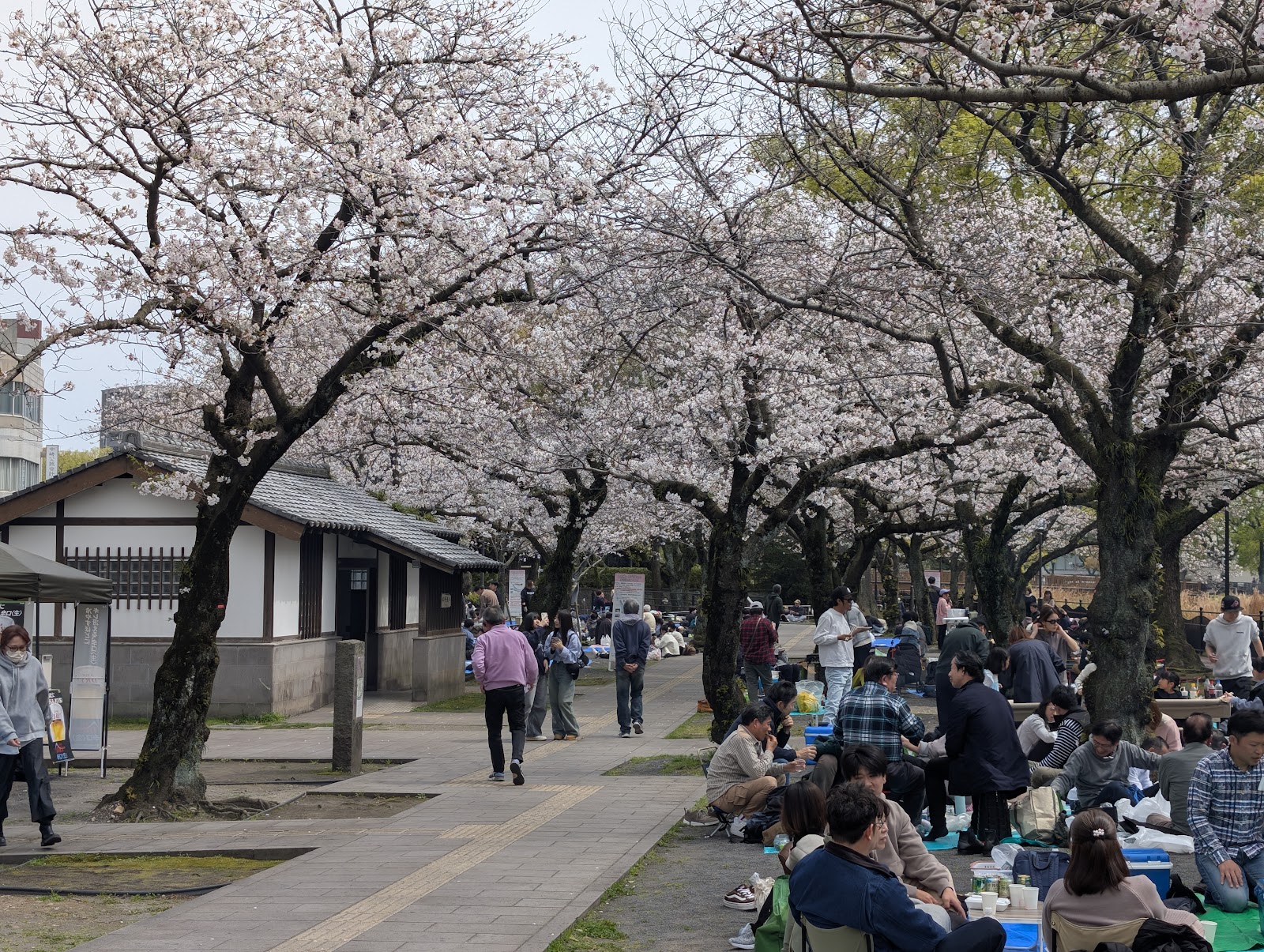
The surrounding neighbourhood adds context to the visit. The Kajiya-cho area was the cradle of the Restoration generation, and the riverside setting, with its cherry trees along the Kotsuki, is pleasant in spring. Nearby stand monuments and birthplaces connected to the historical figures the museum celebrates, so it is easy to combine the indoor exhibits with a short walk through the streets where these men grew up.
Getting there is simple. The museum lies about a twelve-minute walk from Kagoshima-Chuo Station, the city's main transport hub served by the Kyushu Shinkansen, making it an easy addition to any Kagoshima itinerary. Admission is modest, and the theatre shows are included, though it is worth checking the performance schedule on arrival so you can plan around the next show. Allow a little over an hour to see the exhibits and catch a production.
For anyone seeking to understand how modern Japan came into being — and why Kagoshima takes such pride in its role — the Museum of the Meiji Restoration is an excellent and entertaining starting point. It rewards visitors with both solid history and genuine spectacle, and it frames the many Restoration-related sites scattered across the city, from statues to birthplaces, in a way that makes the rest of Kagoshima's historical landscape far more meaningful.
A local's tip
Time your visit for one of the robot-and-projection dramas in the basement Ishin Taikan Hall — the reenactment of the Restoration is the highlight.
Best time to visit
Any time; allow time for the theatre shows
Getting there
From Kagoshima-Chuo Station walk about 12 minutes east toward the Kotsuki River; the museum sits on the riverbank in the Kajiya-cho district, the old samurai quarter that produced many Restoration leaders.
Good to know
- Theatre
- Gift shop
- Restrooms
Plan the whole trip offline
Museum of the Meiji Restoration (Ishin Furusato-kan) is one of many places in the Real Japan app — with turn-by-turn directions, nearby spots and full offline maps you can use with no signal.