The highest mountain in western Japan's Chugoku region, a sacred volcanic peak famous for hiking, autumn colour and a beech forest wilderness.
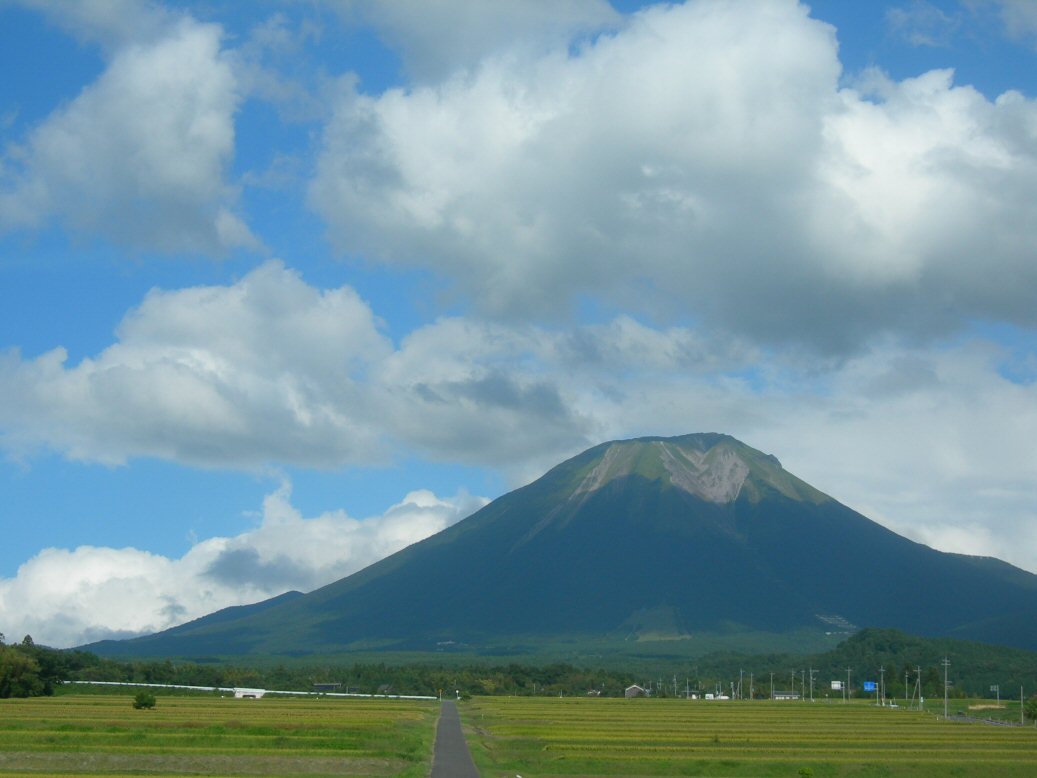
Rising to 1,729 metres above the plains and coast of western Tottori, Mount Daisen is the highest mountain in the Chugoku region and one of the great sacred peaks of Japan. A dormant stratovolcano crowned with jagged ridges, it dominates the landscape for miles around and, seen from the west, its symmetrical cone has earned it the affectionate nickname "Hoki Fuji" for its resemblance to Mount Fuji. As the centrepiece of the Daisen-Oki National Park, it offers some of the finest mountain scenery, hiking and nature in western Japan.
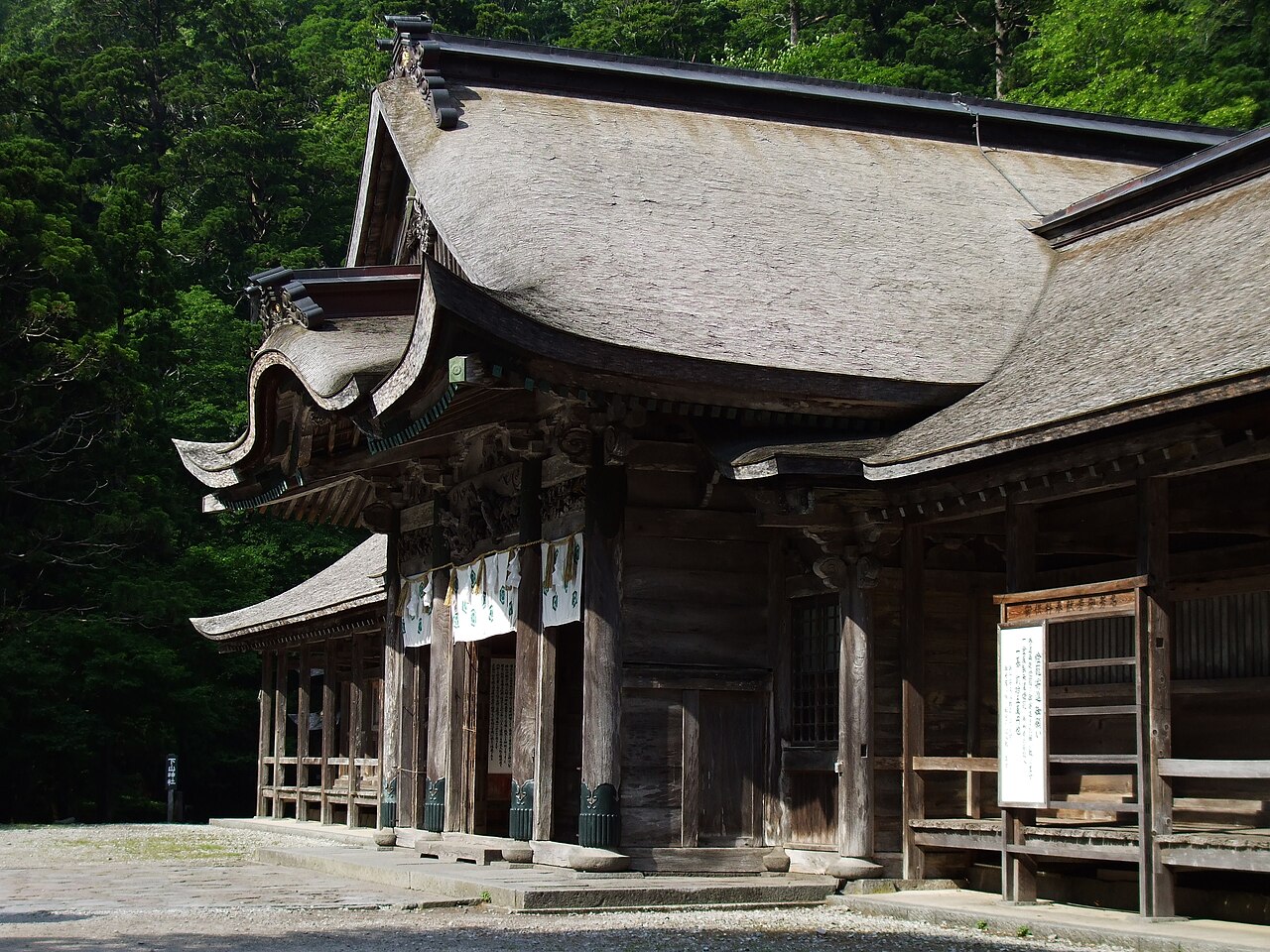
Daisen has been an object of worship since ancient times. In the Nara and Heian periods it became a major centre of mountain asceticism and Buddhist practice, and at its base still stands Daisen-ji, a historic temple founded well over a thousand years ago that once commanded a huge monastic complex of scores of sub-temples and warrior-monks. Alongside it is the grand Ogamiyama Shrine, whose long stone-paved approach — said to be the longest natural-stone shrine path in Japan — winds up through towering cedars. Even visitors with no intention of climbing can walk this atmospheric avenue and enjoy superb views of the peak rising above the ancient forest.
For hikers, Daisen is a classic. The most popular route, the Natsuyama trail, climbs from the temple village through cool beech forest to the Misen summit ridge, a demanding but non-technical ascent that rewards the effort with sweeping panoramas over the Sea of Japan, the Oki Islands, Lake Nakaumi and the patchwork of the San'in plains far below. The mountain protects one of the largest and most beautiful natural beech forests in western Japan, a habitat rich in birds and wildflowers, and the upper slopes are famous for delicate alpine plants. To protect the fragile and eroding true summit, hikers are asked to stop at the Misen peak rather than proceed to the slightly higher, off-limits highest point.
Daisen is a mountain for all seasons. Spring brings fresh green and wildflowers, summer offers cool escape from the lowland heat, and autumn sets the beech and maple forests ablaze in one of the region's most celebrated displays of foliage. In winter deep snow blankets the slopes and Daisen becomes a popular ski resort, the only significant one in the area, with runs and views out over the white coast.
The trailhead village around Daisen-ji has accommodation, restaurants serving local specialties, parking and mountain huts, making it easy to base a day or more here. A full summit hike is a strenuous, roughly five-to-six-hour round trip suited to fit walkers with proper footwear, while the temple, shrine and lower nature trails offer gentler enjoyment for everyone.
Whether you come to climb to the ridge, to worship at its ancient temple, to ski its winter slopes or simply to gaze up at its Fuji-like cone from the surrounding countryside, Mount Daisen is the natural and spiritual crown of Tottori and one of the most magnificent mountains in western Japan.
A local's tip
Even non-hikers should walk the short avenue to Daisen-ji Temple and Ogamiyama Shrine at the base for magnificent views of the peak framed by ancient cedars.
Best time to visit
Autumn for foliage; summer for hiking; winter for skiing
Getting there
From Yonago Station take the Daisen-bound bus (about 50 minutes) to Daisen-ji, the trailhead village. By car it is around 40 minutes from Yonago.
Good to know
- Parking
- Restrooms
- Mountain huts
Plan the whole trip offline
Mount Daisen is one of many places in the Real Japan app — with turn-by-turn directions, nearby spots and full offline maps you can use with no signal.