A working geisha district of lantern-lit lanes on the east bank of the Kamo River, quieter than neighboring Gion.
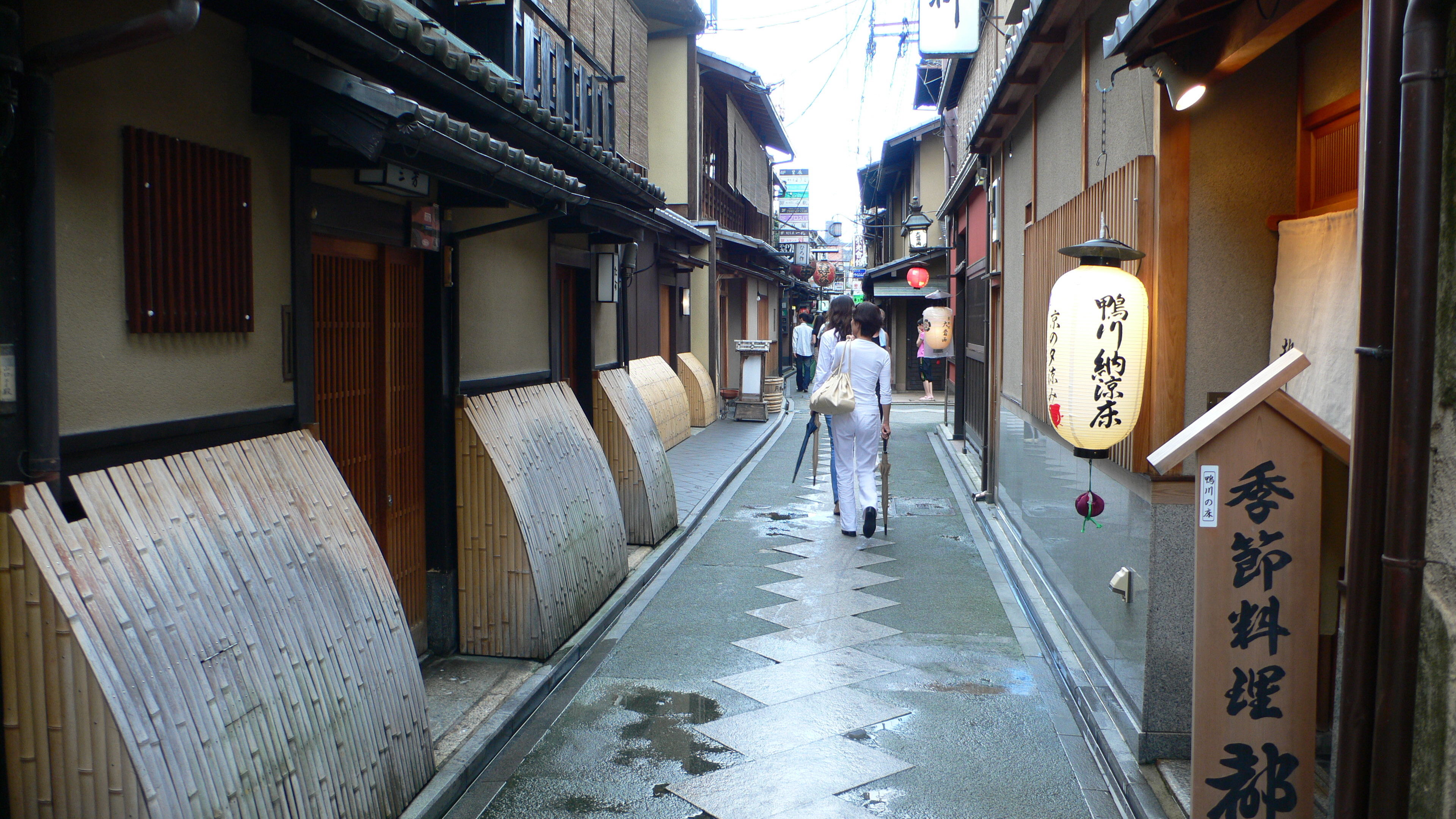
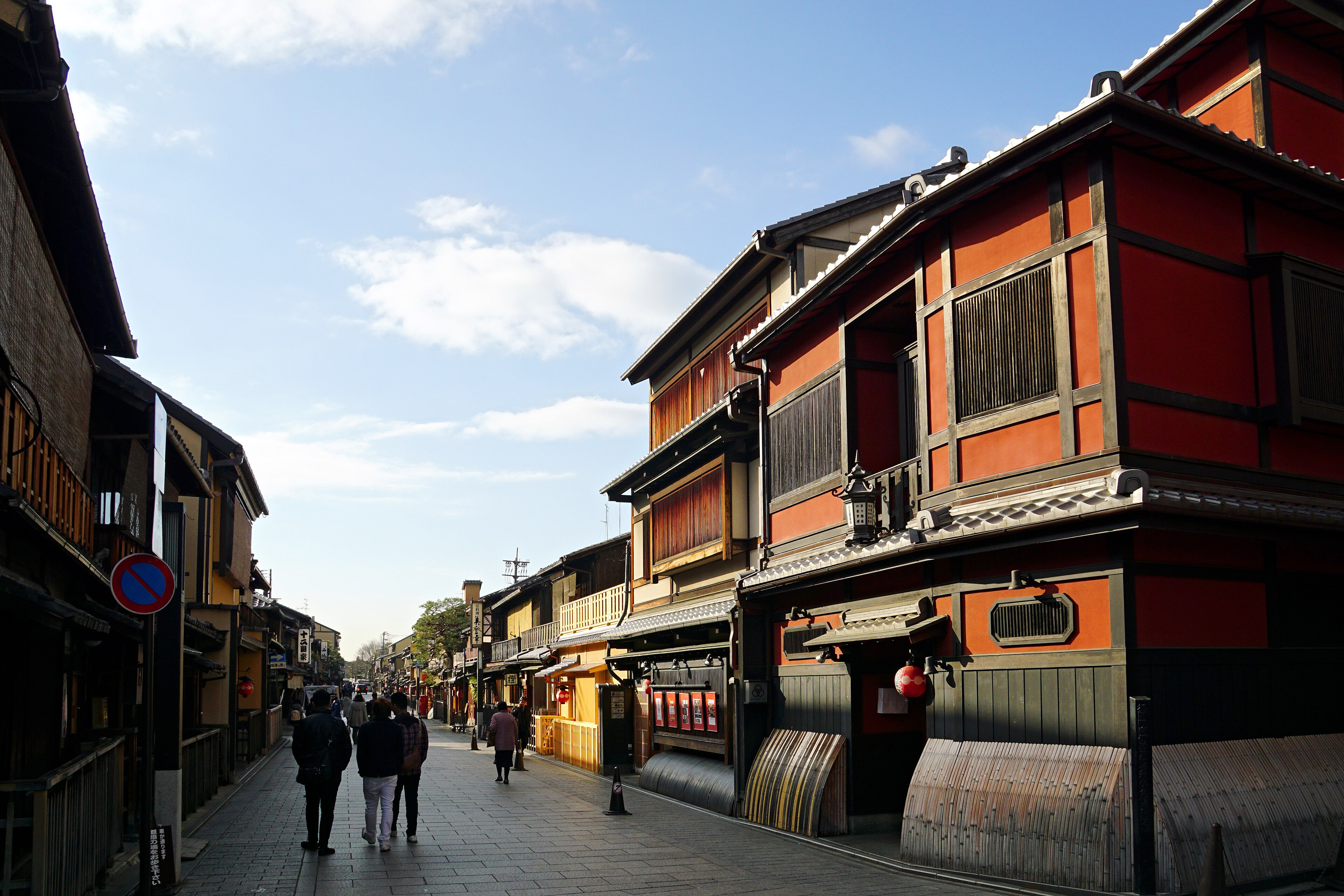
Miyagawacho is one of Kyoto's five hanamachi (geisha districts), lying along the east bank of the Kamo River just south of the Shijo bridge. Its name means Shrine River, a reference to the Kamo's role in the annual purification of Yasaka Shrine's portable shrines during the Gion Festival. Today it is a living quarter of geiko and maiko, its narrow lanes lined with wooden ochaya teahouses, lodging houses, and small restaurants, and hung with the paper lanterns that mark a hanamachi.
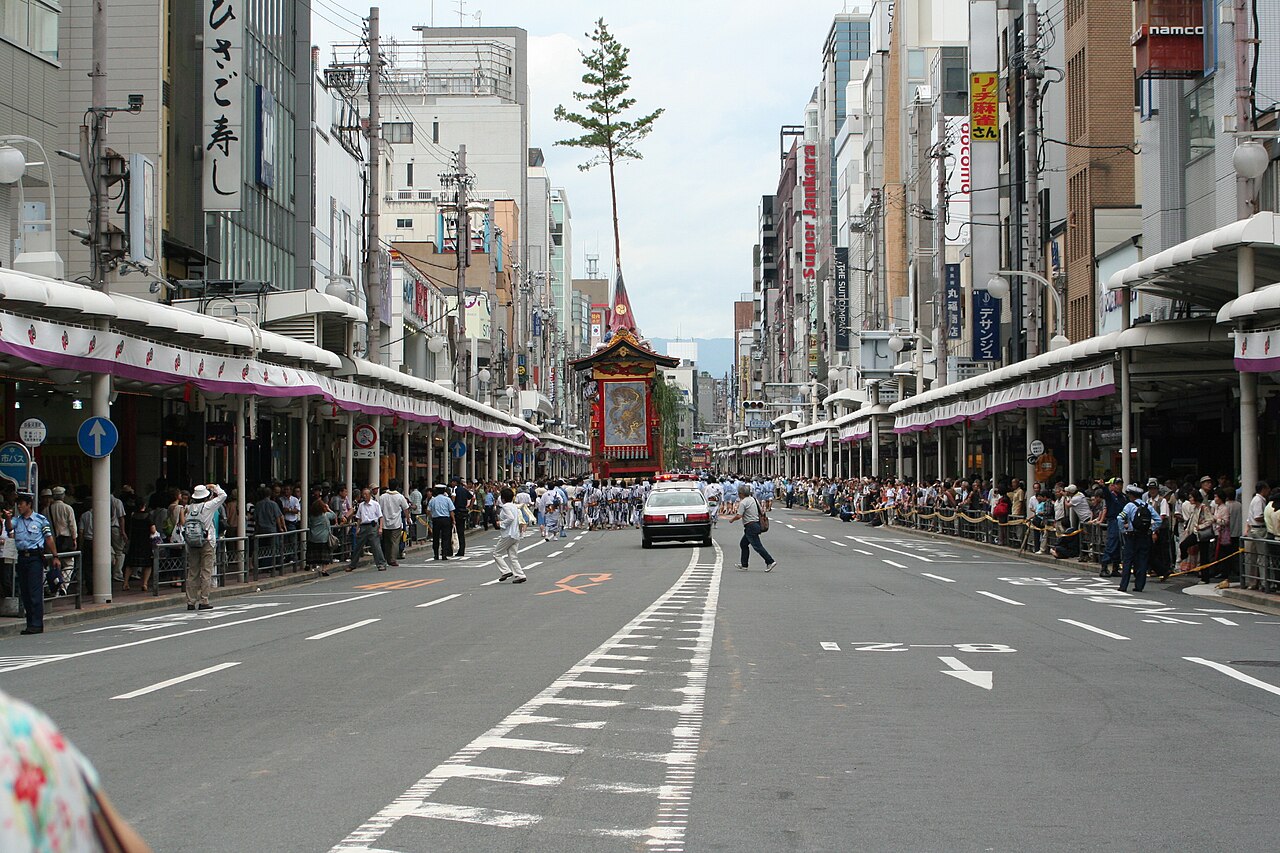
The district grew up alongside the riverside entertainment that flourished here from the 17th century. The dry riverbed at Shijo was long a stage for kabuki and popular performance, and Miyagawacho developed as the surrounding pleasure quarter. It remains one of the two hanamachi (with nearby Gion Kobu) where the tradition is strongest, and it is home to the Kaburenjo theater where the district's geiko and maiko stage the Kyo Odori dances each spring — a colorful, accessible showcase of Kyoto dance, music, and seasonal costume that visitors can buy tickets to see.
Miyagawacho's appeal for the traveller is atmosphere rather than sights. There are no gates, temples, or fees; instead there is the pleasure of wandering lantern-lit lanes where, in the early evening, kimono-clad figures move between engagements and the muffled notes of shamisen practice escape from upper rooms. Because it sits just south of Gion's celebrated Hanamikoji, it offers much the same beauty with noticeably fewer crowds, making it a favourite of repeat visitors who want the hanamachi experience without the crush.
The teahouses themselves operate on the traditional ichigen-san okotowari system — no first-time guests without an introduction — so their interiors remain closed to casual visitors. But several street-level restaurants and bars welcome walk-ins, and a number of establishments now offer arranged maiko dinners and performances for tourists, a more approachable way to experience the culture. Photography of the streets and architecture is welcome, but visitors are asked not to chase, touch, or block maiko hurrying to appointments — a real problem in recent years that has led to restrictions on some private Gion lanes, making respectful Miyagawacho all the more appealing.
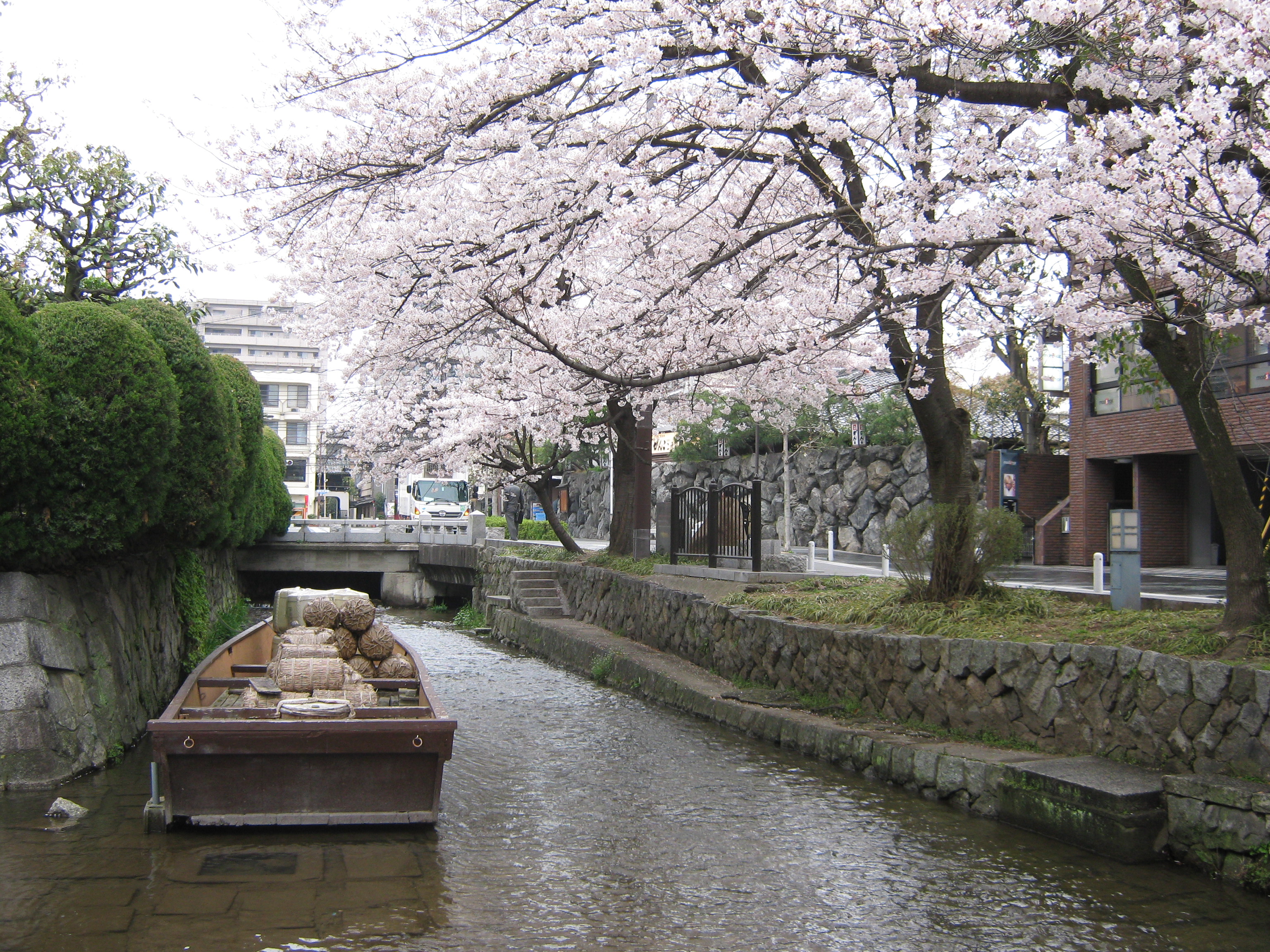
The district is compact and best combined with the surrounding riverside. From Miyagawacho you can stroll north across Shijo into Gion and Hanamikoji, west over the bridge to the Pontocho alley and downtown Kawaramachi, or south toward the Kamo River walking paths. In spring the cherry trees along the river are spectacular, and warm evenings bring diners out onto the kawadoko riverside terraces nearby.
Getting there could hardly be easier: Gion-Shijo Station on the Keihan Main Line sits right at the district's northern edge, a three- to four-minute walk, and Kawaramachi Station on the Hankyu Line is just across the river. Come at dusk, walk slowly, keep your voice down, and let the lanterns and the clack of wooden sandals carry you back a century.
A local's tip
The parallel Miyagawacho lanes are quieter than Gion's Hanamikoji just to the north — walk here at dusk for the same lantern-lit atmosphere with a fraction of the crowds.
Best time to visit
Dusk (17:30-19:00)
Getting there
Immediately south of Shijo-dori on the east bank of the Kamo River. From Gion-Shijo Station on the Keihan Line it is a 3-4 minute walk; Kawaramachi Station on the Hankyu Line is 6 minutes across the river.
Good to know
- Wi-Fi
- Restrooms
- Restaurants
Plan the whole trip offline
Miyagawacho is one of many places in the Real Japan app — with turn-by-turn directions, nearby spots and full offline maps you can use with no signal.