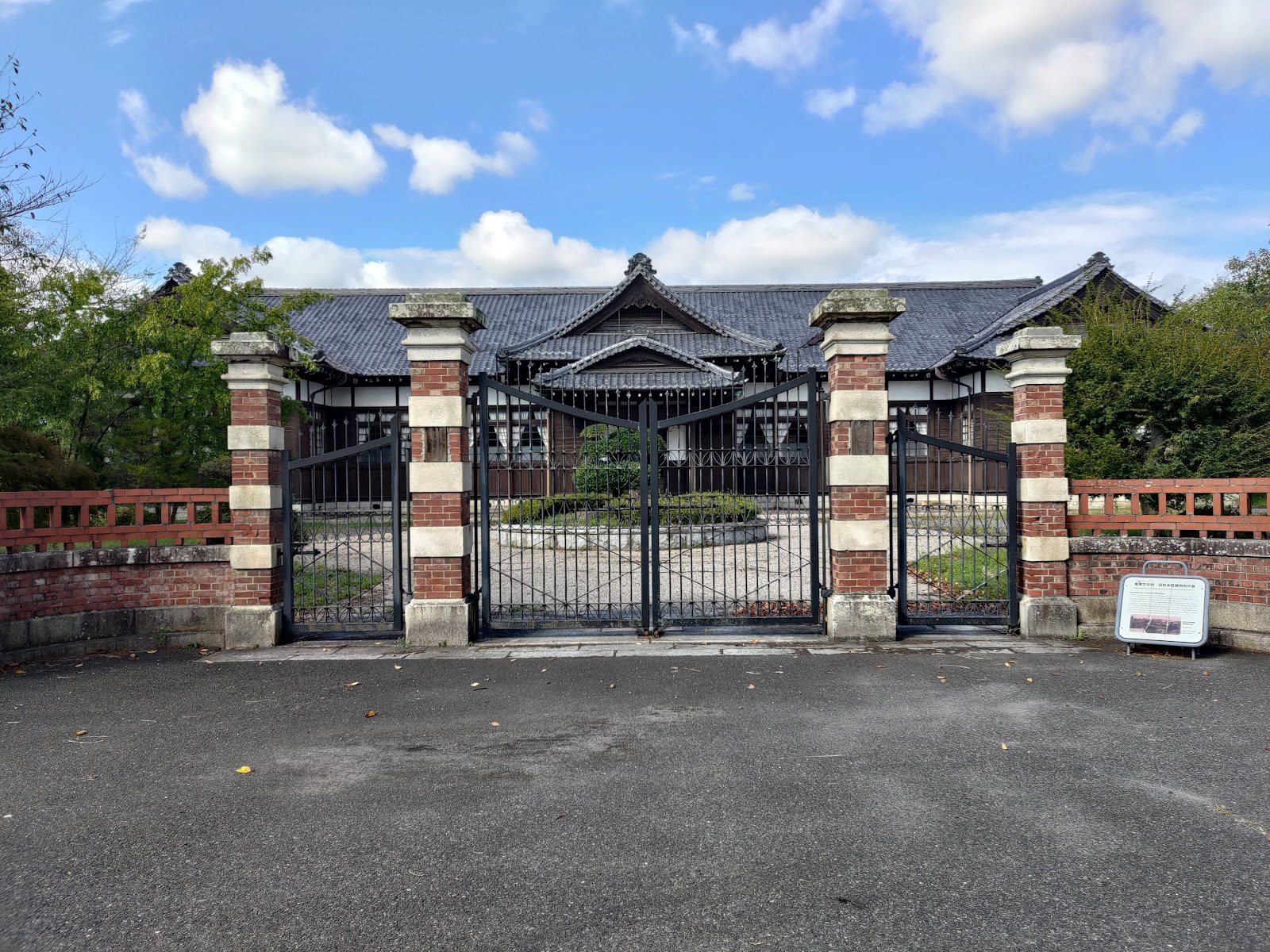
An open-air architectural museum of relocated historic buildings, centered on a rare Meiji-era courthouse.
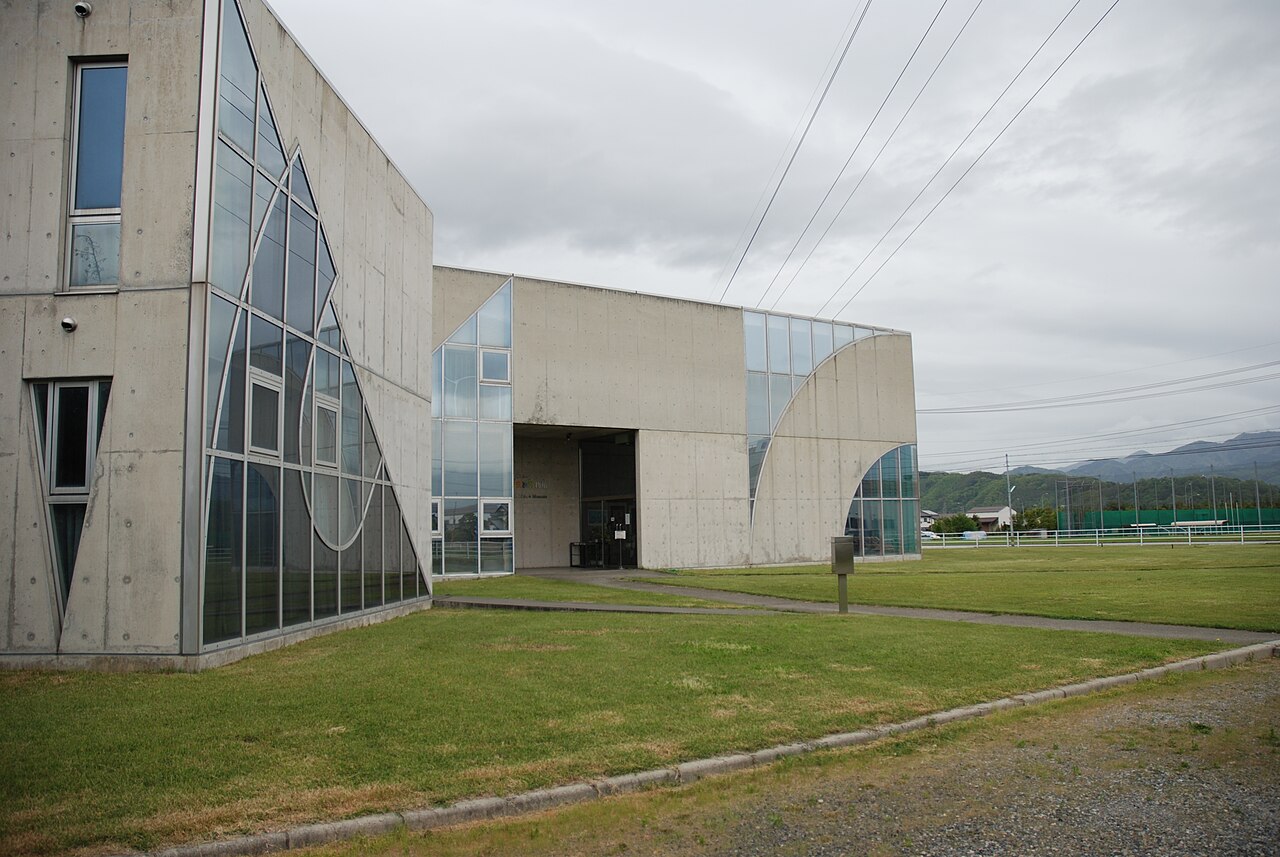
Matsumoto Rekishi-no-Sato — the Matsumoto Open-Air Architectural Museum, whose name means "historical village" — gathers a cluster of relocated and restored historic buildings on the western edge of the city, offering a walk-through encounter with the architecture and social history of the Meiji and Taisho eras. Sitting right beside the Japan Ukiyo-e Museum, it makes an easy and rewarding pairing for a half-day away from central Matsumoto.
The museum's centerpiece is a rare and evocative structure: a preserved Meiji-period courthouse, the former Matsumoto branch of the Nagano district court. Visitors can step inside the old trial chambers, judges' rooms and detention cells, gaining a vivid, tangible sense of how justice, administration and daily officialdom worked in Japan's rapidly modernizing late nineteenth century. Such courthouses rarely survive, and walking through its wooden halls is a genuinely unusual window into the period.
Around this anchor, the site collects other historic buildings and exhibits that illustrate the life of the region across the transition from feudal to modern Japan — administrative and civic structures, elements of everyday material culture, and displays on local history. The open-air arrangement lets visitors move between buildings across the grounds, experiencing the architecture in three dimensions rather than through cases and captions, in the spirit of Japan's many excellent open-air heritage parks.
The Rekishi-no-Sato complements the region's other museums nicely. Where the Matsumoto City Museum tells the broad story of the city and the Japan Ukiyo-e Museum showcases fine art, the Rekishi-no-Sato focuses on lived-in architecture and the machinery of early-modern civic life, giving texture and physical reality to the history. It is modest in scale and rarely crowded, which lends it a quiet, unhurried atmosphere.
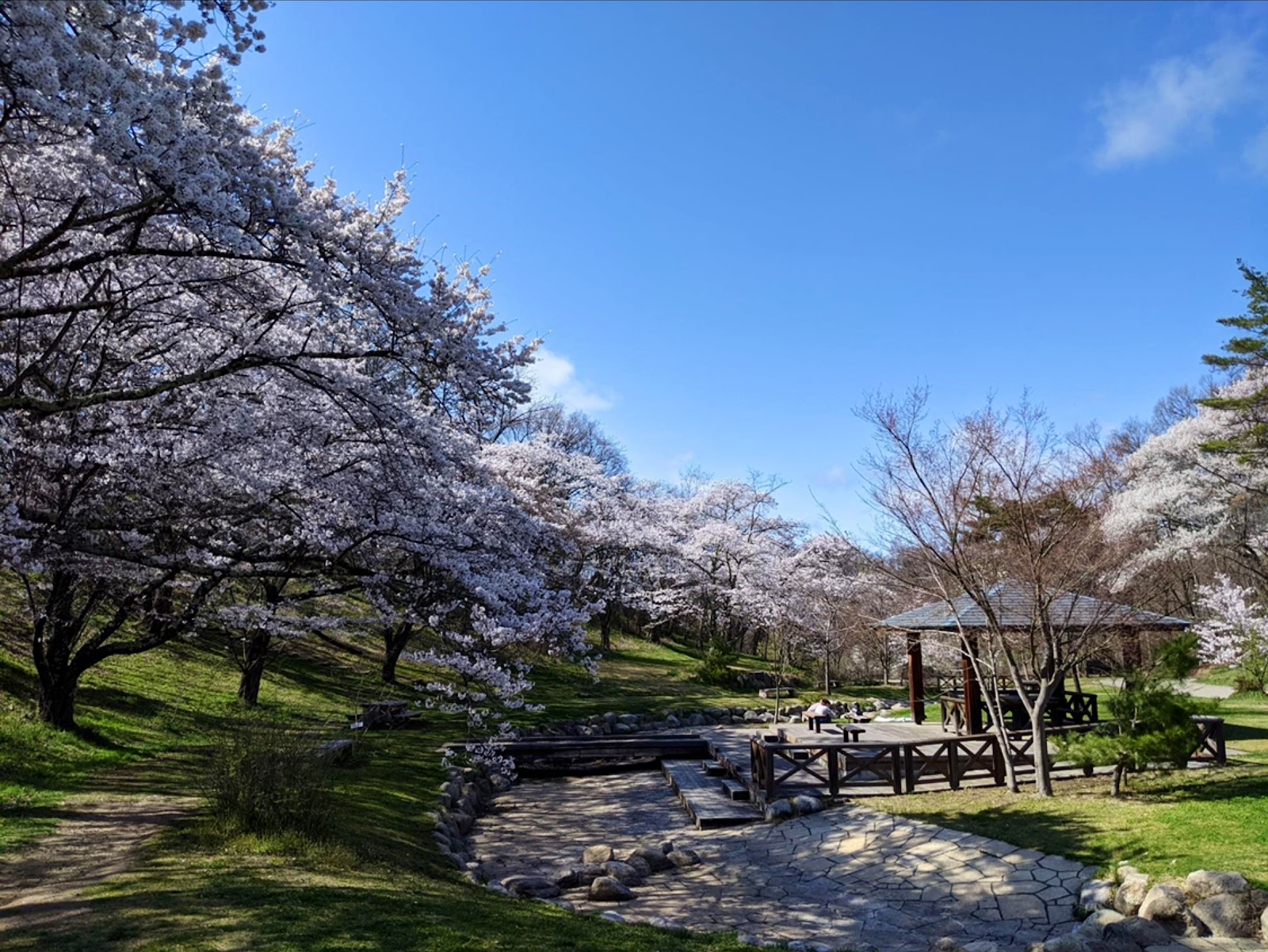
The grounds have seasonal appeal too, with cherry blossoms softening the historic buildings in spring and warm foliage color in autumn, making a wander through the site pleasant as well as educational. Reaching it takes a short journey to the western side of Matsumoto: about a ten-minute taxi or drive from JR Matsumoto Station, or a walk from Oniwa Station on the Alpico Kamikochi line, with the Ukiyo-e Museum right next door. Admission is modest, around 500 yen, and about an hour and a quarter suits most visitors, longer if combined with the neighboring print museum. For travelers curious about how Japan looked and functioned as it modernized — and especially anyone intrigued by the rare survival of a Meiji courthouse — Matsumoto Rekishi-no-Sato offers an atmospheric, hands-on step back in time on the quieter edge of the city.
A local's tip
The star exhibit is a relocated Meiji-era courthouse — step inside the old trial rooms and cells for a vivid slice of early-modern Japan.
Best time to visit
Daytime; combine with the Ukiyo-e Museum next door
Getting there
On the western edge of Matsumoto beside the Japan Ukiyo-e Museum; about a 10-minute drive or taxi from JR Matsumoto Station, or a walk from Oniwa Station.
Good to know
- Parking
- Restrooms
- Historic buildings
Plan the whole trip offline
Matsumoto Rekishi-no-Sato is one of many places in the Real Japan app — with turn-by-turn directions, nearby spots and full offline maps you can use with no signal.