The shrine where the eight million gods hold their farewell banquet and depart Izumo at the close of the month of the gods.
Mankusen Shrine, known locally as Makusen-no-yashiro, sits quietly beside the Hii River in the Hikawa district on the eastern side of the Izumo plain, sharing its wooded precinct with the neighbouring Tachimushi Shrine. Though it looks like a modest country shrine, it holds an outsized place in the great Izumo drama of Kamiarizuki, the Month of the Gods. Across Japan the tenth lunar month is called Kannazuki, the month without gods, because the deities are believed to have travelled to Izumo; here in Izumo it is Kamiarizuki, the month when they are present. Mankusen is where that gathering finally ends.
The shrine enshrines Kushimikenu-no-mikoto, an aspect associated with Susanoo, together with Onamuchi, Sukunahikona and the yaoyorozu-no-kami, the eight million gods themselves. After their long conference at Izumo Taisha and their business of tying the invisible threads of human relationships, the deities are said to make Mankusen their last stop. On the night of the twenty-sixth of the eleventh lunar month the shrine holds the Kara-sade-sai, a solemn send-off in which the gods hold a final banquet before departing for their home shrines. During the most sacred moment the precinct lights are put out and worshippers fall silent, and priests knock on the shrine doors to rouse and see off the divine guests. It is one of the most atmospheric rituals in all of Izumo and quite different in mood from the welcoming rites near the coast.
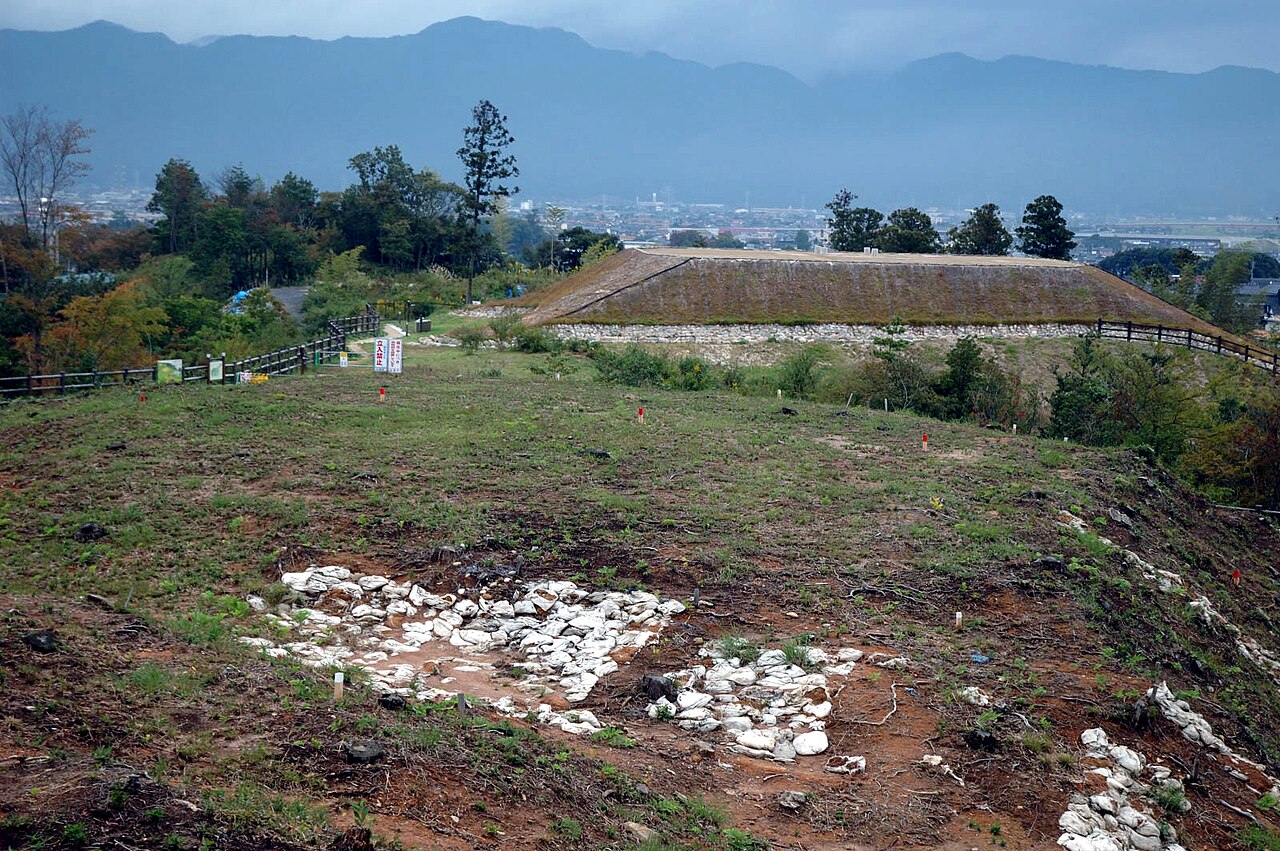
The grounds themselves are unshowy and genuine: a torii, a straightforward wooden hall, ancient trees and a river running close by. Because it is bound up with the departure of the gods, Mankusen is prayed to for the safe conclusion of matters, for good outcomes and for the fulfilment of the bonds forged during the divine assembly. Many pilgrims who begin the Kamiari season at Inasa-no-hama, where the gods arrive, deliberately end it here where they leave, completing the story from welcome to farewell.
For everyday visitors outside festival time the shrine offers a peaceful, unhurried stop that rewards those who know its significance. There is little signage in English, so arriving with the legend in mind transforms the experience from a small rural shrine into the closing scene of a nationwide myth. Allow around forty minutes to walk the precinct and the adjoining Tachimushi Shrine.
The shrine is especially meaningful in late autumn around the Kara-sade rite, and winter days here have a still, clear beauty, but it can be visited comfortably in any season. To reach it, take the JR San'in Line to Shobara Station and continue about twenty-five to thirty minutes on foot or a few minutes by taxi to Aikawa; drivers can reach it quickly from the Hikawa interchange. Standing in the hushed precinct as dusk falls, it is easy to feel why local people say this is the place where the gods say goodbye.
A local's tip
Come on the night of 26 November for the Kara-sade-sai, when the lanterns are extinguished and the assembled gods are said to leave Izumo together for another year.
Best time to visit
Late November during the Kara-sade farewell rite
Getting there
Take the JR San'in Line to Shobara Station, then a 25-30 min walk or short taxi to Aikawa in the Hikawa district; by car it is about 5 min from the Hikawa interchange on the San'in Expressway.
Good to know
- Parking
- Restrooms
Plan the whole trip offline
Mankusen Shrine is one of many places in the Real Japan app — with turn-by-turn directions, nearby spots and full offline maps you can use with no signal.